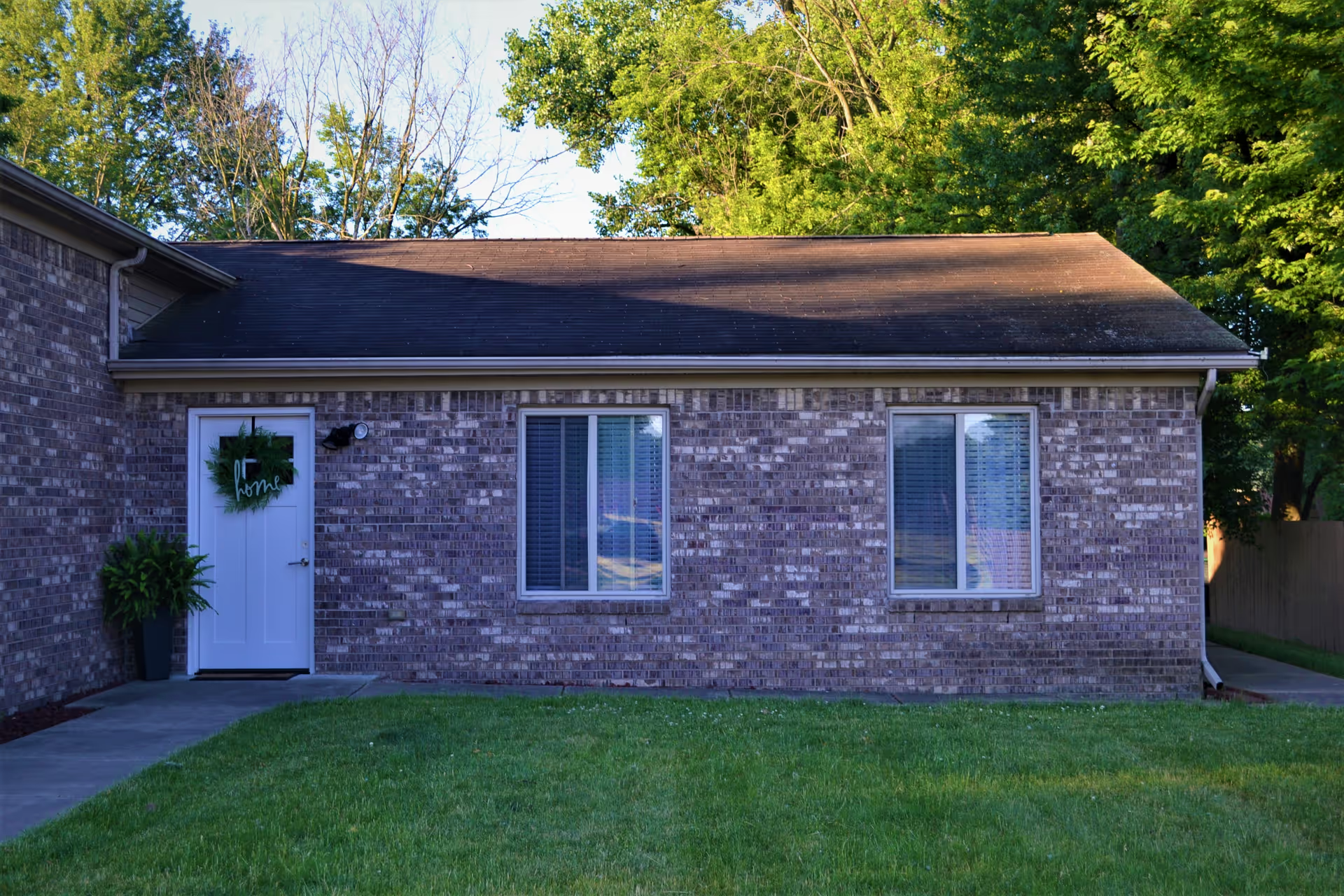
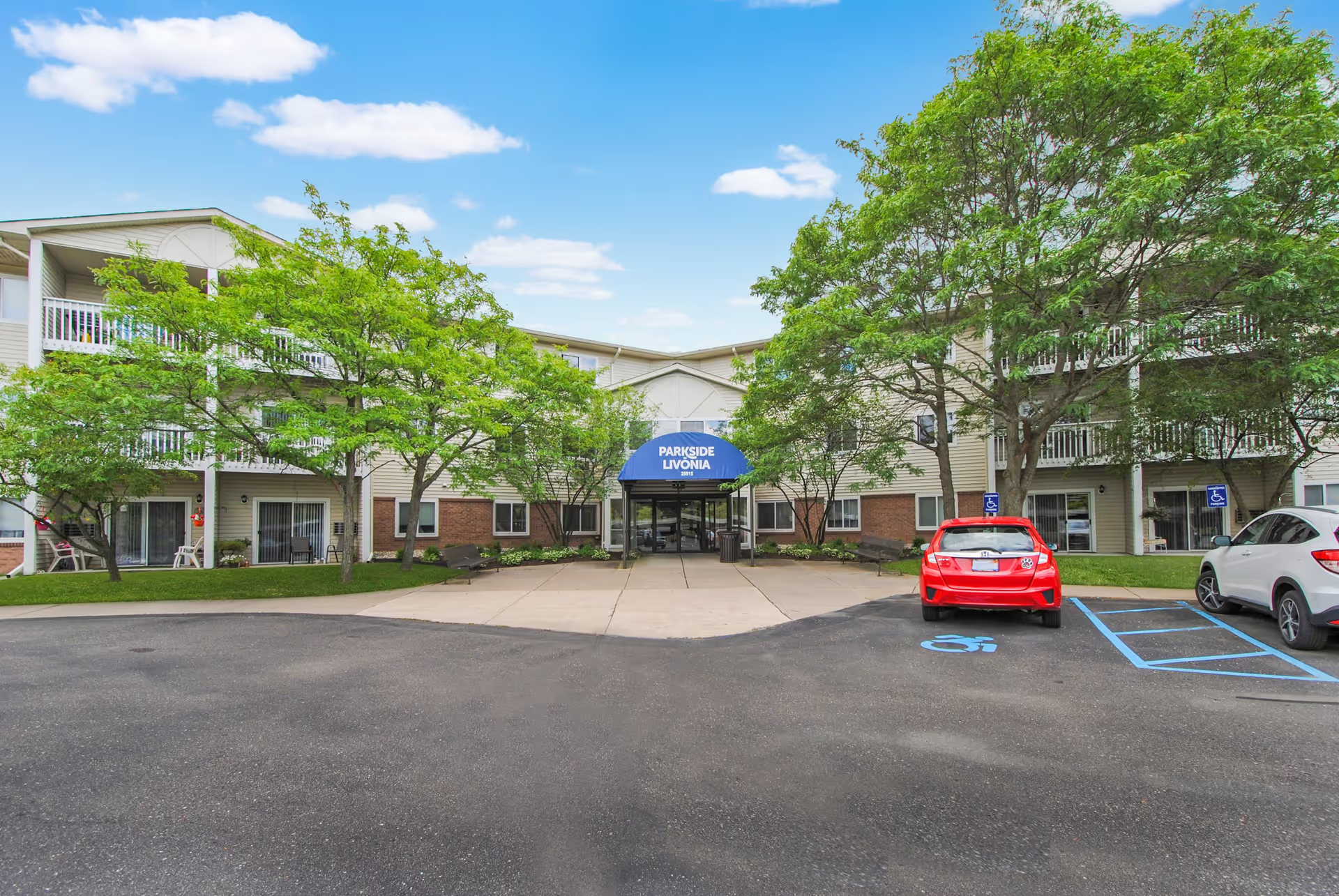
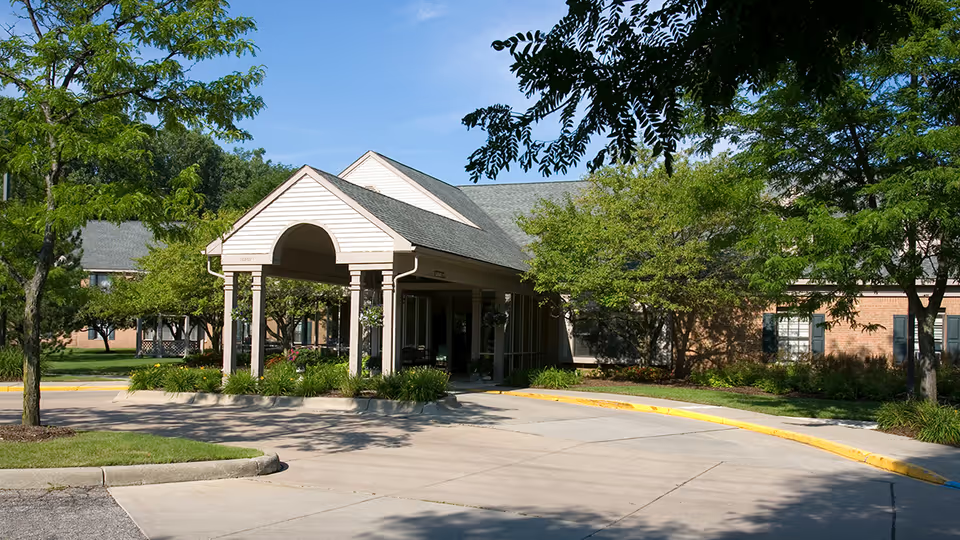
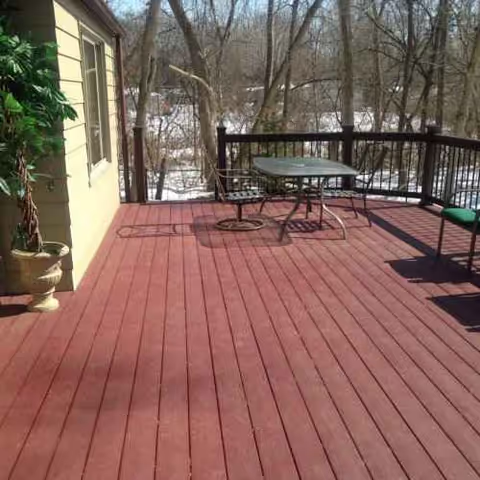
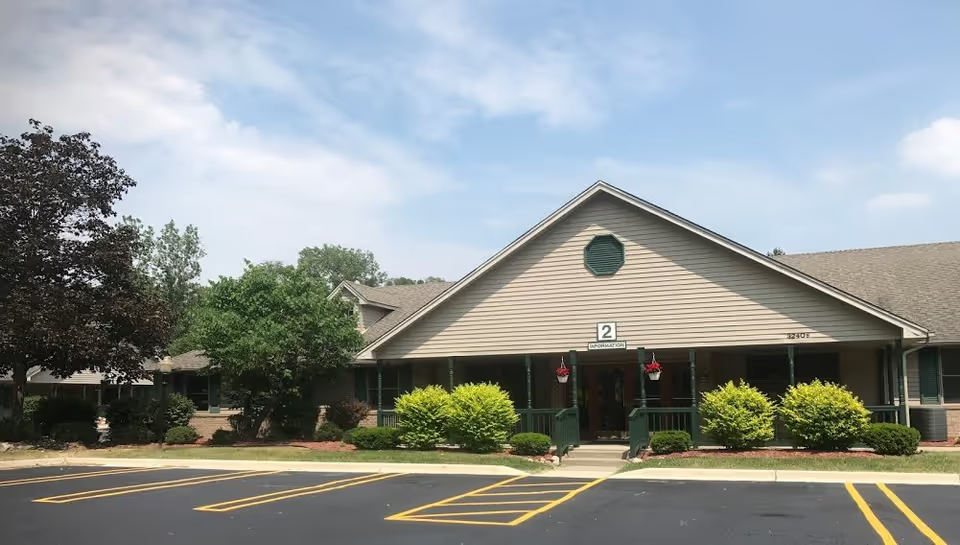
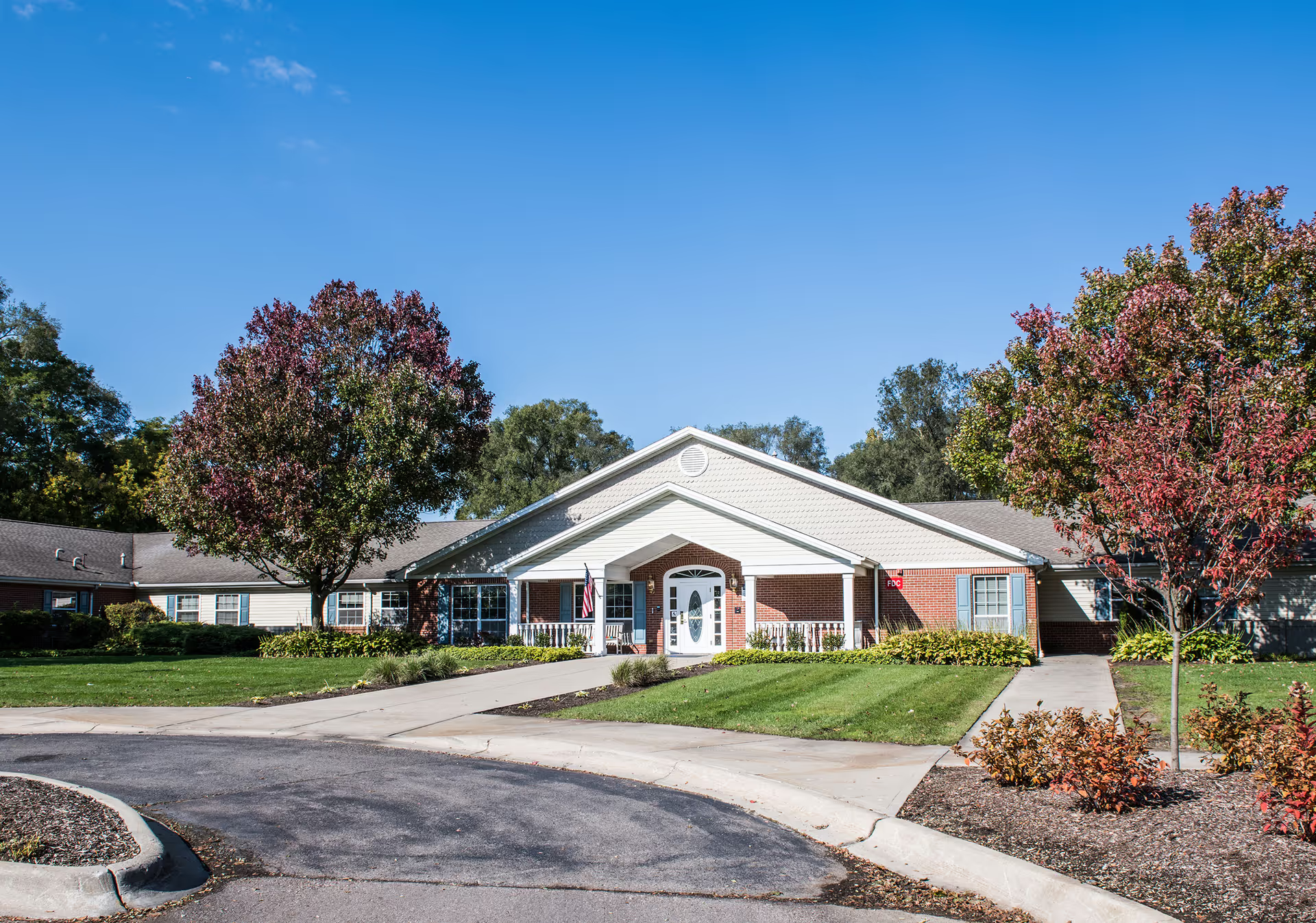
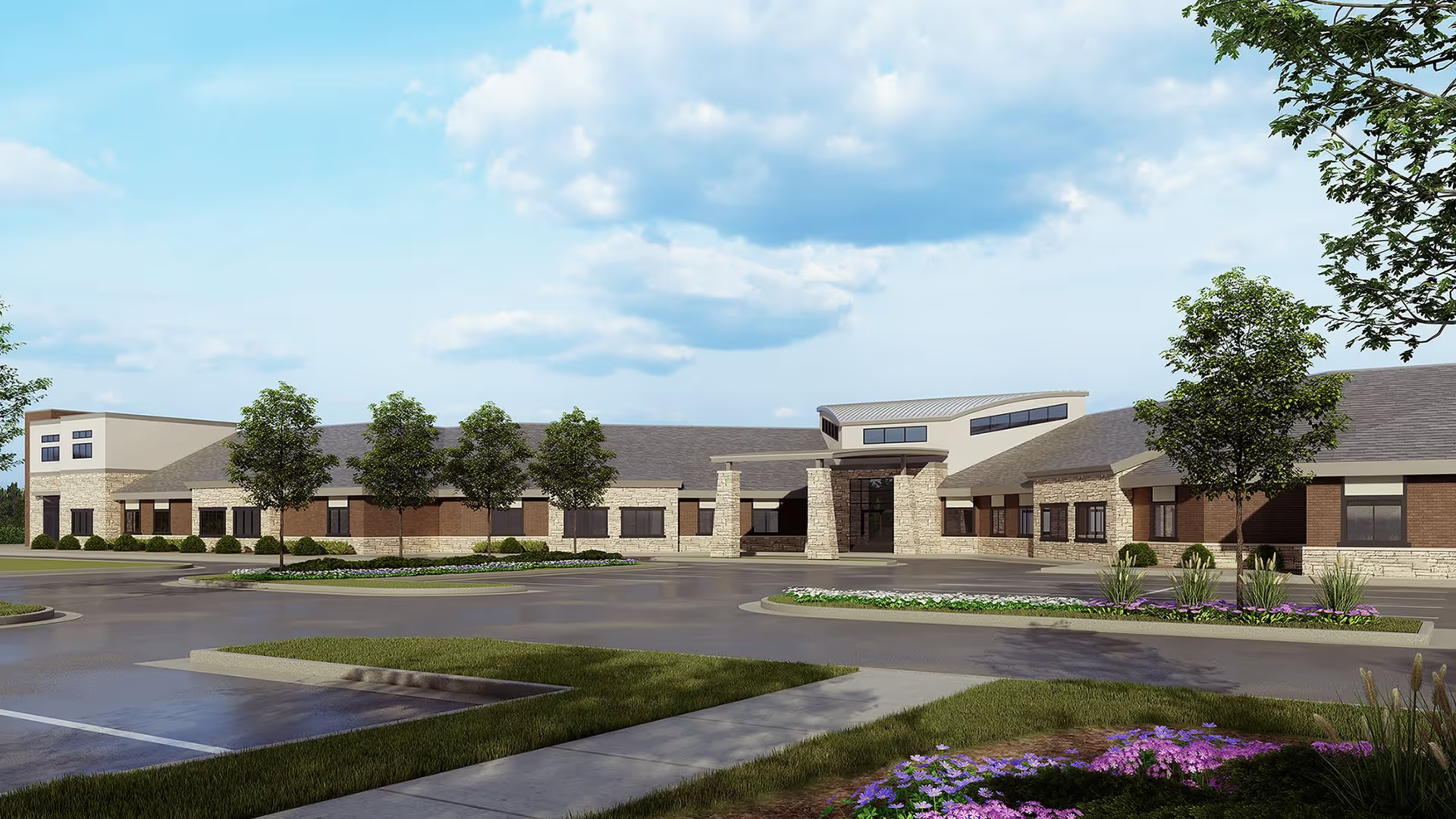
Manoogian Manor is described by many families as a well-appointed, small-scale non-profit facility with a strong emphasis on social engagement and a high level of day-to-day comfort. Reviewers commonly praise the appearance and upkeep of the building: contemporary common areas, elegant décor, and private resident rooms that can be personalized. The physical environment is frequently characterized as clean and well maintained, with amenities such as water features, a welcoming lobby, and a compact community size that supports social connection.
Care and staffing are a central theme. Numerous accounts highlight compassionate, patient caregivers, aides, med techs and nurses who provide attentive day-to-day assistance; reviewers also note on-site clinical resources including doctors, physical therapy and occupational therapy. At the same time, there is a pattern of mixed impressions about staff conduct and responsiveness. While many families say staff treat residents like family and go above and beyond, other reports describe lapses in responsiveness, uneven communication, and concerns about the tone or consistency of interactions. Those contrasting impressions suggest variability in staff performance and expectations that prospective families should probe during a visit.
The facility’s life-enrichment offerings and dining are repeatedly cited as strengths. Reviewers emphasize a robust activities calendar (crafts, music, visiting entertainers, bus trips, movie nights and family events) and a lively social calendar that many residents enjoy. Dining is generally described as better than average and nutritious, with specific praise for quality and presentation. However, reviewers also raised operational concerns about limited menu flexibility for special diets and occasional issues accommodating specific dietary restrictions.
Operational and management areas show the most divergence. Several families express strong support for long-standing leadership, but a notable set of comments point to leadership turnover and changes in management approach. These concerns include reduced responsiveness from administration, perceived emphasis on billable services, and a sense that service consistency has declined since leadership changes. Related operational themes include inconsistent follow-up on family inquiries, occasional laundry or ancillary-service issues, and perceptions of favoritism that can affect equitable attention among residents.
There are also clinical-safety related themes that warrant attention. While many reviews praise clinical competency, a small number of serious incidents described by families raise questions about timely recognition and escalation of acute medical issues. These accounts led to concerns about clinical-incident response and family communication following adverse events. Prospective families should ask detailed questions about clinical protocols, staff training on acute symptom recognition, and the facility’s incident-notification procedures.
In summary, Manoogian Manor presents as a clean, comfortable, and socially active small community with many strengths in caregiving, therapy access, and enrichment programming. The main patterns to investigate further are management stability, consistency of staff responsiveness and conduct, clinical escalation protocols, and flexibility around special-diet needs and ancillary services. Families touring the community should speak directly with current leadership, review recent staffing and incident-handling practices, sample menus and activity schedules, and request references from current residents’ families to confirm whether the aspects most important to them are being consistently delivered.