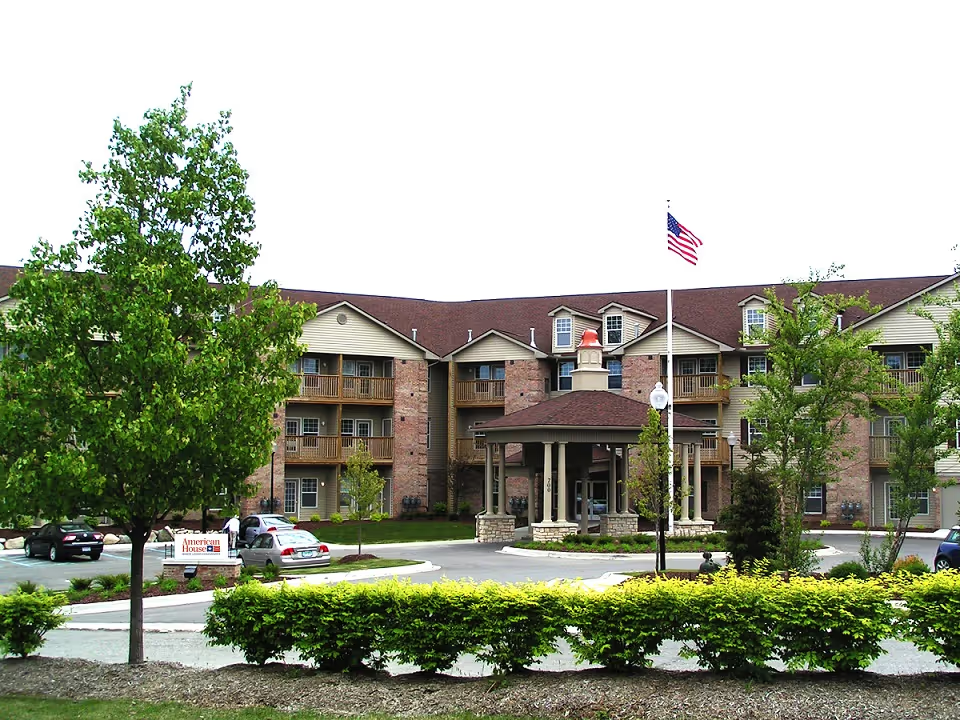
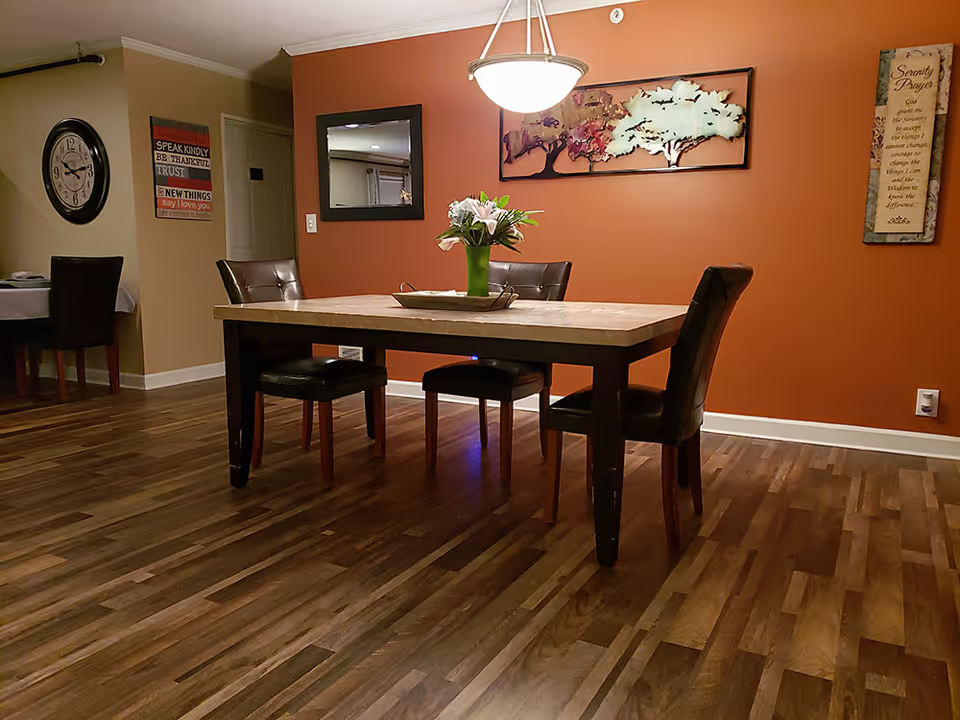
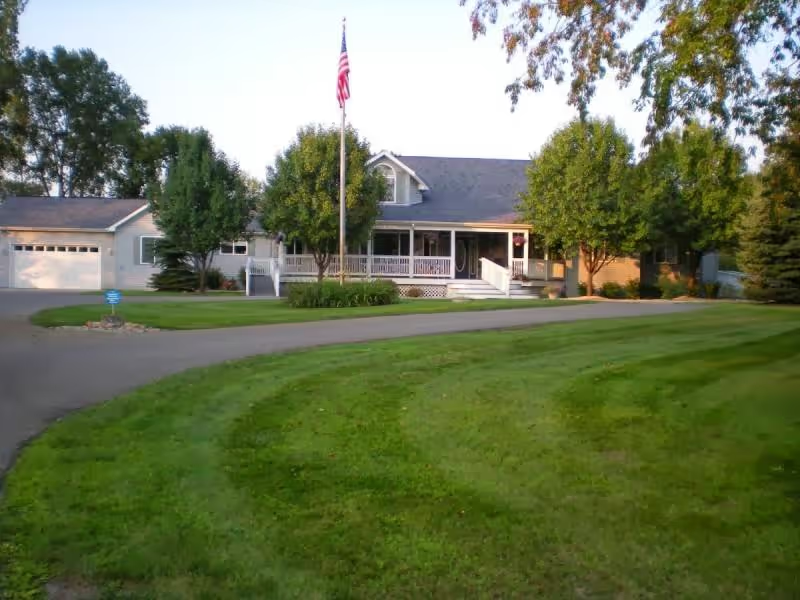
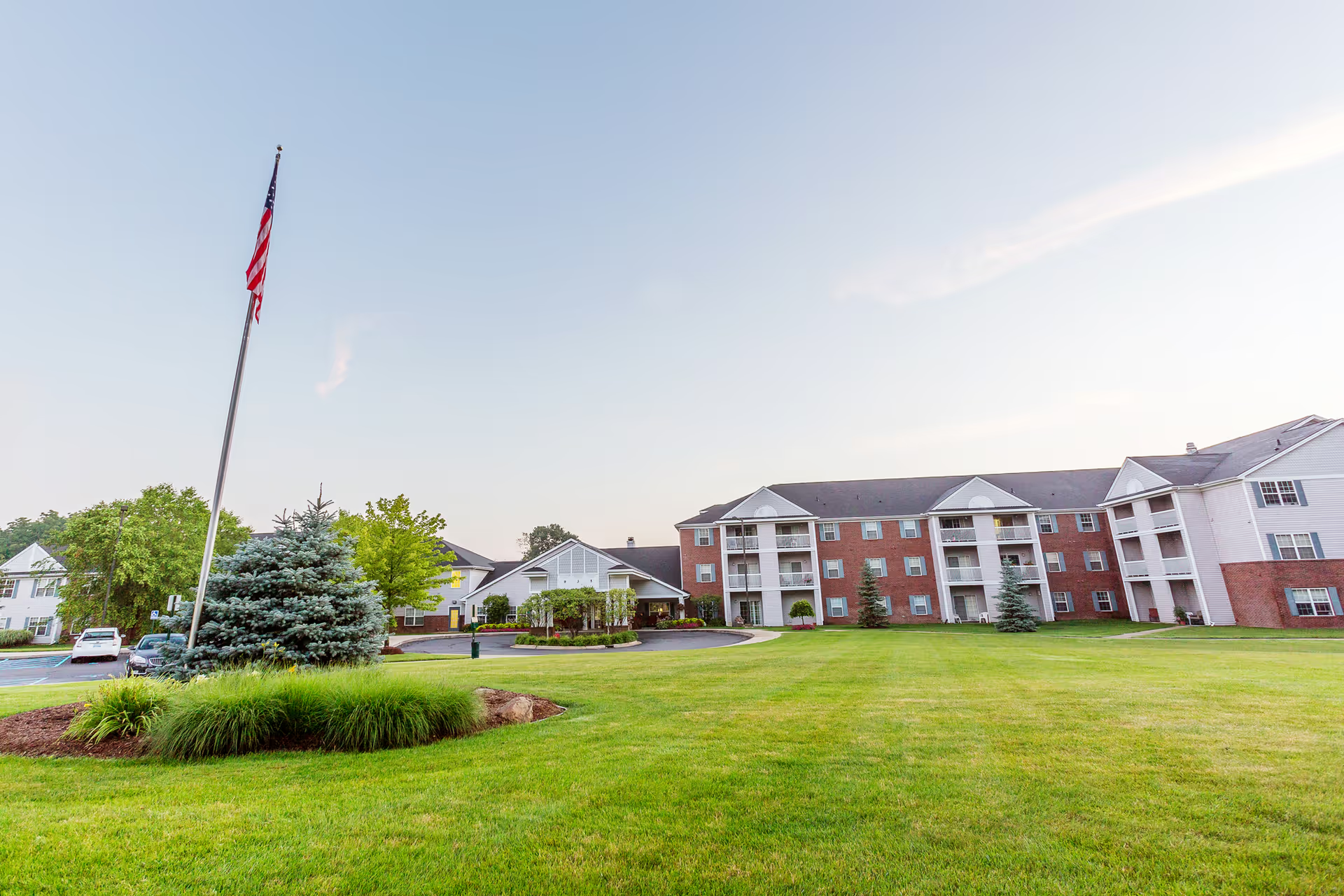
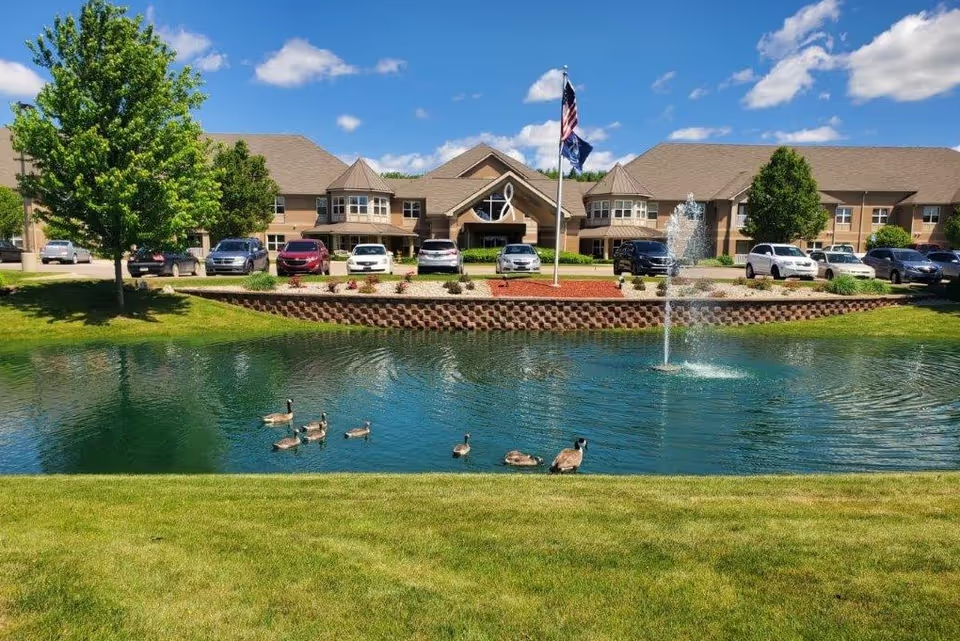
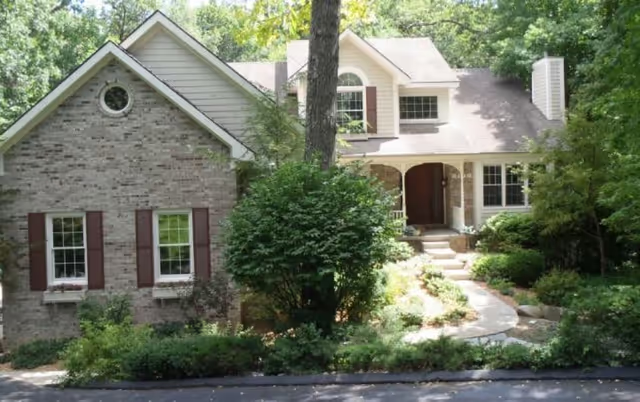
Cranberry Park of Milford is described across reviews as a small, recently updated community with a strong emphasis on personalized, family-style care. The facility layout includes suite-style studios and several apartment types across separate memory-care, transition, and independent-living buildings. Common-area amenities such as an outdoor atrium and patio cabanas, an aquarium, a homelike visiting room, raised planter boxes, and salon services contribute to a domestic atmosphere. Many families highlighted the facility’s cleanliness, modern decor, and small size as factors that support easy relationship-building and a welcoming environment.
Staff and clinical leadership receive frequent praise for compassionate, attentive care and hands-on management. Reviewers often cited individualized care planning, regular family updates, and supportive end-of-life and hospice coordination. Named leaders and nursing oversight were noted for being accessible and engaged; housekeeping and maintenance were described as kind and responsive. The small community size appears to enable close staff–resident relationships and consistent caregiver assignment for many residents.
Dining and programming are prominent features. The facility emphasizes banquet-style dining, with a full events calendar, happy hours, outings, and memory-care activities. Reviewers frequently complimented social engagement, monthly programming, and extracurricular outings that promote resident interaction. At the same time, meal quality is described inconsistently: some families praised the food as excellent and varied, while others noted room for improvement. On-site services such as a salon, laundry, therapy continuation, and transportation add convenience and support for daily living.
Operational concerns appear in several areas and are worth discussing with staff during a tour. Families noted variability in staffing stability and occasional delays in response times to call buttons or care needs; these comments point to potential staffing-coverage challenges at times. A few accounts suggested gaps in medication documentation and transfer processes, as well as inconsistencies in bathing and incontinence-care schedules. Some reviewers also found exercise or therapy classes less effective than expected. Additional practical considerations include the absence of in-unit kitchenettes, Medicare not being accepted, and the facility’s limited bed capacity, which may affect future availability. A minority of comments referenced tensions between ownership/management and staff, indicating an organizational-culture factor to explore.
For prospective residents and families: consider visiting during a mealtime and an activity to assess dining and programming firsthand; ask for current staffing ratios, medication-administration protocols, and examples of how the team handles clinical transitions; confirm bed availability and financial/lease details; and discuss any specific therapy or incontinence-care needs up front. Overall, Cranberry Park presents as a well-appointed, intimate community with a strong culture of compassionate caregiving and a range of amenities, balanced by a need to confirm operational consistency in staffing, clinical documentation, and some service areas.