Overall sentiment across these reviews is highly mixed and polarized: many families and residents praise Medilodge of Milford for excellent rehabilitation services and several genuinely compassionate staff members, while a substantial number of reviewers report serious and recurring care failures that raise safety and management concerns. A clear pattern emerges of strong rehabilitative capability and dedicated daytime personnel contrasted with persistent operational problems such as understaffing, slow response times, medication and hygiene lapses, and inconsistent leadership.
Therapy and clinical rehabilitation are consistently cited as major strengths. Physical therapy, occupational therapy and speech therapy receive repeated, enthusiastic praise — reviewers credit the therapy teams with measurable improvements, successful discharges home, and restored independence for many patients. Several families described transformational outcomes (walking again, regained function) and specifically commended therapists and rehab staff as ‘‘excellent’’ or ‘‘heaven-sent’’. These positive rehab experiences are often the reason families would choose the facility again or recommend it.
Staffing and caregiver behavior are where the reviews most sharply diverge. Numerous reviews name individual CNAs, nurses and administrative staff as compassionate, attentive and family-oriented (examples include Michelle, Duley, Dooley, nurse Greg, admissions staff Amanda, social worker Susan, and physicians such as Dr. Blevins). These caregivers are credited with advocacy, thorough discharge planning, kindness and going ‘‘above and beyond.’’ However, an equally large and vocal set of reviewers describe chronic understaffing, especially on nights, leading to long wait times for call lights, neglected toileting and hygiene, missed medication doses, and rude or curt staff interactions. This unevenness suggests care quality is highly staff-dependent and variable by shift.
Safety, clinical management and infection control concerns appear repeatedly and are among the most serious critiques. Multiple reviewers reported late or skipped medications (including pain meds and critical regimens like warfarin or transplant meds), inadequate wound care, and delayed responses to clinical deterioration. There are reports of infections (C-diff, UTIs, sepsis), hospital readmissions, and at least one account linking facility care to a patient’s death after discharge. Falls and safety incidents — including one reported fall with a brain bleed causing permanent disability — amplify concerns about supervision, fall prevention and medication/treatment oversight. These are not isolated nitpicks but recurring themes that indicate systemic risk areas.
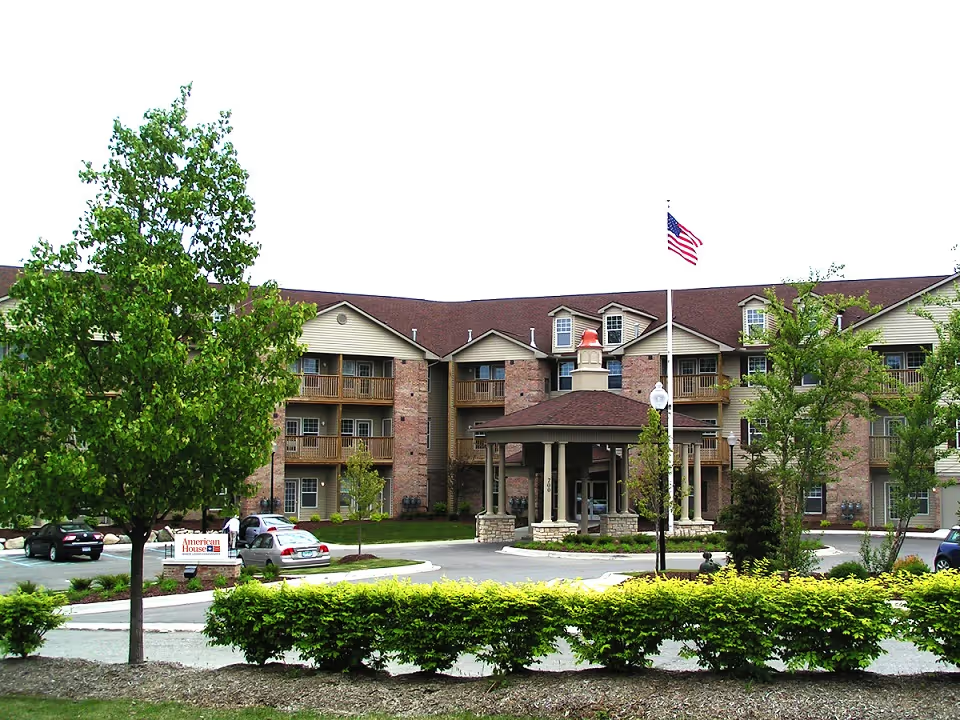
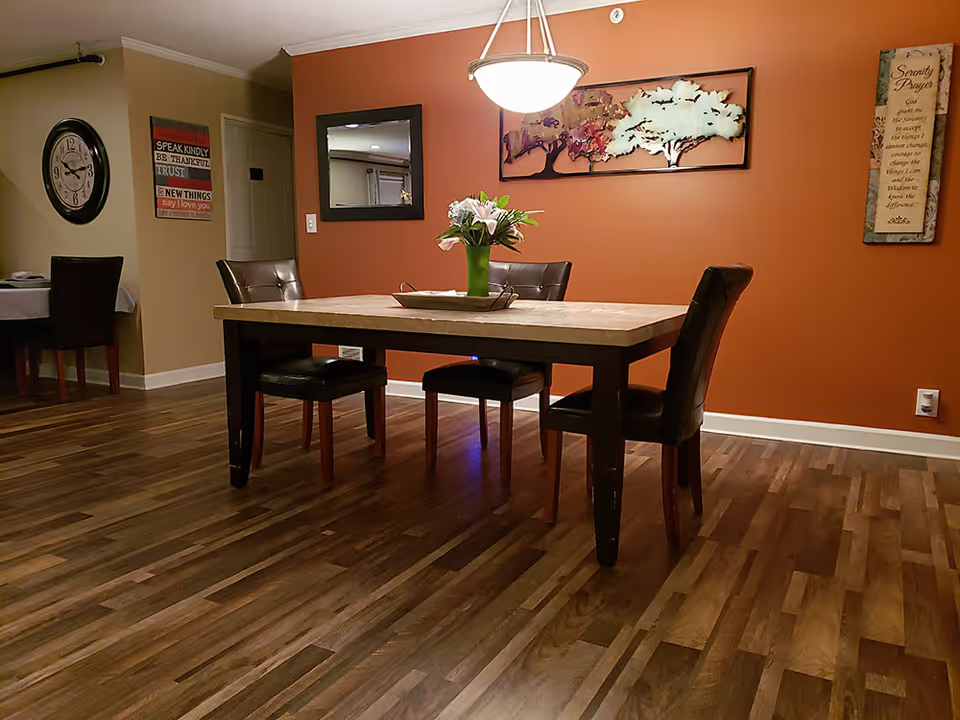
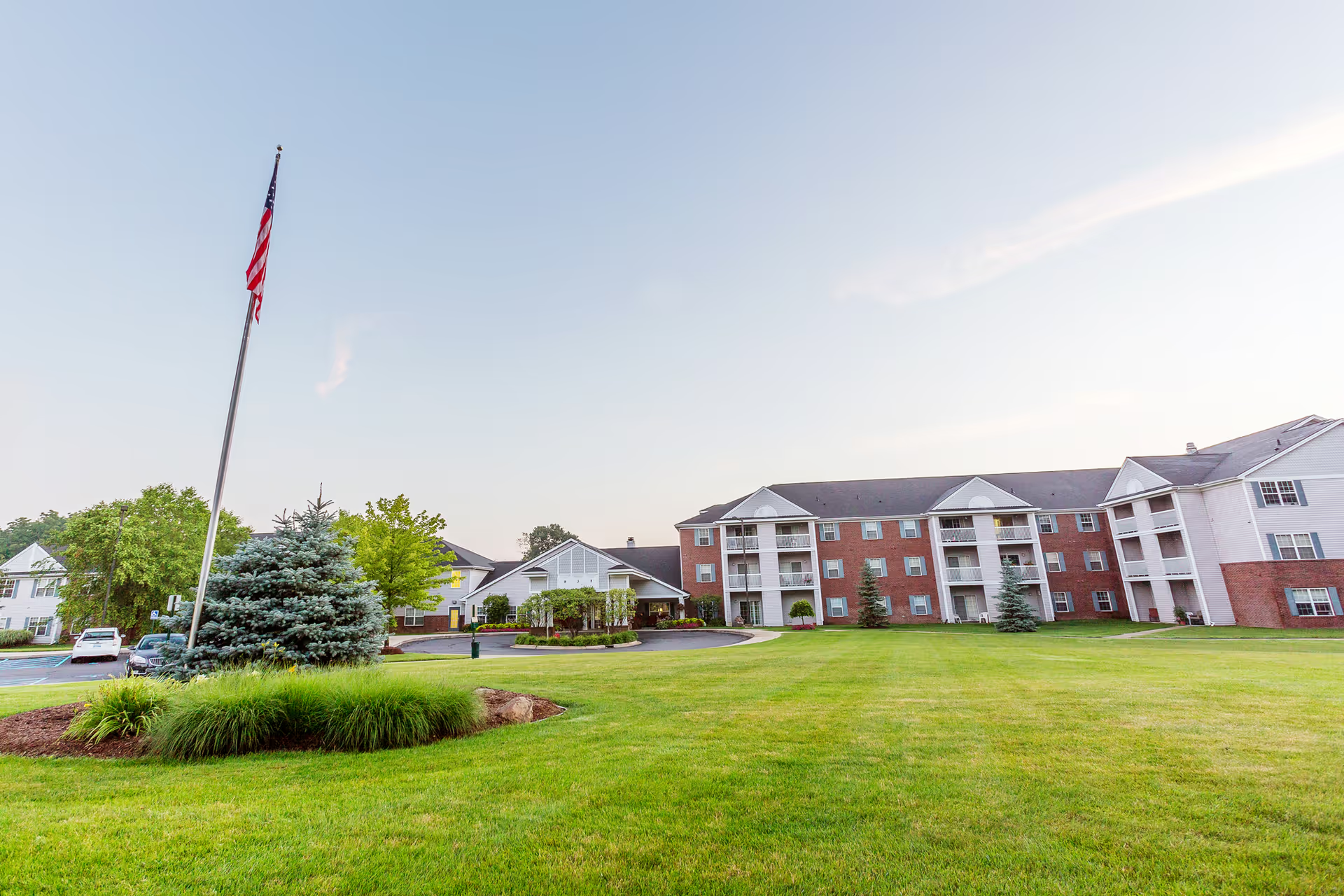
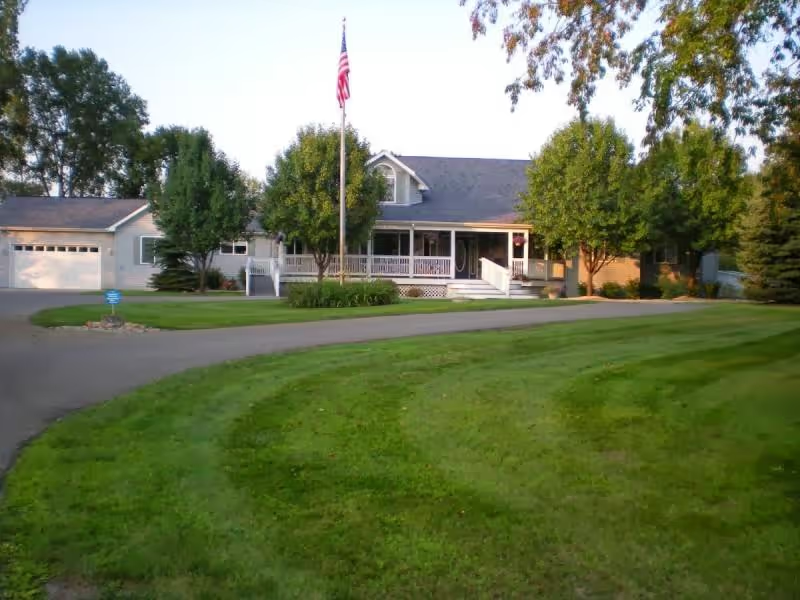
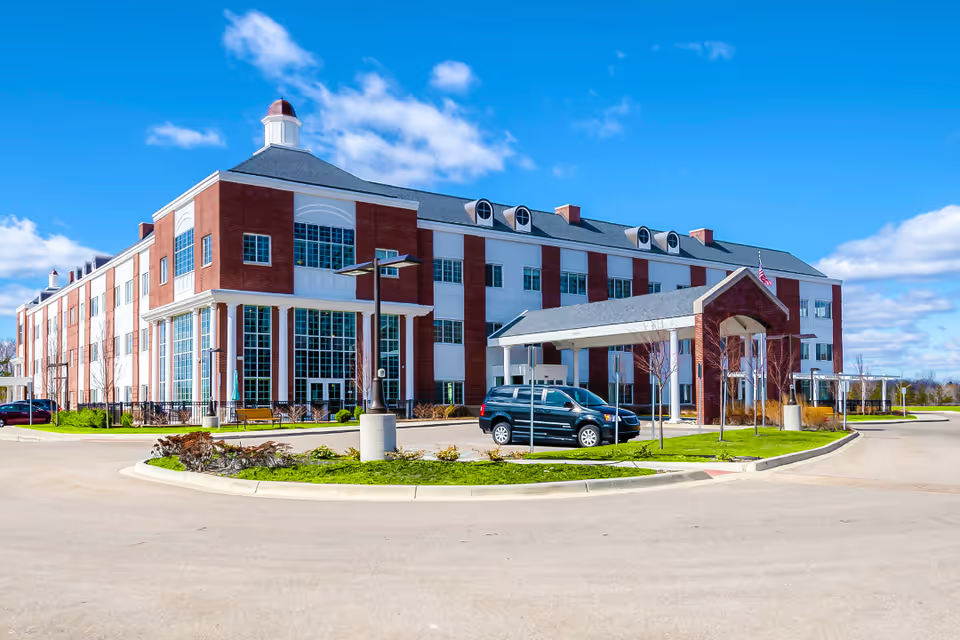
Cleanliness, dining and daily living support are inconsistent based on reviews. Many visitors and families describe the facility as clean, with well-appointed rooms and an attractive building; others report filthy rooms, urine or feces on wheelchairs, garbage on floors and persistent odors. Dining experiences run from ‘‘chef-made soups’’ and enjoyable meals to frequent complaints about cold, tasteless, or inedible food. Several reviewers also highlight poor assistance during meal times (meals dropped off without help) and diabetes dietary issues. Bathing and personal hygiene support is another recurring problem — some residents received no showers or bed baths during long stays, contributing to family dissatisfaction.
Communication, management and billing practices generate substantial negative feedback. Families describe inconsistent updates, vague nurse responses, slow or nonexistent case worker engagement, and delayed notification during critical events (including death). Some reviewers allege deceptive billing practices or aggressive collections after a resident’s death. Conversely, other reviews praise administrative staff as organized, compassionate and efficient. This inconsistency points to uneven leadership performance and a need for clearer policies, transparency and stronger oversight.
Amenities and logistics: the facility has several positives — pet-friendly policies and therapy animal visits, a scenic setting, activities (bingo, movie nights, holiday buffets), and convenient location for families. However, functional issues like a maze-like layout, long walking distances from reception to rooms, limited wheelchairs and equipment shortages were reported. Accessibility for visitors and internal navigation may be a friction point for some families.
Common patterns and final assessment: reviewers repeatedly highlight a split experience — strong, effective rehab and devoted daytime staff versus problematic nights, understaffing and severe lapses in basic nursing care for some residents. For prospective patients and families this means outcomes could vary widely depending on staffing, shift patterns and the particular unit or team assigned. If considering Medilodge of Milford, visitors should explicitly ask about current staffing ratios (day and night), medication administration protocols, wound and post-surgical care procedures, infection control practices, fall prevention measures, and how the facility handles discharge and billing. Tour the wings where the patient would be housed, observe meal service, ask to meet the therapy team and the social worker, and inquire about recent state surveys or corrective actions.
In summary, Medilodge of Milford demonstrates clear strengths in rehab and in many individual employees who provide compassionate, effective care. At the same time, numerous and recurring reports of understaffing, slow response times, medication and hygiene lapses, infections, falls and management issues are serious and should not be overlooked. The facility may deliver excellent outcomes for some residents, especially those focused on intensive rehab, but carries documented risk areas that require careful probing and vigilance from families and referral sources before placement.