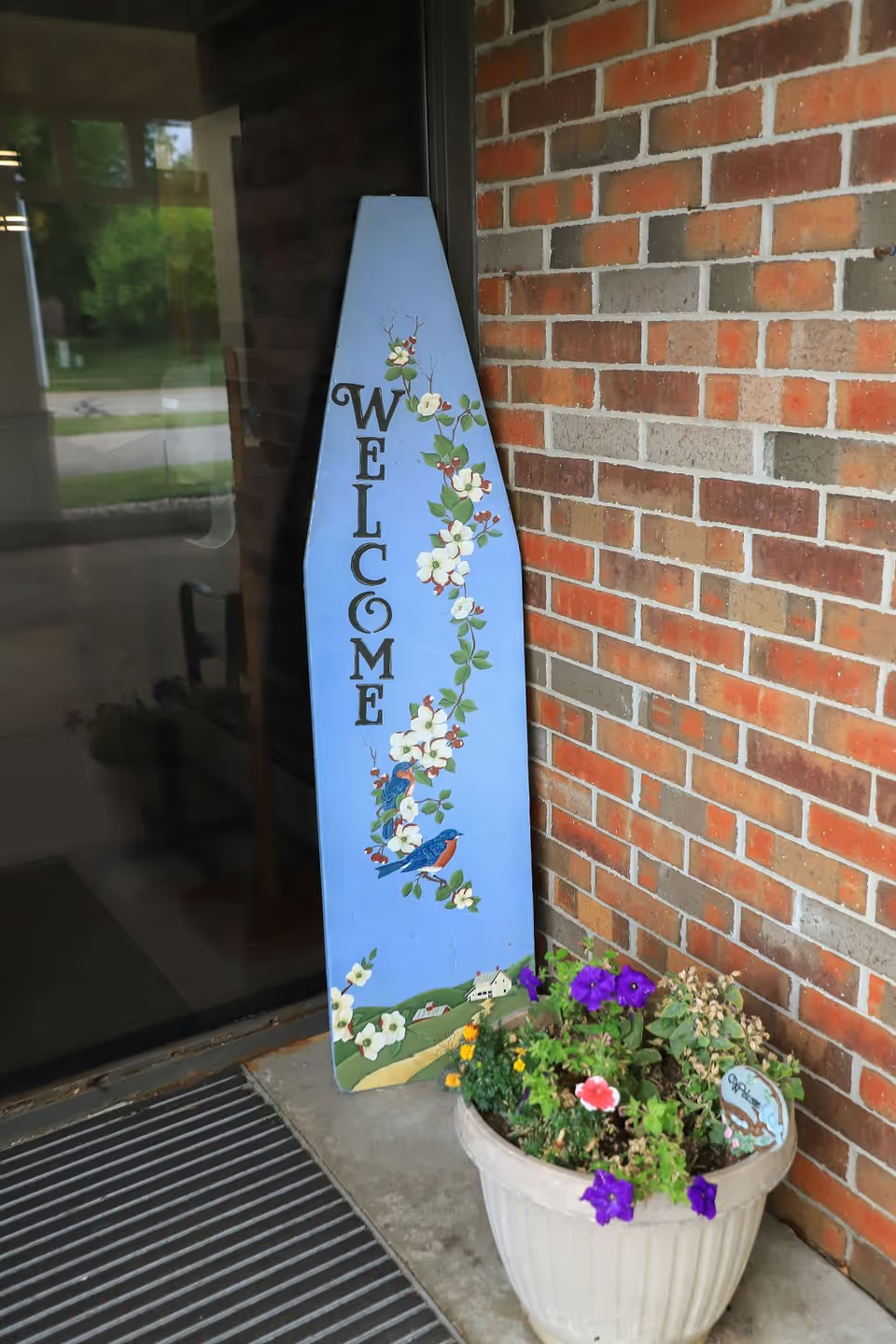
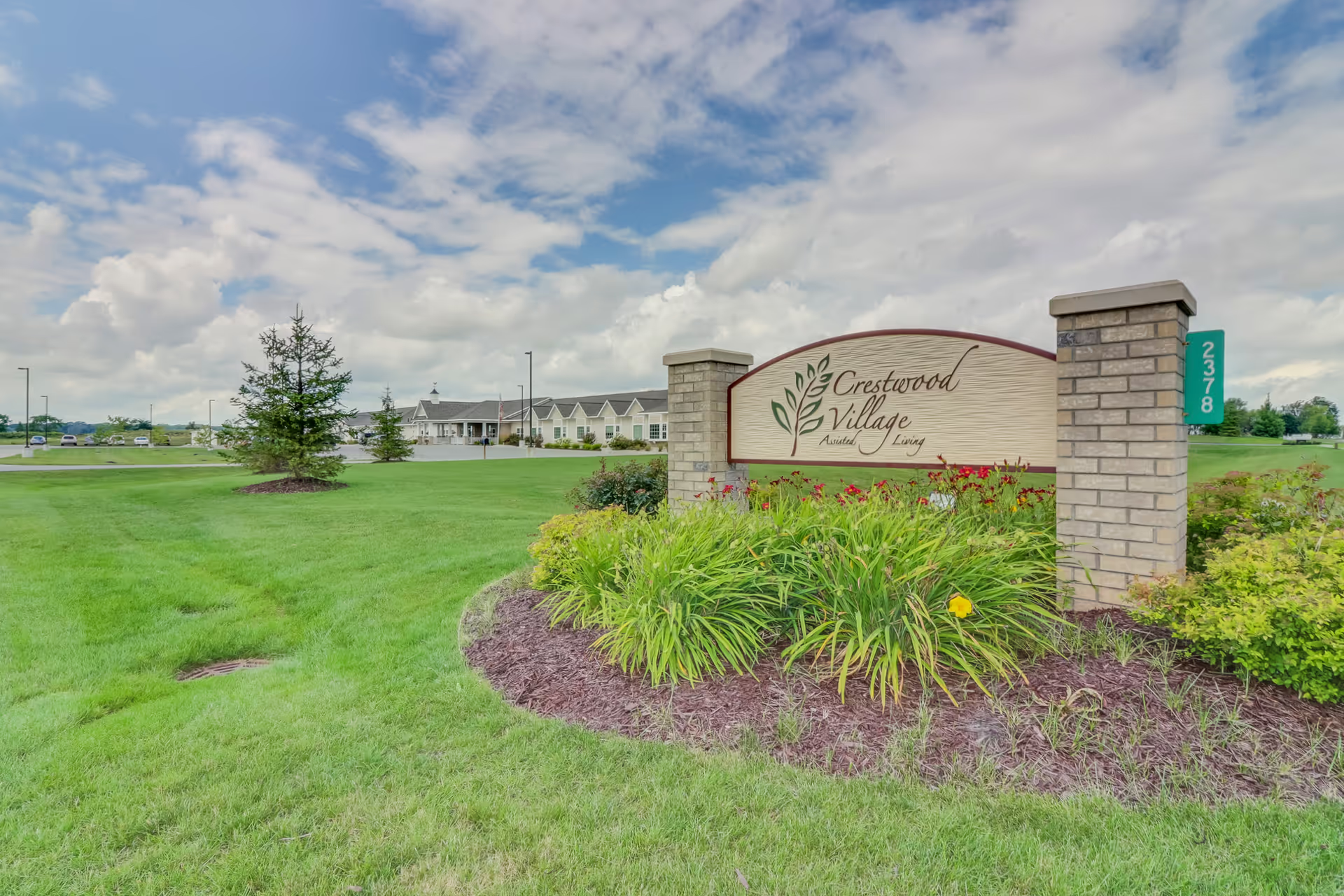
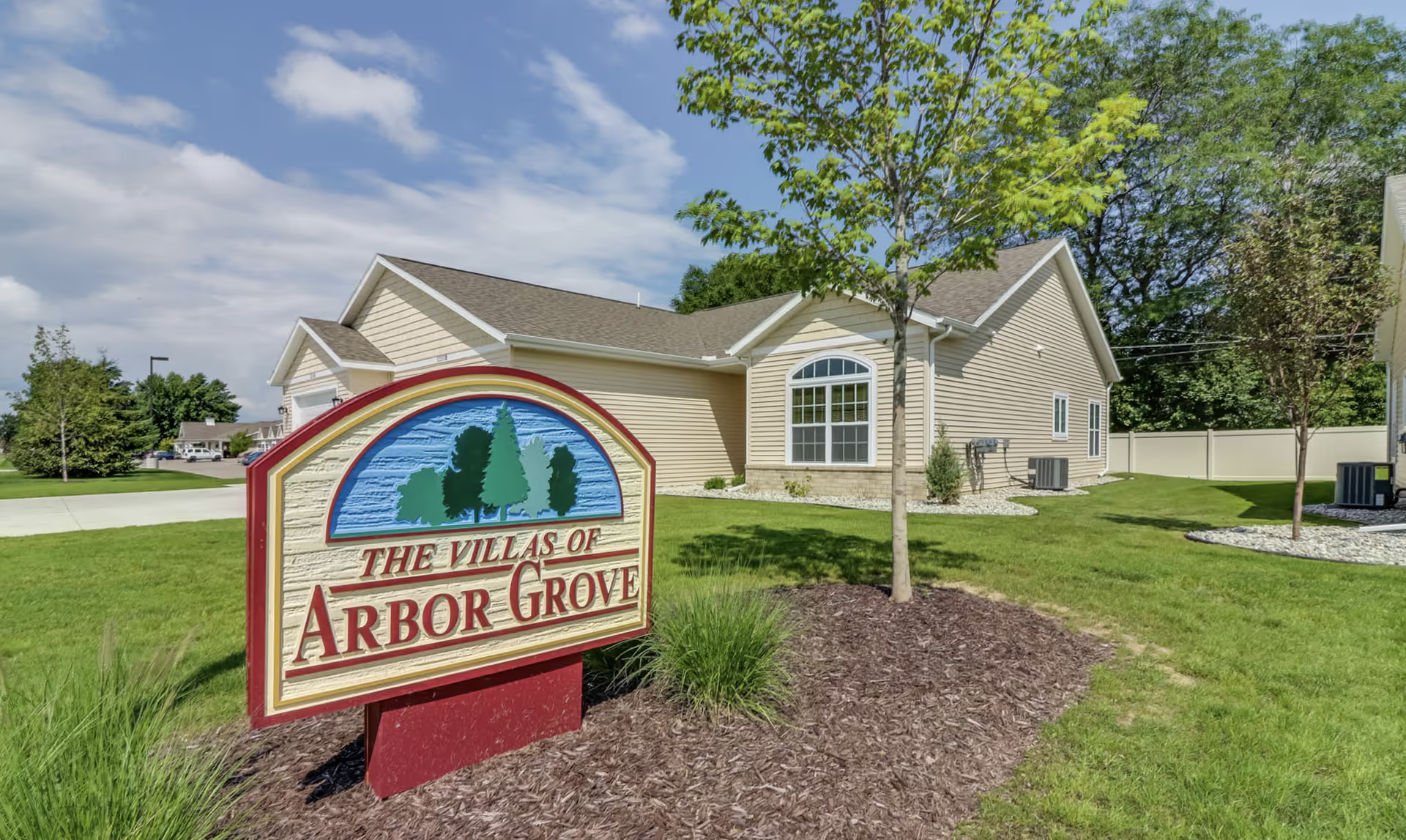
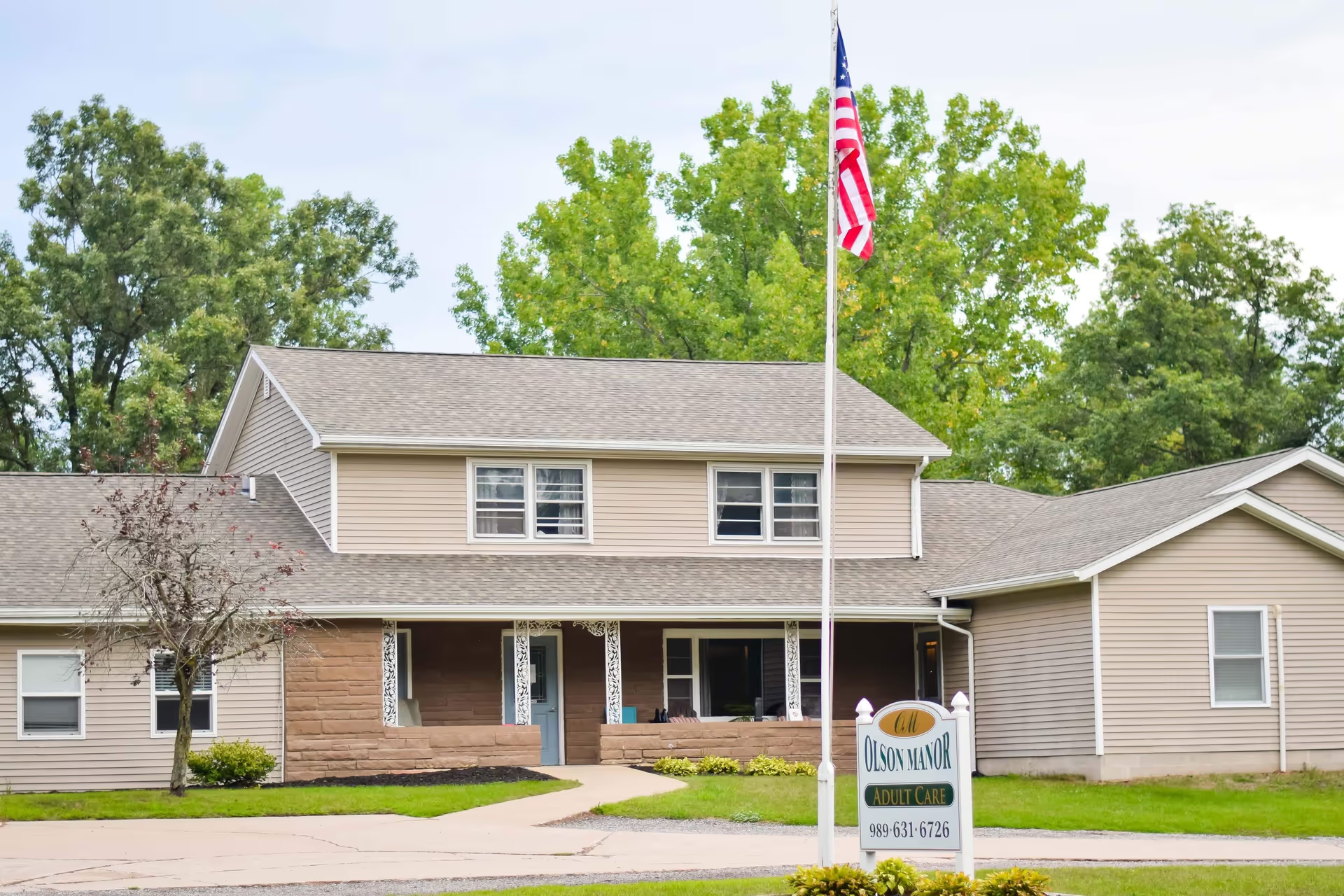
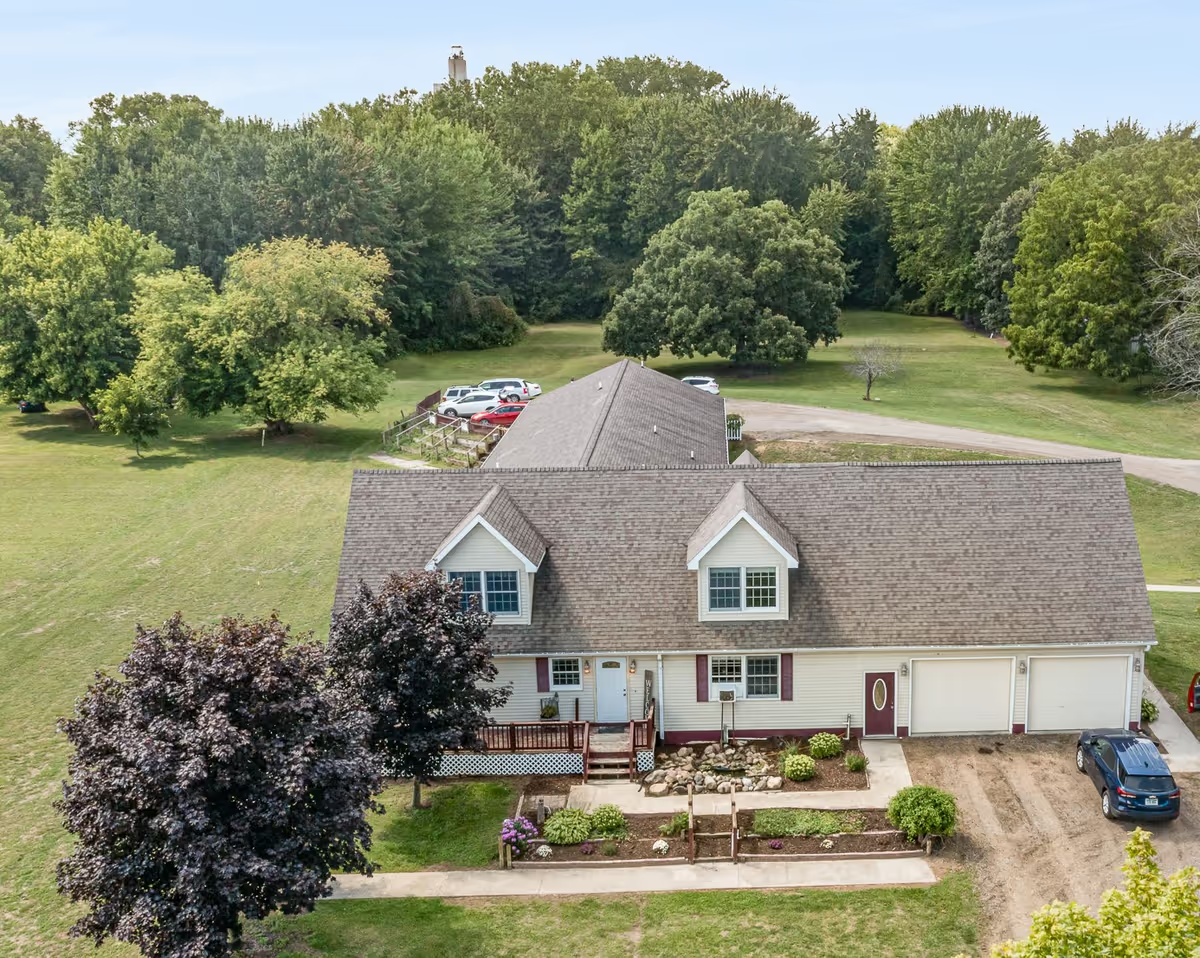
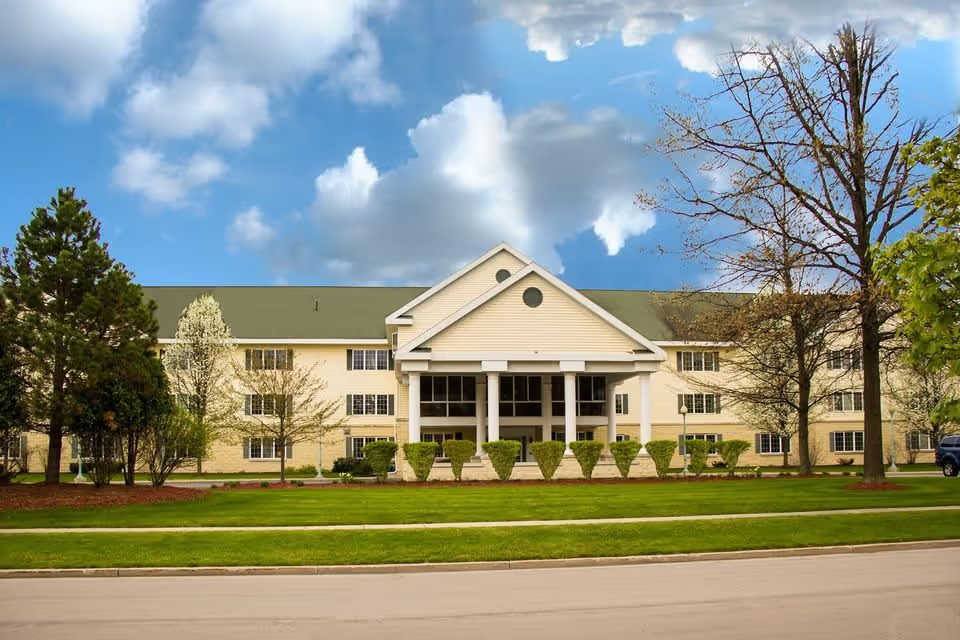
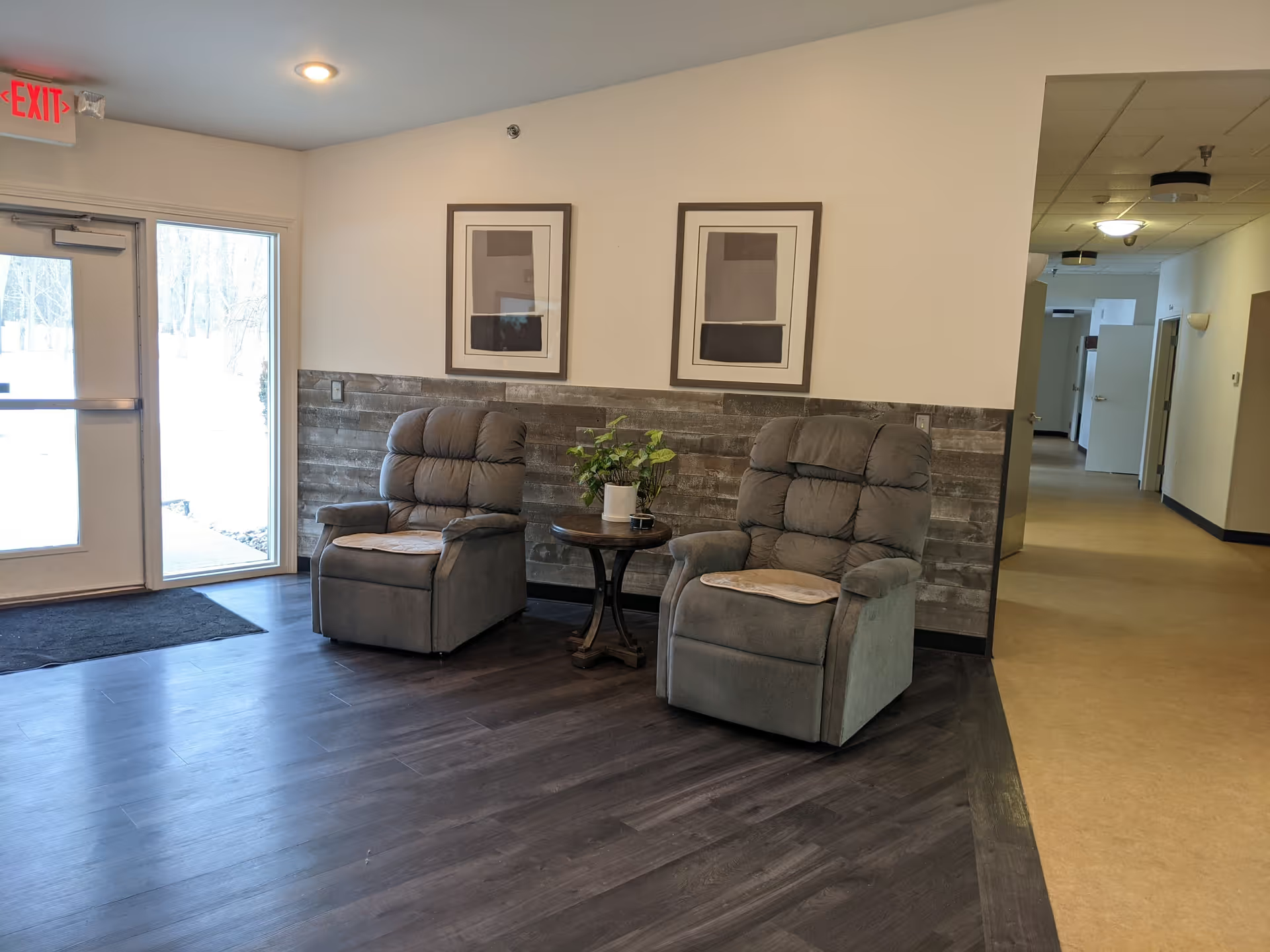
Green Acres of Mt. Pleasant makes a positive first impression in several operational areas: the building and grounds are described as bright, colorful and homelike, with abundant natural light and attractive outdoor spaces. Families commonly mention a smooth move-in experience, friendly front-line staff, practical admission support (including escorted first meals and prompt room setup), and visible nursing involvement. These attributes contribute to a reassuring environment for residents and relatives during the transition period.
Care quality and clinical oversight appear mixed. While some families emphasize daily-care consistency and helpful nursing contact, others raise concerns about medication-management practices and the adequacy of feeding support. There are specific mentions of risk factors related to hydration and insufficient assistance with meals; these indicate a need for clearer hydration-monitoring protocols and consistent feeding support for residents with higher needs. Additionally, reviewers noted gaps in specialized training for dementia and geriatric care that may affect residents with cognitive impairment.
Dining and nutrition are recurring points of division. Positive details include occasional fresh-baked items and a welcoming dining atmosphere, but multiple accounts highlight poor or inconsistent meal quality, limited fresh offerings, absence of a consulting nutritionist, and a lack of diabetic-specific meal options. The dining operation also draws critique for an emphasis on appearance (a café-style space that some view as cosmetic) and restricted access at certain hours, which can affect residents who need food or beverages outside standard service times.
Activities and social programming receive mixed assessments. Several families report increased socialization and that residents acclimate well to the community; others find the activity offerings ineffective or inconsistent. Prospective residents should review the current activity calendar in person and observe participation levels to assess whether programming aligns with individual social and cognitive needs.
Facility upkeep and operational logistics are generally praised for cleanliness and aesthetics, but there are intermittent concerns about basic supply management and maintenance follow-through (for example, availability of toiletries and routine lightbulb replacement). These items suggest occasional lapses in housekeeping or supply-chain processes rather than pervasive sanitation failures.
Management and communication are important areas to probe. There are positive accounts of helpful managers and staff who go above and beyond, but several families described difficulties with internal communication, inconsistent follow-through on promises, and dissatisfaction with escalation routes (including interactions with corporate offices and clarity around contract terms such as notice periods). These patterns point to variability in administrative responsiveness and transparency.
Overall, Green Acres offers a pleasant physical environment and several strong customer-service elements at admission and on the care floor. At the same time, reviewers identify operational weaknesses around medication administration, staff training for dementia care, meal quality and dietary services, hydration and feeding support, and management communication. Families considering Green Acres should schedule a meal-time visit, ask specific questions about medication protocols, dementia training, dietary services (including diabetic accommodations and access to a nutritionist), hydration and feeding supports, staffing ratios, activity engagement metrics, and review the admission contract and escalation procedures before deciding.