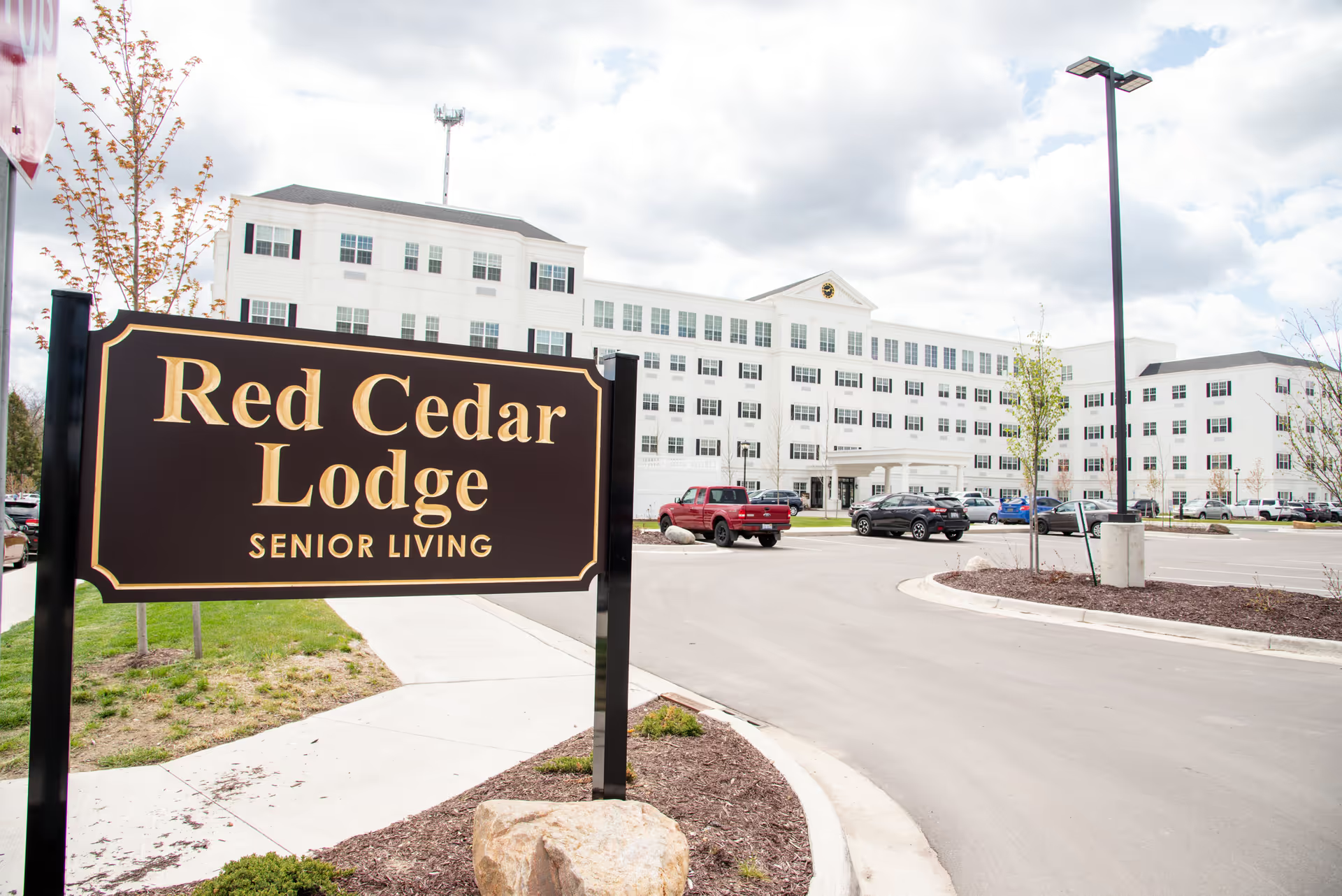
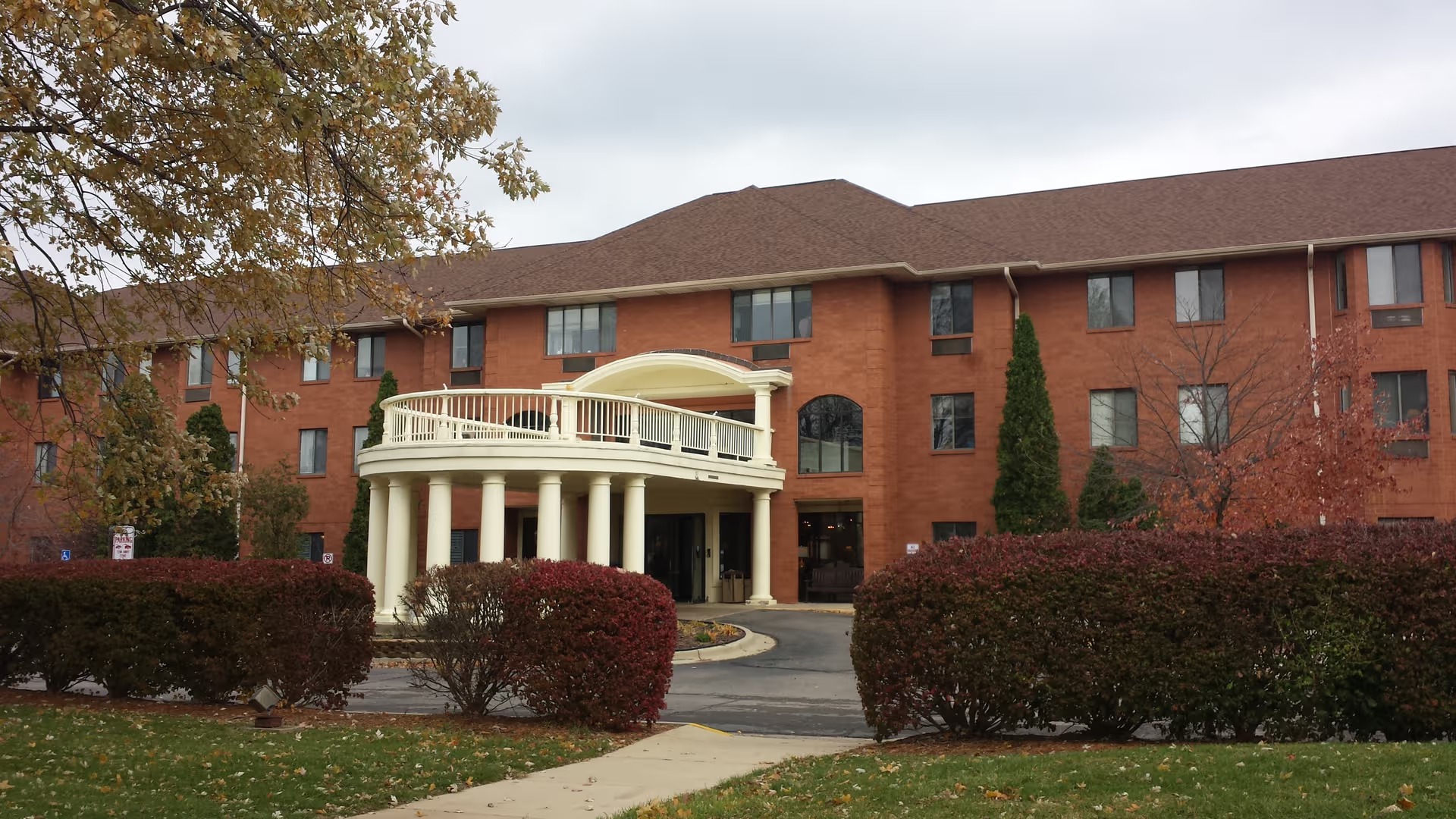
Experiences at The Willows at Okemos vary considerably. Many residents and families describe attentive, kind staff and successful stays in rehabilitation or long-term care, with examples of residents making functional gains and feeling welcomed. Other accounts raise substantial concerns about responsiveness, clinical oversight, and consistency of care. These contrasting experiences suggest that the quality of a stay may depend on the resident’s needs and the consistency of staffing and follow-through.
Staff are a prominent strength in positive accounts: reviewers describe approachable nurses, caring aides, helpful managers, and therapy teams that encourage residents and tailor rehabilitation to their goals. Families also value the friendly atmosphere and the sense of community among residents and staff. In contrast, negative accounts describe delays in answering requests, uneven staff interactions, and difficulty obtaining follow-up. Concerns also include medication coordination, monitoring of changing health needs, and timely escalation when a resident’s condition worsens. One family described a serious clinical deterioration followed by the resident’s death, raising concerns about monitoring and escalation; this is an individual account and is not independently verified here.
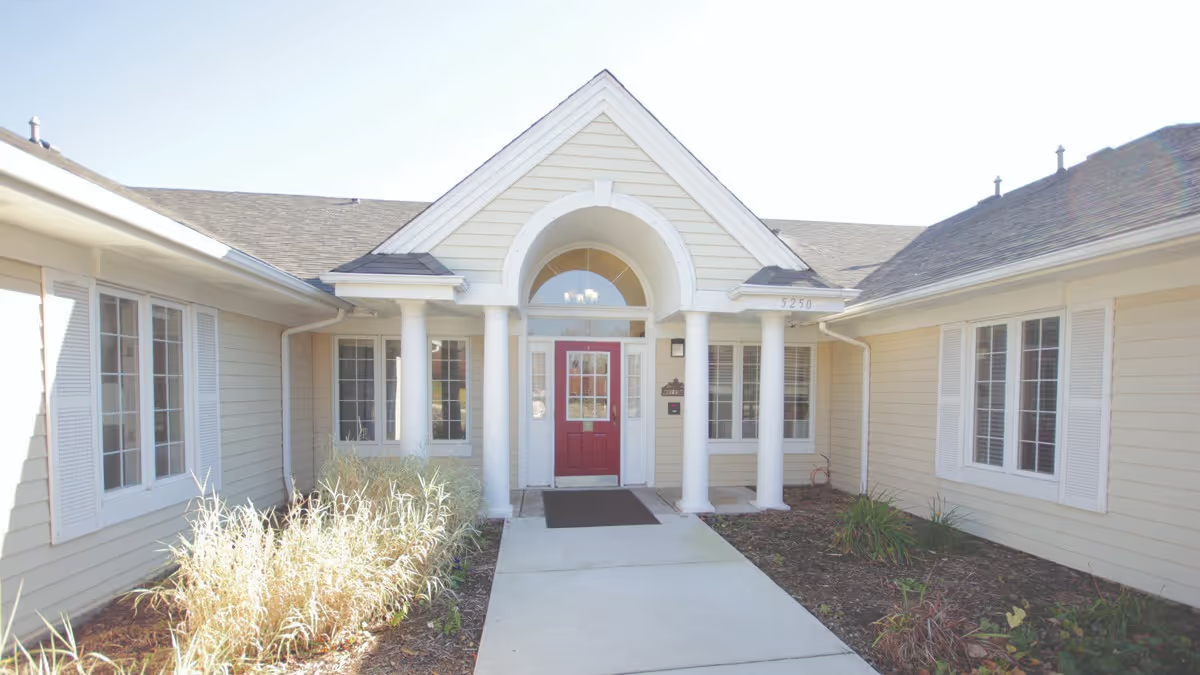
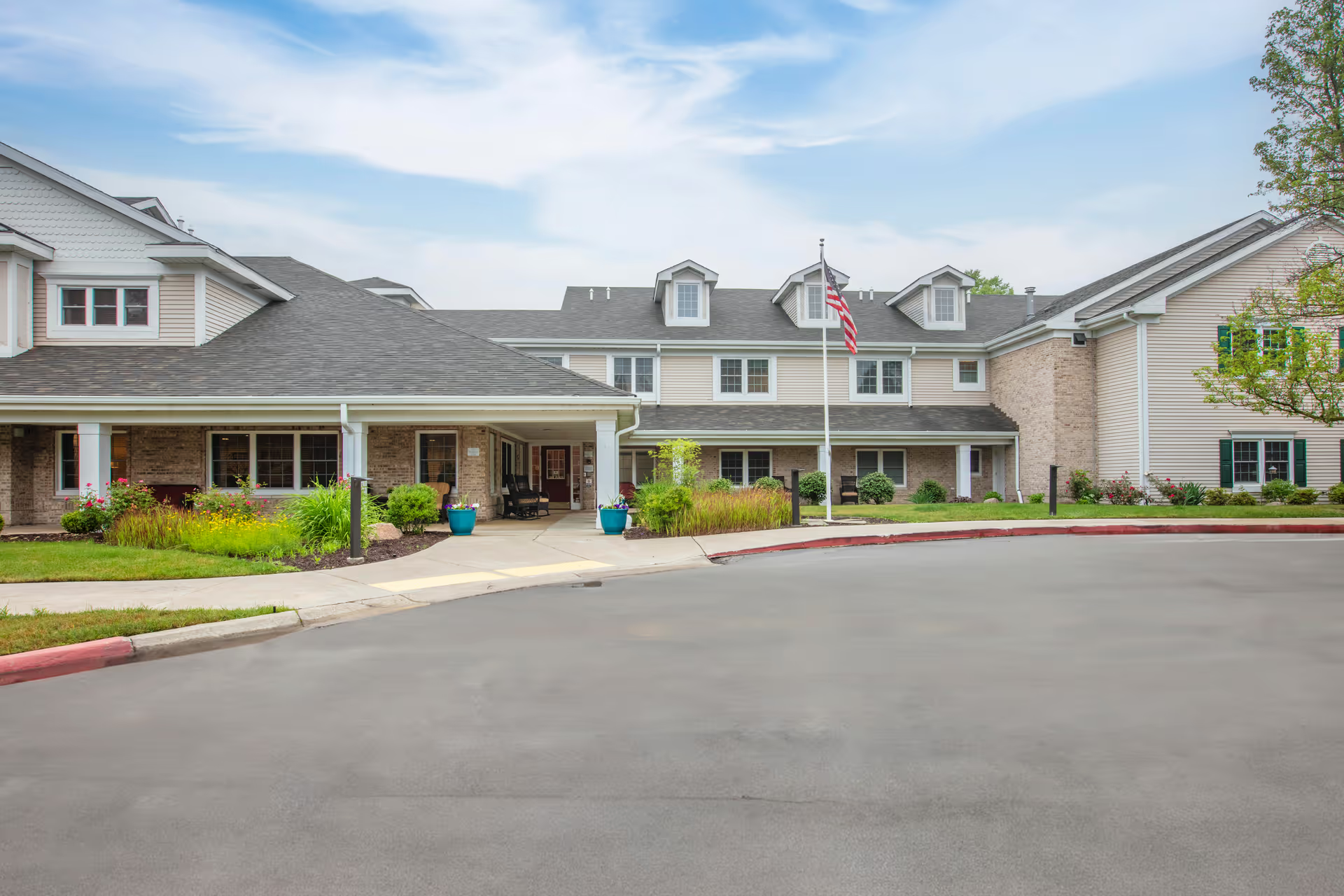
Dining is consistently praised for taste, variety, and presentation. Reviews mention made-to-order breakfast, multiple meal choices, special events, and attentive service at family gatherings. Activities, entertainment, and outings are also described positively, though participation varies by resident. The physical environment is often characterized as attractive, modern, clean, and welcoming, with comfortable common areas and dining spaces. Some accounts, however, cite room-cleanliness and incontinence-care concerns, as well as uncomfortable beds.
Rehabilitation outcomes are a notable positive theme, including reported progress after orthopedic surgery, stroke, and other hospital stays. A smaller set of accounts questions the amount or quality of therapy, pointing to uneven engagement and perceived availability. Discharge planning is another area for attention: one resident praised care during the stay but felt that home readiness and needed services were not adequately coordinated. Physician access and administrative follow-up on a deposit are also raised in individual accounts. Overall, prospective residents and families may wish to ask about staffing coverage, clinical escalation procedures, medication coordination, therapy schedules, discharge planning, and how concerns are addressed, while also considering the facility’s strong feedback on staff warmth, food, activities, and rehabilitation progress.