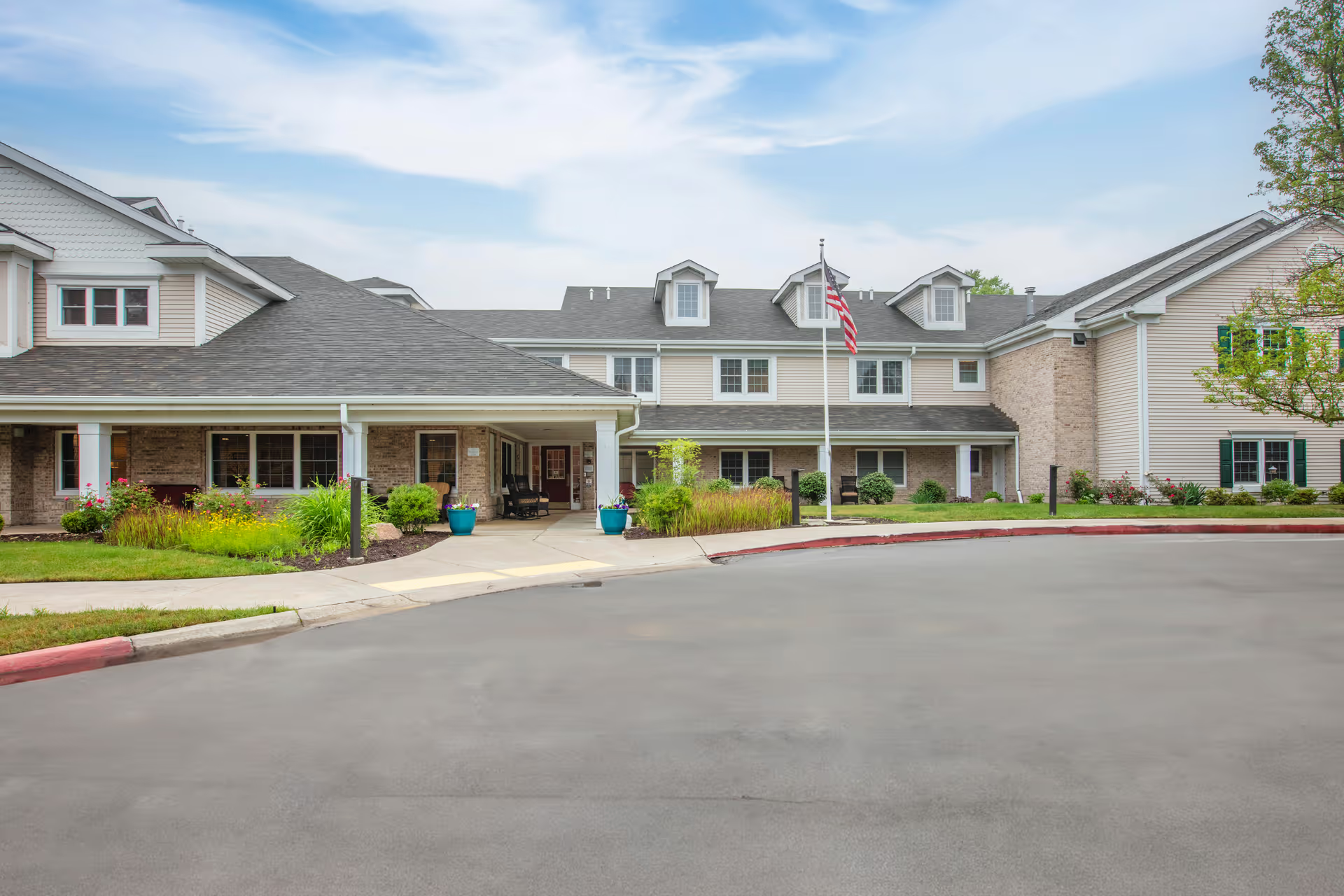
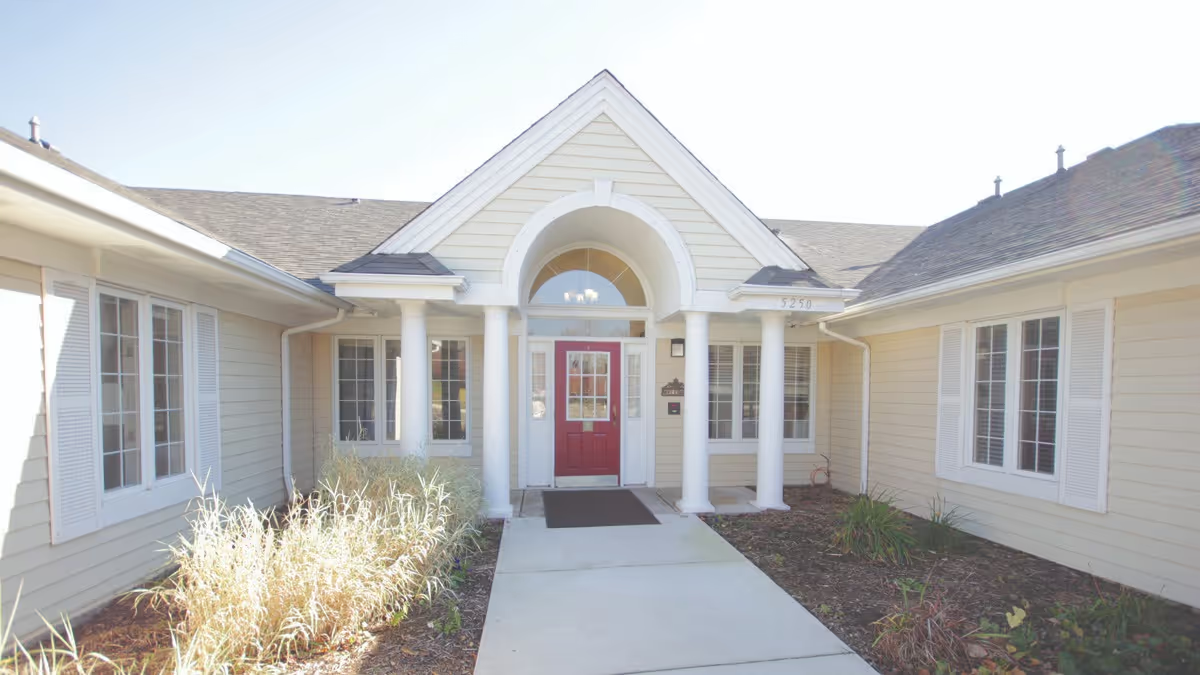
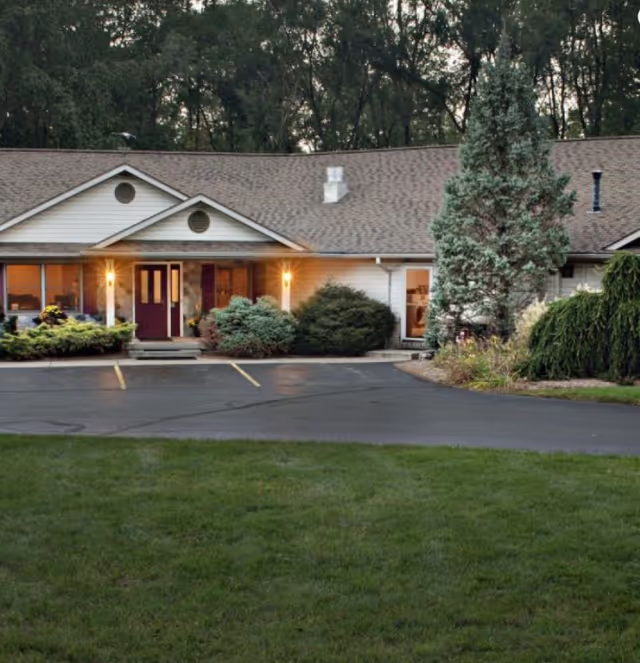
Reviews for this small, six-resident facility present a mixed picture: several reviewers describe a home-like atmosphere, a large common living area with a television, rooms that can be personalized, regular meals, and basic recreational options such as games and puzzles. Those positive elements suggest the facility operates with a small-household model that some families find appealing for individualized attention and a quieter setting.
Care-quality concerns are a recurring theme. Multiple reviewers described lapses in supervision for residents with a propensity to wander and delays in responding to call buttons, indicating inconsistent emergency-response reliability. There are also sanitation concerns tied to meal service and attendant hygiene during dining; these comments suggest variability in dining-room procedures and incontinence-care practices that warrant direct inquiry by prospective families.
Staff performance is described in polar terms. Some comments praise staff for friendly interactions and individual attention, while others document concerns about conduct, communication tone, and interpersonal dynamics. There are allegations of staff entering resident rooms and removing personal property; these claims point to weaknesses in resident-privacy protocols and property safeguards. Related comments suggest gaps in staff training and supervisory oversight that may contribute to inconsistent behavior.
Dining and activities appear uneven. While the facility provides regular meals and modest recreational options (puzzles, simple games), several reviewers characterize the menu quality as inconsistent and not satisfactory for all residents. Activity programming is described as limited rather than highly engaging, which may suit residents who prefer low stimulation but could be insufficient for those seeking more structured social programming.
Facility and safety issues are also noted. The small size and large shared living area are positives for some, but reviewers raised concerns about physical-security controls (for example, door management) and support-area maintenance, including the laundry area. These observations indicate potential maintenance and safety gaps in non-clinical areas that can affect daily comfort and risk mitigation.
Finally, there are references to regulatory attention and legal complaints. The presence of such issues in reviews suggests prospective families should obtain up-to-date information about any investigations, outcomes, and corrective actions. Before deciding, visitors should ask management about staffing ratios, staff training programs and supervision, call-response times, privacy and property policies, dining procedures and menu samples, activity schedules, and the facility's most recent inspection or complaint history. Observing a mealtime, checking common-area cleanliness, and speaking with current families can help clarify whether the facility's positive features are consistent and whether the operational weaknesses have been addressed.