Overall impression: Reviews portray The Oaks at Belmont as a newly built, well-appointed senior living campus with many strengths in dining, therapy, and resident engagement, alongside notable operational inconsistencies. Positive descriptions emphasize a clean, bright facility with attractive decor, a restaurant-quality dining program, and an active social calendar that includes regular live music, happy hours, outings, and a variety of classes. Therapy services (PT/OT/SAR) and rehabilitation are frequently cited as effective and attentive, and many families praise individual caregivers, nursing staff, social workers, and supportive transition assistance.
Care and staff: The facility receives strong praise for compassionate frontline caregivers and clinically skilled therapy teams. Many reviewers describe RNs, CNAs, and therapists as knowledgeable, attentive, and personally engaged with residents. At the same time, there is a recurring pattern of inconsistent care related to staffing levels and shift variability: reviewers report long call-response times, occasional delays attending to resident needs, and uneven performance across different nursing shifts. There are also repeated concerns about medication-management practices; these are framed by some reviewers as clinical-management weaknesses that warrant direct inquiry during a tour or intake discussion. Communication from staff is praised in many accounts, particularly social-work involvement, but other accounts describe unprofessional or dismissive interactions from specific managers or directors and inconsistent family updates.
Dining and activities: Dining is a clear strength in many reviews—menu variety, presentation, and staff attentiveness are frequently noted, and the dining room is described as a social focal point. Activities programming is another strong area overall, with daily classes, outings, and social events that support engagement and socialization. That said, a subset of reviewers found activity offerings limited in certain care areas, citing repetitive options (for example, predominance of bingo) and a desire for a broader arts-and-crafts or specialized memory-care programming.
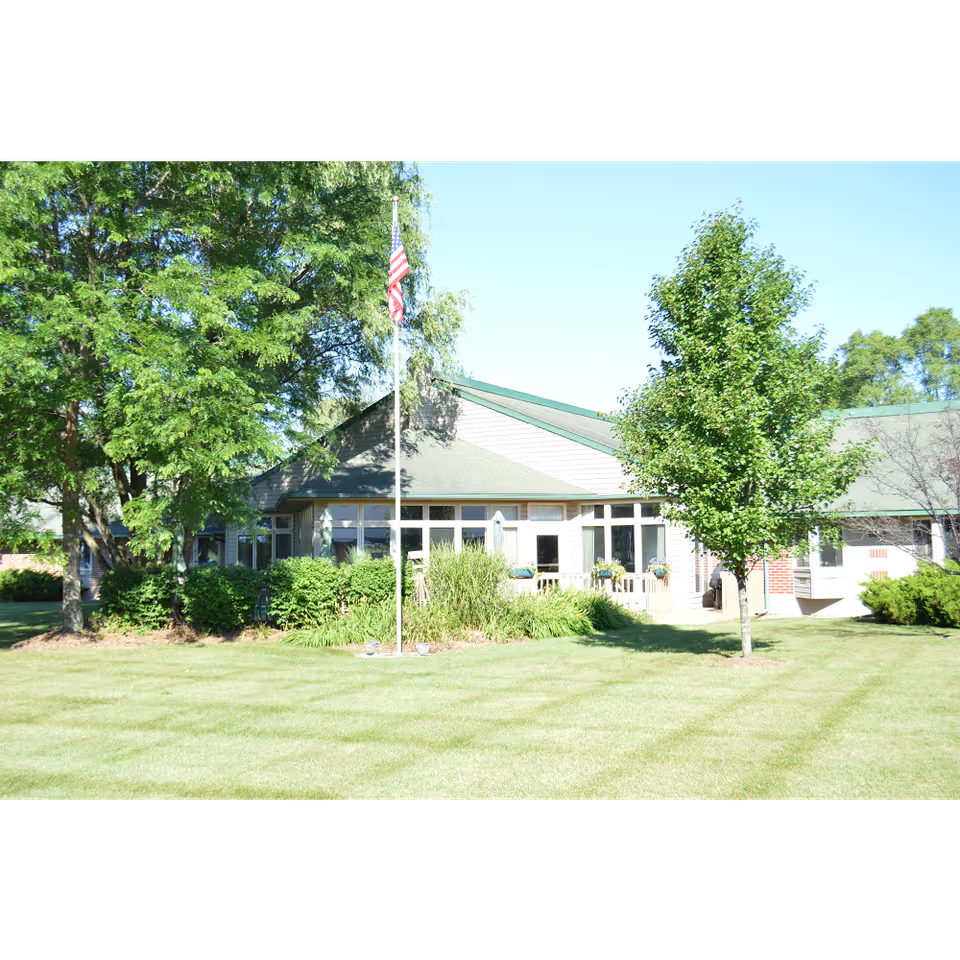
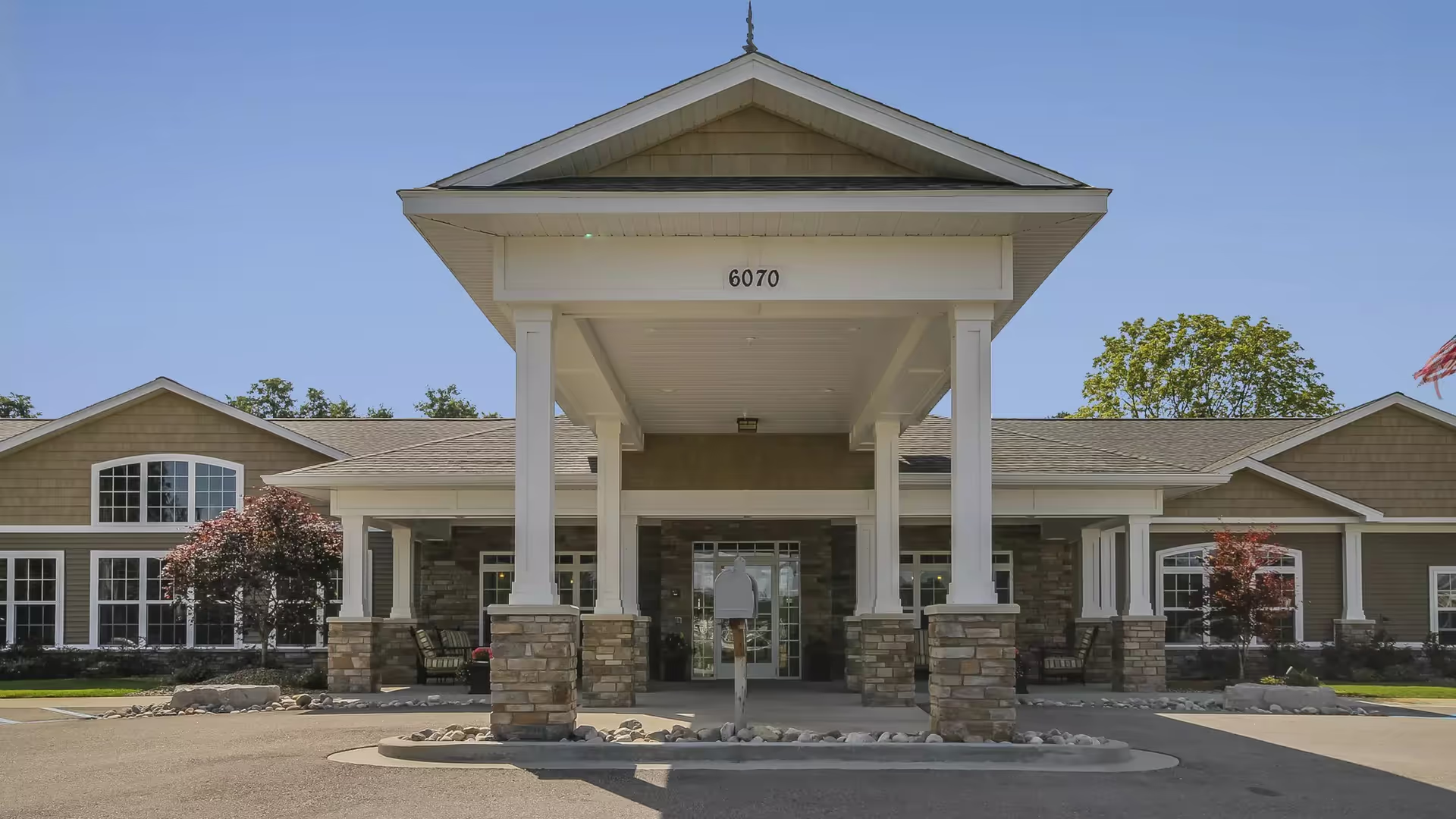
Facilities and management: The campus is generally described as new, well-maintained, and attractive. Housekeeping and maintenance receive positive mentions for responsiveness. However, management-related concerns recur: inconsistent professionalism from some administrative staff, communication gaps during clinical incidents, and billing or personal-property handling issues. A small number of serious individual complaints include legal action and concerns following a resident’s death; these accounts underline the importance of asking prospective providers about incident-reporting practices, family-notification protocols, and how clinical escalations are handled. Pricing is perceived as high by some families, and reviewers recommend clarifying included services and extra charges up front.
Notable patterns and guidance: The profile of The Oaks at Belmont is mixed — strong on environment, dining, therapy, and many frontline caregivers, but with facility-level weaknesses in staffing consistency, certain clinical practices, management communication, and occasional sanitation or property-handling lapses. Prospective residents and families should tour multiple unit types, speak to nursing leadership about staffing ratios and medication protocols, request examples of incident-response and family-communication procedures, review billing and property-handling policies, and observe activity offerings relevant to their care needs. These targeted questions will help determine whether the facility’s operational practices align with a family’s expectations for consistent clinical oversight and communication.