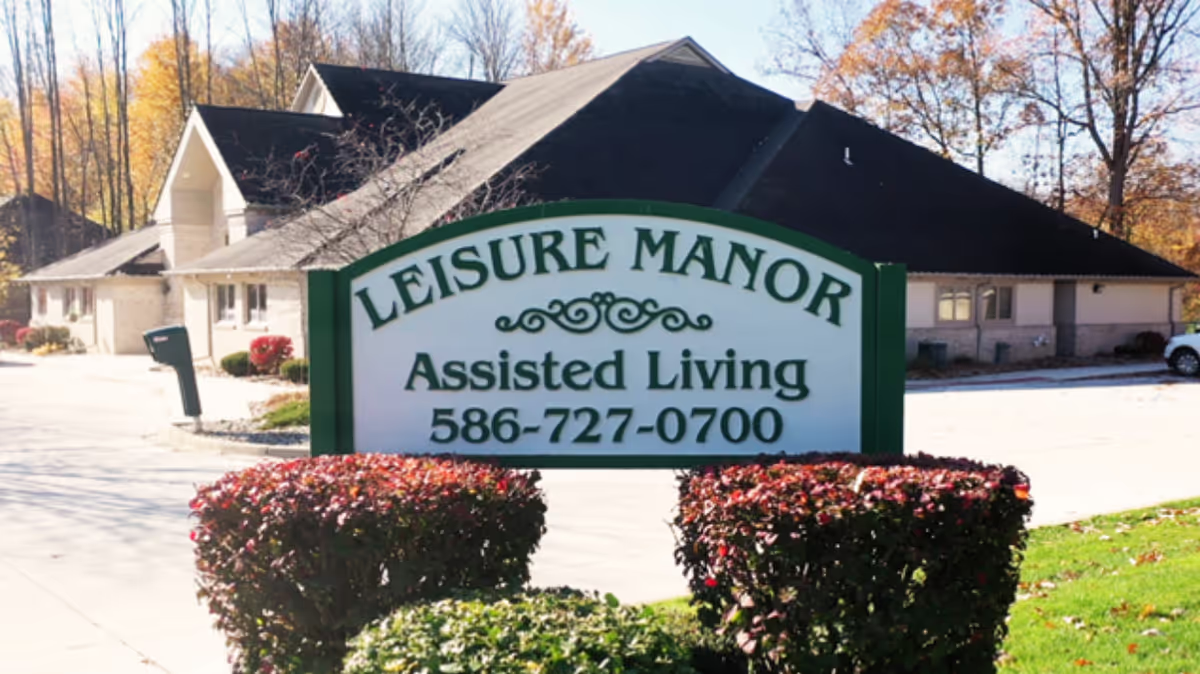
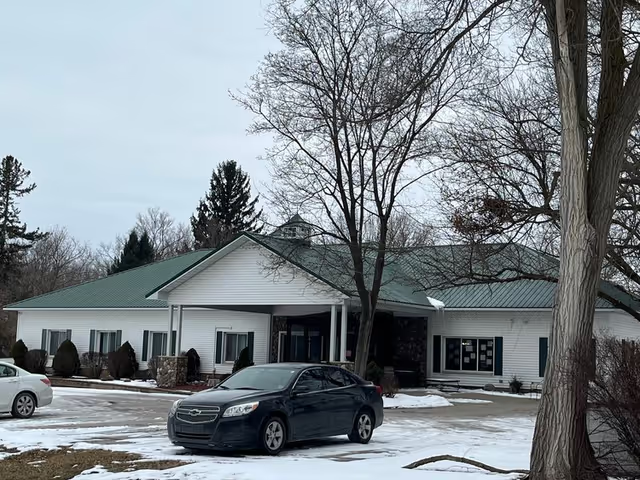
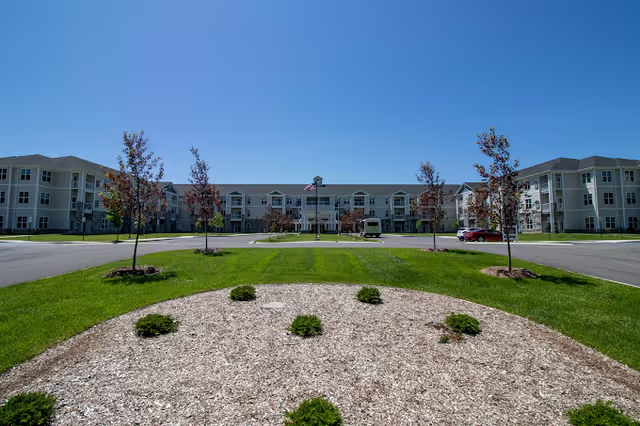
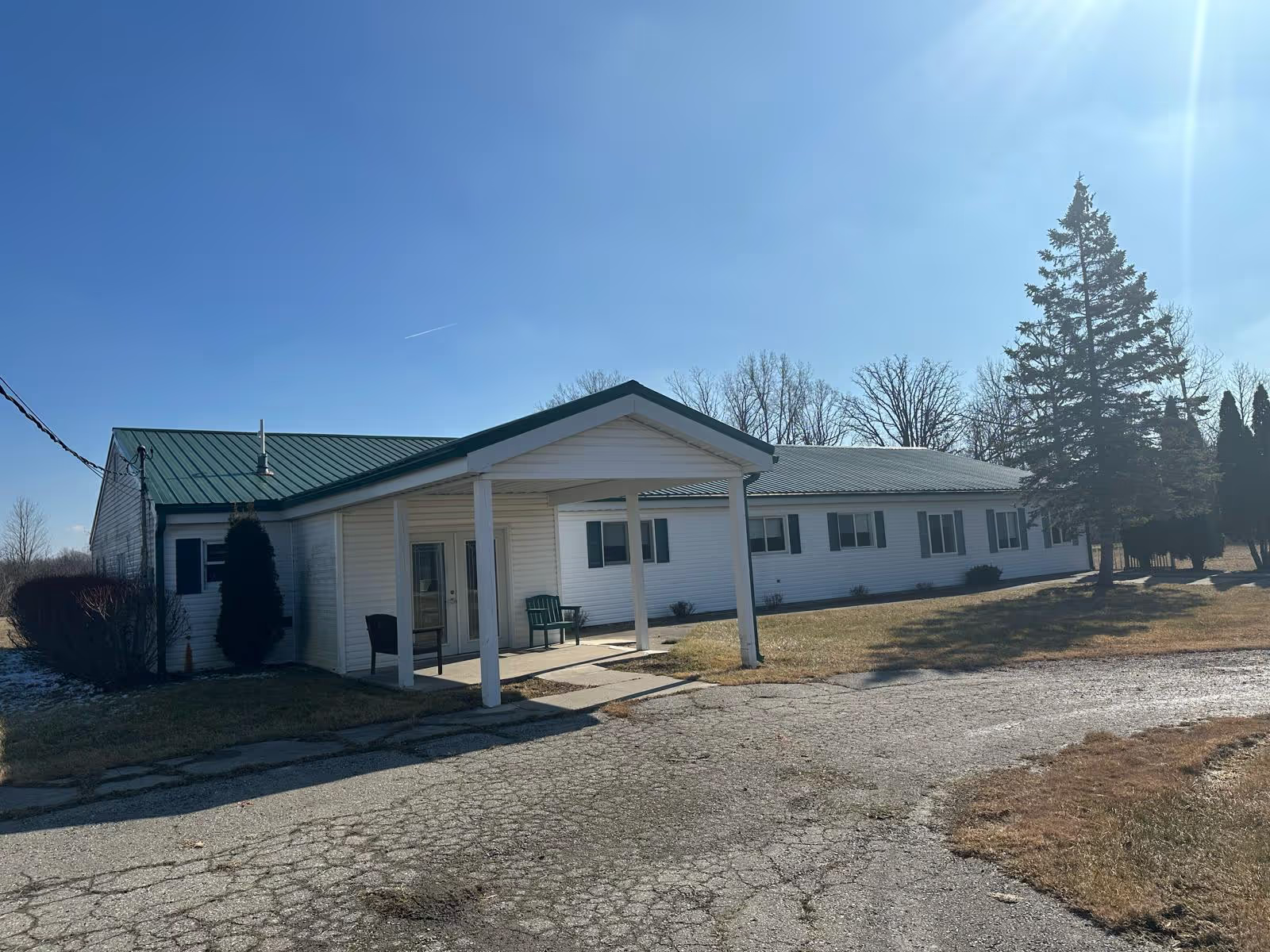
The reviews for this facility present a polarized picture: many families and patients describe high-quality rehabilitation, compassionate bedside care, and a clean, well-appointed environment, while others report operational lapses that affect day-to-day resident experience. Strengths that recur across positive comments include an effective PT/OT program with measurable recovery outcomes, attentive CNAs and some nurses who provide respectful, family-centered care, and a campus that is new or recently refreshed with comfortable rooms, attractive common areas, and useful on-site amenities.
Care and staffing present the clearest mixed pattern. Several reviewers praise individual caregivers, therapists, and discharge planners who advocate effectively for residents and coordinate with hospitals and insurers. At the same time, a substantial number of accounts describe inconsistent staffing levels, particularly on certain shifts, which reviewers link to long waits for assistance, missed or delayed personal-care tasks (bathing and toileting), and uneven medication administration. These operational weaknesses manifest as delays in responding to call lights, inconsistent medication timing, and instances where supplies for wound or continence care were unavailable.
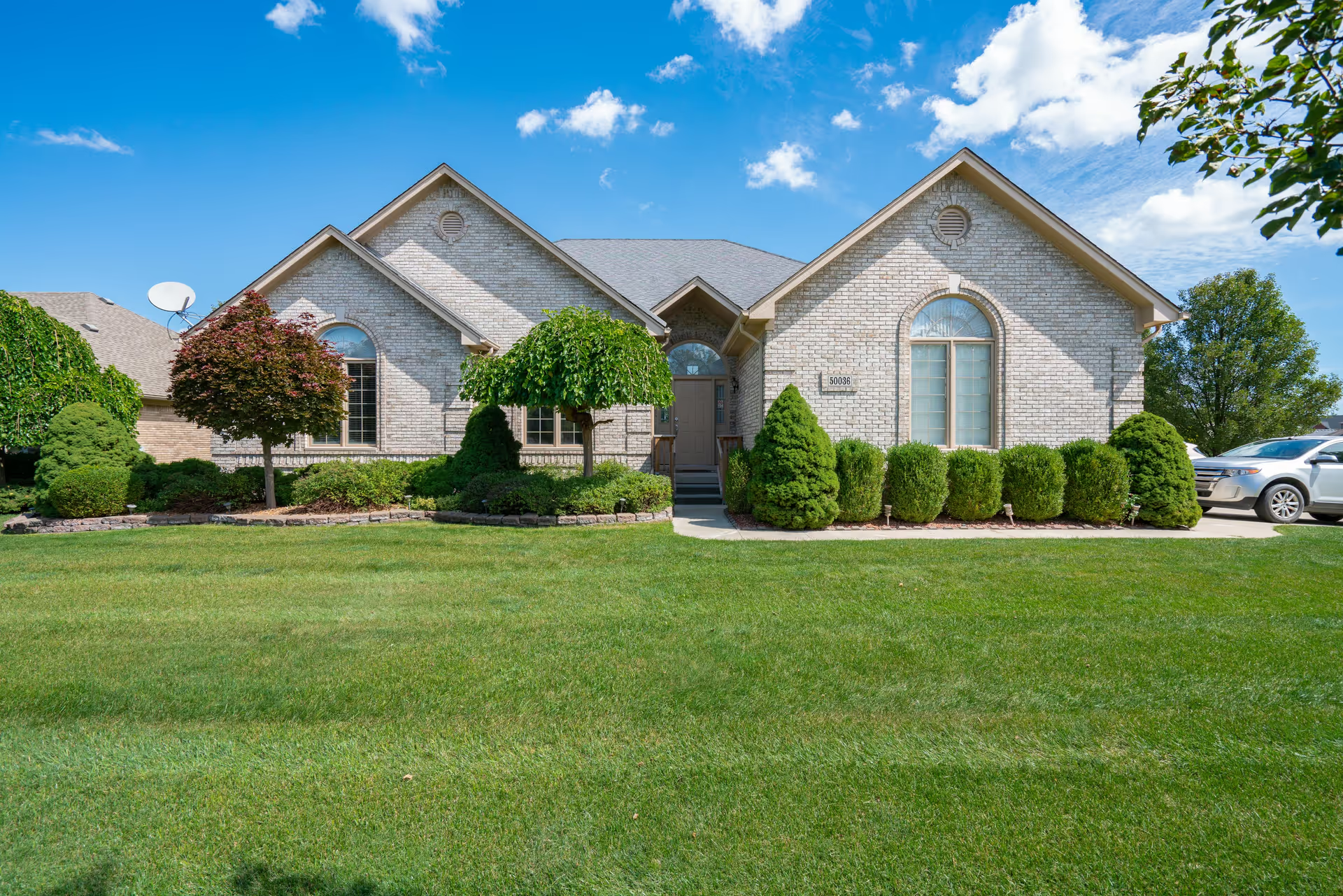
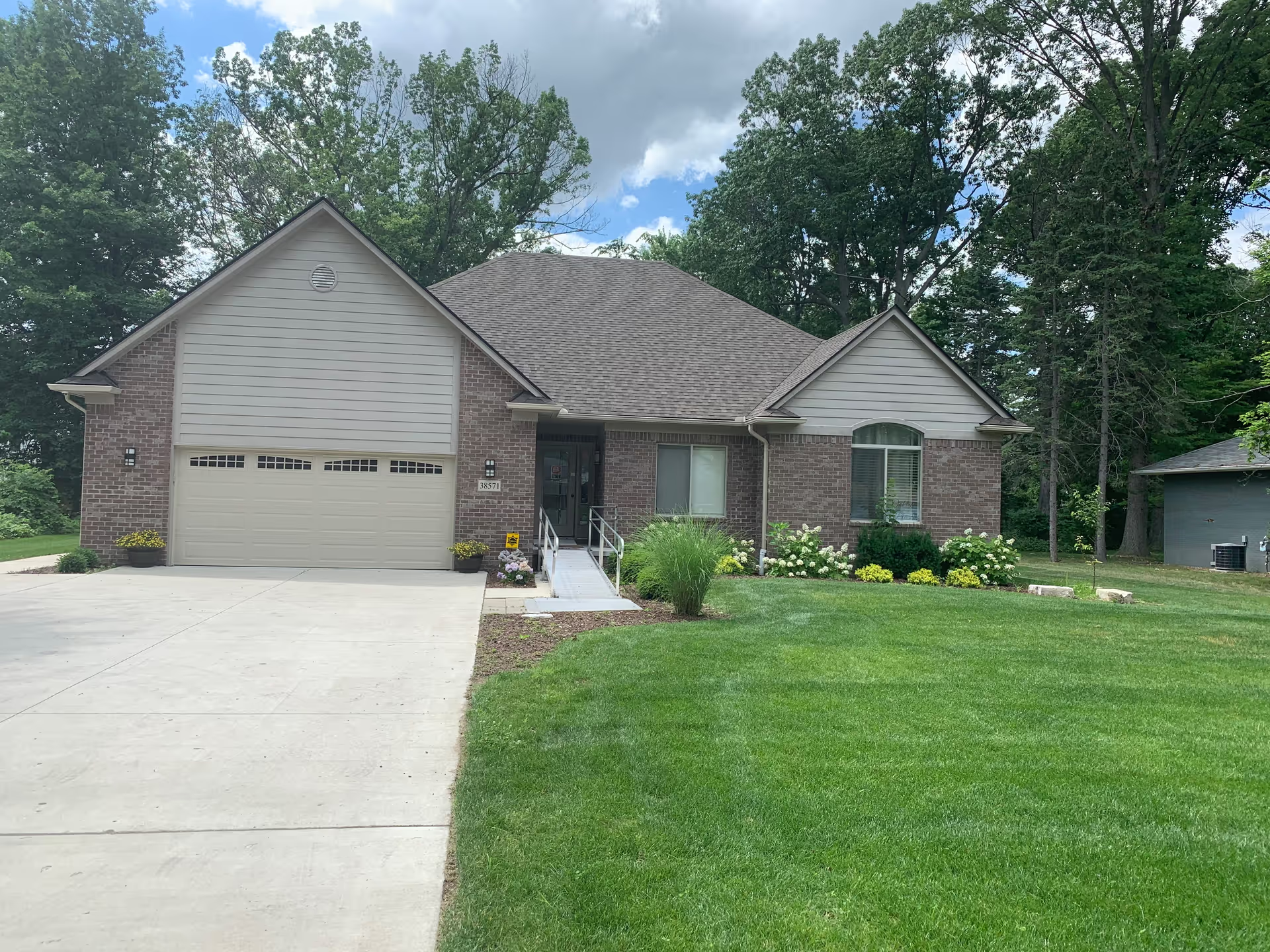
Dining and nutrition services also show variability. Some families enjoyed dining events and found meals satisfactory, whereas others reported poor meal quality, incorrect substitutions, and interruptions to meal-service continuity. Activities programming is frequently cited as a positive feature: there are regular events, entertainment, and engagement opportunities that contribute to a family-like atmosphere for many residents. Facilities and grounds consistently receive favorable remarks for cleanliness, modern design, comfortable gathering rooms, and pleasant outdoor views.
Management and communication emerge as another area of divergence. Several reviews commend individual administrators and staff for transparent, proactive communication and for going above and beyond; however, other reviews describe variable leadership decisions, perceived cost-saving measures affecting meals and staffing, and lapses in follow-through on insurance and discharge paperwork. A few reviewers referenced serious clinical concerns and raised issues following infection-control events and adverse outcomes; these comments underscore the importance of clear incident response protocols and family communication practices.
Notable operational patterns for prospective residents and families to probe include staffing ratios and typical response times, medication-administration controls, availability of necessary supplies for wound and continence care, policies for resident property management, and the facility's processes for clinical incident notification and insurance/discharge coordination. A site tour that includes discussions with therapy leadership, nursing management, and the discharge planner—along with direct observation of mealtimes and activity periods—would help clarify whether the facility's strengths align with an individual resident's care needs.