Bellaire Senior Living elicits a mixed but clear pattern of strengths and operational weaknesses. Many families and visitors emphasize the staff as the facility's primary strength: caregivers, aides, and administrative personnel are frequently described as warm, compassionate, and family‑oriented. Reviewers highlight a small-community feel, personalized attention, and owners or directors who are often visible and engaged. The facility offers private apartment options that residents may personalize, regular housekeeping, optional laundry services, on-site clinical services including medication management and weekly physician visits, and 24/7 care with a secured dementia-care unit. Maintenance responsiveness and specific staff members receive positive mention, and the community runs a steady calendar of social events and family-oriented activities that several families find meaningful.
Care quality shows notable variability. Many accounts praise attentive day-to-day care, effective medication administration, and good short‑term rehabilitation services. At the same time, multiple reviewers describe lapses tied to staffing — delays in responding to needs, inexperienced personnel on some shifts, and times when the level of supervision on the dementia floor fell short of expectations. There are also isolated but serious clinical concerns described by families (for example, contested diagnoses and subsequent hospitalizations). Taken together, the pattern suggests that clinical oversight and consistency of care can fluctuate by shift and over time; families seeking steady clinical continuity should probe staffing ratios, supervision practices, and on-call physician coverage.
Dining and activities are another mixed area. Many residents and guests praise the dining room, accommodating meal substitutions, and regular menus; food quality is a strong positive for numerous reviewers. Conversely, other accounts characterize meals as limited in variety or “institutional” at times, and several families wished for more stimulating or accessible programming for certain residents. Activity offerings and social events are present and appreciated by many, but availability and relevance of activities to individual residents — particularly those on the memory-care unit — appear inconsistent.
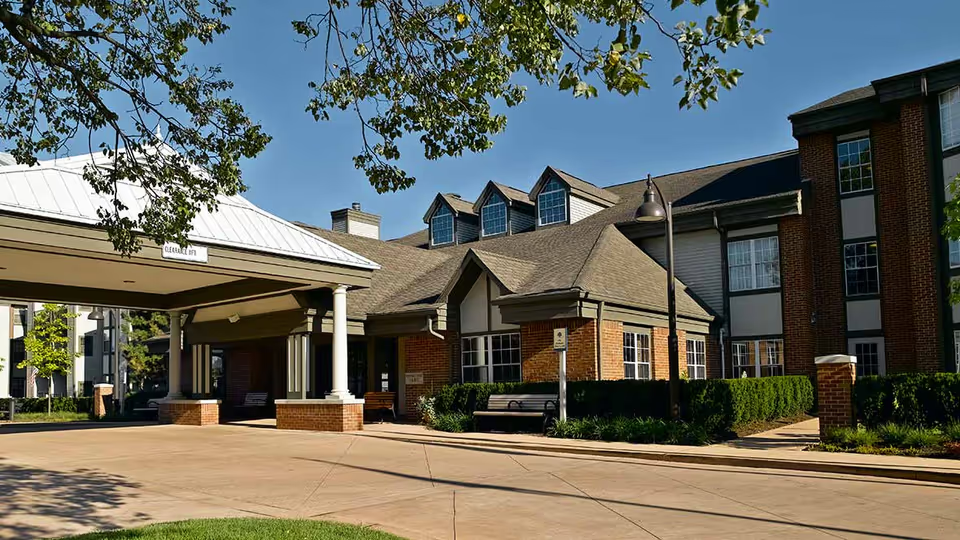
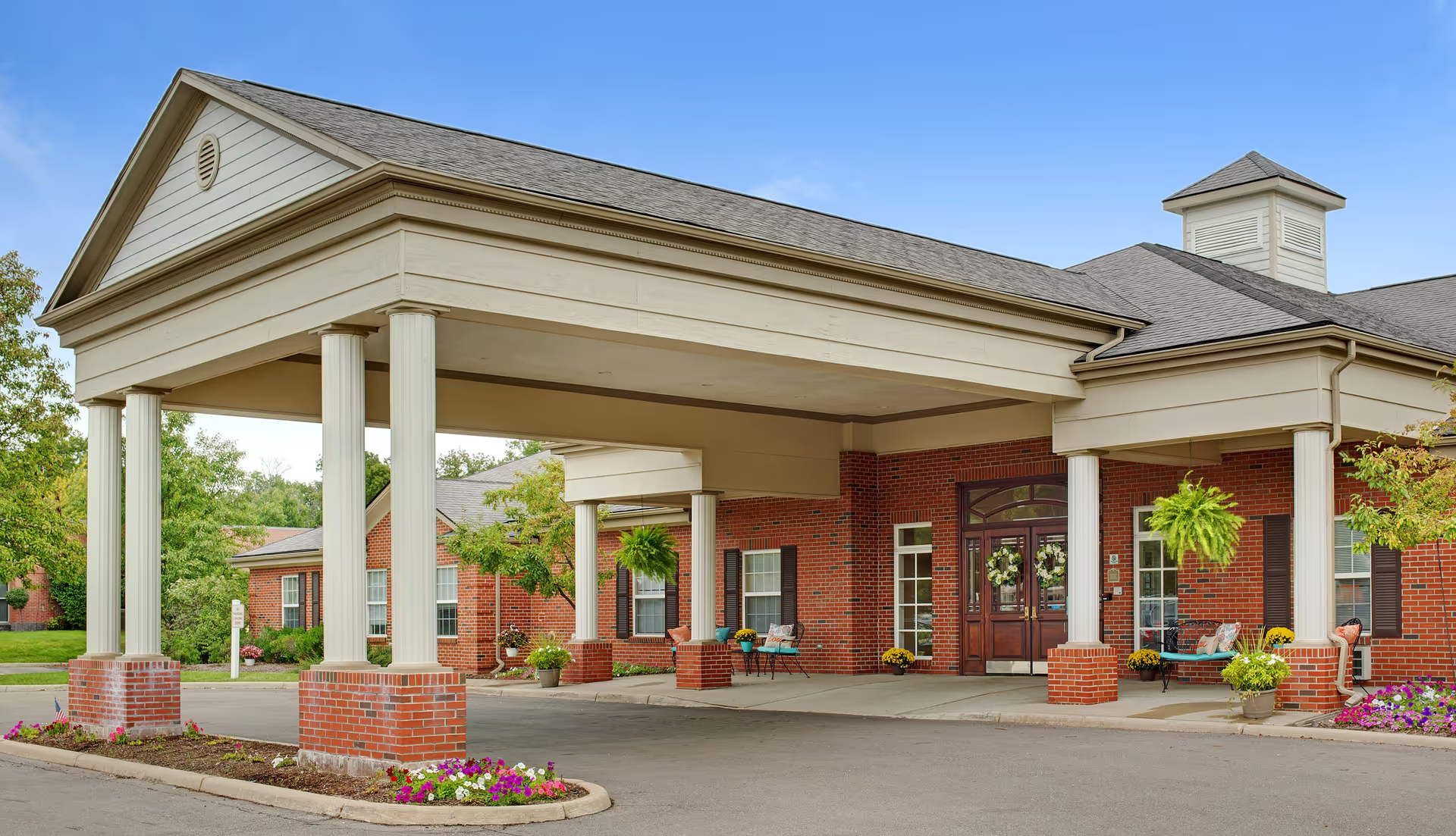
Facility condition and amenities show both upgrades and deficits. Common areas are often described as clean, updated, and welcoming, and some apartments have been renovated with modern finishes. However, reviews also identify odor concerns in a subset of apartments and hallways, aging units with nonworking stoves or dated fixtures, and climate controls that are difficult for residents to operate. The memory-care environment is secure, but some families noted limited communal space for those residents to socialize. Neighborhood context (industrial feel for some) and limited transportation to external appointments were also noted as practical limitations.
Administrative and management patterns warrant scrutiny during tours. Positive experiences include prompt, personable administrative responses and proactive family communication. Negative themes include confusion over billing, perceived double charges or add-on fees, occasional poor complaint handling, and a sales-oriented touring experience described as rushed or high-pressure by some visitors. There are also serious single‑case allegations of theft and financial misconduct that merit direct inquiry and verification during any evaluation. Prospective residents and families should ask about fee breakdowns, billing practices, incident reporting, and safeguards for resident property and medication.
Overall, Bellaire Senior Living presents as a small, community-focused residence with notable strengths in staff engagement, family communication, and value-based pricing. At the same time, variability in staffing consistency, clinical oversight, unit maintenance, dining uniformity, and administrative transparency are recurrent themes. Families considering Bellaire should prioritize an in-person assessment of staffing patterns across shifts, review the contract and fee schedule closely, observe dining and activity sessions, inspect specific apartments for maintenance and odor issues, and ask for documentation of clinical oversight protocols and security measures for resident belongings.