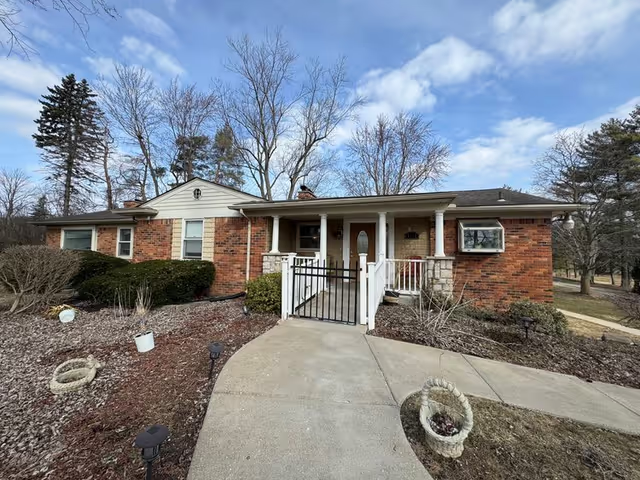
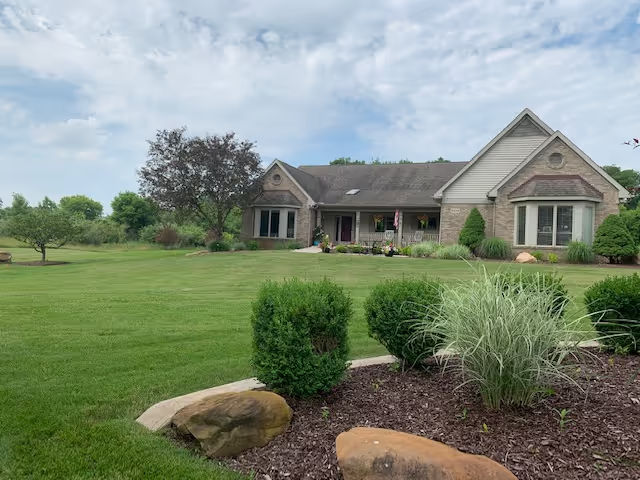
Barrett Regency appears to be a small, residential six-bed facility with a care model that emphasizes close, personalized attention. Many reviewers describe a high caregiver-to-resident ratio, 24/7 on-site clinical presence, and direct access to owners and an RN-manager; these elements support individualized care plans, hydration and medication monitoring, dementia-aware approaches, and mobility-support interventions. The setting is frequently characterized as home-like, warm, and intimate, with caregivers preparing homemade meals and attending to nutrition in a hands-on way.
Staff and management involvement are central to the facility's identity. Several accounts highlight active owner and RN leadership, named caregivers who advocate for residents, and staff who provide one-on-one assistance that can lead to improvements in mobility and day-to-day quality of life. At the same time, there is a clear pattern of variable experiences: some families praise attentiveness, dignity of care, and excellent communication, while others report unhelpful or brusque interactions, unanswered calls, and limited visibility into residents' private rooms. These contrasting accounts suggest inconsistency in staff conduct and in how management handles family communication and access.
Dining and daily routines are commonly described positively. Reviewers note homemade meals, individualized nutrition plans, and a holistic approach to diet. The domestic scale of the home means meals are often prepared by caregivers and presented in a communal, kitchen-table atmosphere. Activities are less frequently detailed, but reports of mobility improvement and personalized attention indicate some restorative or activity-focused supports are provided within the home environment.
Facility and safety measures include a generally clean, well-maintained interior and fall-prevention equipment. Several families noted that medical care is often managed in-house, reducing external medical trips. However, a subset of reviewers raised concerns about incontinence-care and odor-management practices, which point to lapses in sanitation or toileting support in certain cases. These issues, coupled with allegations of variable hiring or oversight, suggest potential gaps in consistent implementation of care protocols.
Notable patterns: experiences appear polarized—many families express high satisfaction and gratitude for compassionate, individualized care, while a smaller but notable set of families describe serious communication breakdowns, conduct concerns, and constrained transparency. For prospective residents and families, it would be prudent to tour the home, request specifics about staffing schedules and oversight, review hygiene and incontinence protocols, ask how family access and room visibility are handled, and clarify grievance and oversight procedures. Comparing Barrett Regency directly with other small residential options and verifying RN availability, hiring practices, and quality-control measures will help assess whether the facility’s strengths align with a particular resident’s needs and expectations.