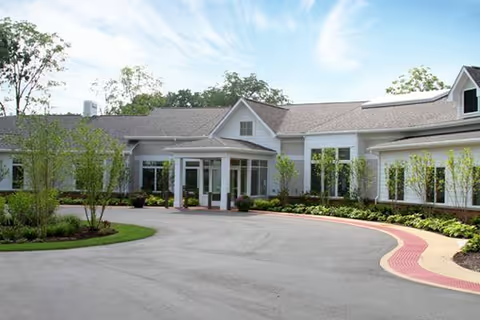
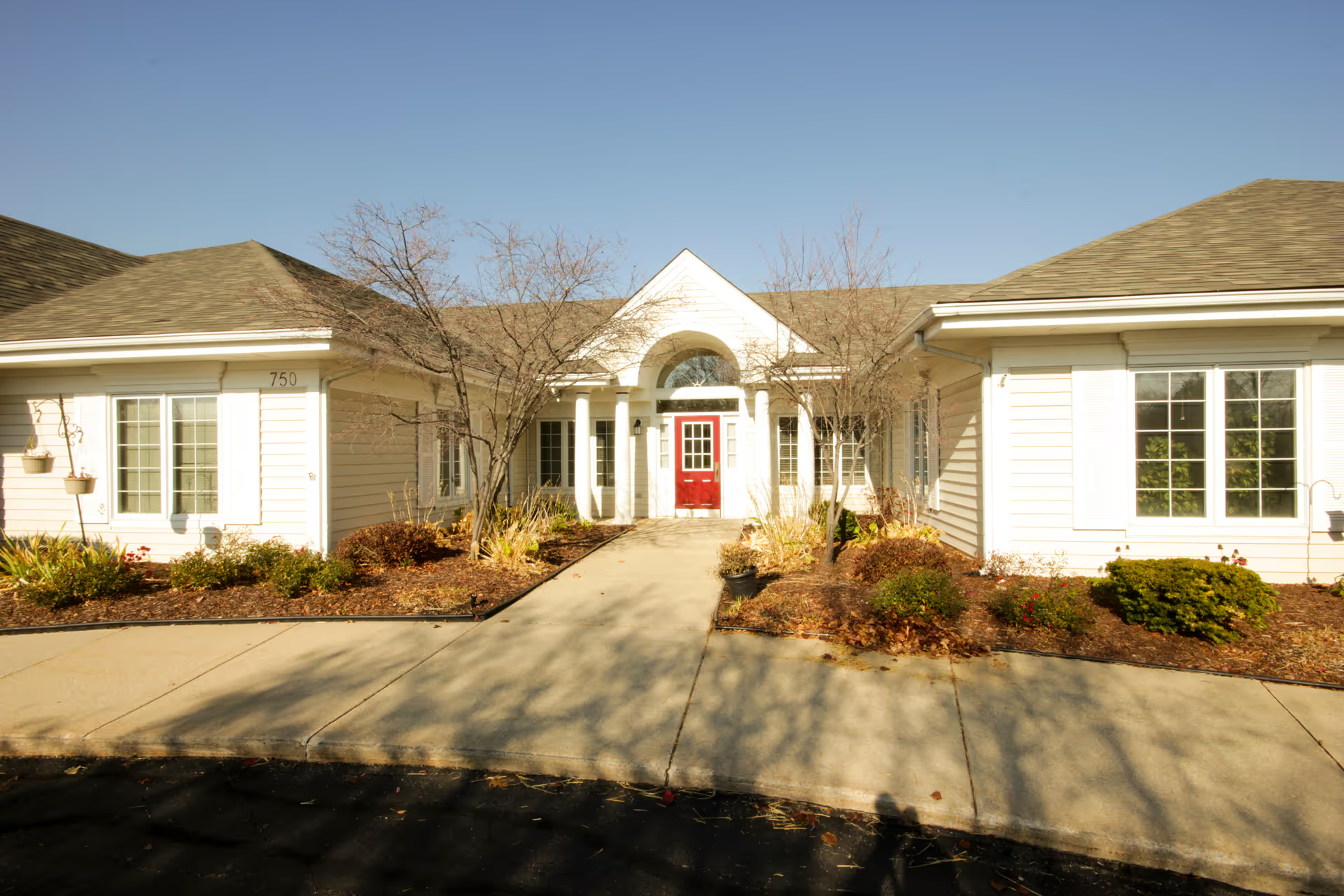
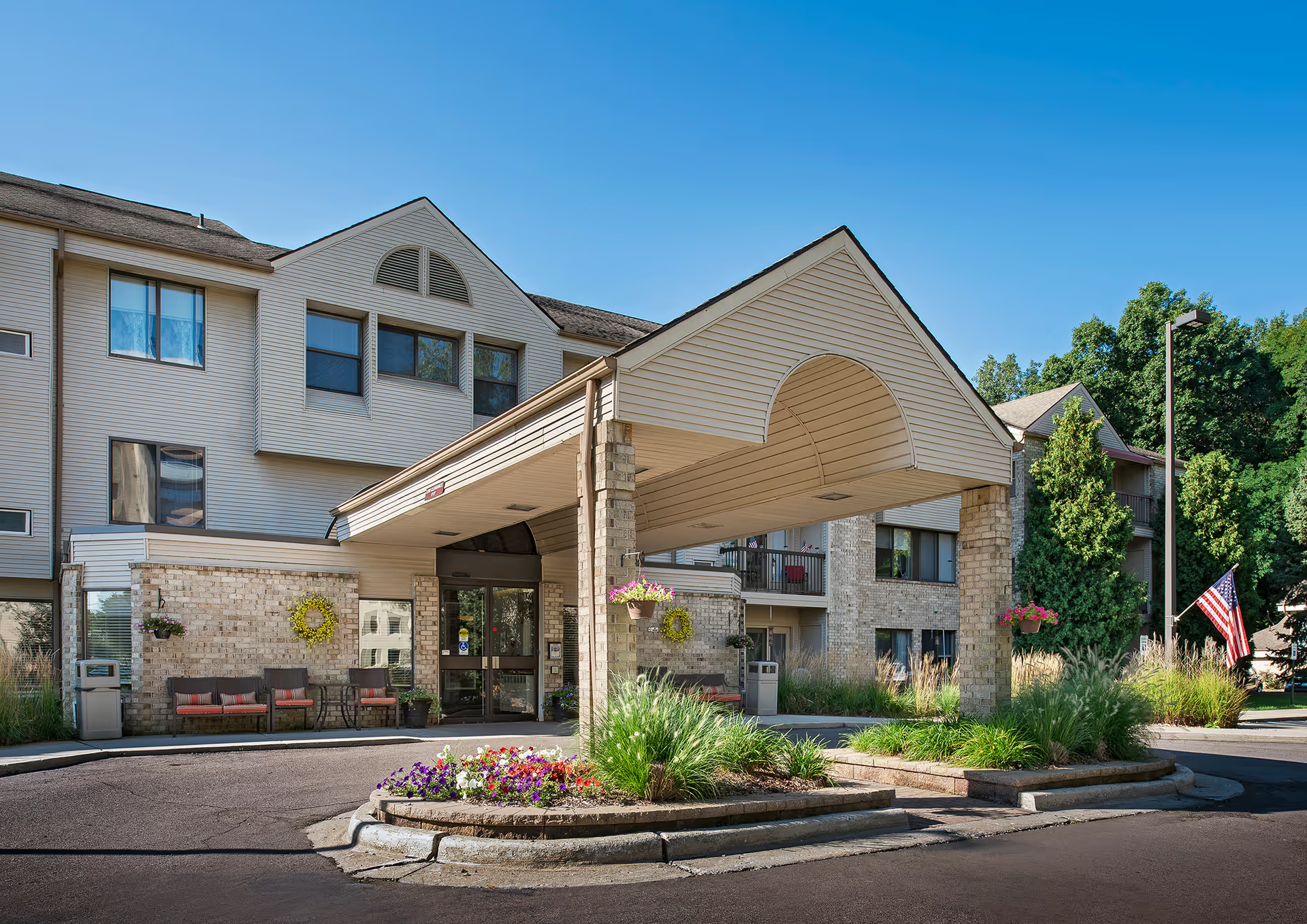
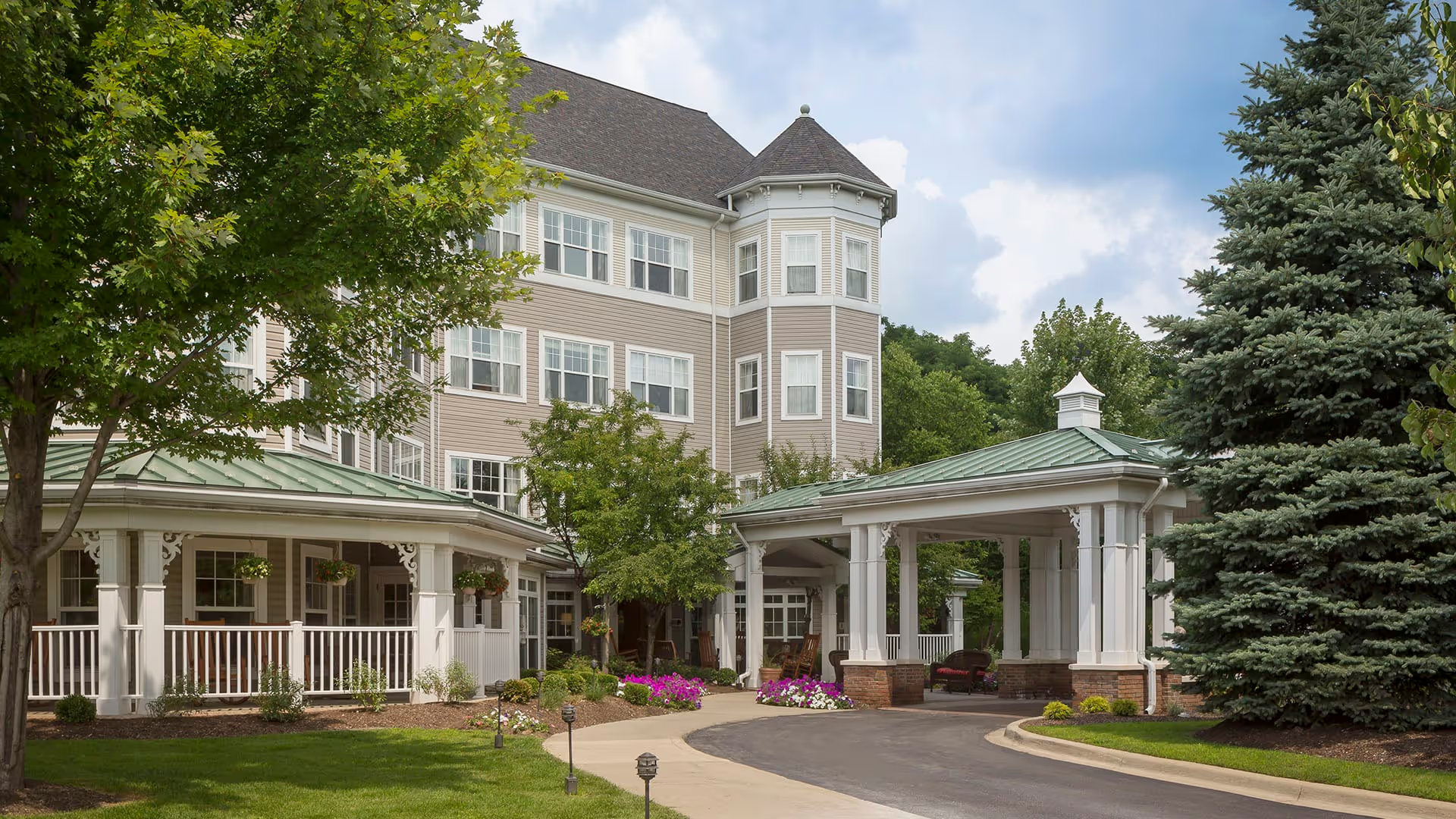
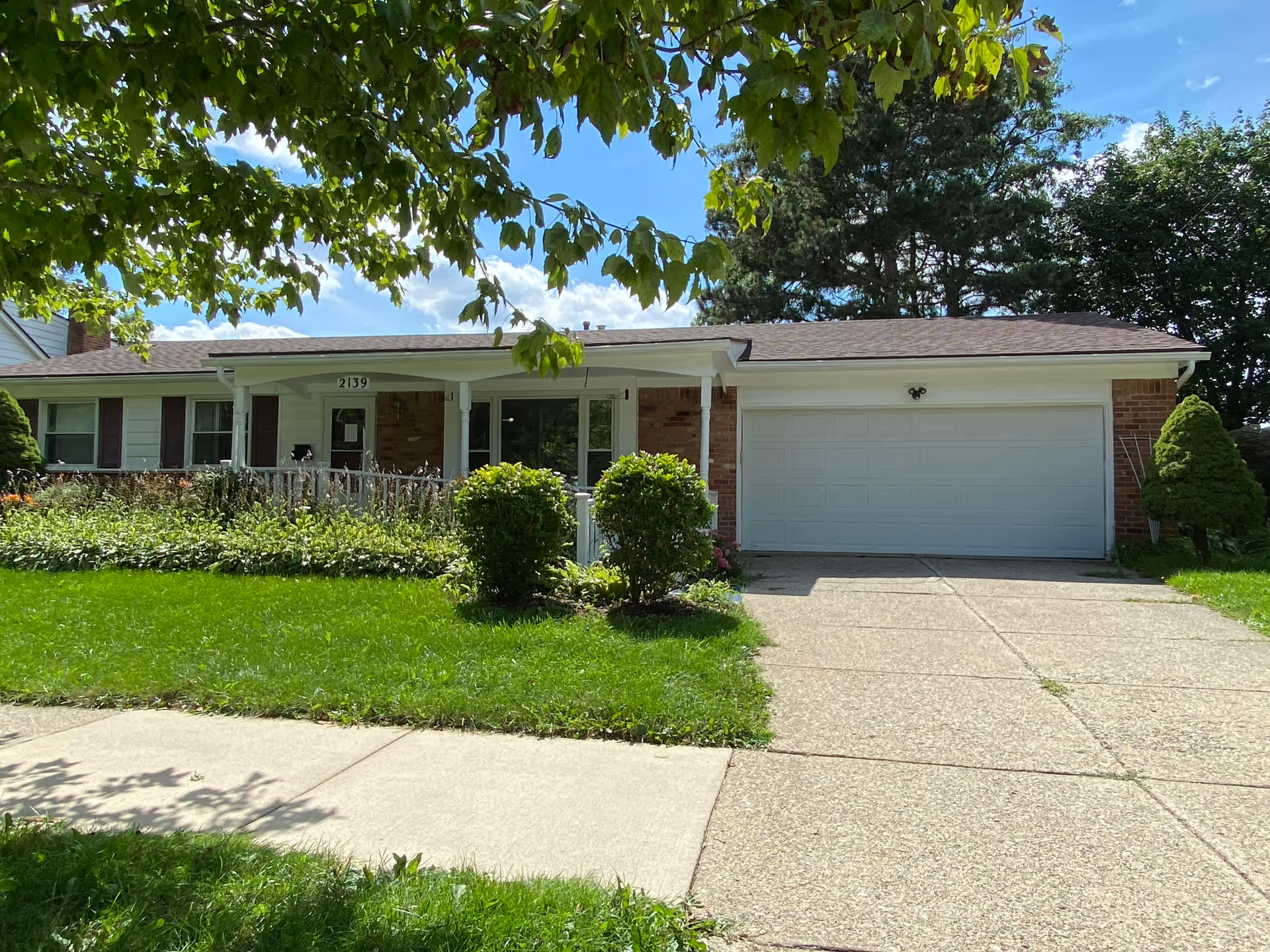
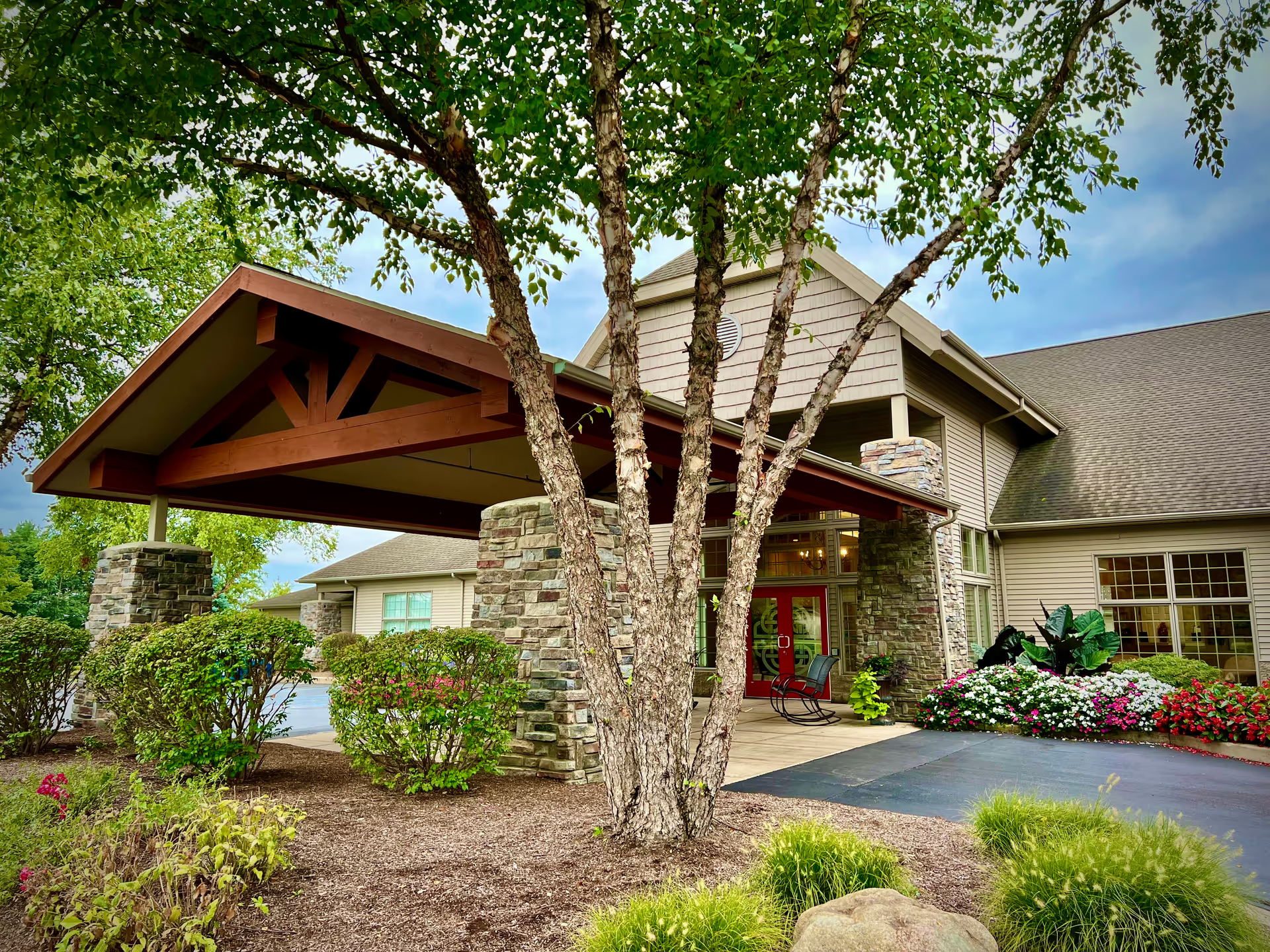
Brecon Village presents as a well-appointed senior living community with strong physical amenities and an established continuum of care. Many reviewers highlighted the property’s resort-like presentation: bright, spacious apartments with large kitchenettes, high-quality finishes, and a range of housing types from cottages and condominiums to independent living, assisted living, and a memory-support center. The campus offers extensive wellness resources (a large exercise room, hydrotherapy pool, personal trainers), organized activities (arts, fitness classes, movie nights, live entertainment), regular bus outings, and well-kept grounds and snow/ice management. The on-site dining venue and multiple freshly prepared meals per day are also frequently cited as features that support a low-food-preparation lifestyle for residents.
Care and staff performance elicited mixed impressions. Numerous accounts praise compassionate, attentive caregivers and an active, social community; maintenance and housekeeping are often described as responsive and thorough. At the same time, several families expressed substantive concerns about operational aspects of care: inconsistent staff responsiveness, perceived issues with tone and conduct toward some residents, and evidence of staffing strain that may affect day-to-day service. More serious family concerns include allegations of medication-dispensing errors, gaps in clinical documentation (for example, difficulty locating advance-care instructions), and delays or shortcomings in emergency-response communication. These accounts suggest variability in clinical-process reliability rather than a uniformly consistent standard of care.
Dining and nutrition also show variability. While some reviewers describe an upscale, varied menu and freshly prepared meals that support residents’ preferences, others noted inconsistent food quality, problems accommodating dietary restrictions, and uncomfortable experiences in the dining environment. Those differences point to an operational inconsistency in meal-service execution and dietary-need management that prospective families may want to evaluate directly during a visit.
The facility is strong on programming and amenities: enrichment centers, exercise classes, clubs, outings, and visitor accommodations contribute to a robust social environment and sense of community. Physical plant attributes — clean common areas, library, game rooms, and easy walks — are repeatedly praised. However, families should be aware of financial and access considerations: there are minimum asset qualifications and indications that care can be costly, which may affect affordability and perceived value for some households.
Management and administrative practices are another mixed area. Some reviewers commend responsive staff and helpful leadership; others describe poor communication, slow follow-up on concerns, and dissatisfaction with how certain serious family concerns were handled, including financial/refund interactions. Taken together, the pattern indicates strong amenities and community life but variable reliability in some clinical, communication, and management processes. Prospective residents and families would benefit from targeted questions during a tour: staffing ratios and turnover, medication-administration and documentation procedures, emergency response and notification protocols, dietary-accommodation policies, contract and refund terms, and examples of how the community addresses resident grievances and quality concerns.