Overall impression: Reviews for StoryPoint Saline are strongly polarized. Many families and residents describe a warm, active community with attentive caregivers, robust activity programming, attractive facilities, and high-quality dining. At the same time, a subset of reviews raise serious operational concerns that relate to staffing, medication handling, personal-item security, and managerial follow-through. Prospective families should weigh the consistent strengths against the operational weaknesses and pursue targeted questions during tours.
Care quality and staffing: Numerous reviews praise individual caregivers, wellness staff, and memory-care teams for compassion, patience, and close attention to residents. Several reviewers described smooth transitions and very supportive move-in experiences. Conversely, a recurring theme is inconsistent staff training, chronic understaffing, and uneven performance across shifts. This has manifested as missed or delayed assistance, scheduling problems, and variability in how staff interact with residents. There are also multiple comments about staff turnover and a disconnect between frontline caregivers and administrative supervisors.
Medication, safety, and clinical concerns: Many families noted on-site clinical oversight and coordinated care; however, a concerning pattern across reviews relates to medication-management controls and administration practices. Complaints include medication errors, misdistributed medications, and allegations regarding missing medications. A small number of reviews include serious allegations such as theft of personal items and other criminal-level concerns; these instances suggest families should verify medication security, record-keeping, and investigative procedures during due diligence. Reviewers also reported delayed responses to pendant alarms and other emergency-call delays — an operational risk to address in pre-admission discussions.
Dining and activities: Dining and social programming are frequently cited as major strengths. Reviewers consistently praise chef-prepared menus, variety, plentiful portions, Bistro-style offerings, and themed meals and brunches. The Life Enrichment team is often described as energetic, with a wide range of activities, outings, performances, and specialized groups (including veterans programming). At the same time, there are intermittent complaints about meal temperature and consistency and about residents who do not accept some menu items, prompting families to supplement food intake for picky diners.
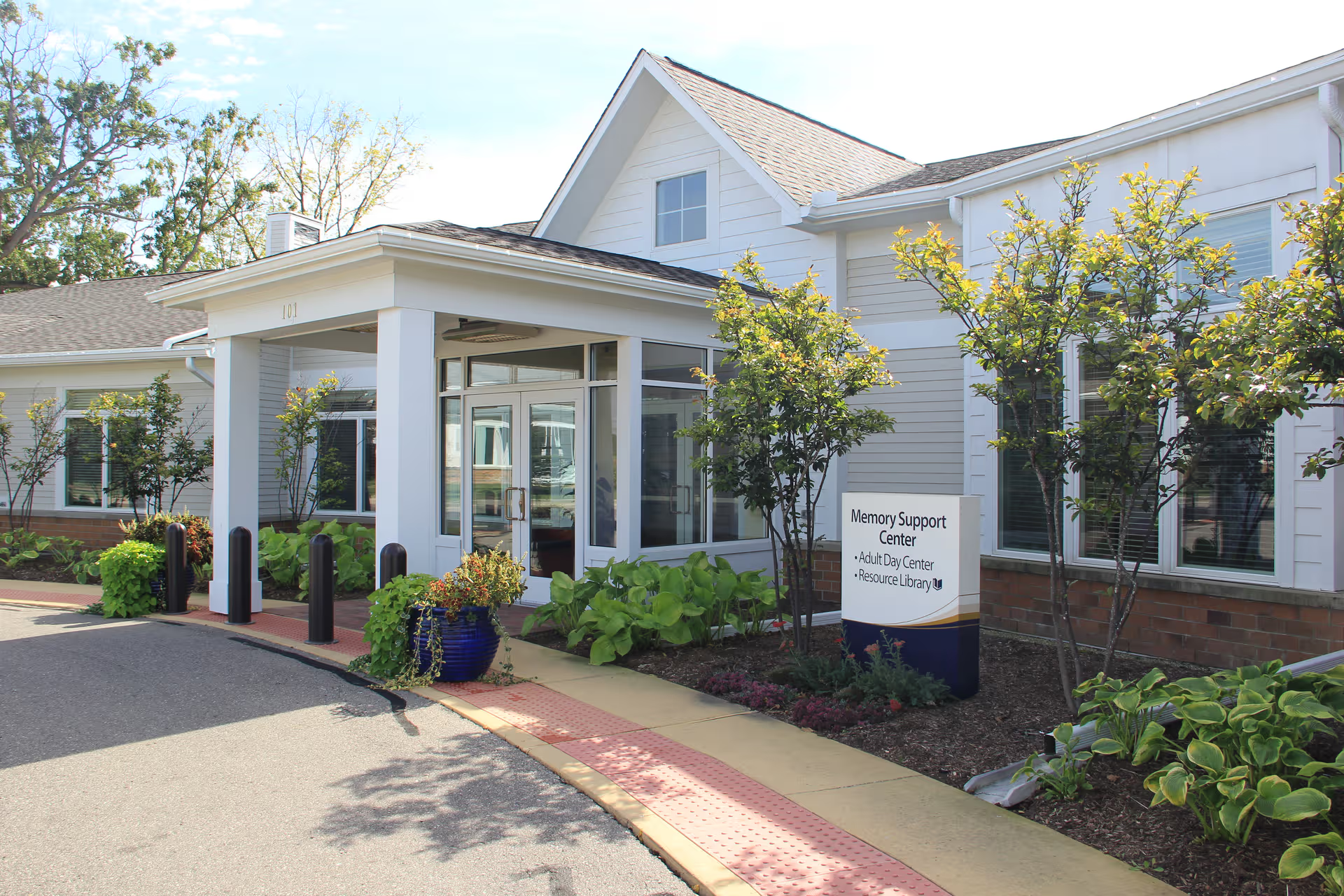
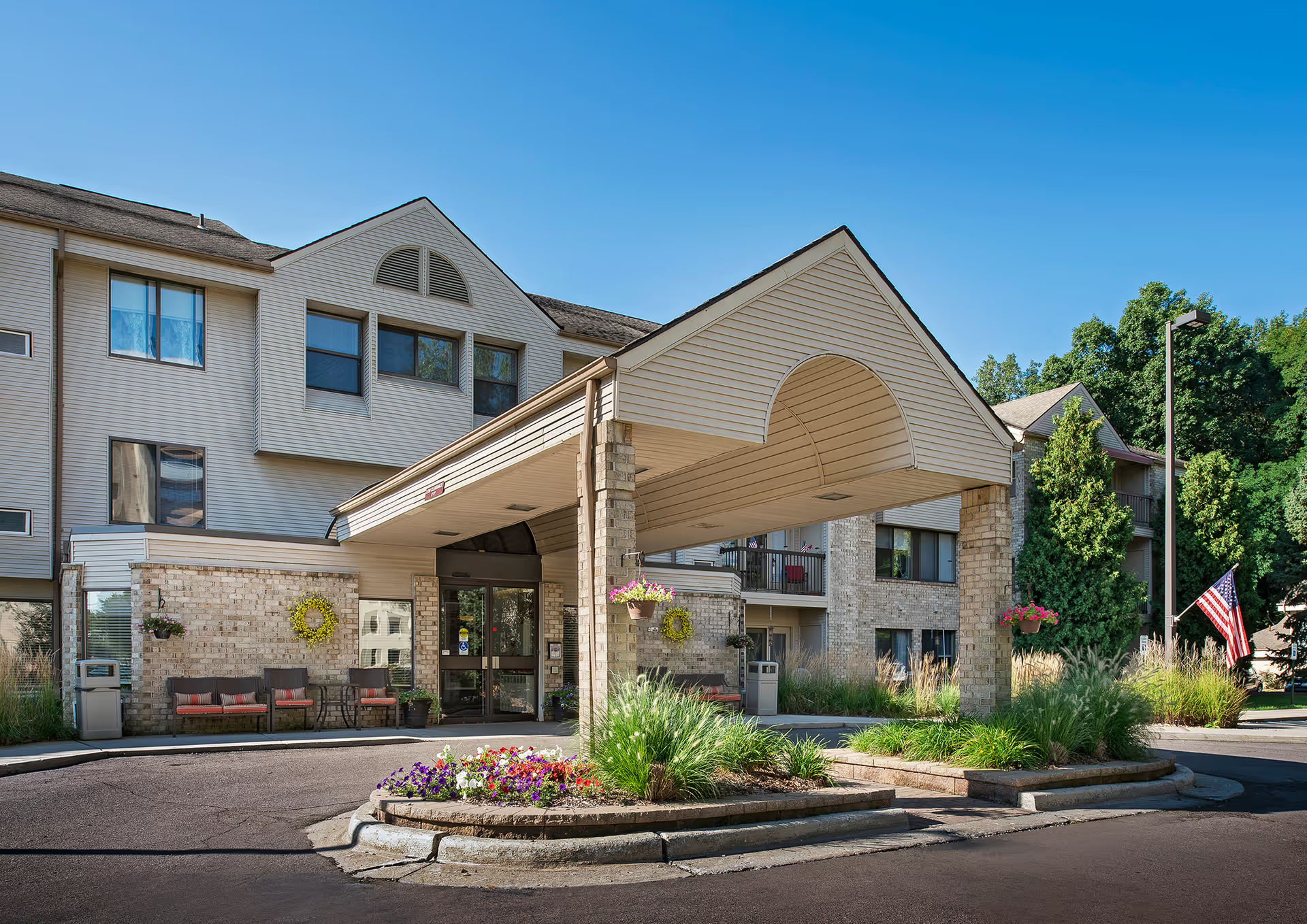
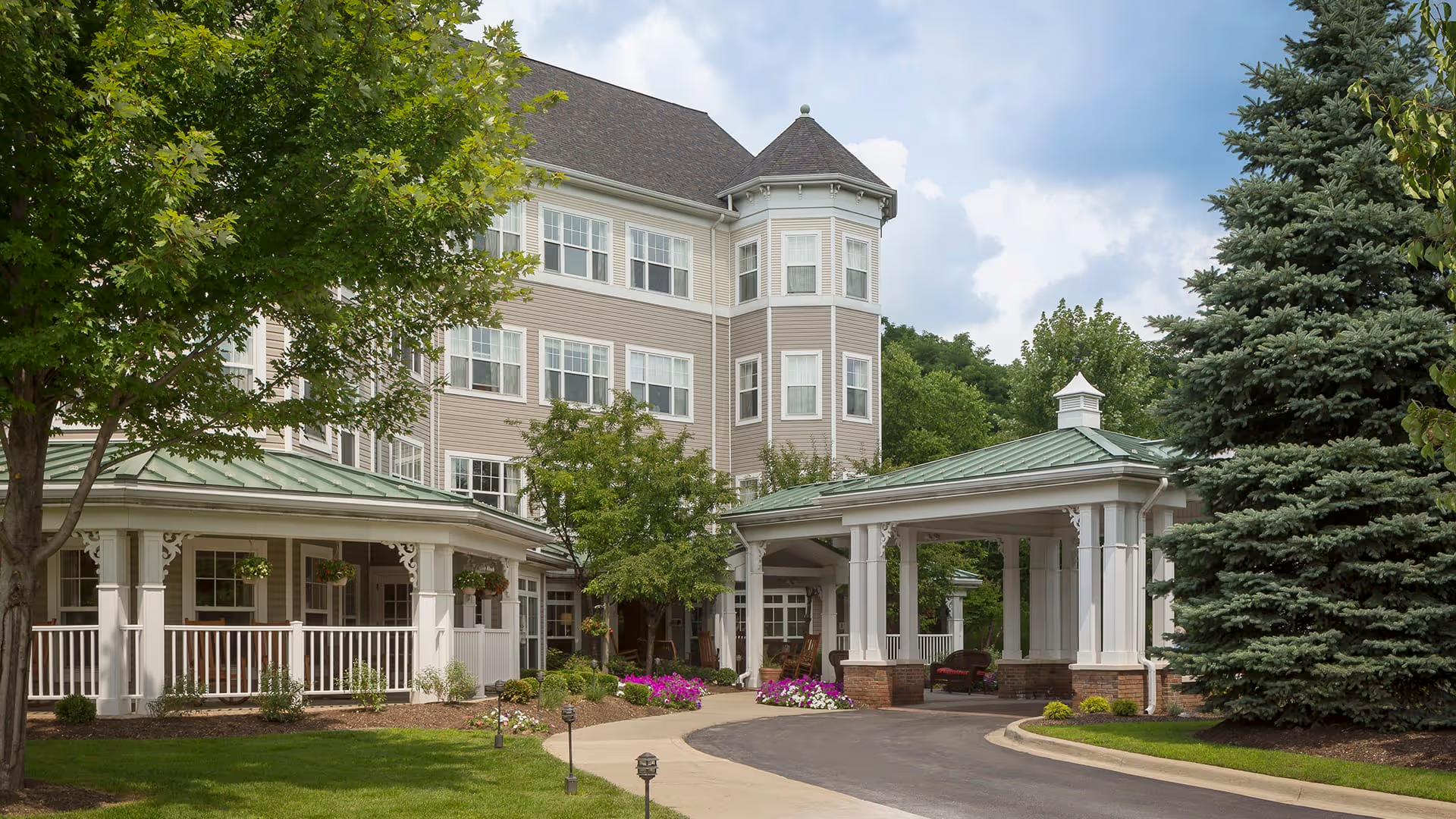
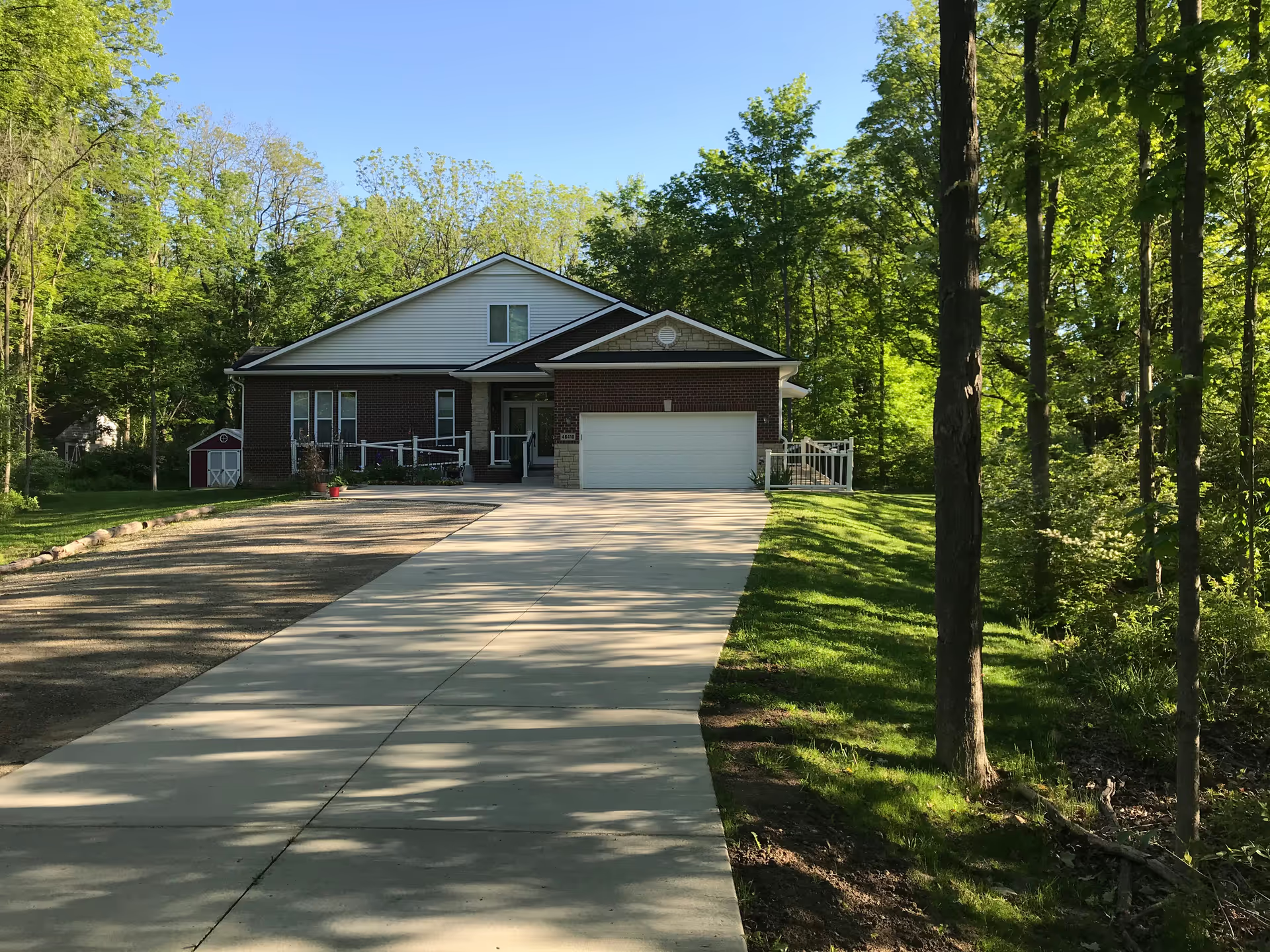
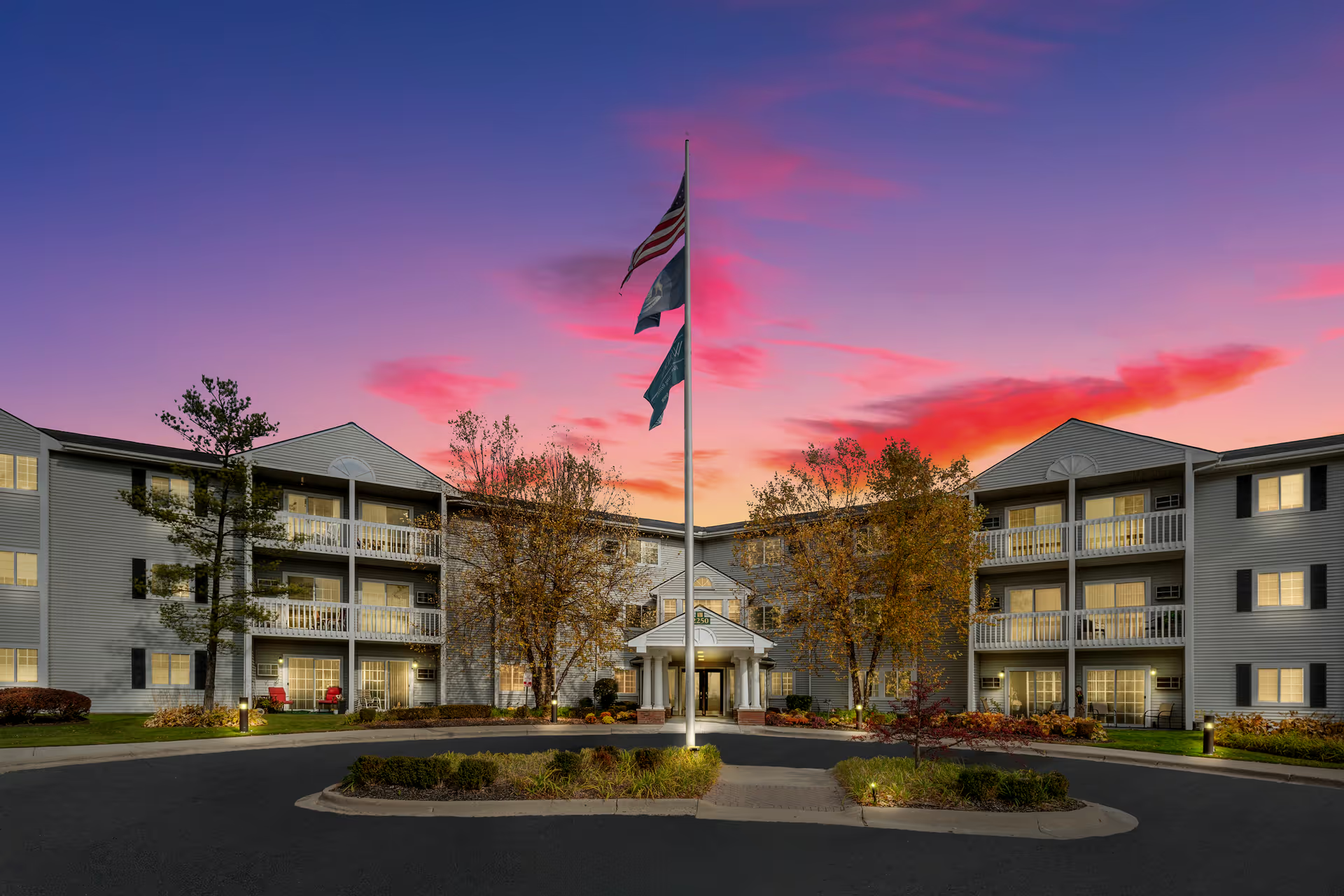
Facilities and operations: The property is described as attractive, well-decorated, and comfortable, with pleasant grounds, accessible indoor layouts, and private apartments with kitchens. Many reviewers noted cleanliness and strong housekeeping in large parts of the community. Counterpoints include isolated sanitation and maintenance issues, inconsistent cleaning of specific surfaces or items, occasional mold/pest-related concerns (e.g., indoor water feature maintenance), and reports of laundry or personal-item mishandling. Several reviewers also expressed frustration with administrative organization, such as scheduling of showers and wake-up services and incomplete follow-through on maintenance requests.
Management and communication: Positive comments highlight caring leadership, well-coordinated move-ins, and staff who go above and beyond. Yet other reviews describe a disconnect between management and families, limited corrective-action when problems arise, and communication shortfalls from supervisory staff. Cost-related concerns also appear, with some families feeling price points reflect the facility’s aesthetic rather than consistent service reliability.
Notable patterns and recommendations: The dataset indicates two consistent strengths (dining/programming and strong individual caregivers) alongside recurring operational weaknesses (staffing, medication controls, security of personal items, and supervisory follow-through). Because of the mix of praise and serious operational concerns, prospective residents and families should (1) ask for details about staffing ratios and staff training, (2) review medication-administration protocols and audit trails, (3) inquire about laundry and valuables handling policies, (4) observe life-enrichment programming and meal service in person, and (5) request documentation on emergency-response times and incident resolution processes. Where reviewers allege criminal conduct or licensing questions, families should consult regulatory records and ask management for clarifying documentation. These steps will help balance the facility’s notable strengths against the operational risks highlighted by other families.