Overall impression: Reviews convey a generally positive view of Courtyard Manor of Swartz Creek, with frequent praise for the caregiving team and family-focused culture. Families and visitors routinely describe staff as kind, compassionate, and willing to go beyond basic expectations; several accounts emphasize reassurance, peace of mind, and clear communication from management and caregiving staff.
Care and staff: The strongest theme is staff quality. Caregivers are commonly characterized as attentive, responsive, and proactive; many families reported that staff treat residents like family, provide dignified dementia care, and take steps to include residents in social activities. Specific supports such as adaptive seating (Broda Chair) and hands-on dining assistance were highlighted as enabling participation and comfort. While overall staff performance is viewed favorably, there are isolated concerns about consistency in professionalism and transparency that prospective families should verify during visits.
Dining: Opinions on food are mixed. Several reviewers describe appetizing, home-cooked meals and positive meal presentation, while others cited inconsistent food quality, an unsatisfactory dining-room setup, and budget-driven limitations that reduce healthy variety (for example, limited vegetable options). Families should ask about current menu planning, special-diet accommodations, and how the facility balances taste, nutrition, and budget constraints.
Activities and memory care programming: The community offers outings and social gatherings and makes efforts to include residents with cognitive impairment. However, a recurring critique is inconsistent engagement levels and limited structured memory-care activities in some cases. Activity timing also appears concentrated during daytime hours, which may limit family participation and could leave some residents under-engaged depending on individual needs and schedules.
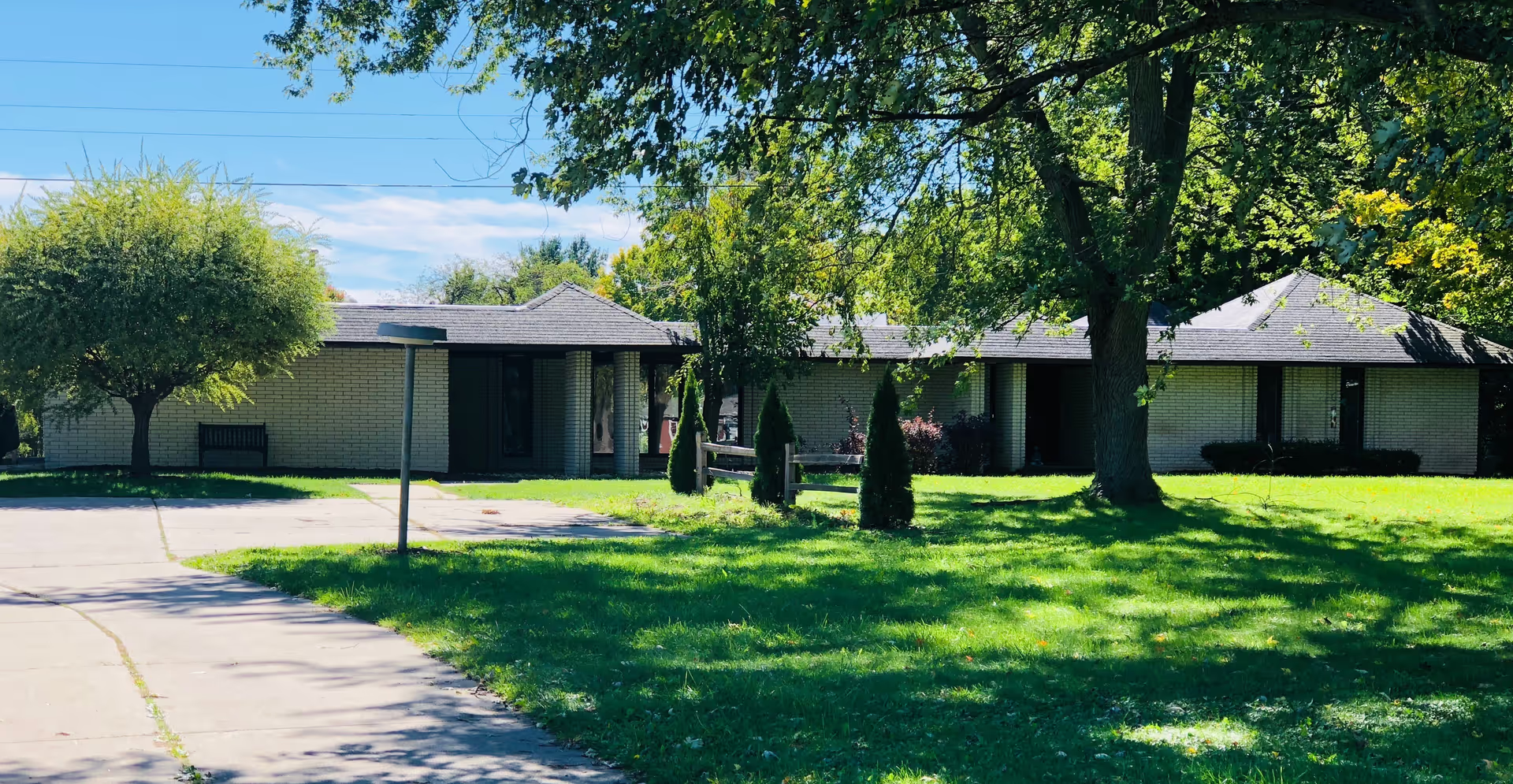
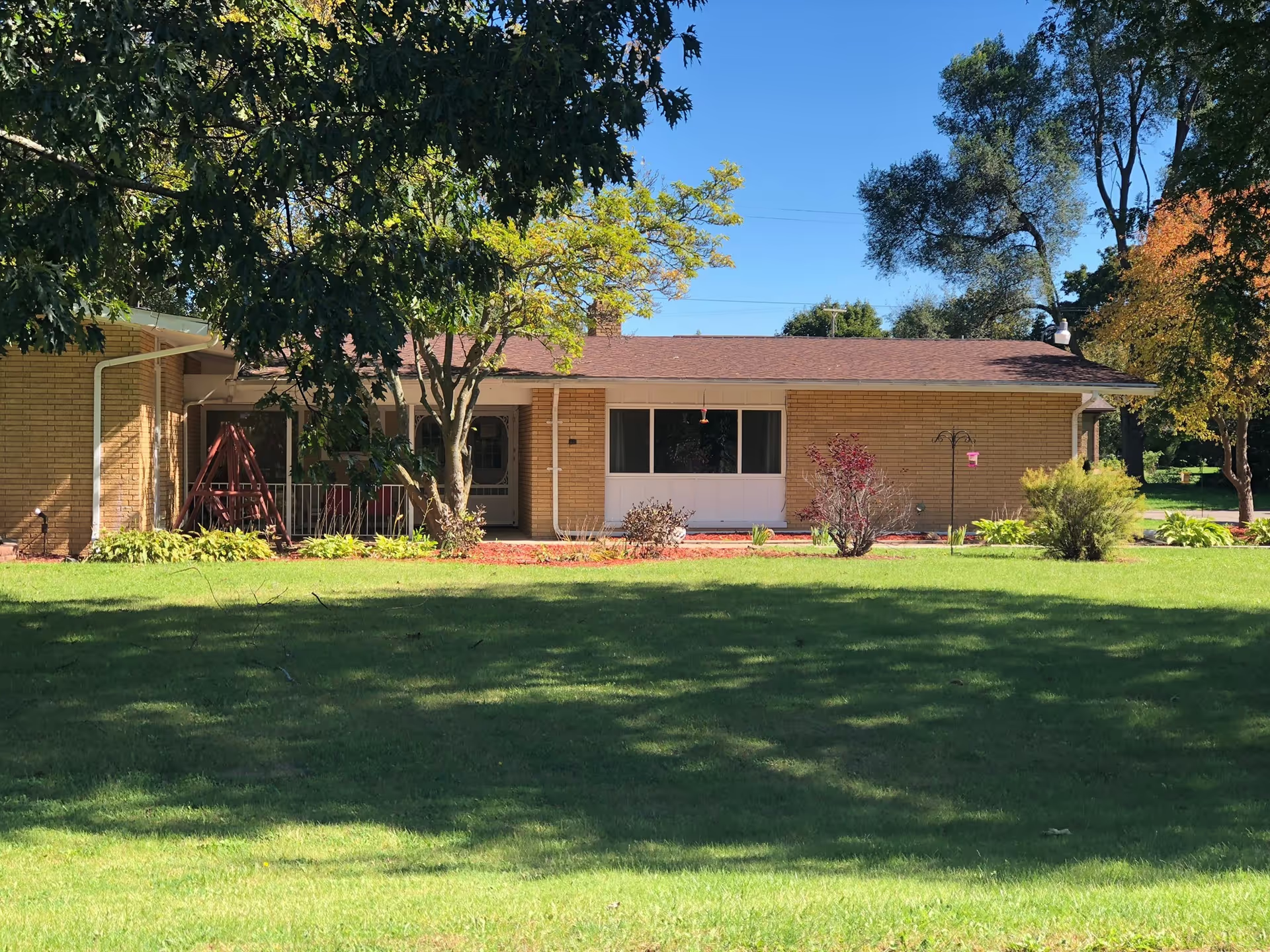
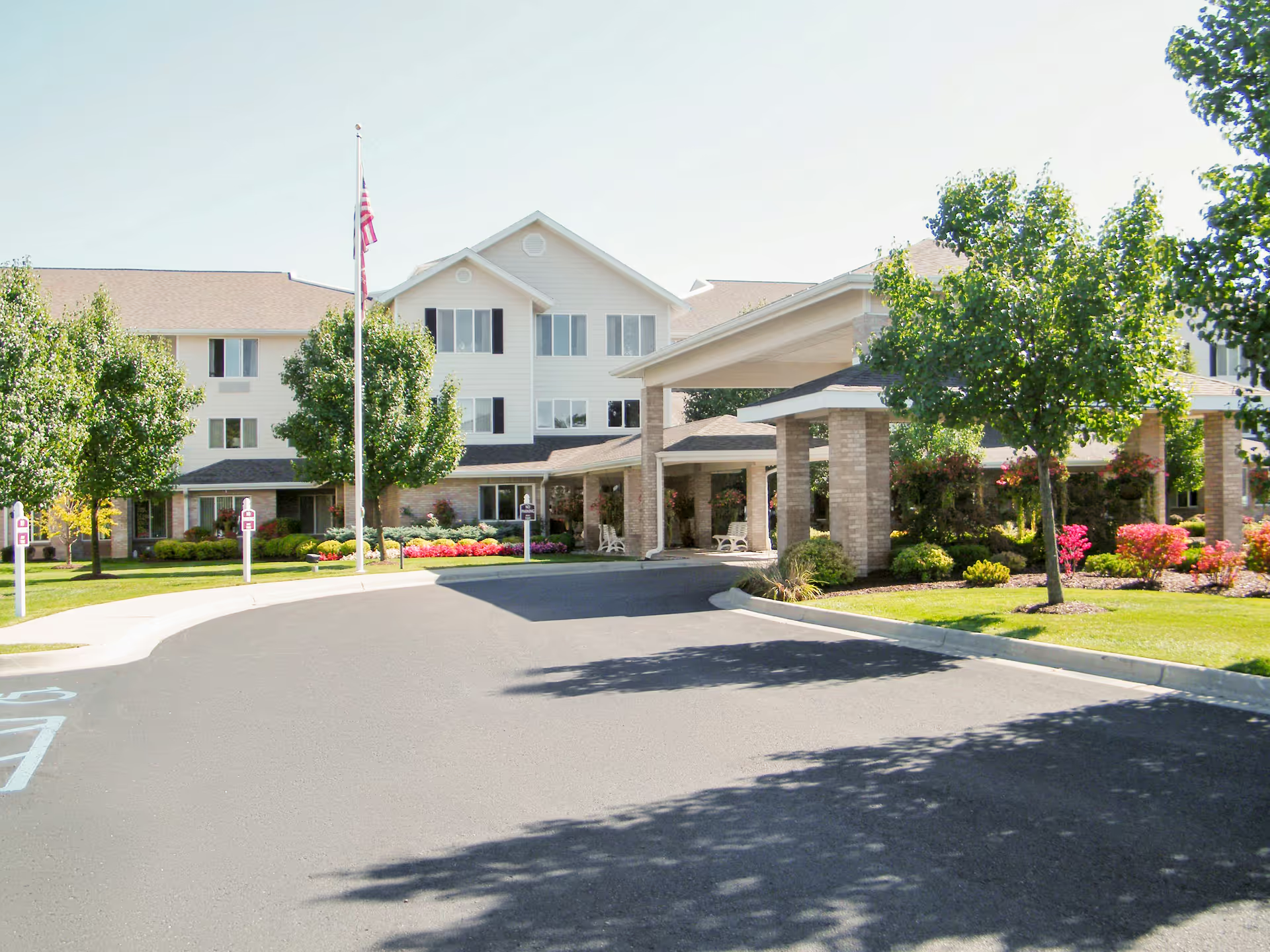
Facilities and safety: Many reviewers noted a clean, well-maintained, attractive facility with pleasant common areas. Counterbalancing that, the facility is described as relatively small, with tight rooms and constrained common spaces that some callers find cramped or institutional in feel. A tangible safety concern referenced is the lack of an enclosed exterior perimeter for ambulatory residents; families of residents who wander or require outdoor supervision should clarify outdoor-safety policies and supervision practices.
Management and placement: Management and specific leaders received positive mentions for communication and responsiveness, including help with transitions and referrals. At the same time, a few comments raised questions about placement or level-of-care categorization (for example, whether a resident’s assigned level fully matches their needs). Prospective residents should confirm how the facility assesses and updates care level assignments and how management responds to changing clinical needs.
Notable patterns and guidance for families: The dominant strengths are the caregiving culture, individualized attention, and cleanliness. The primary operational weaknesses to probe are physical space constraints, variability in dining and activity programming (especially for memory-care residents), and occasional consistency issues in staff conduct. During a visit, families should observe meal service and activity periods, ask for sample menus and activity calendars, review safety measures for outdoor access, and speak with management about how care-level decisions are made and how inconsistent issues are addressed. Overall, Courtyard Manor appears to offer a supportive, compassionate environment that many families find reassuring; evaluating fit against an individual resident’s spatial, dietary, activity, and supervision needs is recommended.