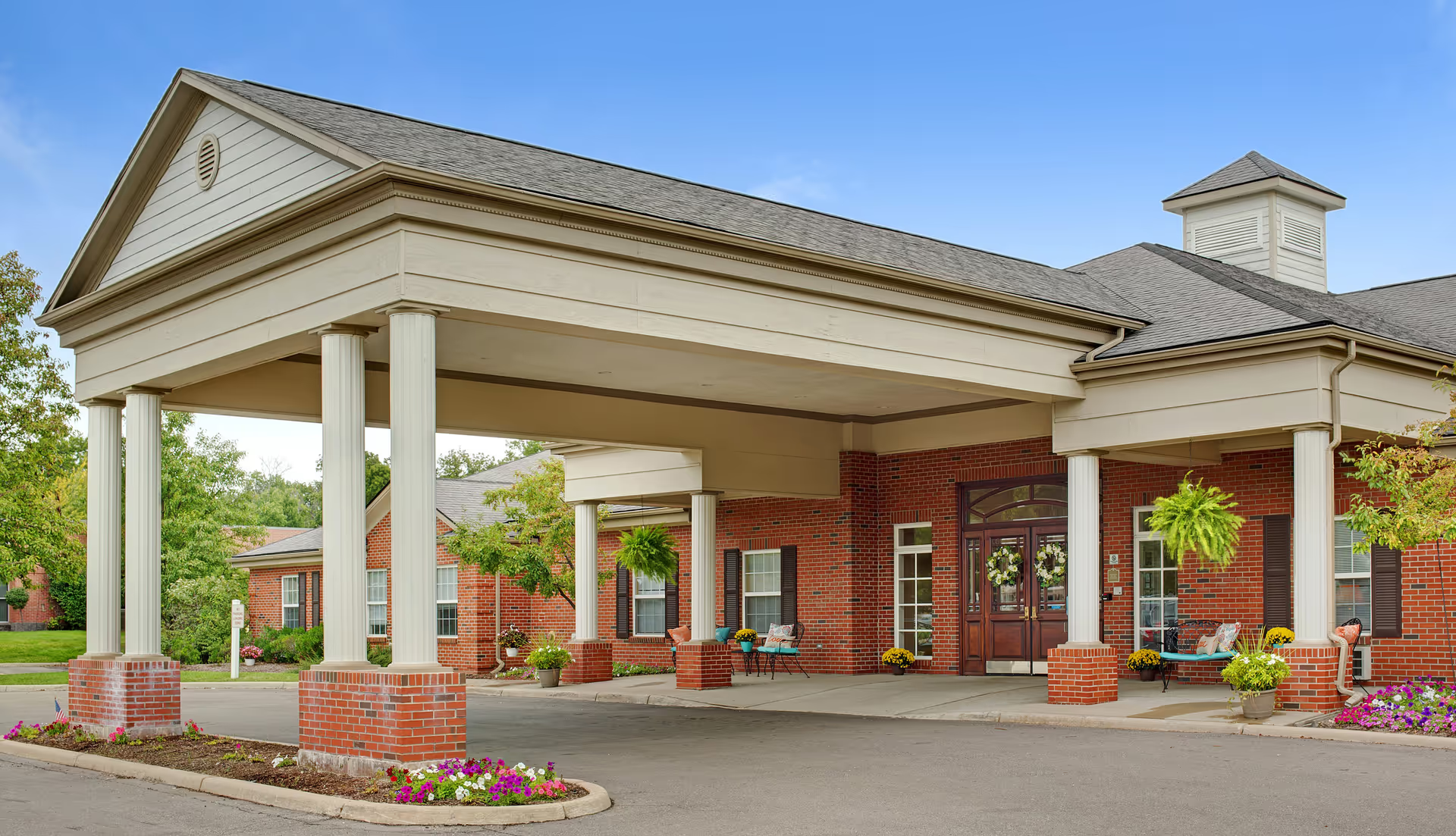
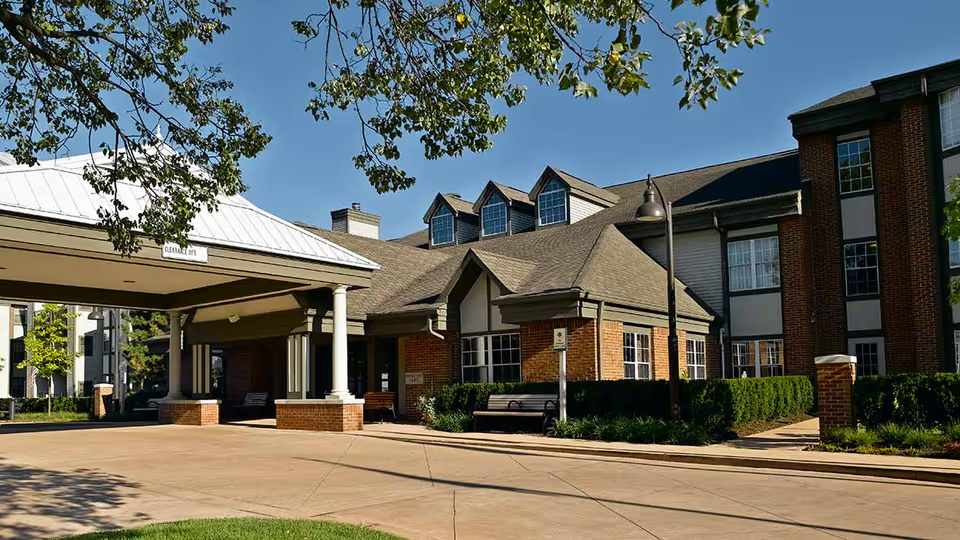
The body of feedback for this Regency Villa center is highly mixed, with a clear pattern of divergent experiences. Many families and some clinicians praise the facility for compassionate frontline caregivers, helpful front-desk personnel, an active activities program, and available therapy services; several reviews highlight a dedicated memory-care unit, successful outings, and positive interactions with specific social-work and therapy staff. At the same time, a substantial portion of commentary identifies operational weaknesses that materially affect clinical care and resident experience.
Care quality is uneven. Positive notes include attentive nursing and therapy input in favorable cases, and instances where physician and therapy teams provided timely interventions. However, recurring operational themes raise clinical concerns: delays in responding to bedside requests, inconsistent repositioning and mobility support, pressure-ulcer development, weight loss, and hospital transfers for infection or other complications. Medication administration and prescription-change workflows were described as error-prone or delayed in multiple accounts, and documentation/incident-reporting practices were sometimes incomplete. These patterns suggest gaps in clinical oversight, handoff communication, and timely monitoring of medically vulnerable residents.
Staffing and staff conduct present a dichotomy. Numerous reviewers commend CNAs, nursing assistants, and activity staff as caring and hardworking; some staff members are described as going above and beyond and providing reassuring family communication. Conversely, other reviews describe low morale, understaffing, inconsistent shift coverage, and slow or absent response to alarms and call lights. Shift-change communication and coordination among nursing, admissions, and social work are identified as inconsistent, contributing to missed care, unclear discharge planning, and family frustration.
Dining, activities, and resident engagement produce variable feedback. The activity program and outings receive repeated praise where implemented fully; reviewers reference bingo, games, and outings to events. Nutrition feedback ranges from generous portions and good meals to reports of small portions, missed meals, dietary-restriction lapses, and intermittent access to fluids. Rehabilitation services (PT/OT) are available and positively reviewed by some families and clinicians, but others report poor scheduling continuity or limited therapy frequency during portions of a resident’s stay.
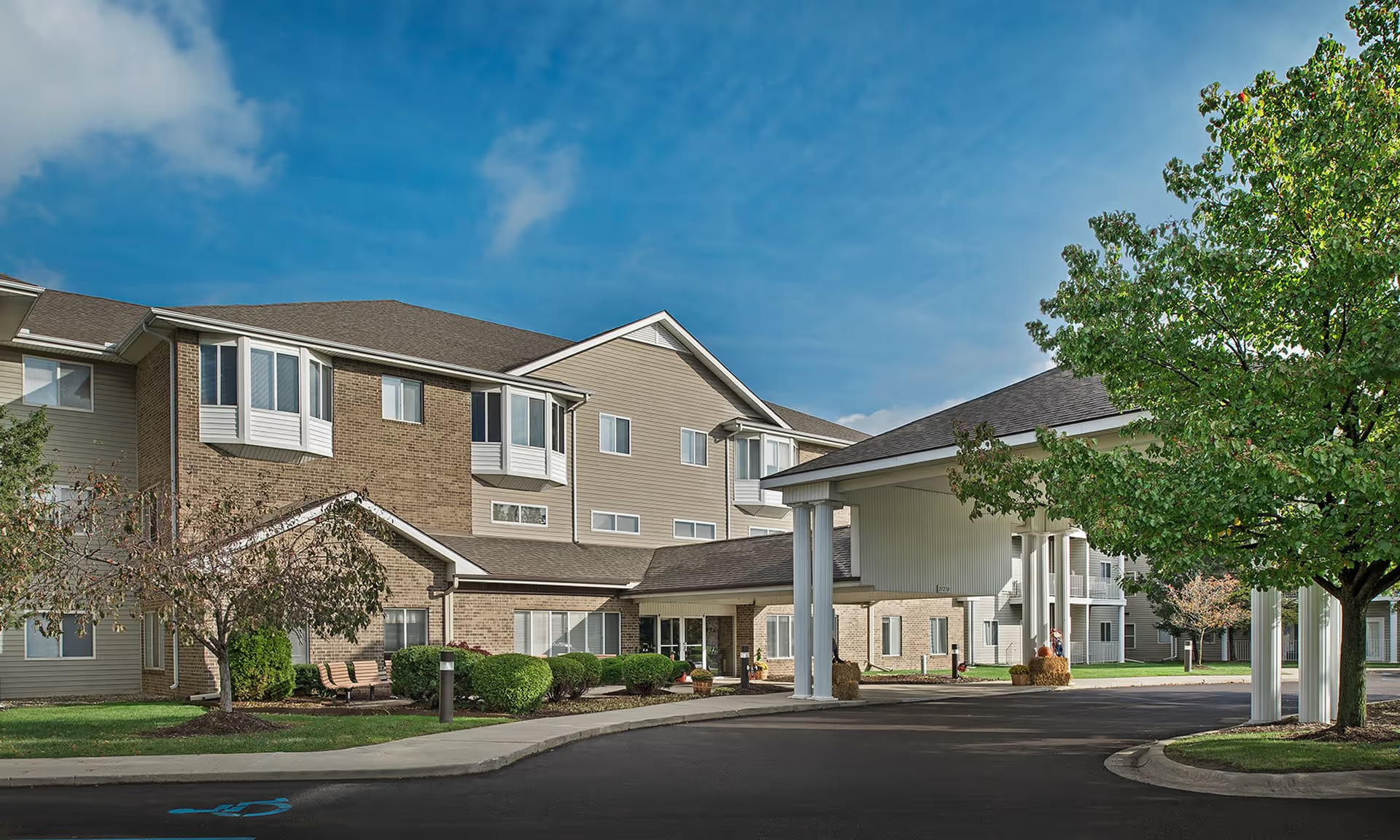
Facilities and maintenance issues are another recurring theme. Positive comments note clean and comfortable areas on particular floors, pleasant rooms with in-room amenities, and ongoing renovation in some areas. At the same time, significant concerns include inconsistent housekeeping, odor concerns in some common areas, pest-control issues, malfunctioning equipment (manual beds, broken call systems, low toilets), and insufficient supplies in certain shifts. Property management processes also appear inconsistent, with multiple reports of misplaced personal items and at least some allegations of theft or financial irregularities.
Management and governance issues underlie many negative observations. Families describe inconsistent communication from administration, difficulty obtaining timely updates, unclear discharge planning, and variable responsiveness to complaints. Several reviewers requested external regulatory review or quality-assurance intervention; others credited individual managers or clinicians for resolving concerns. The aggregate pattern points to variable unit-level performance and gaps in oversight, staff training, and quality-improvement processes.
Overall, the facility demonstrates strengths—particularly in the dedication of many frontline staff, active programming, and available therapy services—but those strengths coexist with operational weaknesses that can affect resident safety and family confidence. Prospective residents and families should consider in-person inspection of the specific unit of interest, ask for recent quality/inspection records, verify staffing ratios and therapy schedules, review infection-control and property-handling policies, and seek direct references about continuity of care on the floor where a placement is being considered.