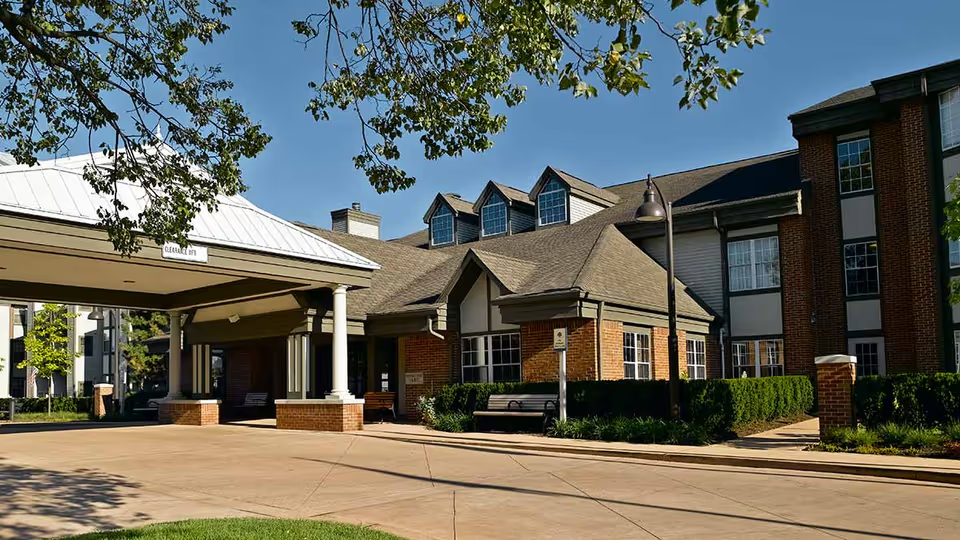
The reviews for The Lodge at Taylor present a mixed picture: several reviewers praise the facility's rehabilitative services and highlight individual staff members and departments that deliver strong clinical outcomes, while a substantial body of feedback identifies recurring operational weaknesses that affect day‑to‑day care. Therapy services—particularly physical and occupational therapy, and certain specialty services such as respiratory care and dialysis—are consistently cited as strengths and as contributors to measurable recovery for many residents.
Care quality and clinical management receive wide variation in comments. Positive accounts describe successful therapy-driven improvements and attentive nursing in some units, whereas many accounts describe systemic problems: delays or omissions in medication administration, inconsistent monitoring of wounds and lines, and gaps in timely clinical follow‑up. There are multiple references to wound deterioration and weight loss, as well as a few serious adverse events that families felt were not escalated promptly. These patterns suggest uneven clinical oversight across shifts and units.
Staffing and staff conduct are central themes. Numerous reviews identify chronic understaffing, especially on nights and weekends, producing long call‑light response times and limited assistance for toileting, bathing, and mobility. Reviewers also highlighted variability in staff training, credential oversight, and professionalism; while many frontline aides and therapists were described as compassionate and effective, others were characterized as dismissive or unprofessional. There are also allegations of racially derogatory language among staff that warrant attention and potential investigation.
Dining and daily living operations are inconsistent. Complaints include missed meals, incorrect meal delivery, and poor temperature control; conversely, some families reported acceptable dining and individualized feeding support. Personal care routines (bathing frequency, linen changes, and incontinence support) were frequently cited as inconsistent, tied by several reviewers to staffing levels and scheduling practices.
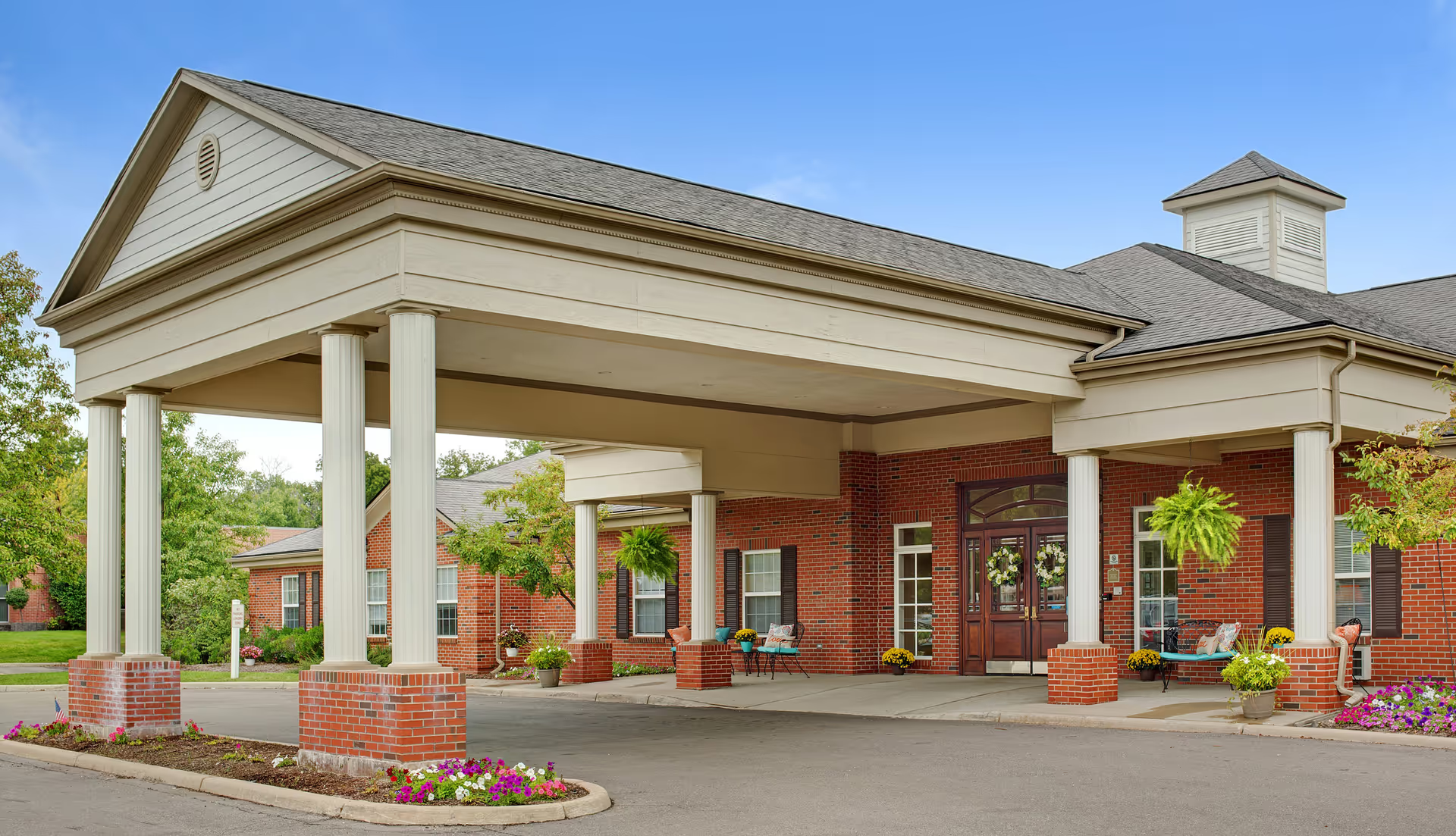
Facilities and housekeeping feedback is mixed. Some units and common areas are described as clean and well maintained, and secure entry procedures were noted positively. At the same time, other reviews cite lapses in housekeeping, pest‑control concerns, delayed room repairs, and maintenance issues such as missing or nonfunctional call systems and older room layouts. Several reviewers also raised concerns about lost or mishandled personal belongings and requested better property safeguards.
Management, communication, and administrative responsiveness emerge as repeat concerns. Families frequently reported difficulty reaching staff by phone, delayed callbacks, lack of timely updates, and perceived failures to follow through on corrective promises. There are critiques of clinical leadership and of human resources responsiveness; some reviewers recommended regulatory review or further oversight. At the same time, some admissions and administrative staff received positive mention for being welcoming and helpful during intake or discharge planning.
Notable patterns: positive experiences tend to cluster around the therapy/rehab units and around individual caregivers who are consistently described as attentive. Negative patterns are concentrated on operational traits: staffing shortages, slow response times, inconsistent hygiene and wound management, medication and clinical‑follow‑up gaps, and breakdowns in family communication. Prospective residents and families should weigh the facility's strong rehabilitative offerings against recurring operational issues. Prior to admission, recommended steps include confirming current staffing ratios (day/night/weekend), asking for specific care‑plan and escalation protocols, verifying presence and functionality of call systems in the intended room, and requesting documentation of medication and wound‑care procedures. For individuals with complex nursing needs, families may wish to seek additional assurances about clinical leadership, staff training, and frequency of nursing assessments.