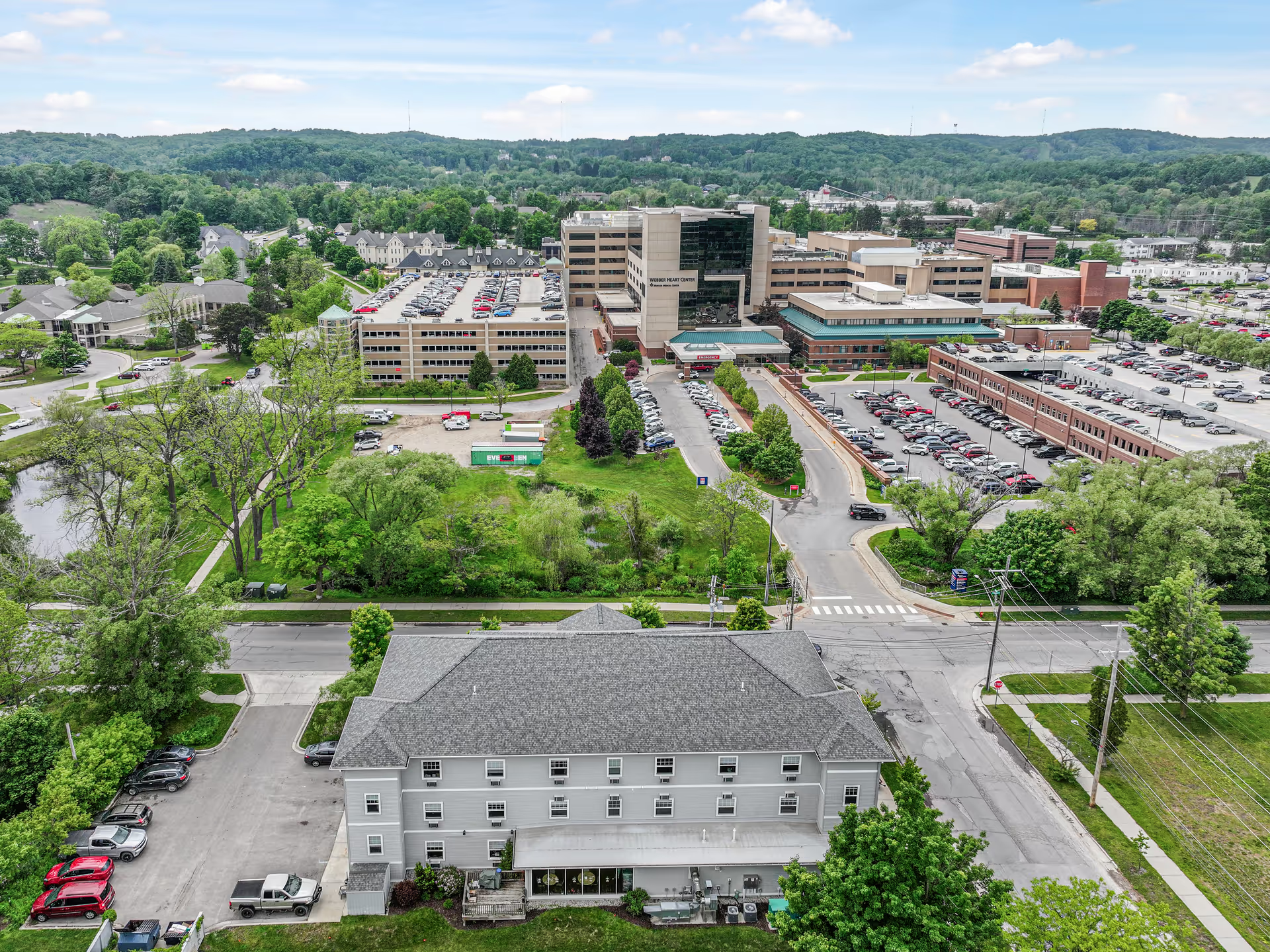
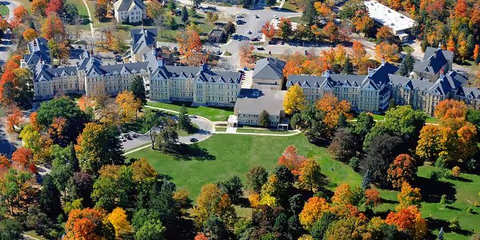
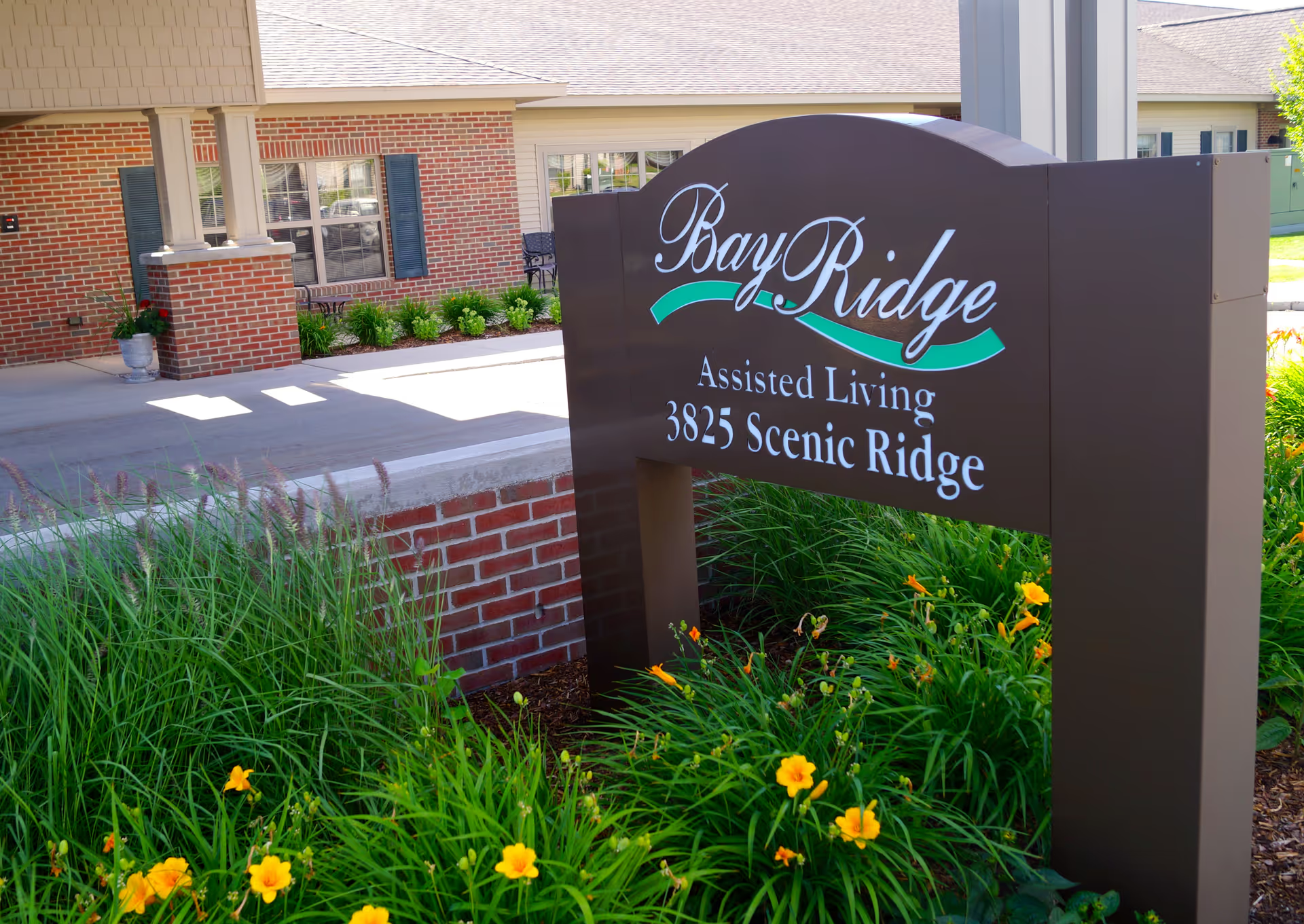
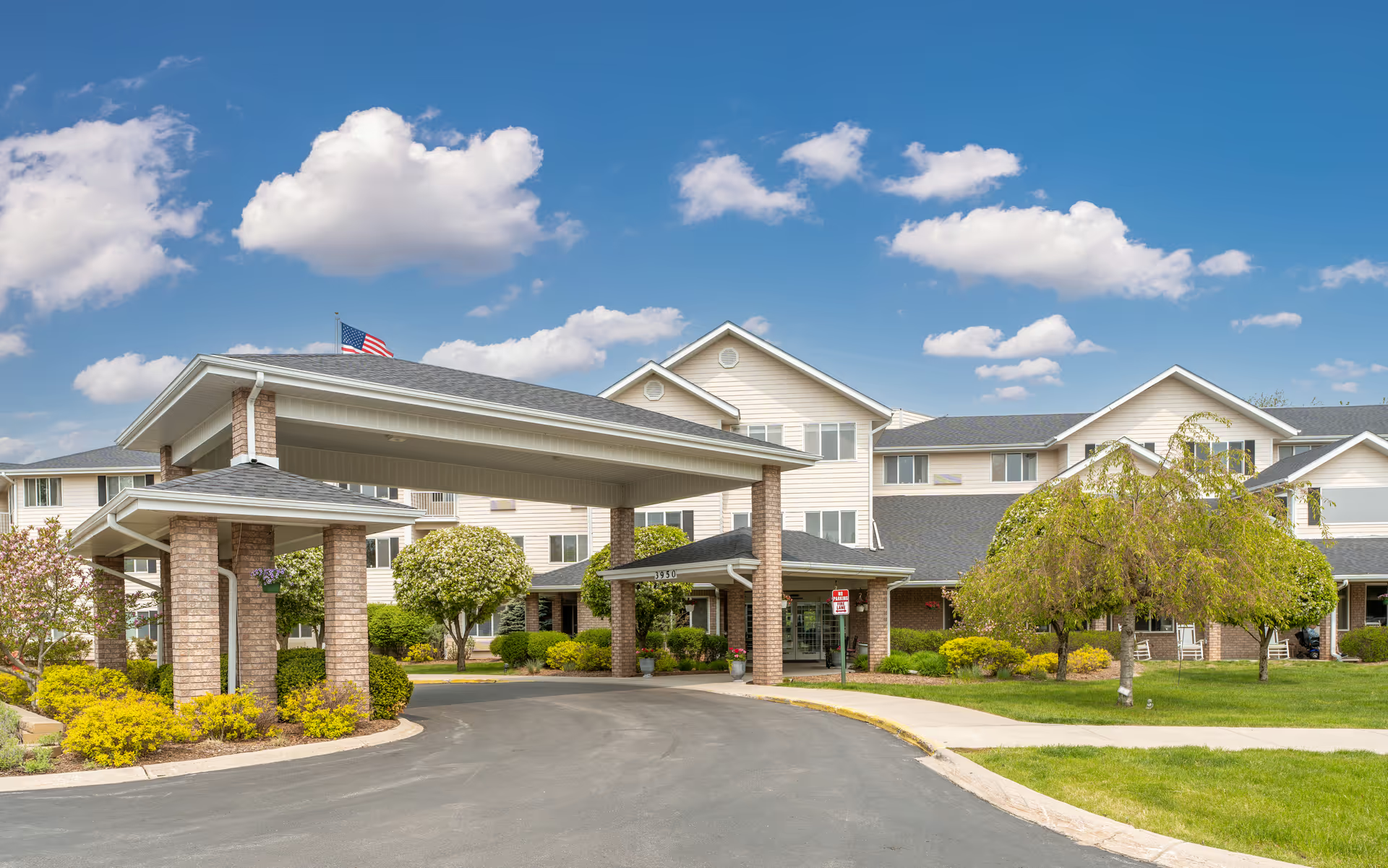
The reviews describe a facility with notable strengths in continuity of care and an emphasis on a home-like supportive environment for residents with dementia or Alzheimer’s disease. Long staff tenure, an enduring RN presence, and examples of internal career progression are presented as contributors to perceived high-quality, consistent care. Several reviewers characterize the supportive-care unit as caring and family-oriented, suggesting a therapeutic environment for cognitive-care residents.
Care quality is generally described positively, particularly in the context of dementia-focused services. The combination of long-tenured staff and a stable nursing presence is cited as a stabilizing factor for residents. At the same time, a few reviewers raised concerns about staff competency in dementia-specific approaches and about assistance during meals. Those concerns suggest the facility may benefit from clarified protocols and training for feeding assistance and hands-on dementia care techniques.
Staff culture receives mixed feedback. Many comments praise management for being supportive, fostering work–life balance, and creating opportunities for career advancement from entry caregiving roles into supervisory positions. Conversely, other comments highlight communication problems between staff and leadership, as well as perceptions of inconsistent disciplinary practices and occasional morale issues. These contrasting impressions point to a workplace where managerial strengths coexist with intermittent breakdowns in staff communication and human-resources consistency.
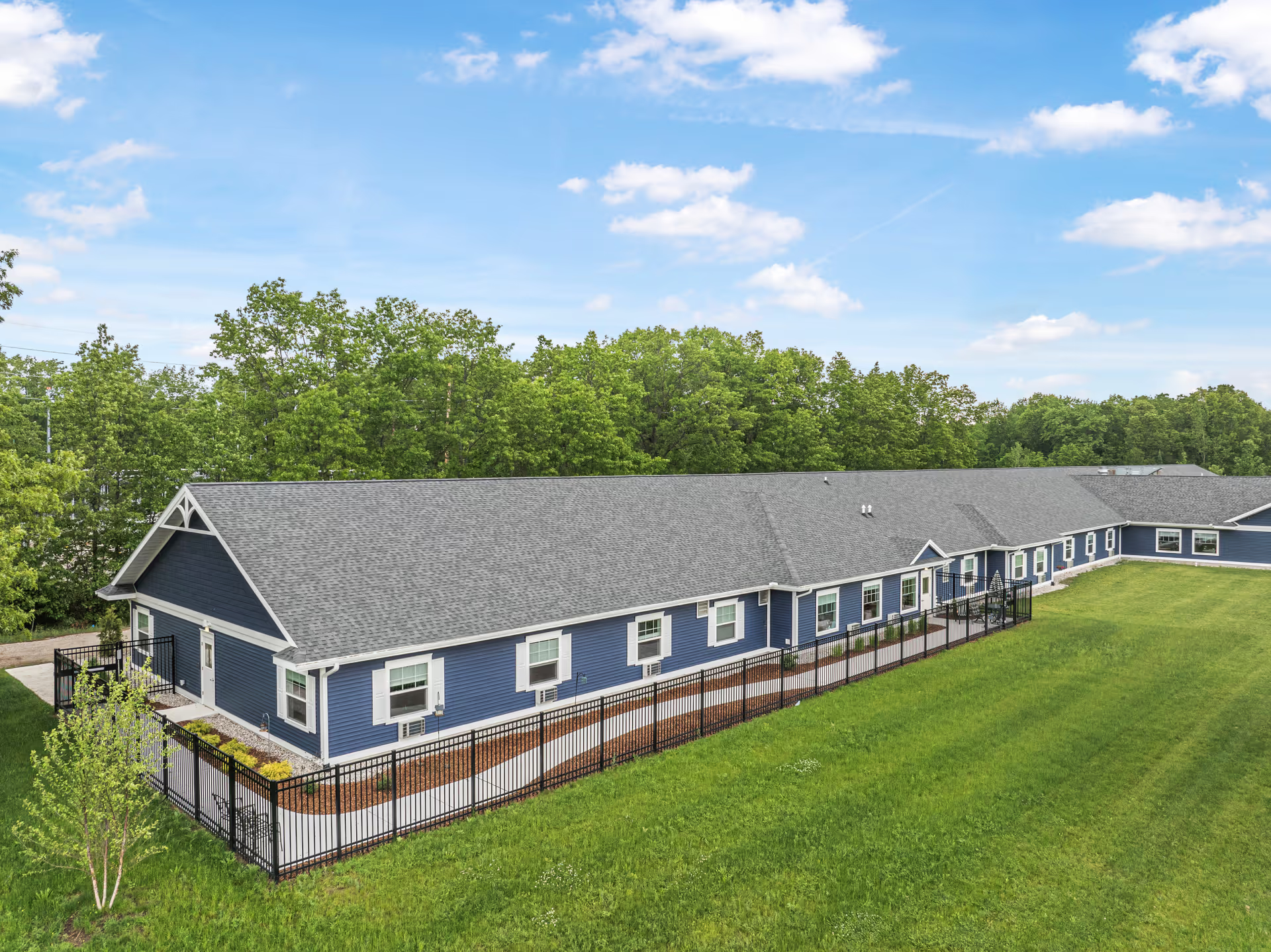
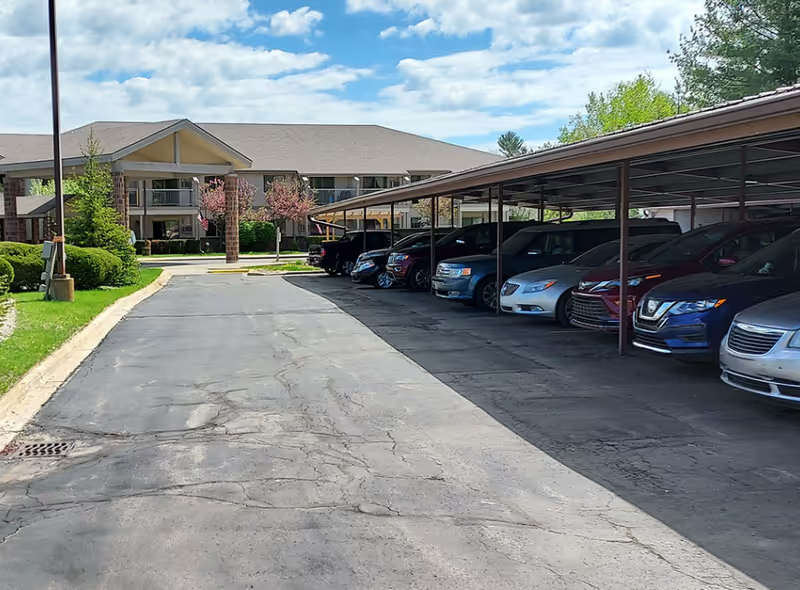
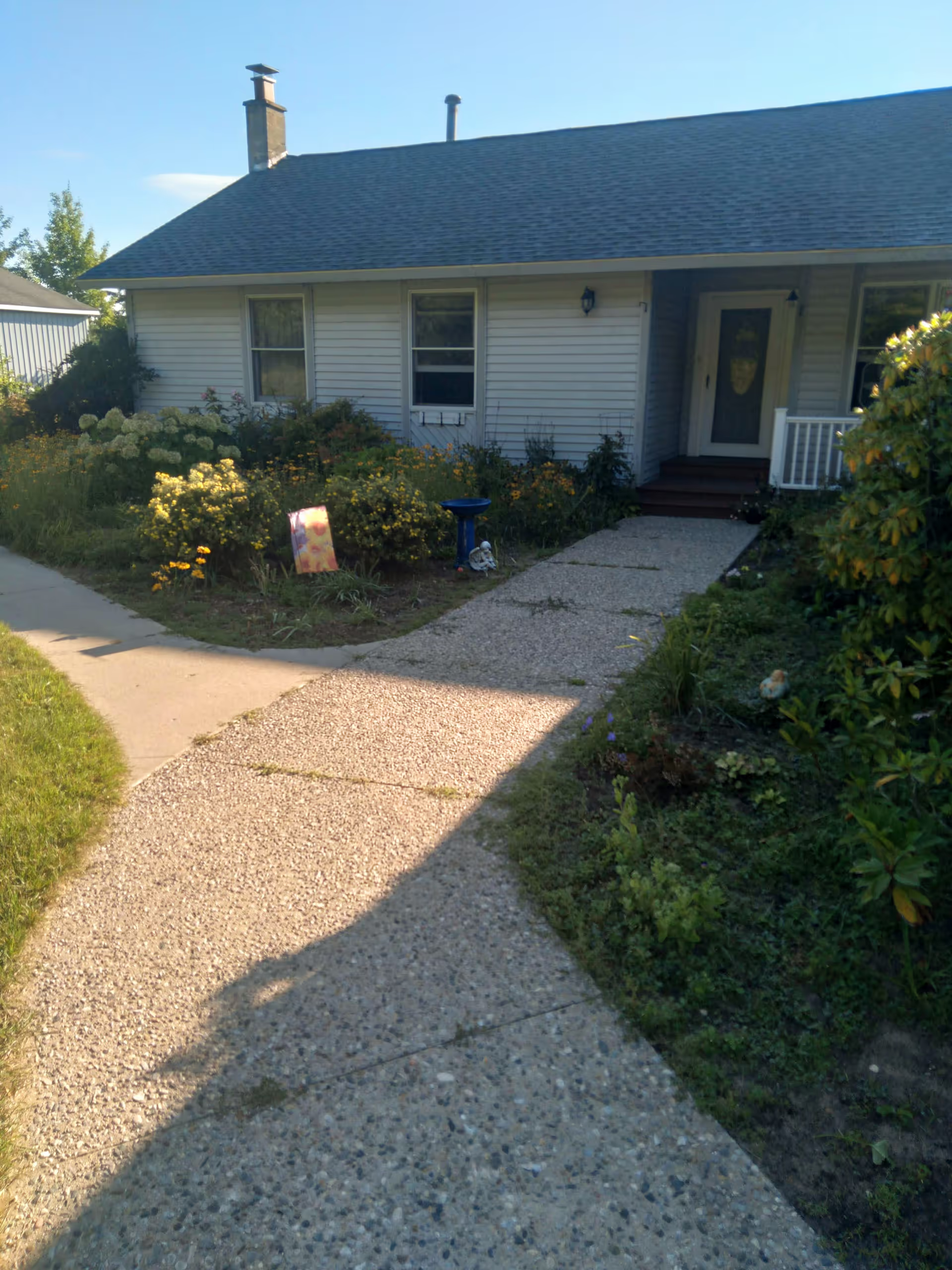
Information about dining, activities, and physical facilities is limited in the summaries. The facility is described as having a loving, home-like atmosphere, but there is little specific commentary about menu quality, activity schedules, or amenity condition. The most concrete operational concern in this area relates to mealtime support; prospective families should ask about dining assistance protocols, staffing during meals, and activity programming tailored to residents with cognitive impairment.
Overall patterns suggest stability and meaningful strengths in dementia-supportive care, tempered by isolated but notable operational weaknesses around training, mealtime assistance, and personnel communication. Prospective residents and families would be well served to tour the unit, meet the RN and care manager, observe mealtime routines, and ask for specifics on dementia training, staffing ratios at peak times, and the facility’s disciplinary and grievance procedures. Prospective employees may also wish to inquire about performance-review processes and staff-support policies to better understand workplace culture and consistency.