Reviews depict a facility whose primary strengths are its caregiving team and hands-on management. Families and residents commonly describe staff as compassionate, attentive, and willing to advocate for resident needs; memory-care services are noted for creating a safe, family-like environment with active programming. Management and ownership involvement is mentioned as a positive factor in responsiveness, coordination with outside providers (including hospice and the local hospital), and individualized attention for residents.
Clinical care and daily monitoring are consistently presented as strong points. Caregivers and aides receive frequent praise for kindness, respect, and support through transitions and end-of-life periods. Reviewers credit the staff with competent medication and symptom management, assistance with rehabilitation, and responsive communication with families. The smaller resident population and personalized attention are described as contributors to closer staff–resident relationships and timely responses to needs.
Dining and food-service emerge as a mixed area. Several accounts highlight accommodating meal practices, special-diet handling, and friendly kitchen staff; however, there is a clear pattern of dissatisfaction with menu variety and meal quality, including repetitive offerings and owner-driven menu decisions that reduce variety. These concerns are operational in nature and affect resident satisfaction with meals despite otherwise attentive service.
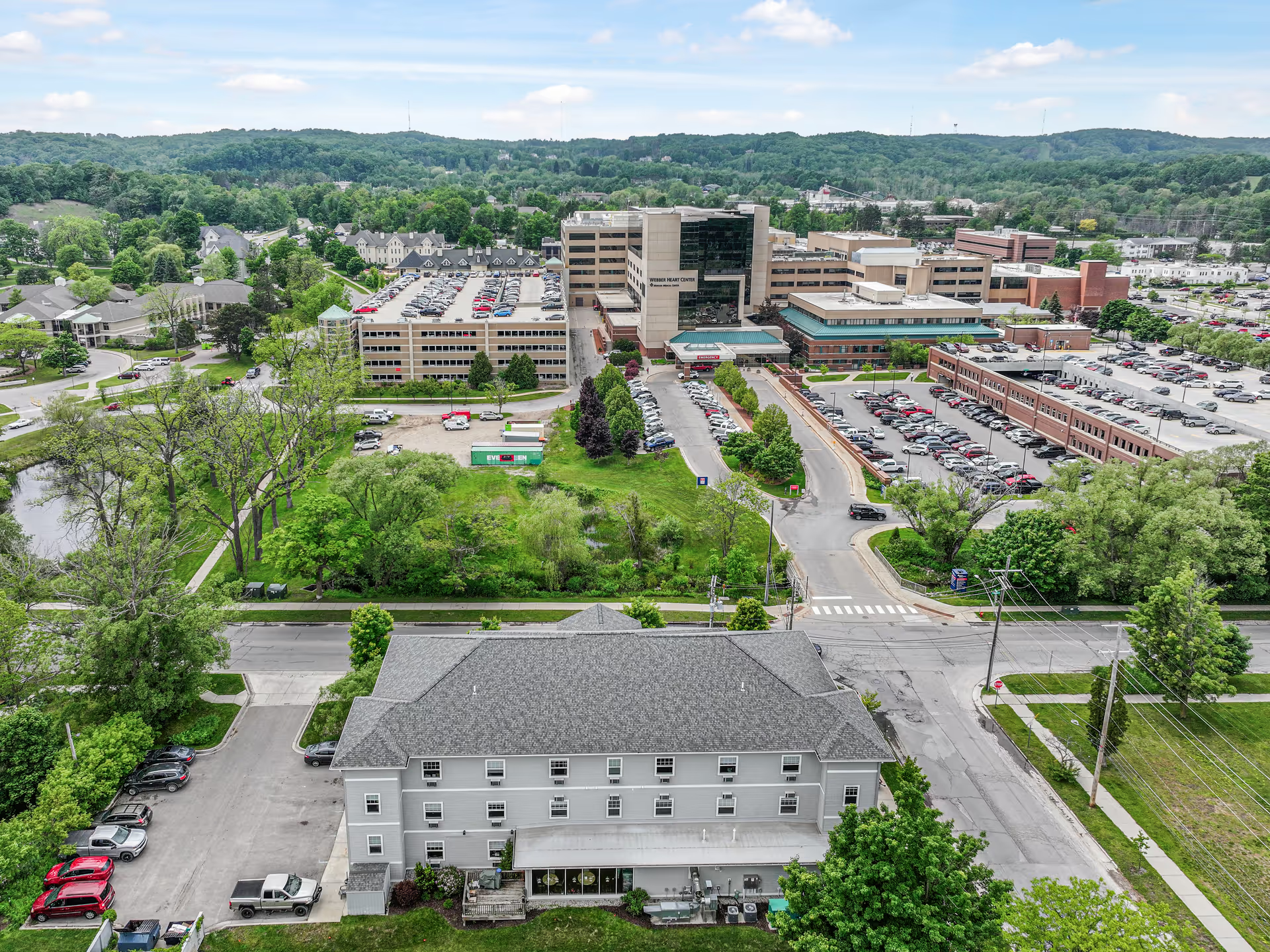
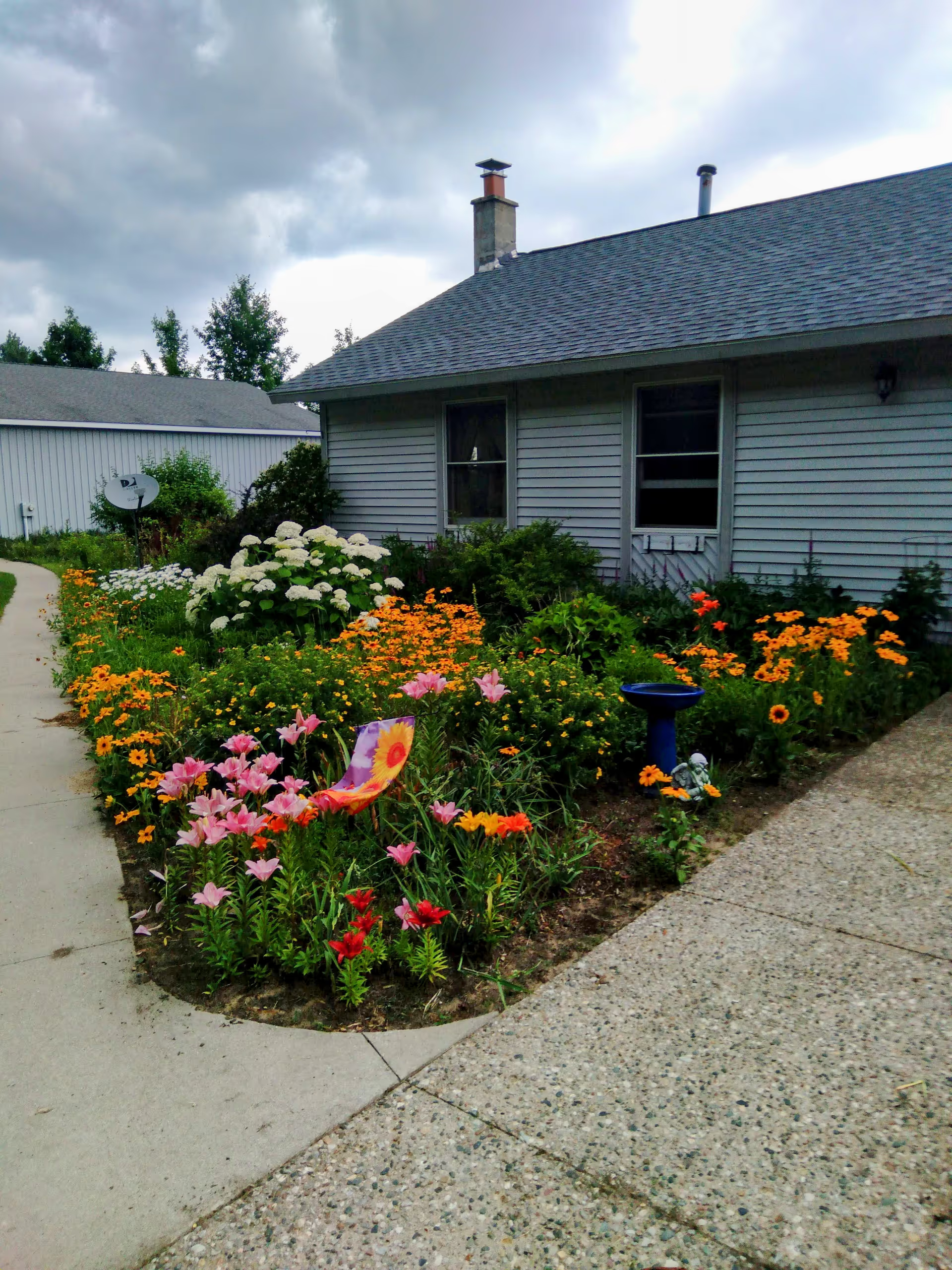
Activities and social programming are a distinct strength. Reviews note a broad schedule of activities, guest performers, religious services, and opportunities for family participation that support engagement, particularly in memory-care households. The facility’s location—adjacent to a medical campus with trees and walking paths—is cited as a favorable amenity for residents and families alike.
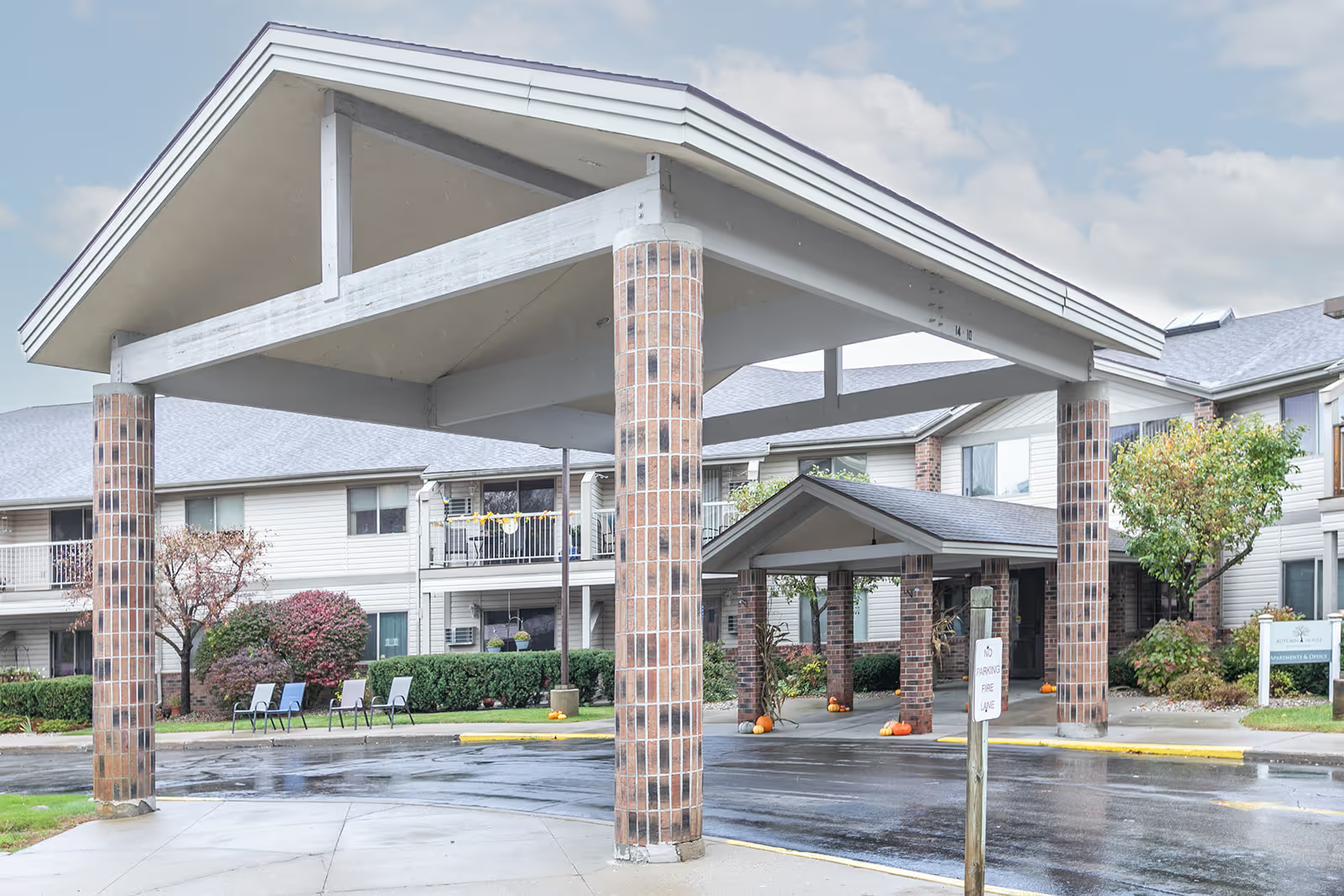
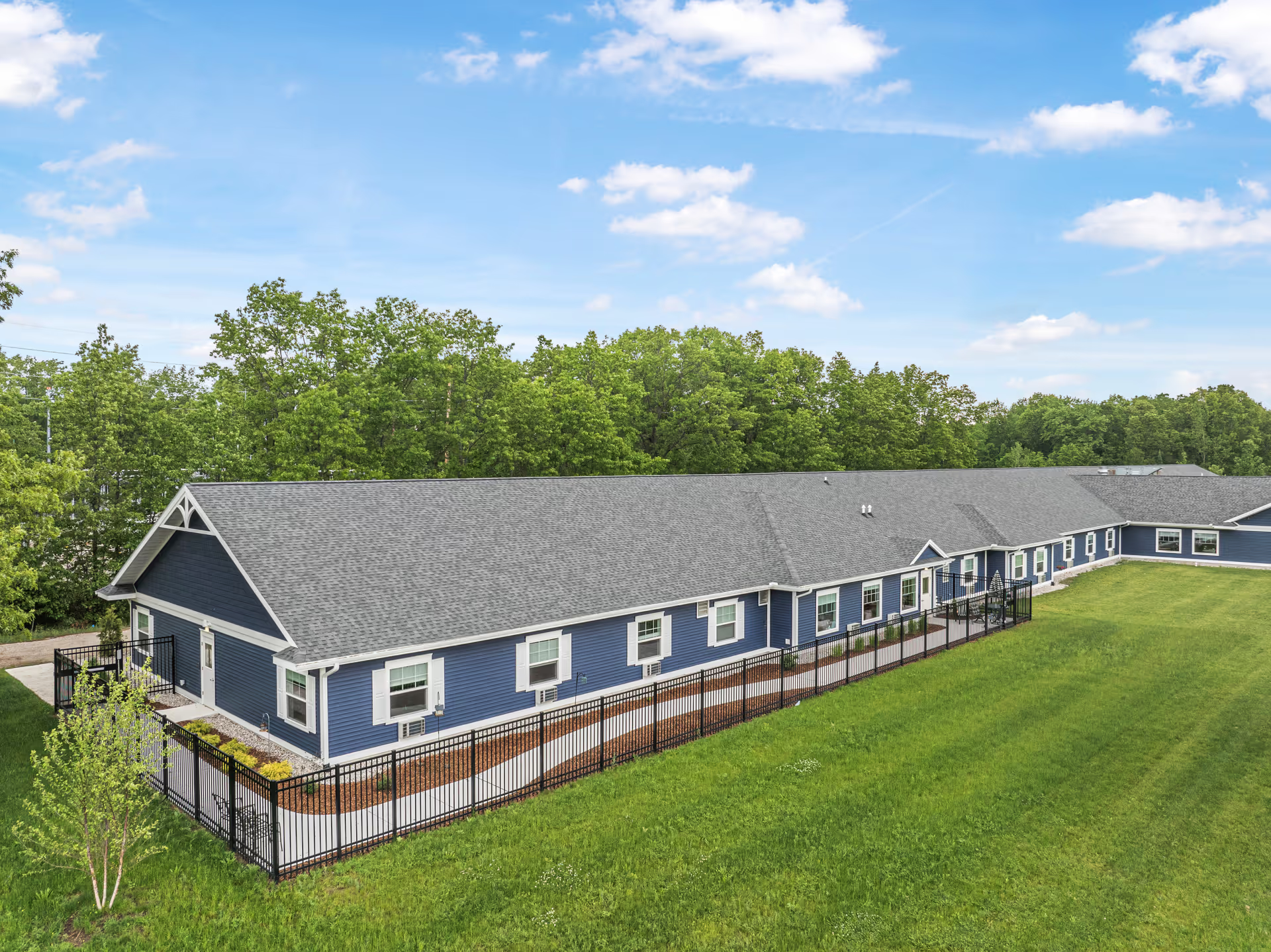
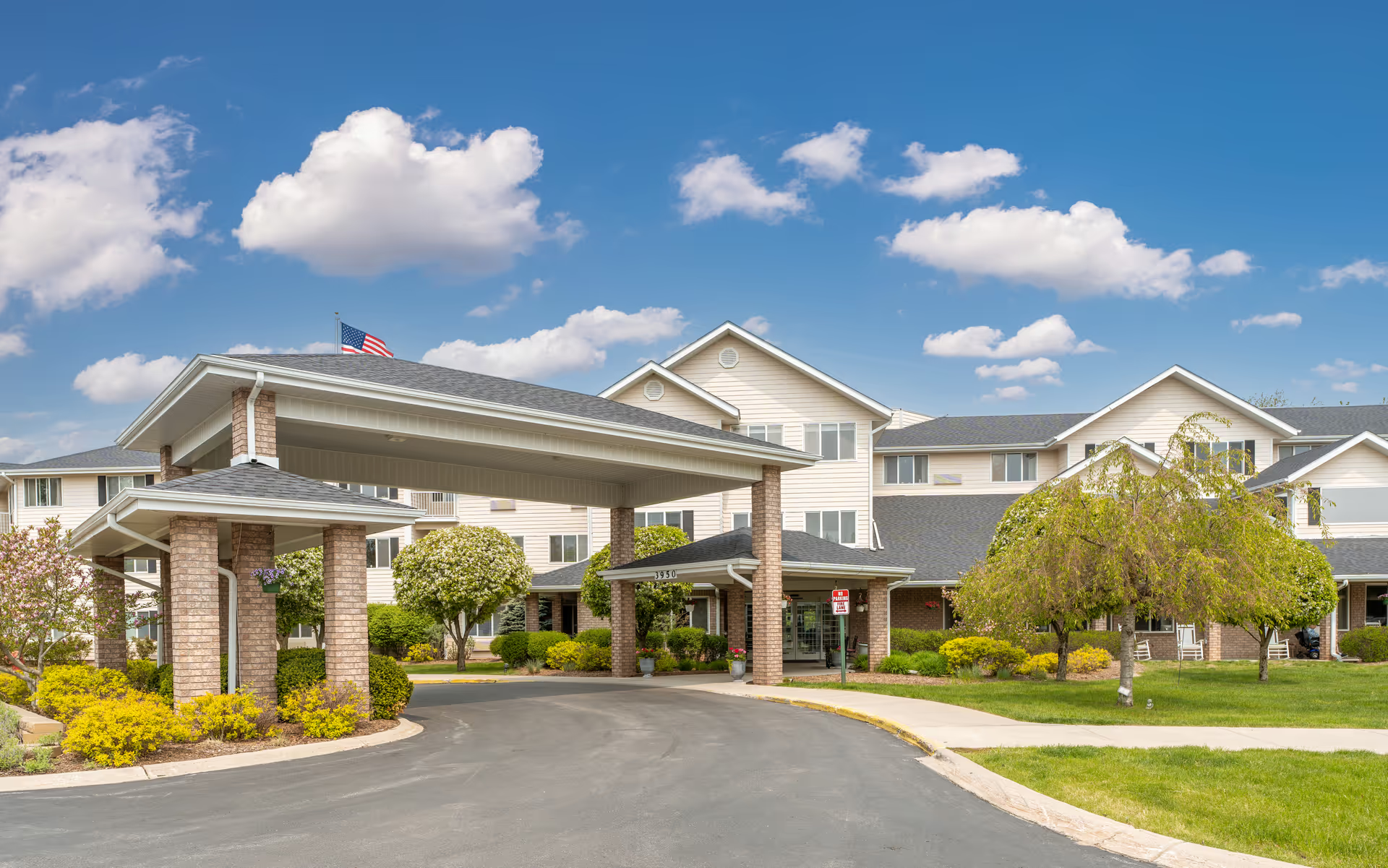
Facility condition and logistics present a mixed picture. The building is often described as clean and well maintained, with residents able to personalize rooms and access private rooms; at the same time reviewers indicate that parts of the facility would benefit from renovation or redecorating and that private-bathroom access may be limited for some rooms. Operational weaknesses include variability across shifts—notably night-shift supervision and inconsistent staff professionalism—and periodic staffing shortages that can affect continuity of care.
Overall, prospective residents and families can expect strong hands-on caregiving, engaged management, and active programming, with the trade-offs of variable meal quality, some decor and facility-age issues, and occasional staffing or conduct inconsistencies across shifts. For families prioritizing close personal attention, memory-care expertise, and responsive management, the facility frequently meets expectations; families for whom consistently high culinary variety or newly renovated surroundings are top priorities may want to discuss those specific aspects during a tour and ask about room bath availability and staffing patterns for the resident’s likely schedule.