The review corpus for Brownstown Forest View Assisted Living is highly polarized: many families describe a small, home‑like community with engaged caregivers, frequent activities, and reasonable pricing, while an overlapping set of reviews raises serious operational concerns. Positive comments emphasize a clean, odor‑free facility, personal attention from identified staff members, organized activities (bingo, prom, outings), restaurant‑style dining options, and availability of therapy services. These strengths are often cited as delivering tangible value for families seeking assisted living rather than higher‑level nursing care.
Care quality impressions vary markedly. Numerous accounts praise compassionate, attentive caregivers who respond promptly, keep residents clean, and provide meaningful social engagement. Conversely, reviewers also identify systemic problems: inconsistent staffing levels, limited or no licensed nursing coverage on some shifts, and gaps in medication and clinical oversight. Those operational gaps are associated in reviews with delayed assistance to call bells, shortcomings in transfer and mobility support, and concerns about fall prevention and recovery protocols. The facility does offer OT/PT services and end‑of‑life care for some residents, which several families noted positively.
Staff and workplace culture show a split pattern. Several long‑tenured employees and specific supervisors receive repeated praise for professionalism and going above and beyond. At the same time, many comments describe high turnover, hiring of inexperienced or uncertified aides, and periods when staff appear overextended (cell‑phone use, limited visibility in hallways). Reviewers also cite incidents of unprofessional communication, restricted family access to clinical information, and at least one mention of alleged privacy or HIPAA‑related concerns.
Dining and activities are both sources of praise and complaint. Positive reviews highlight varied menus, sandwich options, special dining events, included laundry and cable, and an active calendar with crafts, exercise, and themed events. Negative feedback centers on inconsistent food quality, overly processed/high‑sodium choices at times, and repetitive or scaled‑down activities with limited incentives. These differences again suggest variability by shift, time period, or management regime.
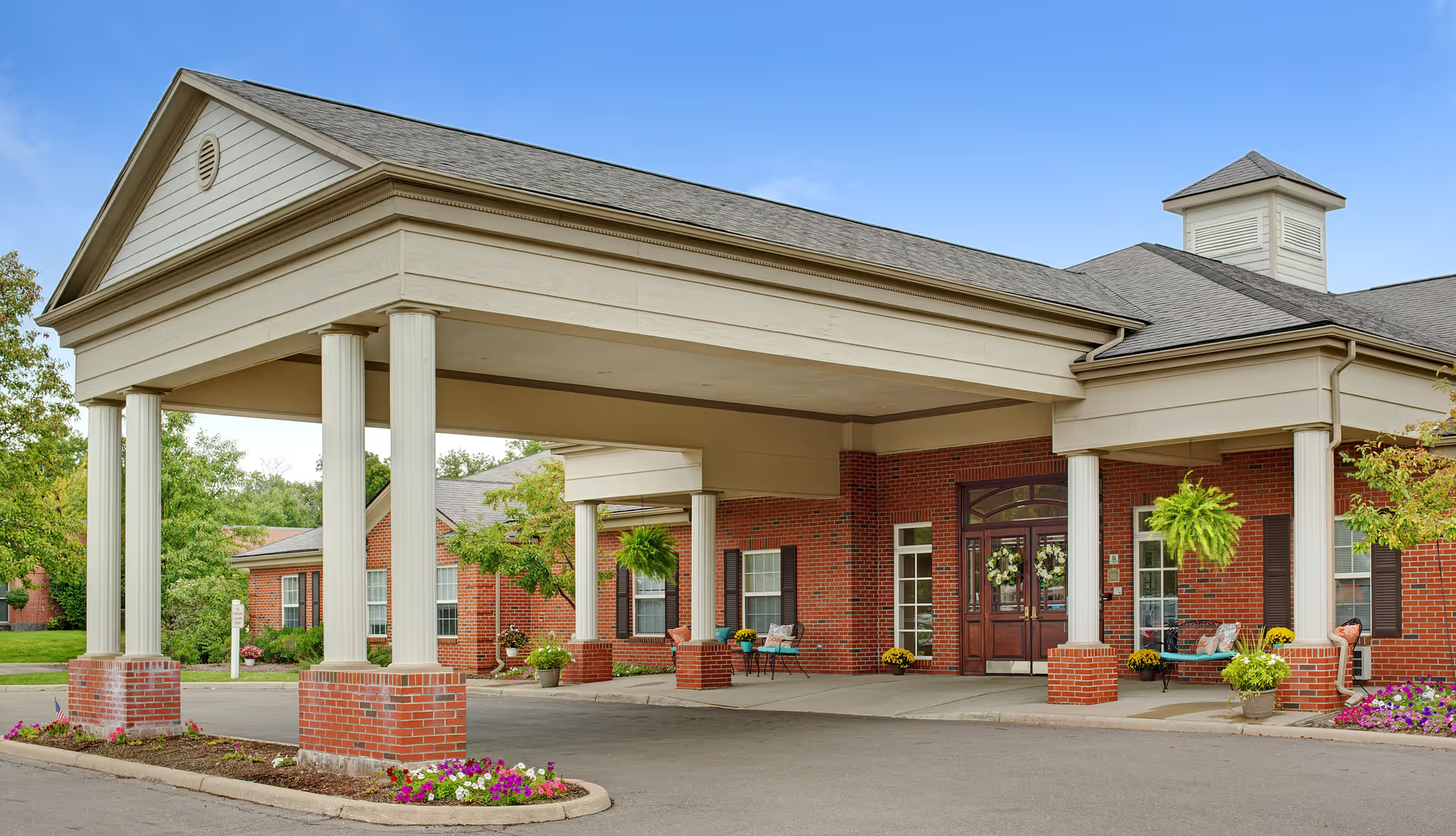
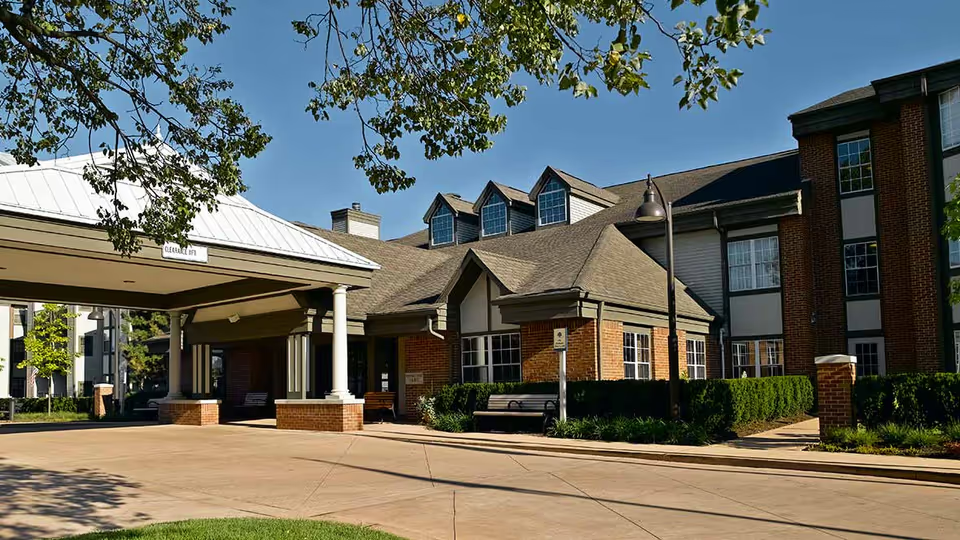
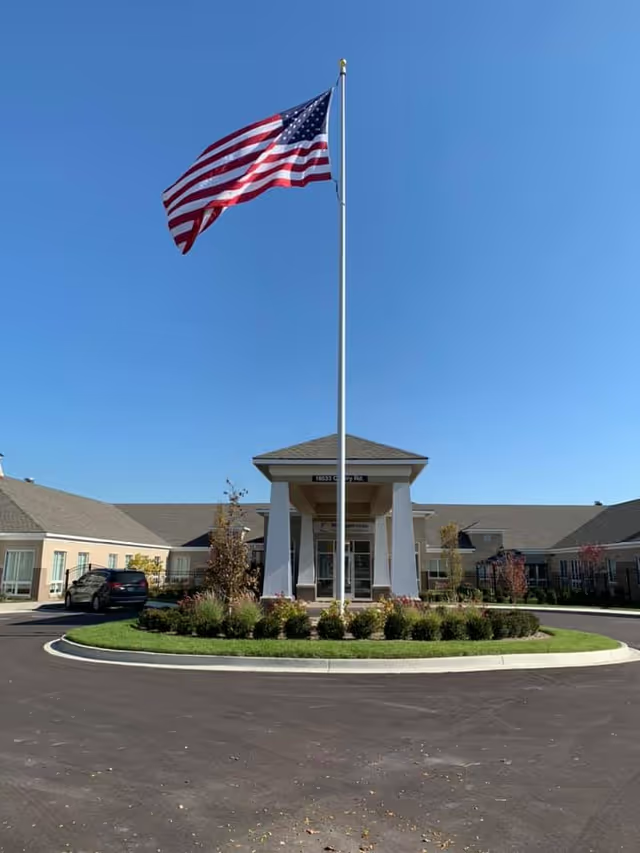
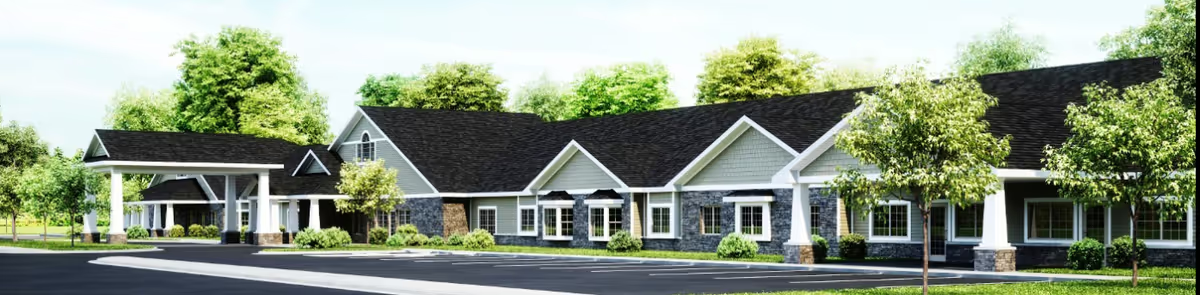
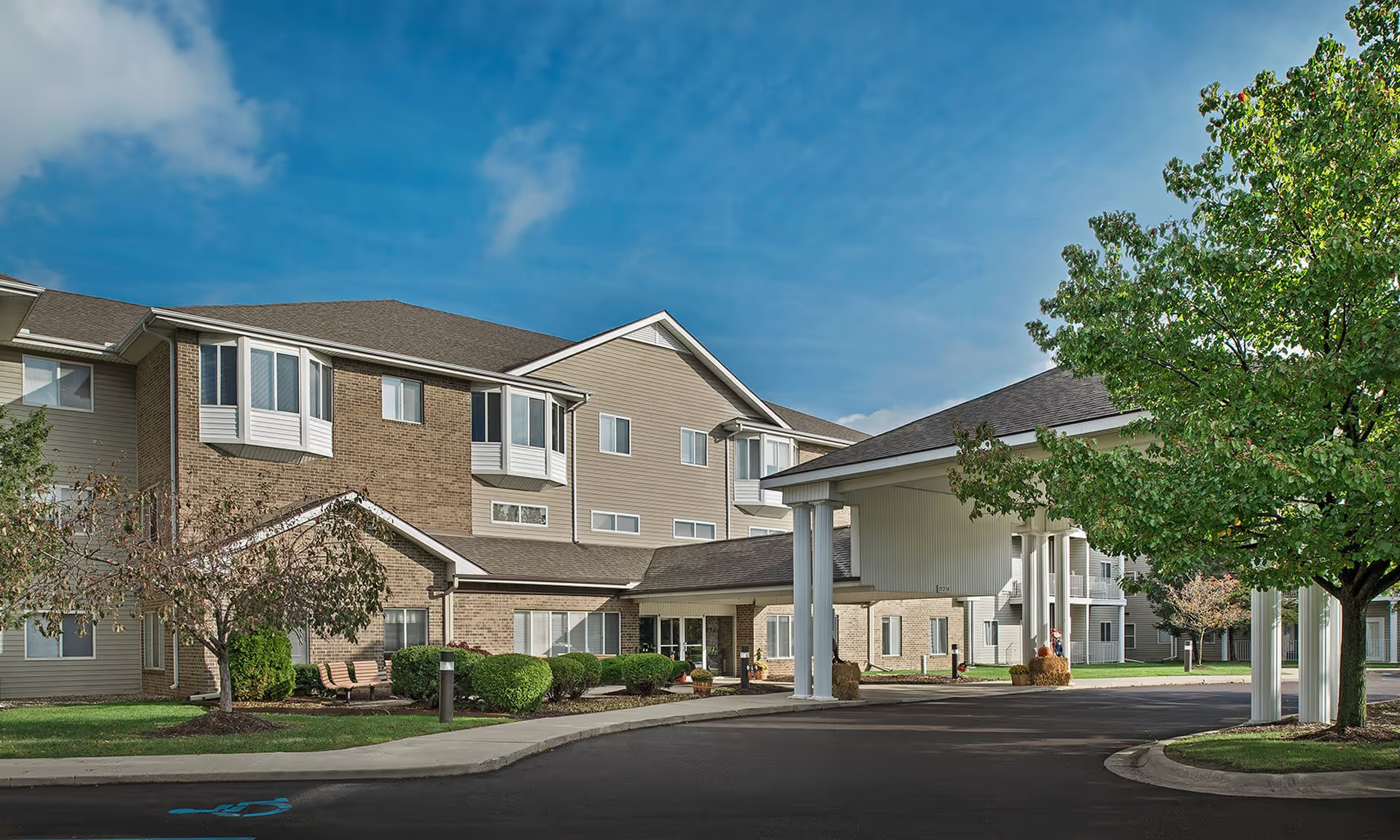
Facility condition and safety observations are mixed. Many families describe a clean, well‑maintained interior, furnished apartments, and pleasant common areas and patios. Others report lapses in linen management, isolated sanitation concerns, pest‑control issues, aging infrastructure, and security weaknesses such as slow after‑hours phone response or unlocked egress that raises wandering risk. These operational weaknesses point to inconsistent implementation of housekeeping and safety protocols.
Management and administration emerge as a central differentiator. Positive accounts cite responsive office staff and supervisors who address issues quickly. Negative accounts describe recent ownership or administrative changes, billing or transparency problems, uncooperative family communication, and adversarial interactions that have led some families to seek alternate placements. There are serious, individual allegations in a few reviews (including privacy concerns and adverse outcomes after clinical incidents); these underscore the importance of confirming current staffing, licensed‑nurse availability, and incident‑response processes during a tour.
Taken together, the pattern suggests that Brownstown Forest View can provide a warm, activity‑oriented assisted‑living experience under stable leadership and adequate staffing, but there is variability in performance tied to staffing levels, clinical coverage, and administrative consistency. Prospective families should prioritize on‑site verification: observe mealtimes and activities, ask for written staffing and nursing schedules, review recent inspection records and pest‑control documentation, confirm protocols for call‑bell response and transfers, and get clear billing and communication policies in writing. These steps will help align expectations with the facility’s current operational realities.