Overall impression: Reviews portray Genesis Senior Living as a small, home-style community with consistently positive feedback about staff and day-to-day care. Families describe caregivers as attentive, compassionate and responsive; staff are characterized as well trained, personable, and willing to accommodate individual requests. Many reviewers emphasize a family-like atmosphere, quick responses to needs, and management that is organized and supportive. Those elements appear to provide families with a sense of safety and relief from caregiving responsibilities.
Care and staff: The strongest and most recurrent praise centers on direct care. Caregivers are described as prioritizing comfort, monitoring residents’ conditions, and providing individualized attention (examples include assistance with meals, daily walks, and special accommodations). Medical responsiveness and consistent daily routines are noted positively; reviewers also mention specific staff actions that reinforce trust, such as prompt problem resolution and close observation of health changes. Staffing is framed as a key strength in the community’s operation.
Dining and activities: Dining receives favorable comments—meals are described as enjoyable and residents are said to eat well. The dining area and meal service are cited as contributing to residents’ satisfaction. Activity provisions are more mixed: reviewers reference organized offerings such as movie afternoons and daily walks, but also express that programming can be limited, have low participation, or lack sufficient stimulation for some residents. In-room entertainment is limited (some rooms lack televisions; alternative devices are provided on request), which may affect resident engagement outside of group activities.
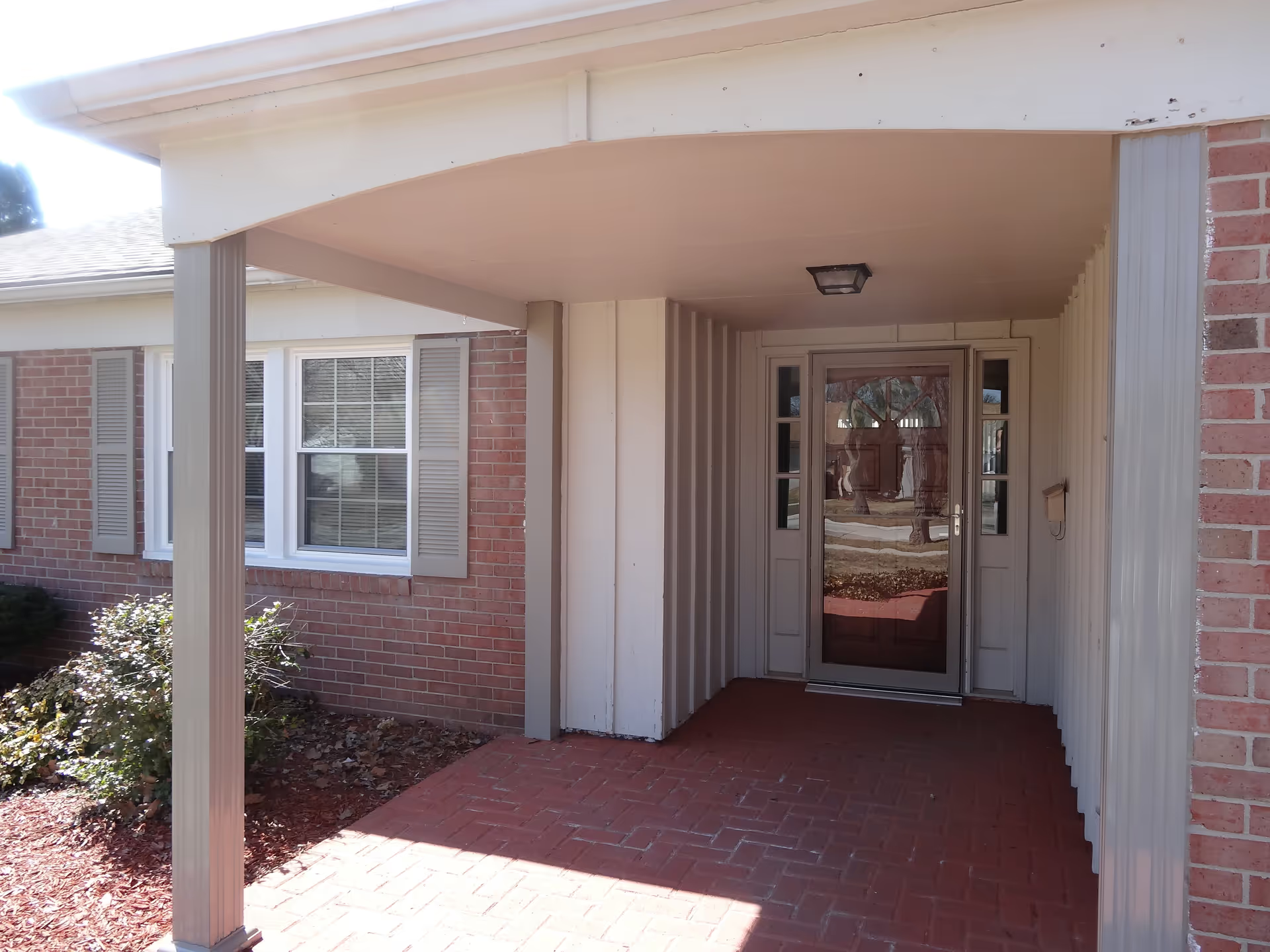
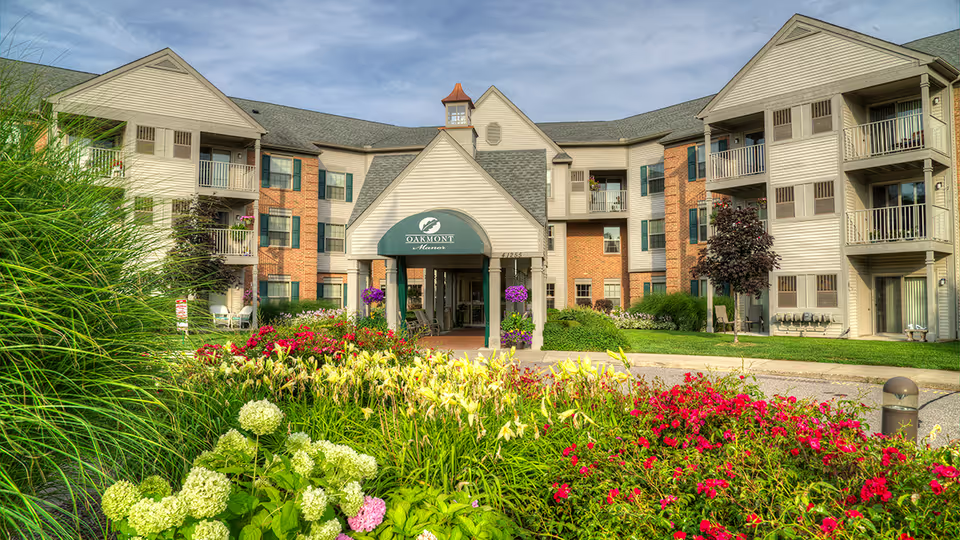
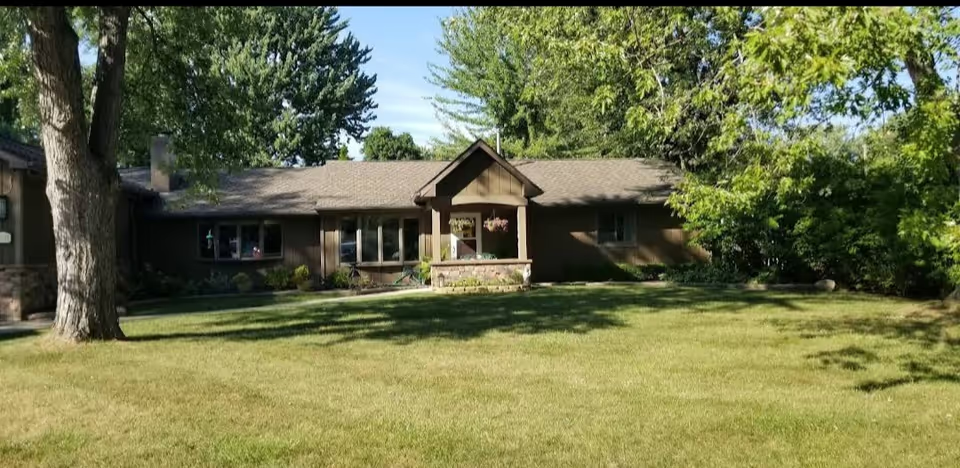
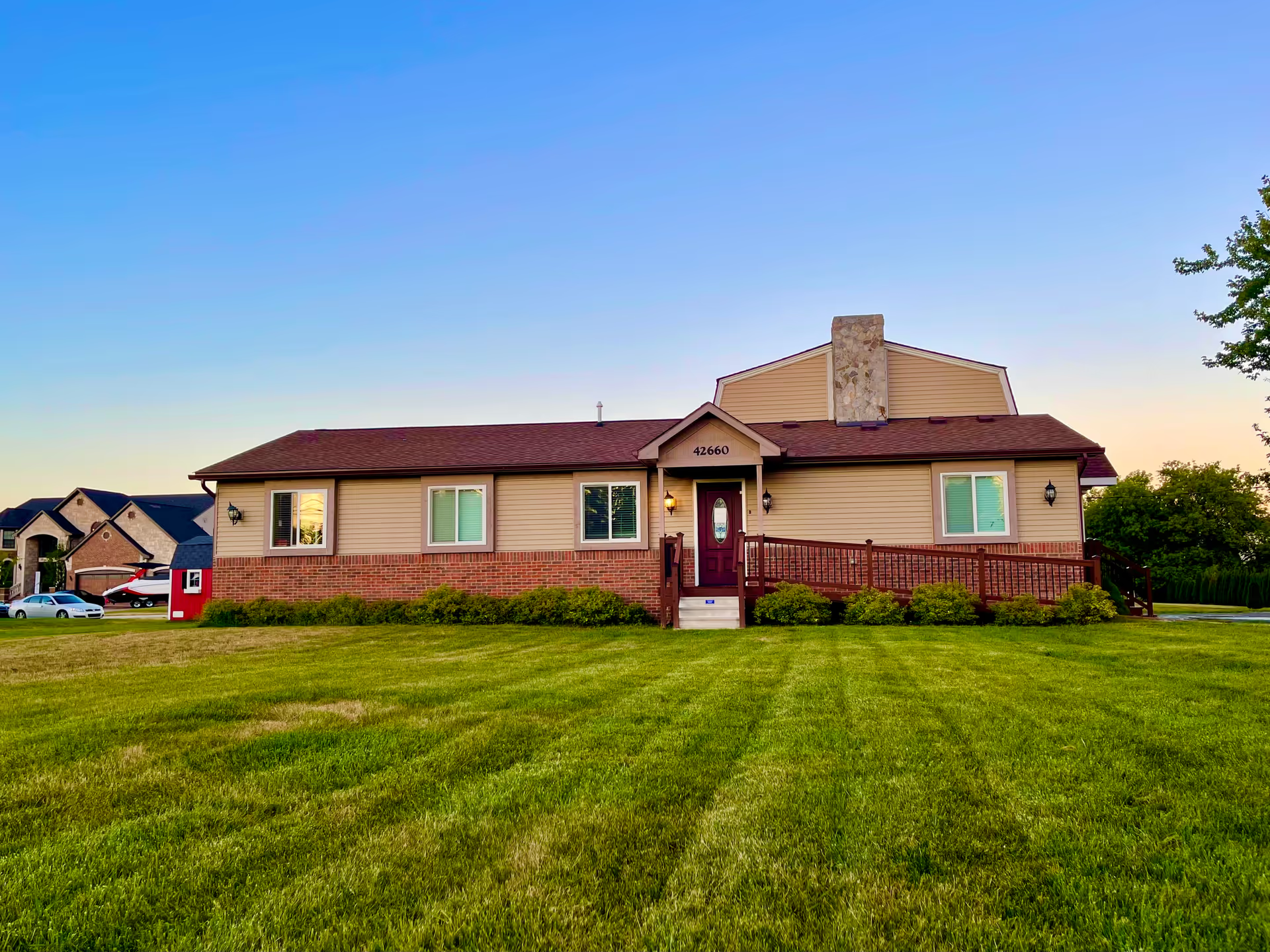
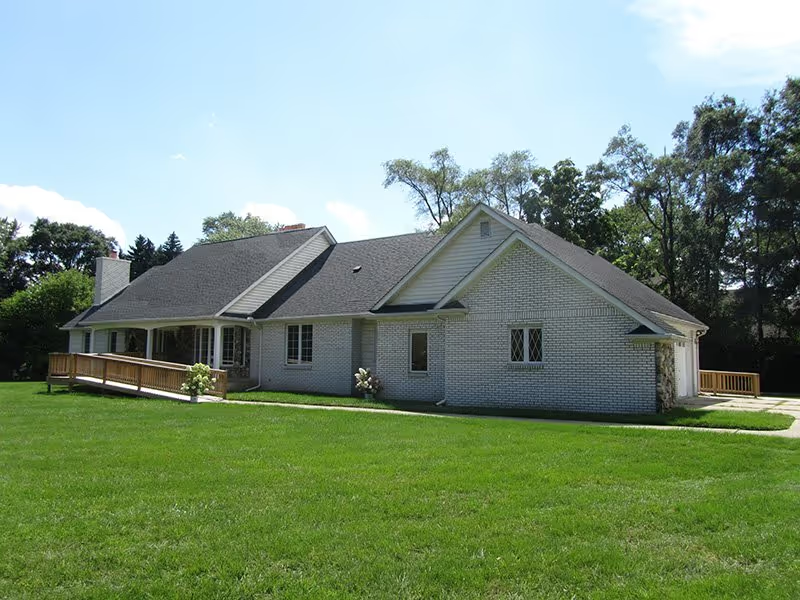
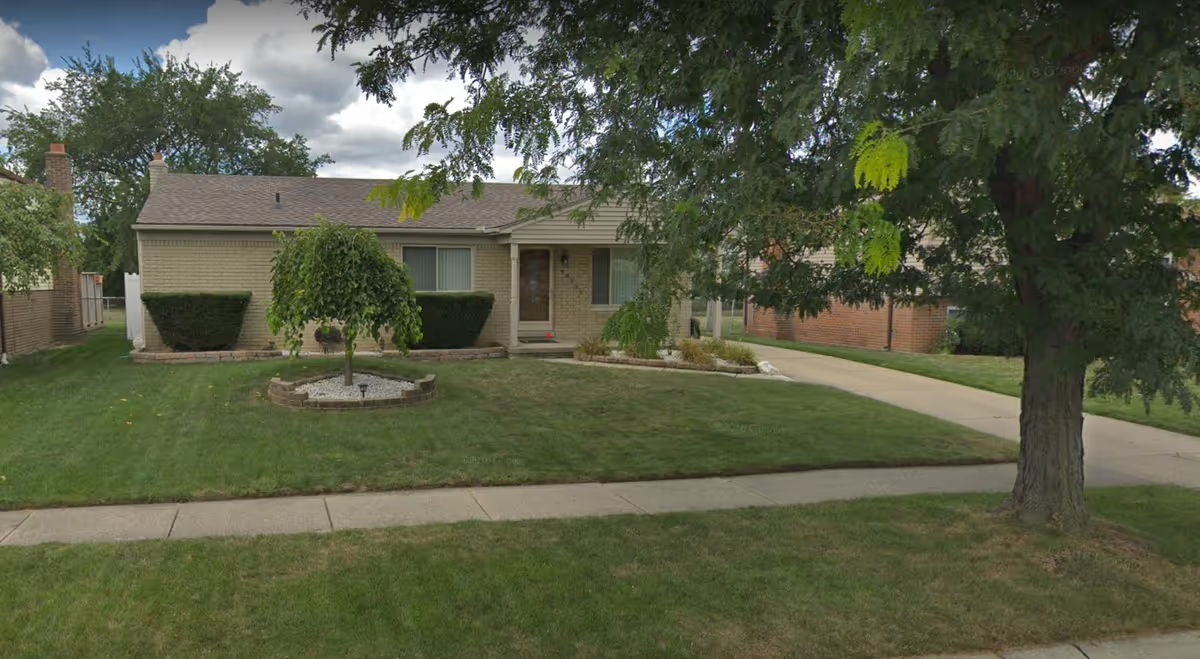
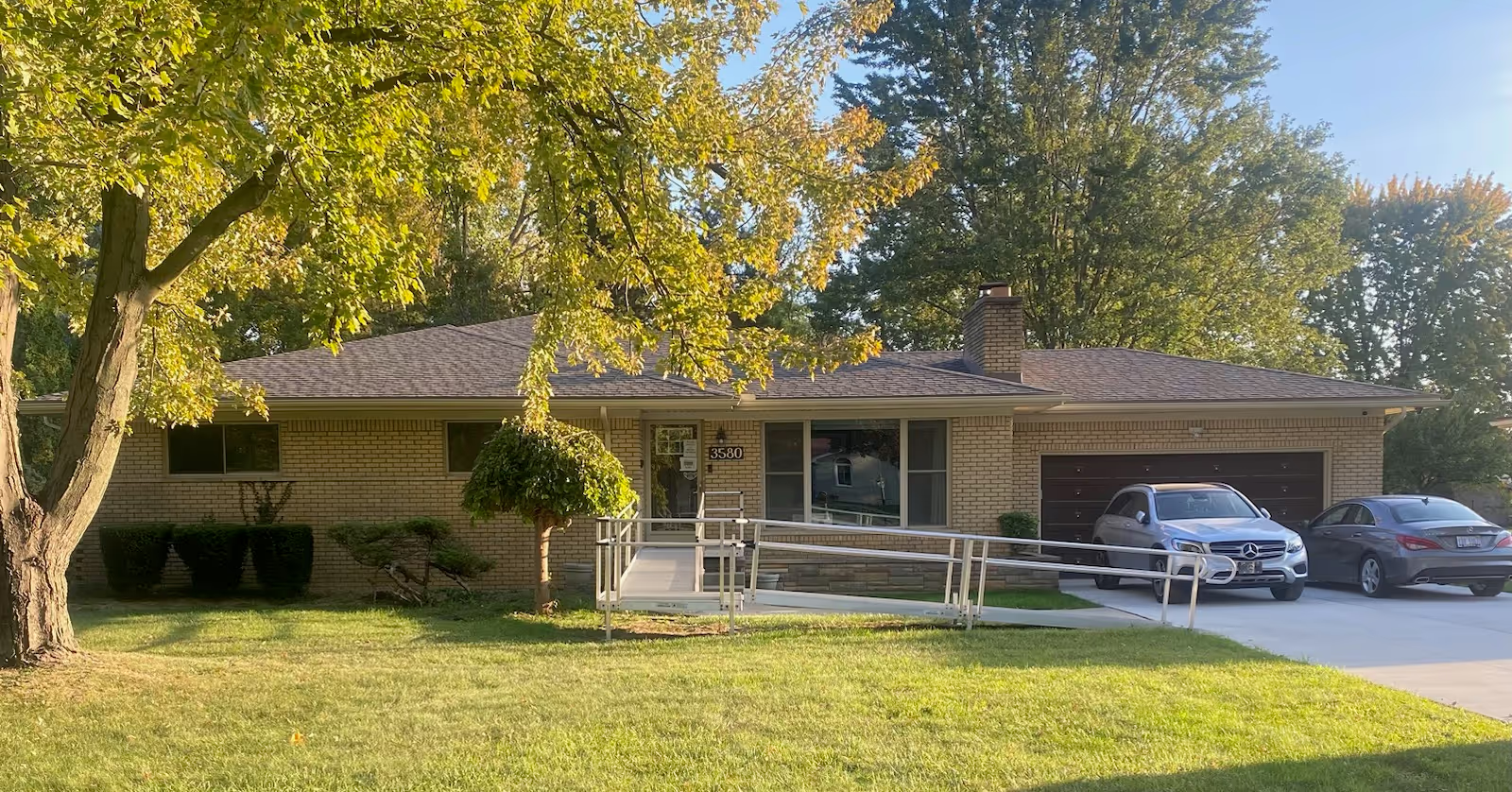
Facilities and environment: The property is repeatedly described as clean, well-kept, and odor-free, with comfortable private rooms that offer natural light and views. The physical layout—ranch-style, open with wide doorways and roll-in showers—supports accessibility. At the same time, several comments compare the community unfavorably to larger or newer facilities; reviewers note ongoing renovations and visible construction activity that can be disruptive. Capacity constraints and occasional lack of available rooms were also mentioned.
Management and notable patterns: Management and ownership receive positive mention for being supportive, responsive, and forward-looking (expansion plans were referenced). The prevailing pattern is high satisfaction with interpersonal care and operational responsiveness, paired with trade-offs typical of a smaller, home-style community: more intimate staffing and atmosphere but fewer amenities and less robust activity programming than larger peers. A recurrent theme is that the community may be an excellent fit for residents who prioritize individualized, compassionate care in a smaller setting, while families seeking a broader range of activities, in-room media amenities, or a more contemporary facility may perceive limitations. Finally, reviewers’ comments on memory-care suitability are mixed—some find the memory services appropriate, whereas others feel residents with advanced memory impairment may need more structured social engagement than the community currently provides.