Sunrise of Troy is consistently described as a small, intimate community with a strong caregiving culture. Many families and visitors emphasize compassionate, personable staff and long staff tenures that contribute to a family‑like atmosphere. Nursing and clinical availability are generally viewed as responsive during admissions and transitions, and several accounts highlight effective transfer/rehab programs and coordination with hospice when needed.
Dining and hospitality are recurring strengths: reviewers report home‑style meals with varied entrees, a restaurant‑style dining room, and attentive dining staff. At the same time, there are periodic comments about meal temperature and occasional service lapses, suggesting that consistency in meal delivery can fluctuate during busy periods.
Activity programming is broad and lively, with frequent scheduled events, outings, music, craft spaces, a salon, and a visible social life. The community appears well suited to socially engaged residents; however, multiple observers noted that some activities may not be well adapted to residents with lower cognitive or physical function, indicating a potential gap in program inclusivity.
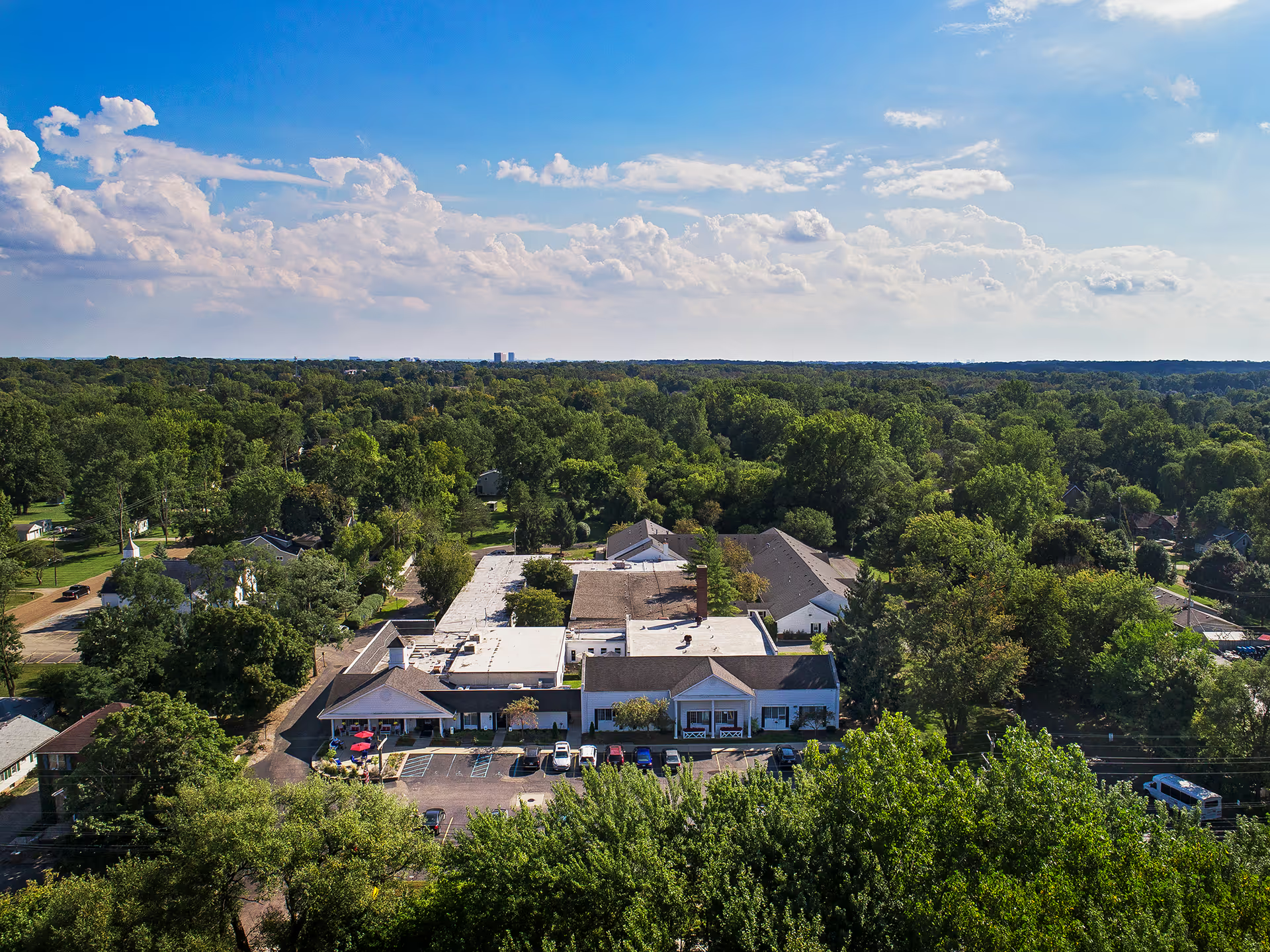
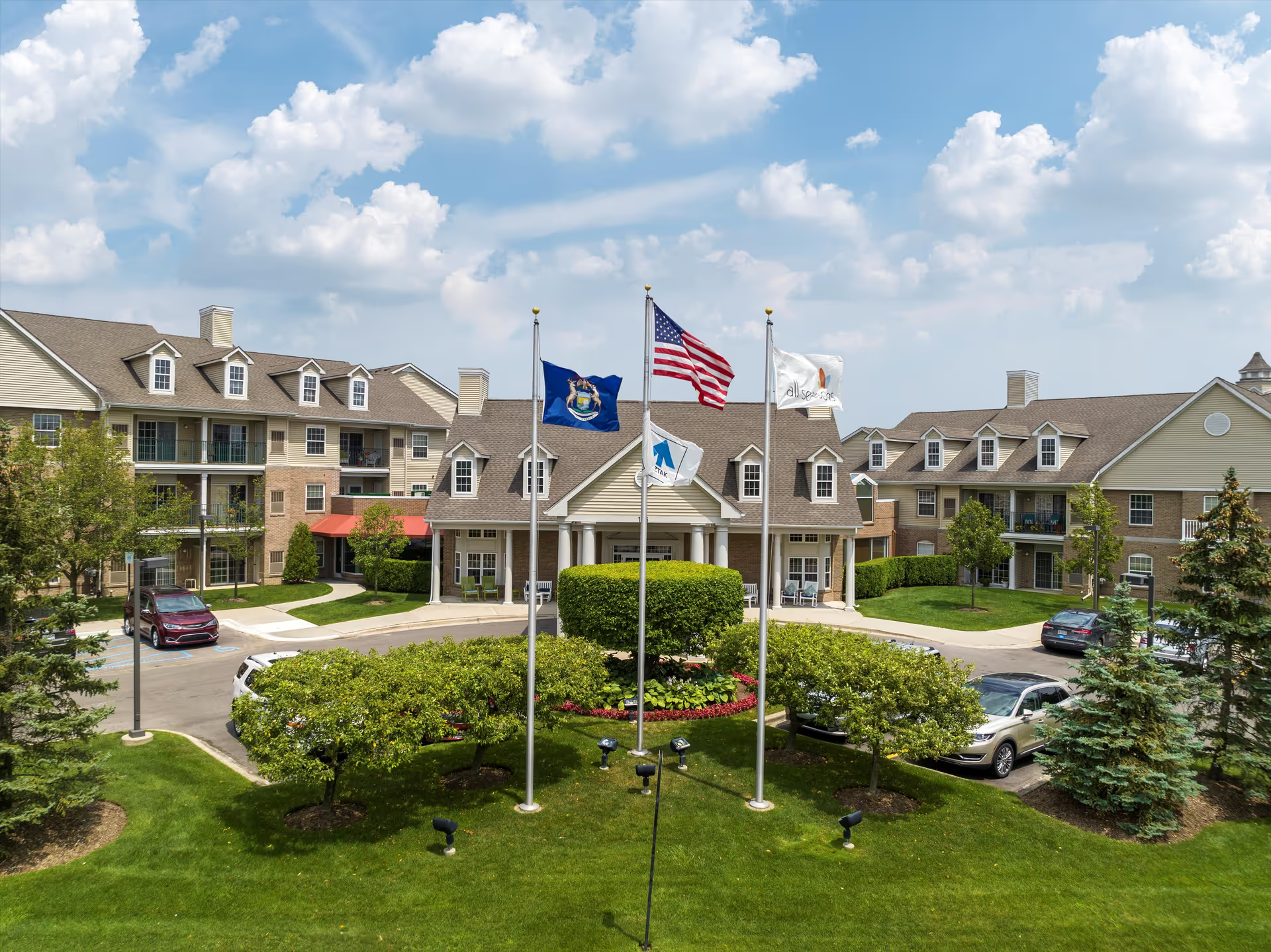
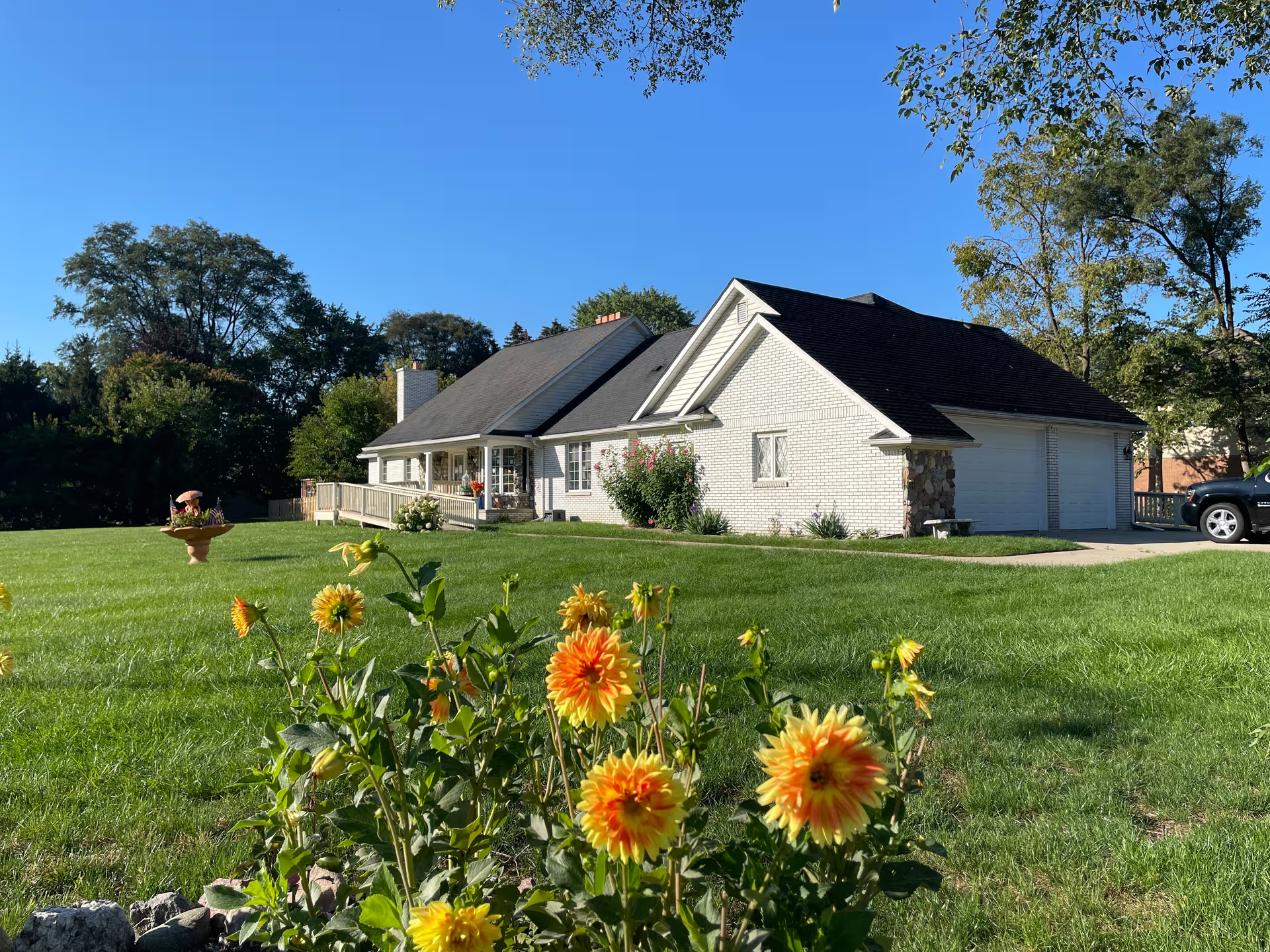
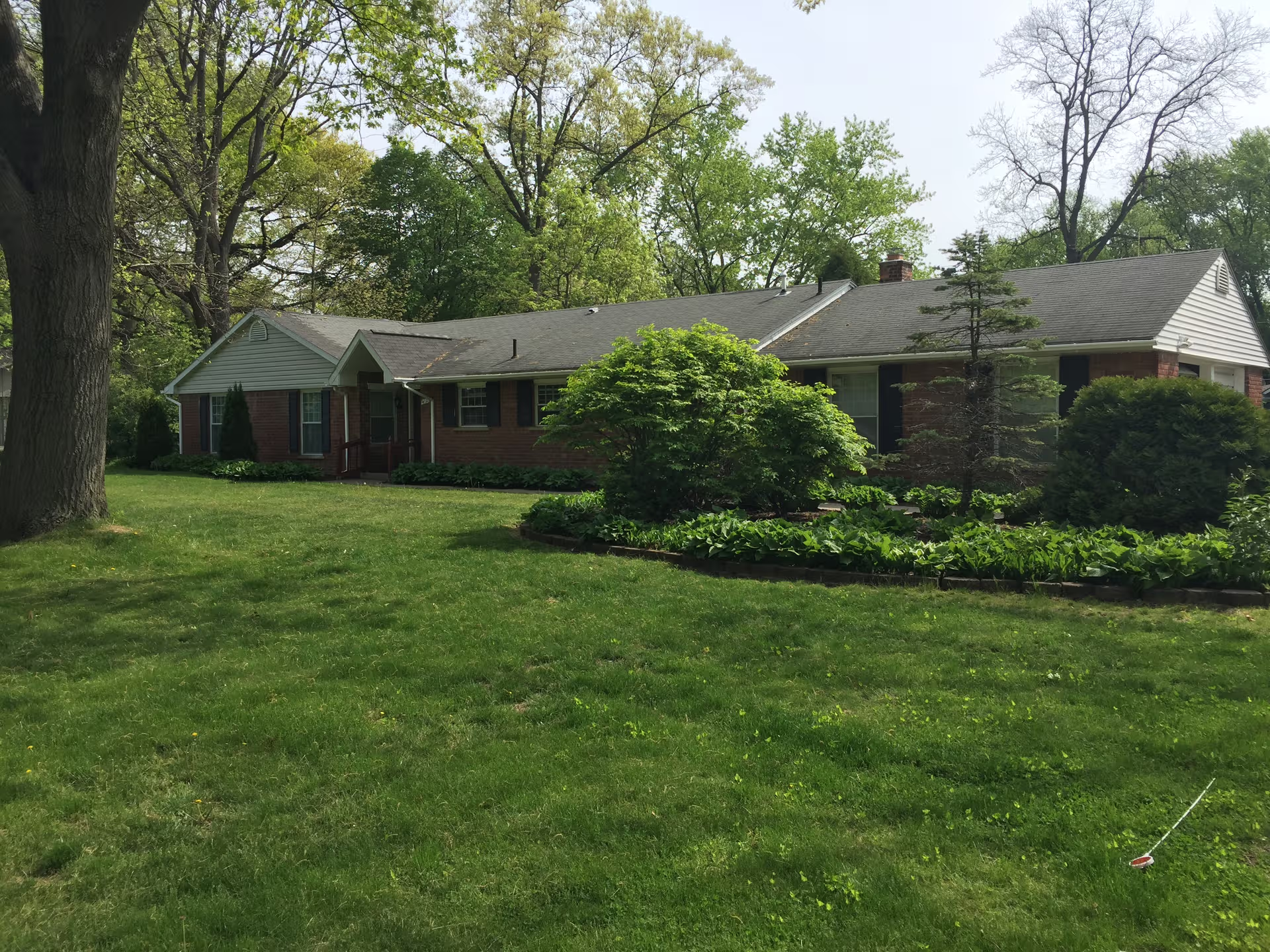
Facility and physical‑plant observations are mixed. The building and common areas are frequently described as attractive, well‑decorated, and clean, with pleasant outdoor/courtyard views and secure monitored entry. At the same time, rooms are often characterized as small, and finishes such as carpeting and some dated areas were identified as needing refresh. HVAC performance in certain units was described as slow to cool, and a few reviewers mentioned odor concerns in entry or common areas — issues that may be more noticeable at times of high occupancy or during renovation.
Management and operations present a blend of strengths and persistent concerns. Admissions, clinical handoffs, and some frontline staff interactions receive positive comments for clarity and compassion, and several reviewers cited effective point persons who facilitated transitions. However, recurring operational issues include intermittent understaffing (notably at night), housekeeping inconsistencies, occasional unfriendly or inconsistent communication from administrative or front‑desk personnel, and billing errors. There are also indications that an increasing proportion of higher‑acuity residents is placing additional demands on staffing and supervision.
Overall, Sunrise of Troy appears to offer warm, person‑centered care in a small, social setting with strong dining and activities. Prospective residents and families should weigh those strengths against operational considerations such as room size, occasional housekeeping and dining inconsistencies, HVAC and finish updates, and the potential for response delays during periods of reduced staffing or higher resident acuity. Those priorities should guide tours and questions about staffing ratios, nighttime coverage, housekeeping schedules, billing procedures, and how activities are adapted for residents with differing support needs.