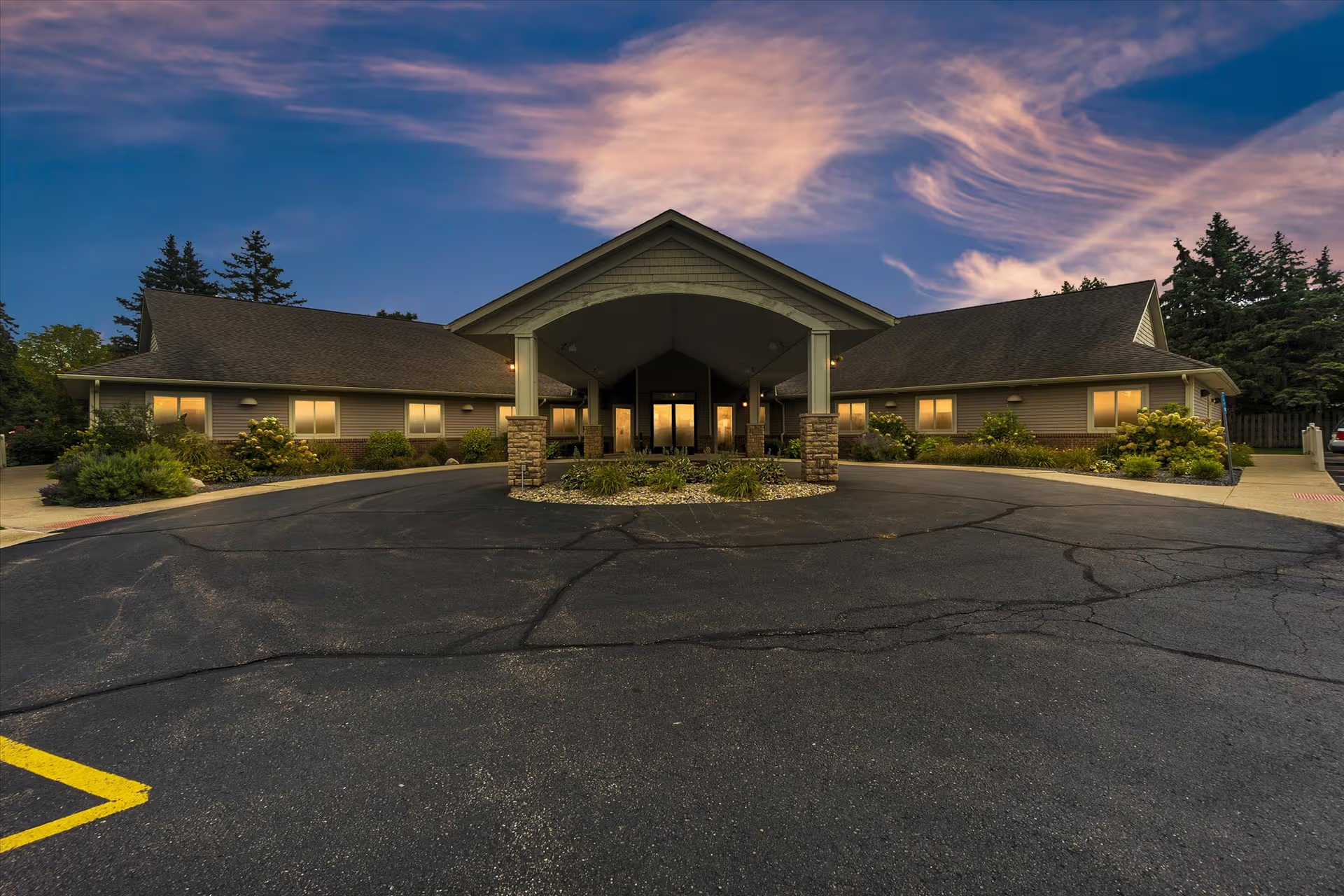
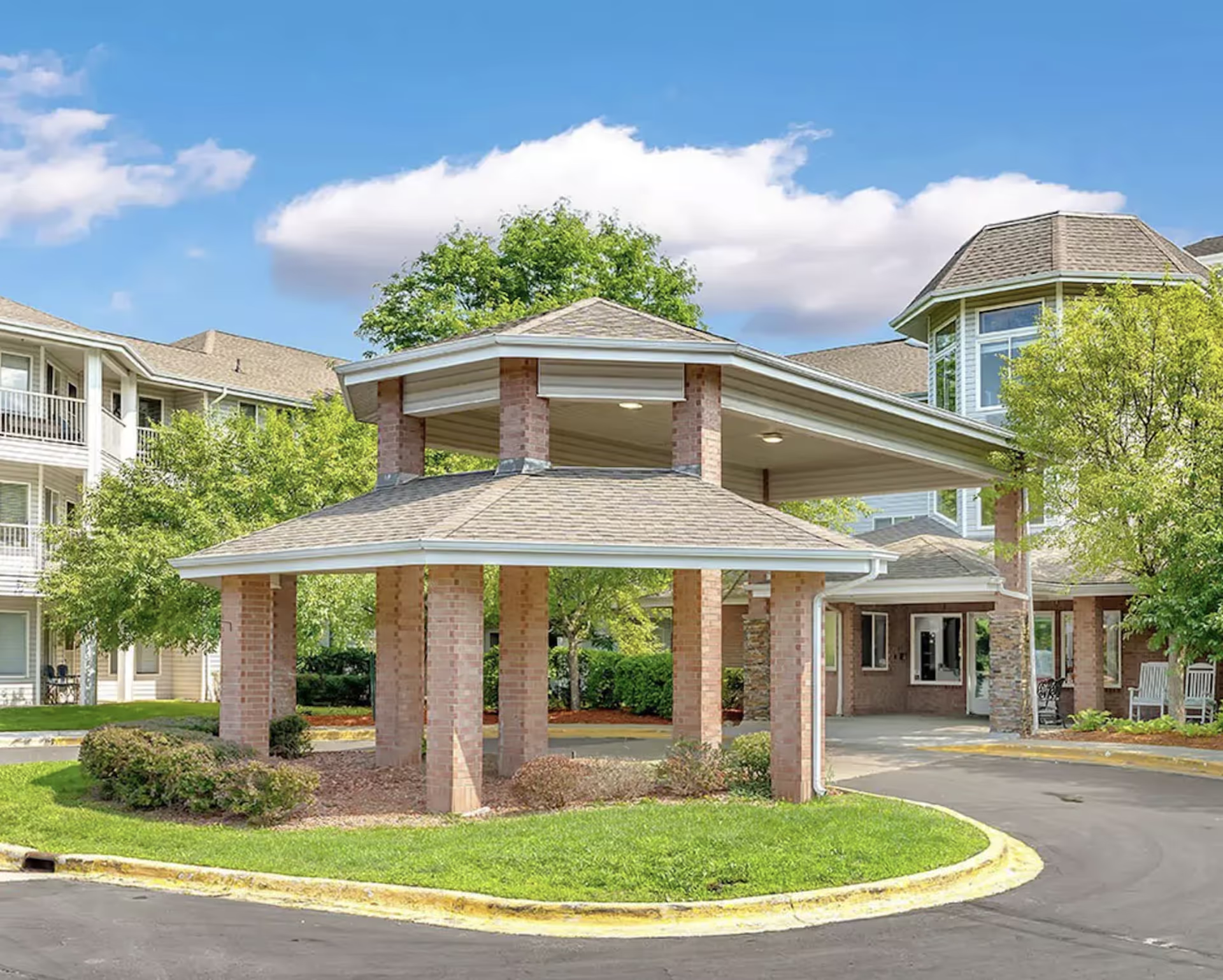
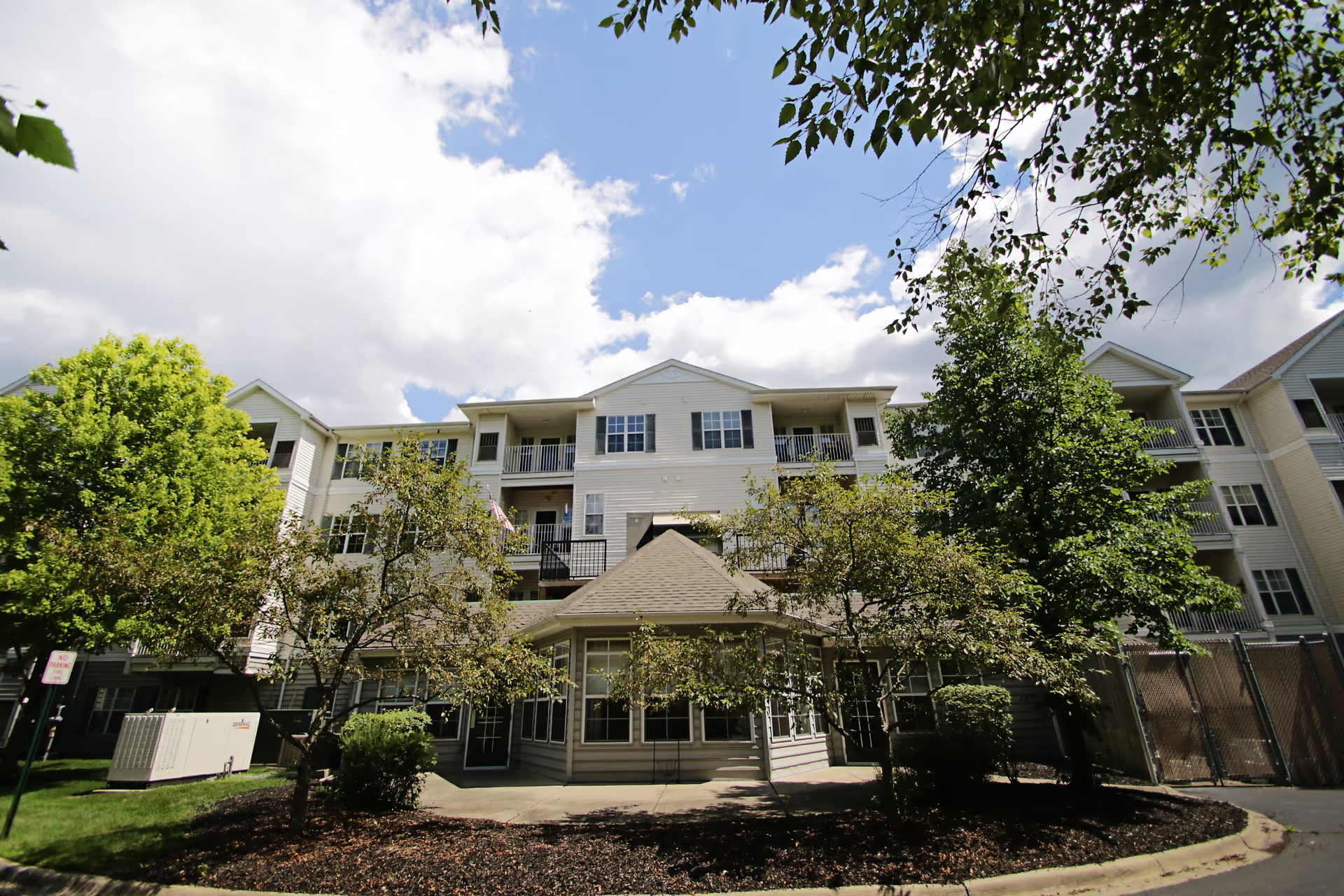
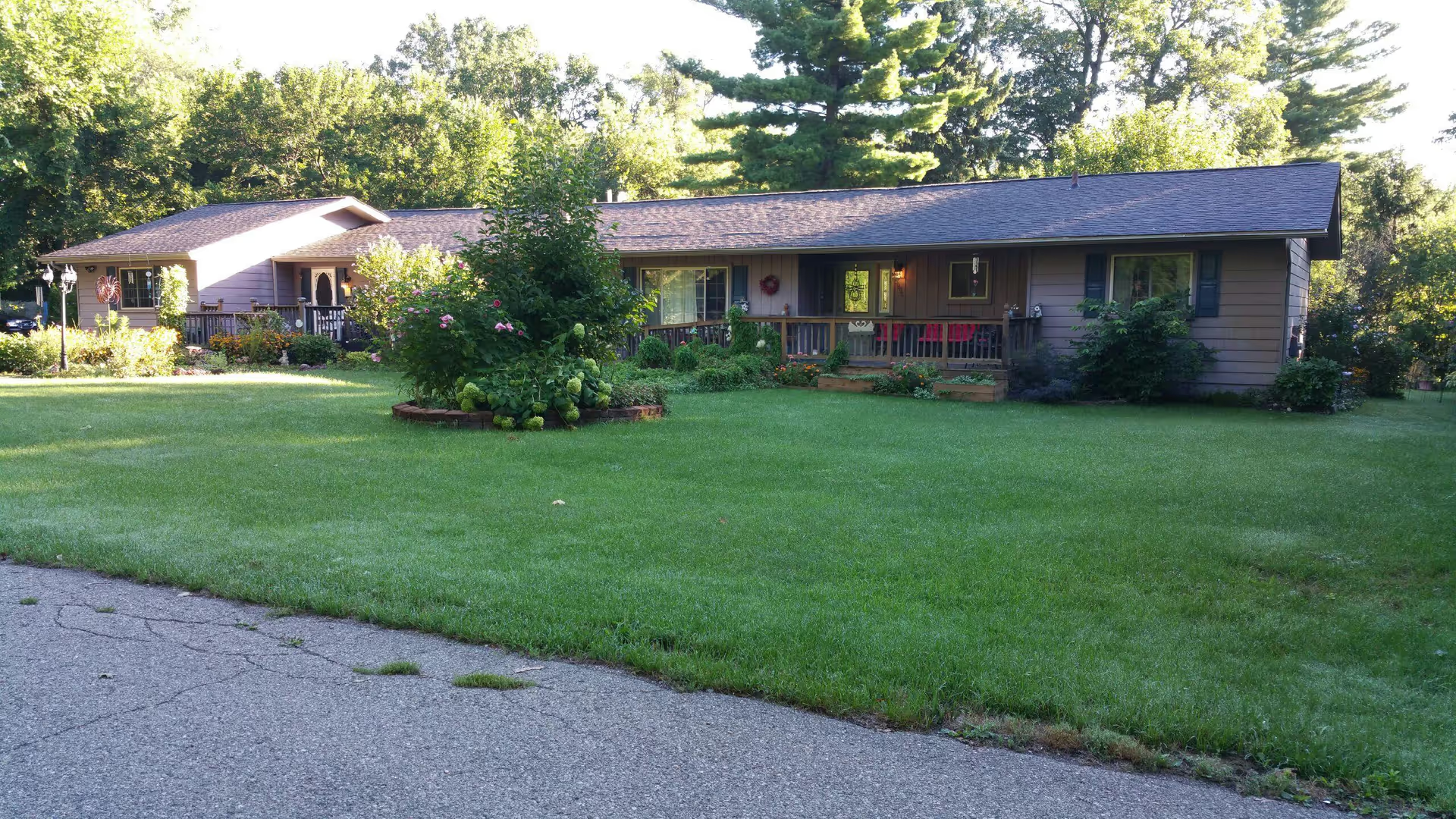
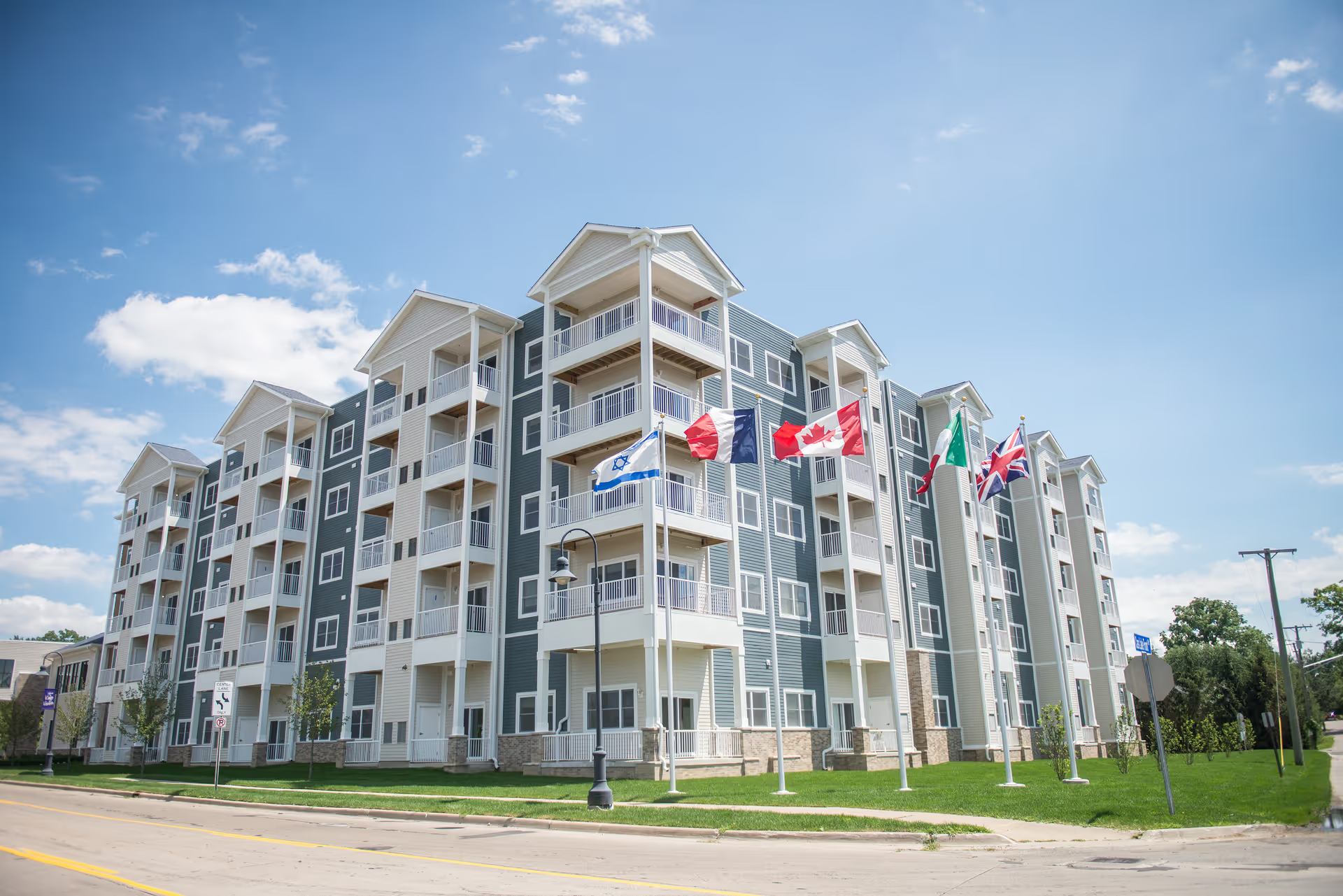
Lourdes Senior Community is consistently described as a well-maintained, attractive campus with notable outdoor amenities and a clear faith-based identity. Reviewers praise the lakefront setting, landscaped courtyards, walking trails, and the resort-like feel of the grounds. Interior spaces and apartments are frequently described as clean, spacious, and well-appointed; common-area amenities such as laundry on-floor, beauty shop, library, and a pleasant dining room support independent and assisted living lifestyles. The facility operates a true continuum of care with separate buildings for independent and assisted living plus memory care and a rehab unit, which is an advantage for residents who expect to remain on one campus as needs change.
Care and clinical services receive mixed but specific feedback. Rehabilitation (physical and occupational therapy) is often singled out for strong, continuity-focused care and positive outcomes; several families credited PT/OT teams with meaningful functional improvement. Many reviewers described compassionate, respectful, and family-oriented interactions with nursing aides, CNAs, and some nurses; pastoral staff and regular religious services are repeatedly identified as strengths. At the same time, there are recurring concerns about inconsistency in staffing and responsiveness, particularly across different shifts. A number of families raised serious clinical-event concerns—including questions about medication management, timeliness of emergency escalation, and follow-up after adverse events—that they felt were not handled to their satisfaction. These appear as high-impact but unevenly distributed issues rather than a uniform pattern of care.
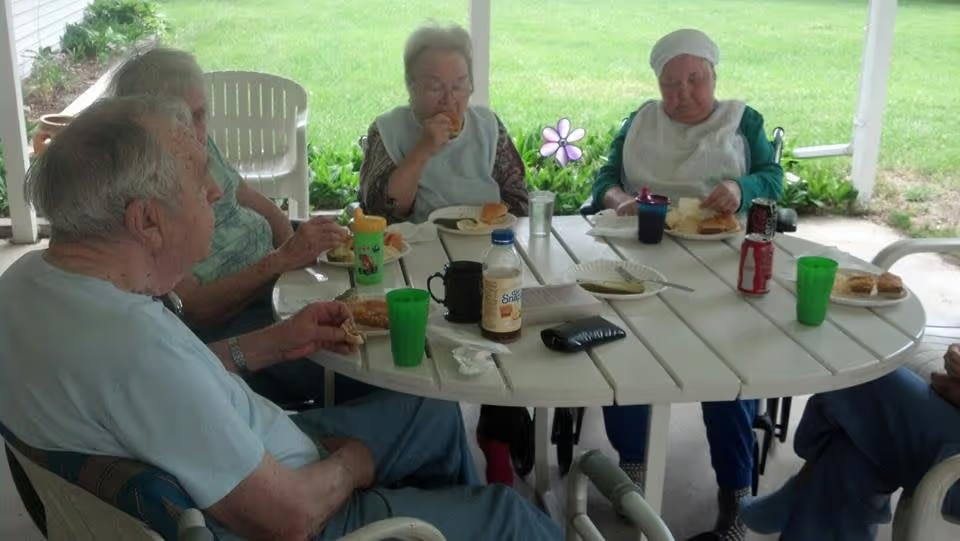
Dining and activities are a visible part of campus life. Activity programming, shuttle/transportation, and social opportunities are frequently praised and appear robust. Meals and dining ambiance received mixed remarks: some reviewers enjoyed varied menu options and pleasant dining spaces, while others cited rushed service, inconsistent food quality, and dietary adherence concerns. Meal timing (for example, breakfast arrangements and occasional meal service pacing) and dining-staff conduct were cited as operational areas for improvement.
Management and operations show strengths and limitations. Several reviewers commended long-tenured leadership and an engaged administrative team, but others described gaps in communication and transparency with families—especially around clinical events, medication changes, and transitions of care. Staffing inconsistencies (including instances of limited coverage or slower response during particular shifts), therapy-time or billing inconsistencies, restrictive visitation practices during infection-control periods, and occasional front-desk access delays were recurring operational themes. Some families also expressed concerns about value for cost when high rates were paired with variable service levels.
Overall impression: Lourdes offers a strong environment for residents who prioritize scenic grounds, faith-based programming, and an on-campus rehabilitation capability. Many families report excellent, compassionate interactions and significant rehab progress. Prospective residents and their families should balance these strengths against reported variability in staffing responsiveness, communication around clinical issues, and meal-service consistency. Recommended due diligence items before placement include reviewing medication-management protocols, shift staffing patterns and response times, therapy scheduling and billing practices, sample meals and dietary accommodations, visitation policies, and mechanisms for family communication and escalation. This will help determine whether the facility’s operational practices align with the prospective resident’s clinical and personal priorities.