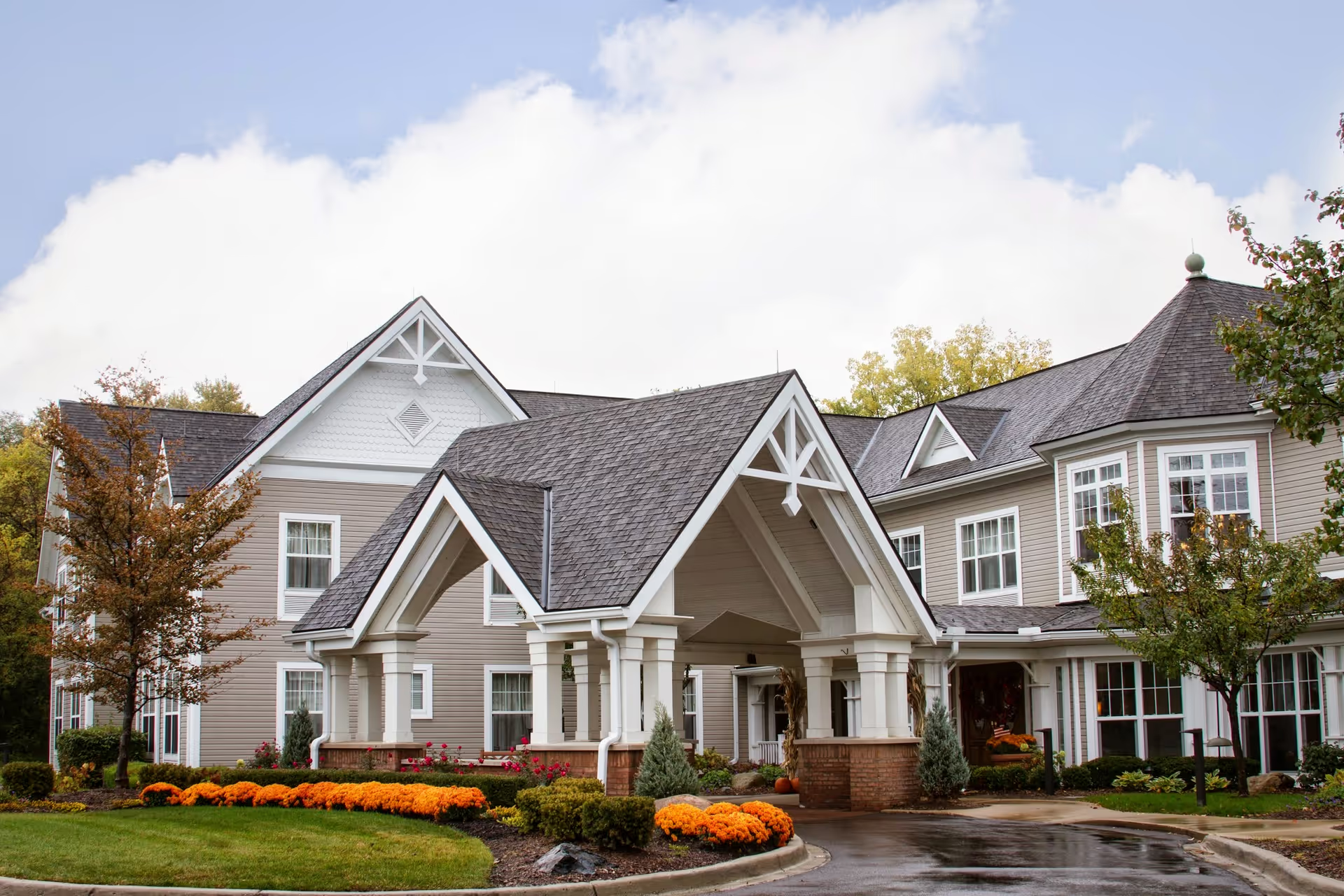
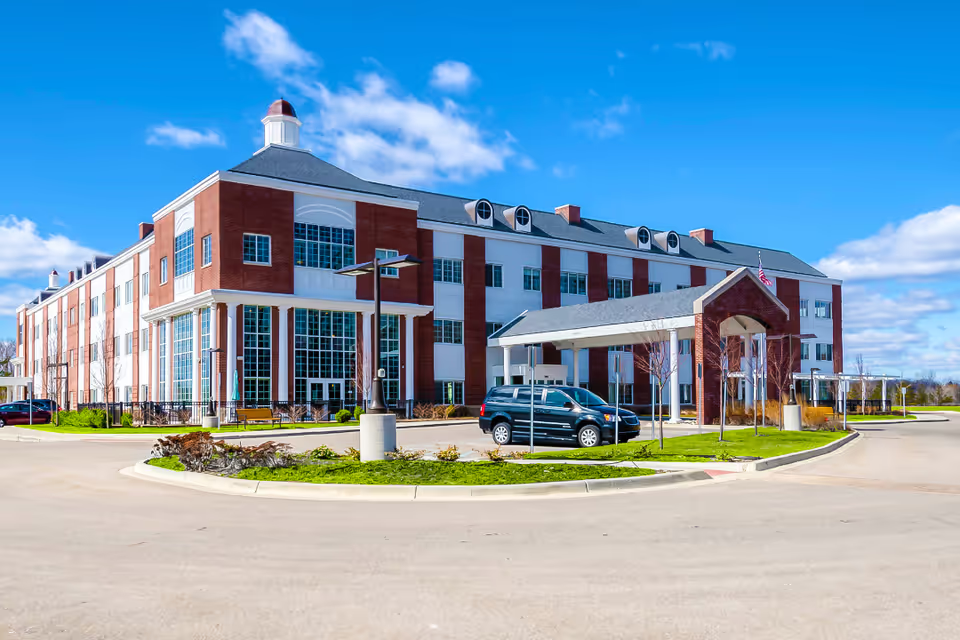
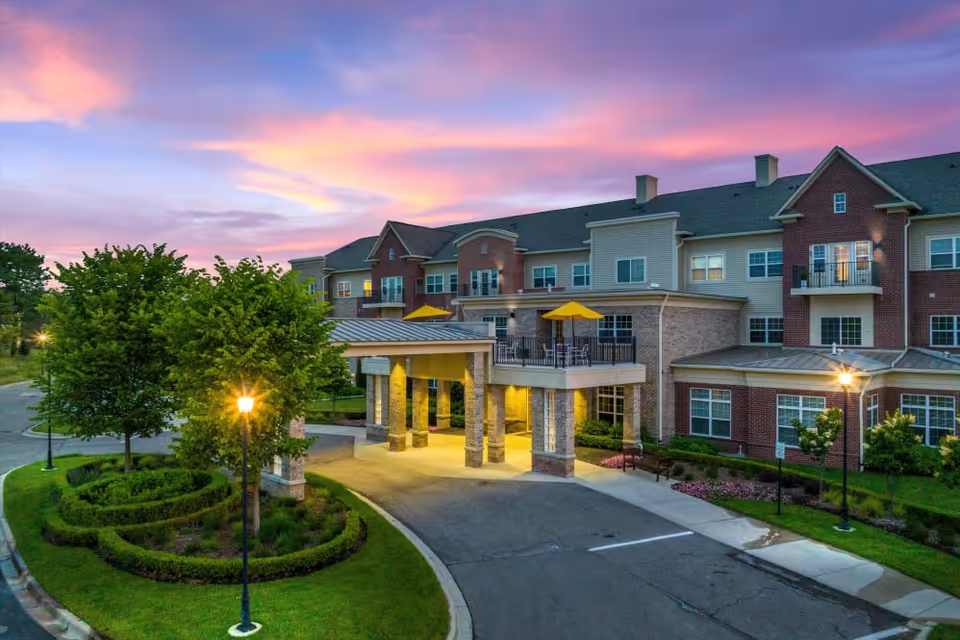
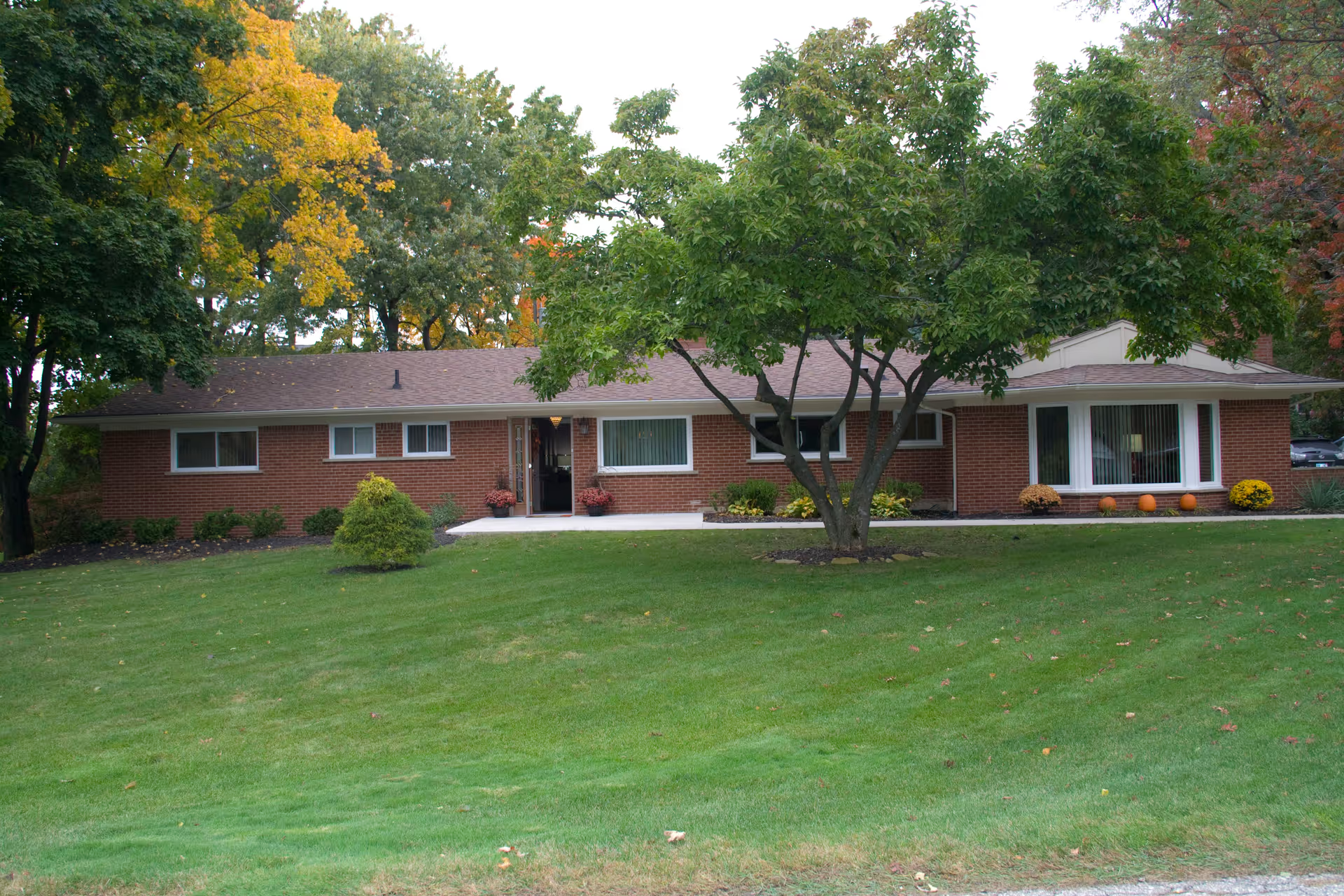
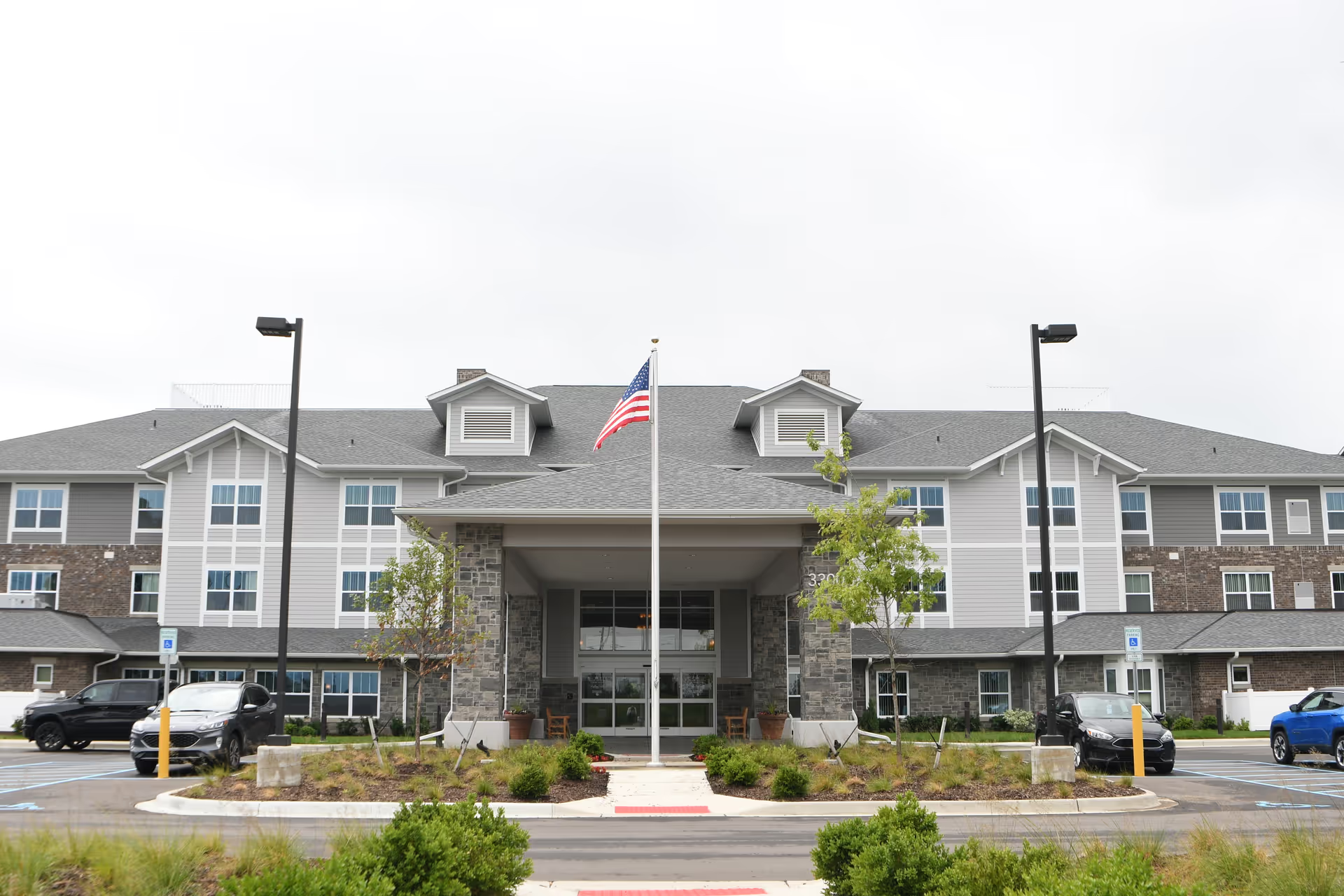
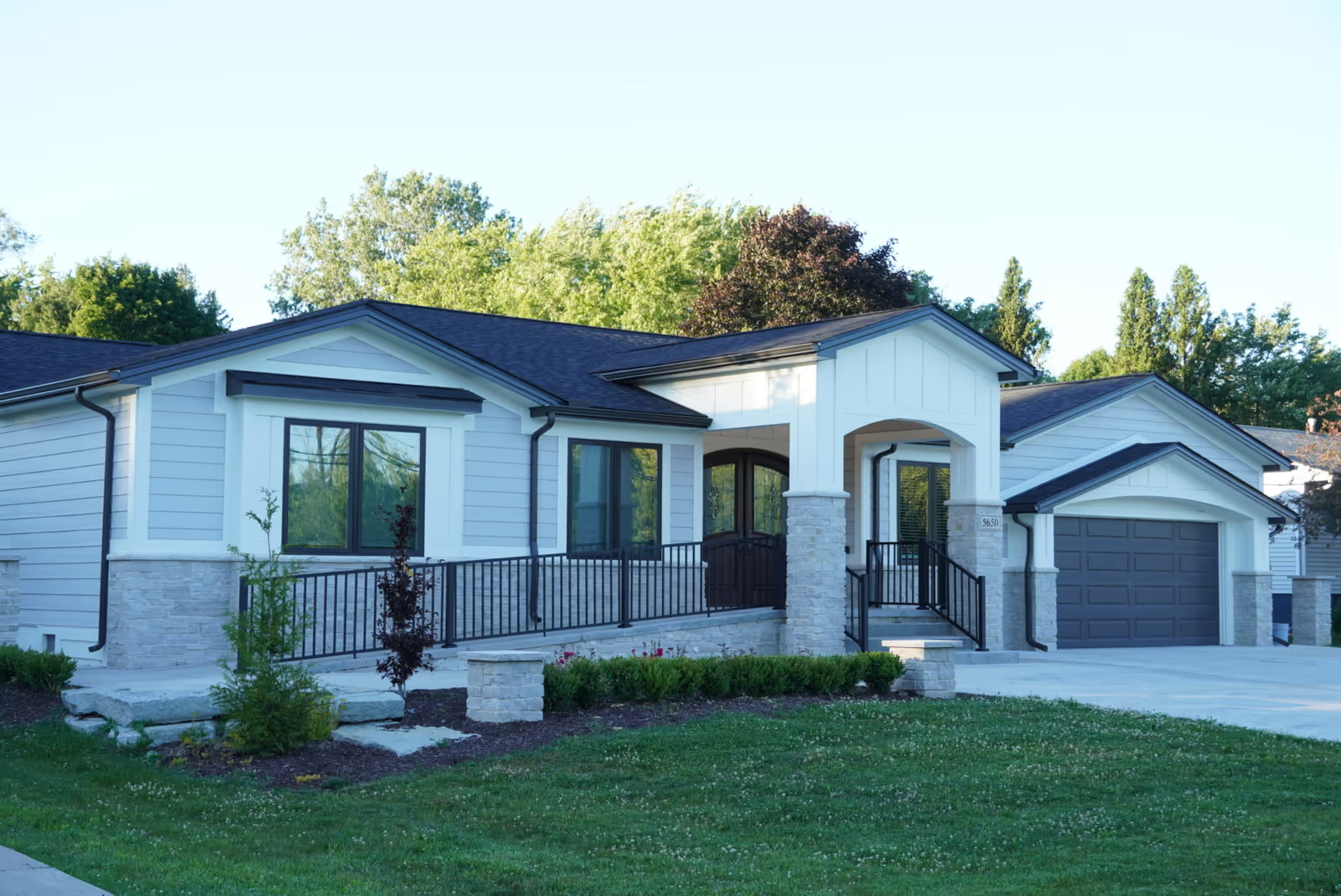
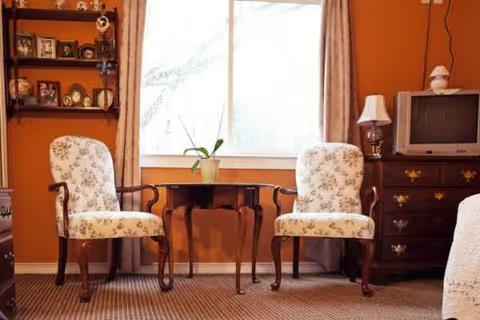
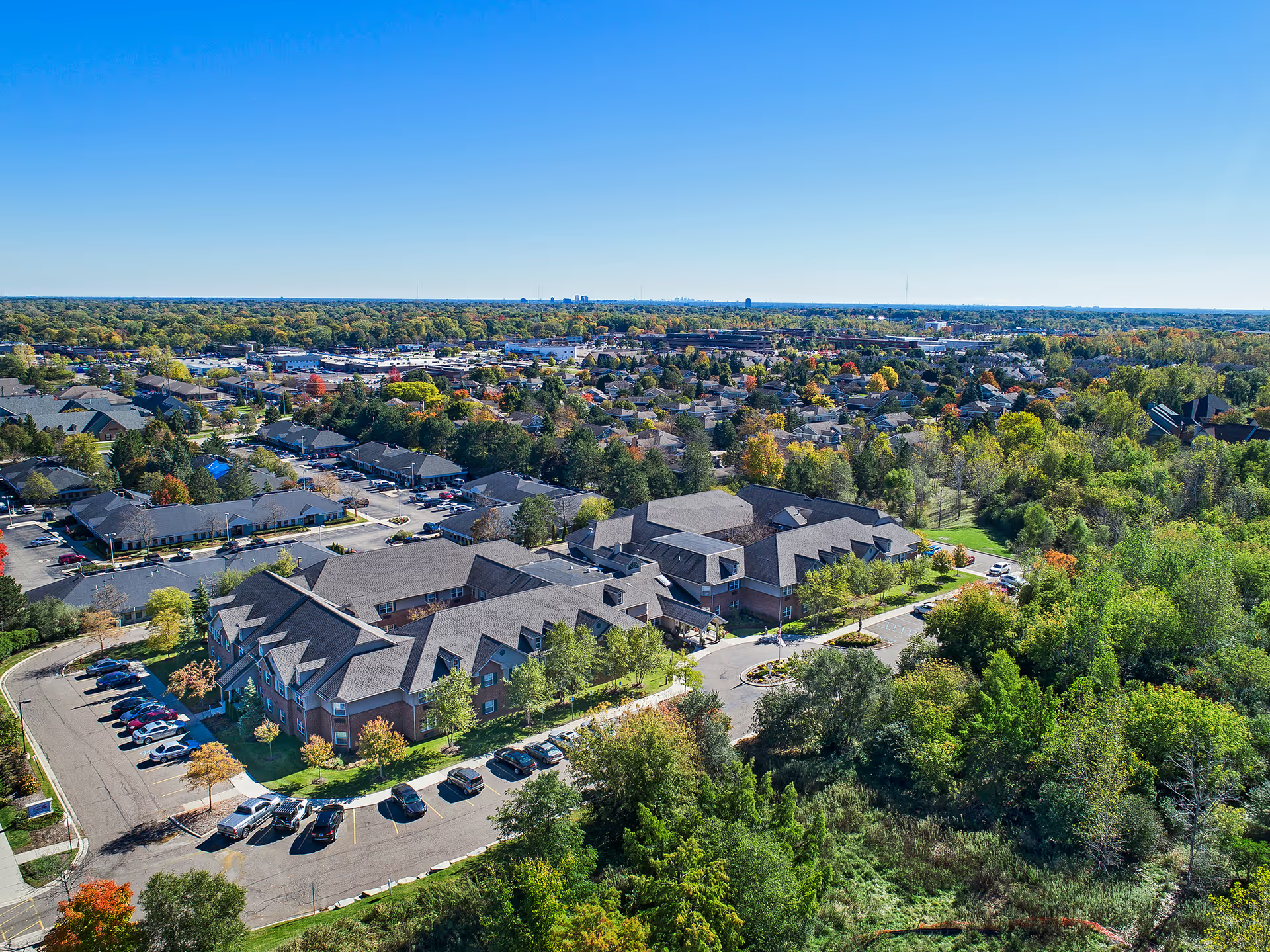
Overall impression is mixed: many accounts describe a small, home-like facility with a strong activity program, attentive social work support, and a leadership team that some families find accessible and resident-focused. Reviewers frequently praise front-line caregivers, the variety of activities (holiday events, entertainment, bingo, socials, movies, exercise, current-events groups, pet therapy, and room visits), and the availability of dietary accommodations. The scale of the building and attractive grounds are repeatedly cited as contributors to a more personal, residential feel.
Care quality appears uneven. Positive narratives highlight patient-focused attention, clean personal presentation, and proactive family communication. However, there are also descriptions of clinical issues that suggest gaps in monitoring and escalation: catheter-related complications, concerns about hydration and nutrition, and instances of skin breakdown requiring additional intervention. These items point to potential weaknesses in clinical follow-up, pressure-injury prevention, and consistent wound/incontinence management rather than to a single systemic failure.
Staff and management feedback is polarized. Many families commend supportive, patient staff and responsive administration or director-of-nursing leadership, noting a team atmosphere and educational opportunities for families. Contrasting accounts describe instances of abrupt or unhelpful communication, on-floor staff shortages or rushed care, and a perception of operational disorganization. These divergent impressions indicate variability in day-to-day experience that may relate to staffing levels, shift-to-shift management, or communication practices between clinical and administrative teams.
Dining and activities are strengths. Reviewers report that dietary needs are accommodated and that the activity schedule is broad and often tailored to residents' functional levels. The program includes both social events and therapeutic activities, which contributes to resident engagement and family satisfaction in many reports.
Facility and operations show both positives and areas for improvement. Several comments describe a clean environment and well-maintained common areas, while other accounts note odor concerns in certain spaces and shortages of basic supplies that can affect direct-care tasks (for example, needed bedding or care supplies). Equipment needs (mattresses, bed frames) and intermittent supply-management issues were specifically mentioned, suggesting room for improvement in maintenance and inventory processes.
Management and administrative issues merit attention. While some families experience accessible, helpful administrators and a proactive DON, others recount billing or authorization disputes and difficulties getting timely administrative responses. There are also reports of delays in emergency escalation and hospital transfers; bundled with supply and workflow concerns, these items suggest that clarifying escalation protocols, strengthening supply-chain/logistics, and stabilizing staffing could reduce variability in care.
For prospective residents and families: the facility offers a personable, activity-rich environment with evident strengths in social programming and certain aspects of leadership and caregiving. At the same time, prospective families should assess clinical oversight, emergency-response procedures, supply and equipment readiness, and current staffing levels during a tour and in discussions with administration. Asking for recent staffing data, examples of clinical-monitoring protocols, and how the facility handles urgent transfers and billing/authorization issues can help set expectations and identify whether the facility’s strengths align with the candidate’s care needs.