Overall impression: Reviews reflect a mixture of positive experiences and operational concerns. Many families praise the facility’s cleanliness, engaging activities, and welcoming staff interactions; however, several operational weaknesses emerge that warrant attention from prospective residents and their families.
Care quality: Cleanliness and basic day-to-day care are frequently described positively, and some reviewers conveyed a sense that residents are well cared for. At the same time, there are specific clinical-process concerns, most notably inconsistent medication-management practices. This is an important area for follow-up: families should ask about medication-administration protocols, documentation, and pharmacy oversight during tours.
Staff: Staff interactions are described in polarized terms. Numerous comments highlight friendly, helpful, and welcoming staff, particularly with new residents reporting positive early experiences. Conversely, others describe staffing instability, the presence of new or inexperienced staff, and instances of unprofessional conduct or slow responsiveness. Limited staff visibility in common areas and delays in attending to visitors or scheduled appointments were also noted, suggesting variability in shift coverage and front-line staffing practices.
Dining: Review summaries did not provide consistent information about dining quality or meal service. Prospective families should request menus, sample meals if possible, and information on how dietary needs and meal interruptions are managed.
Activities: The activities program is a clear strength in several summaries. Reviewers mention lots of activities, pleasant social programming, and staff-led events that contribute to a positive daily experience. This appears to be a reliable point of engagement for residents.
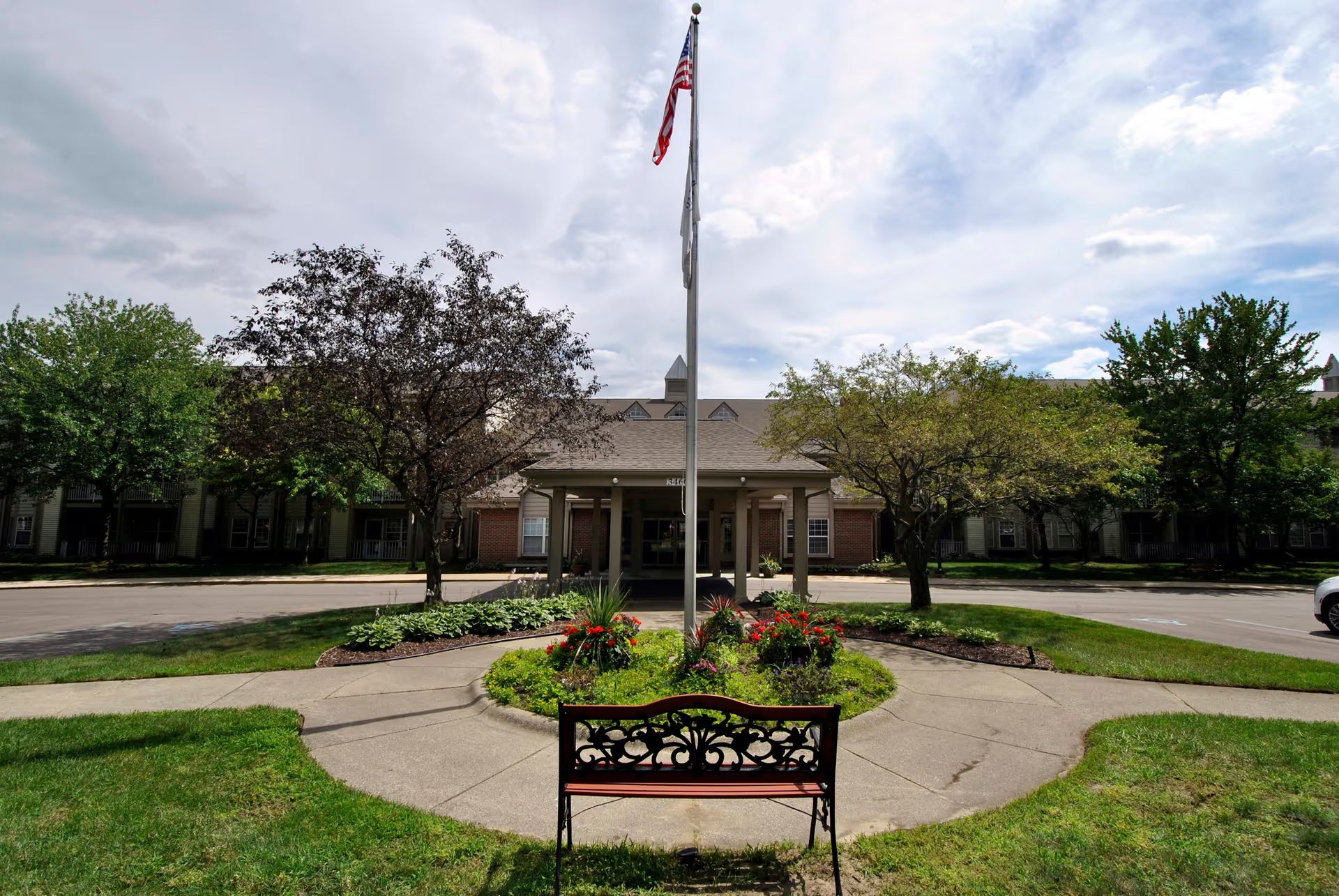
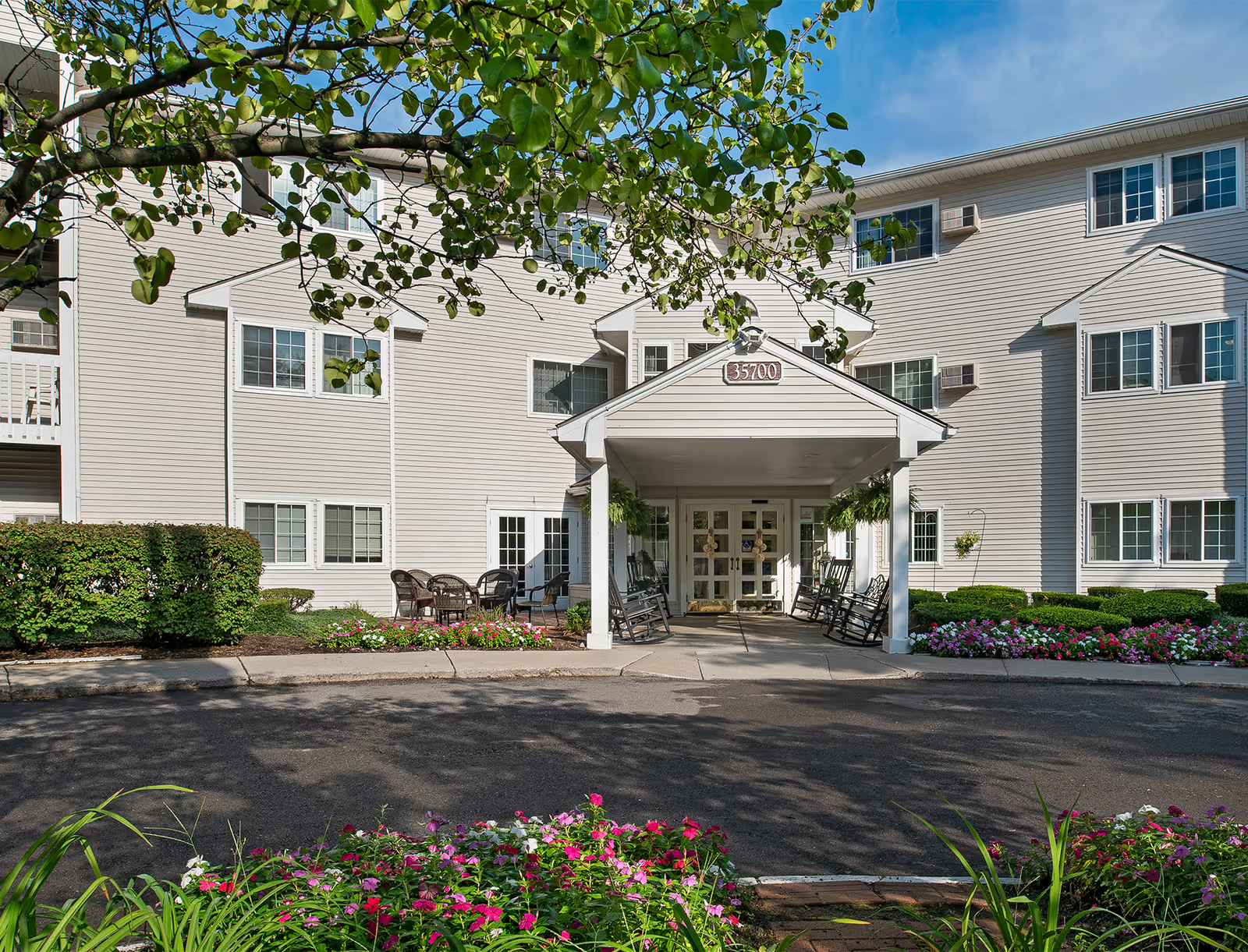
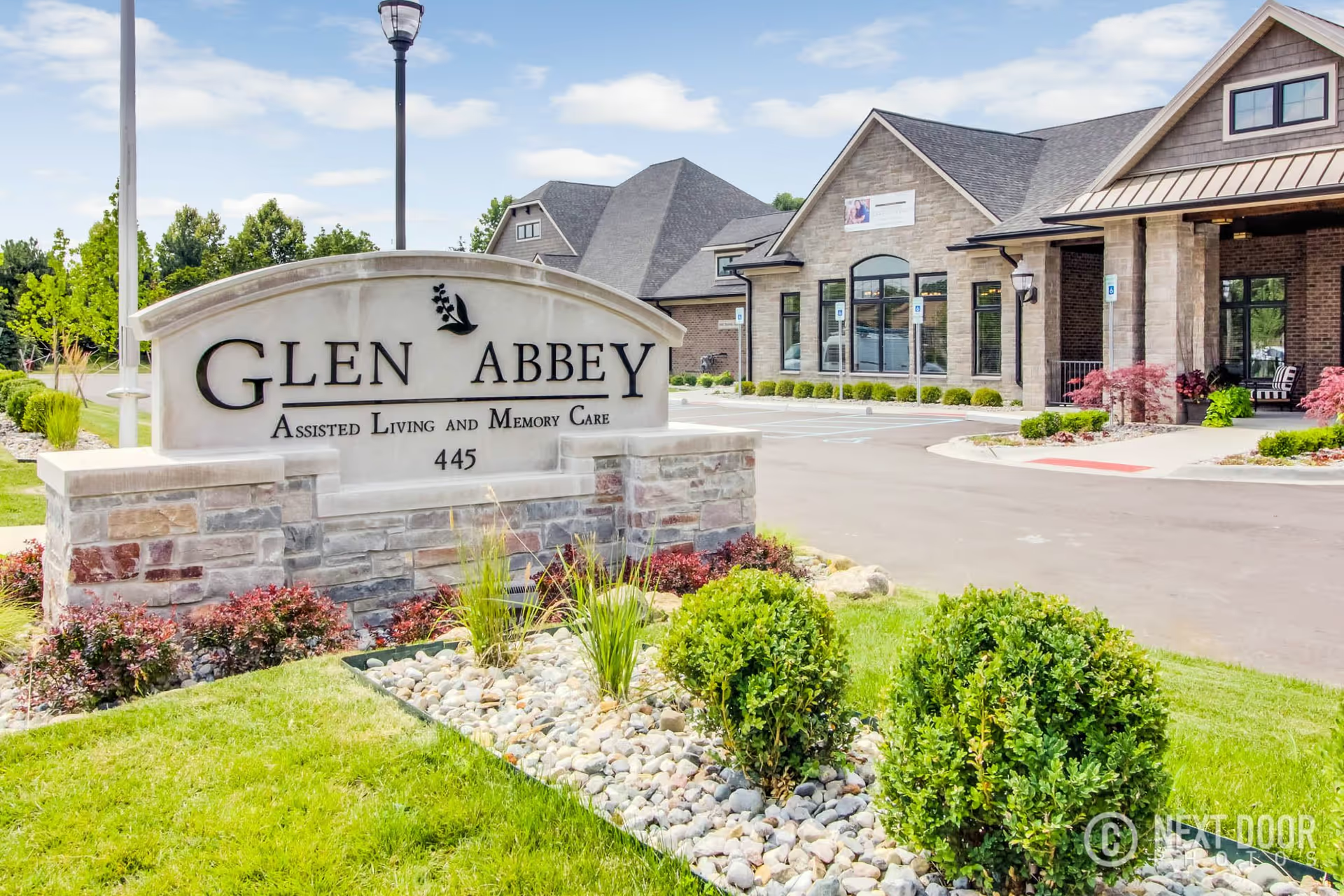
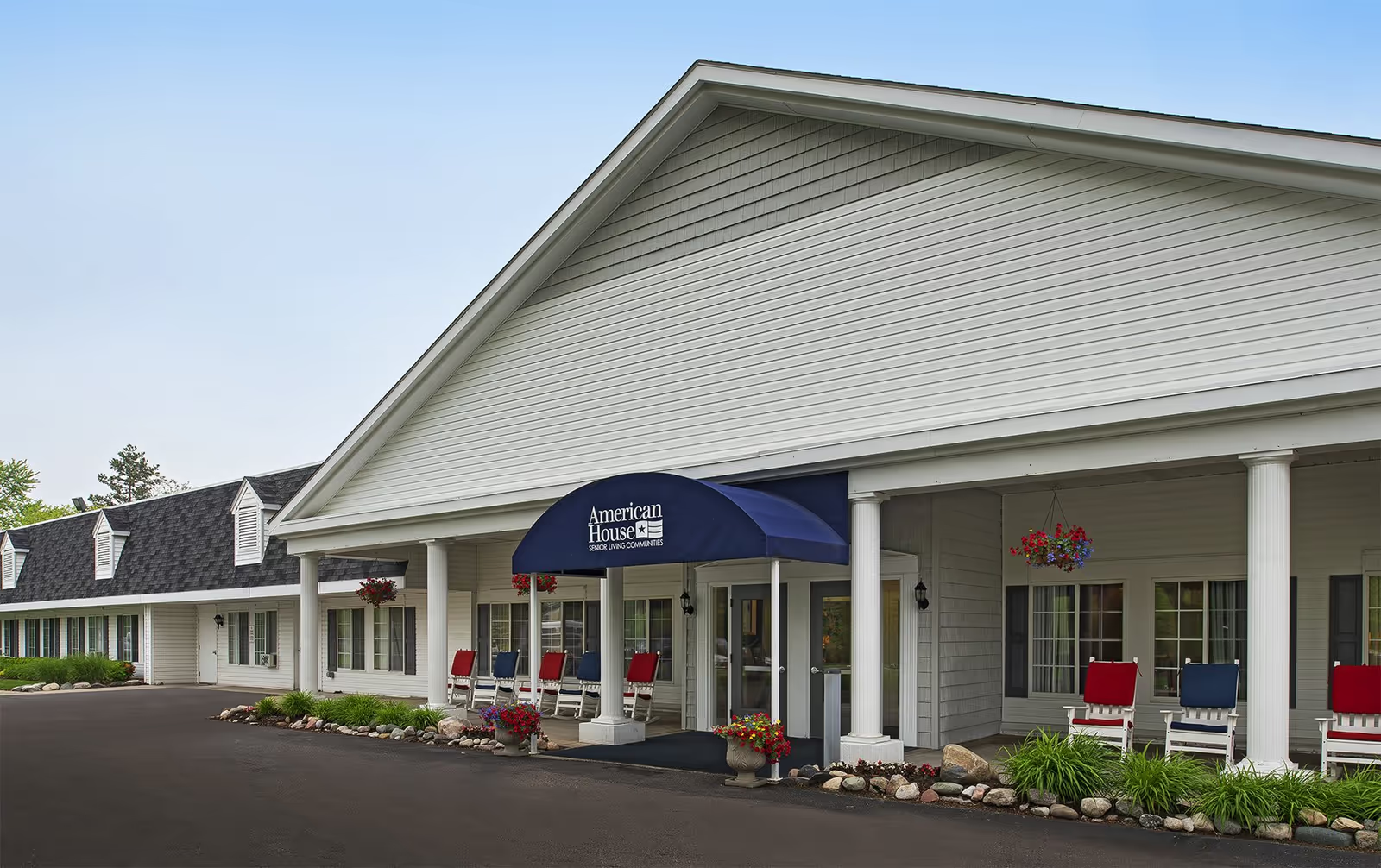
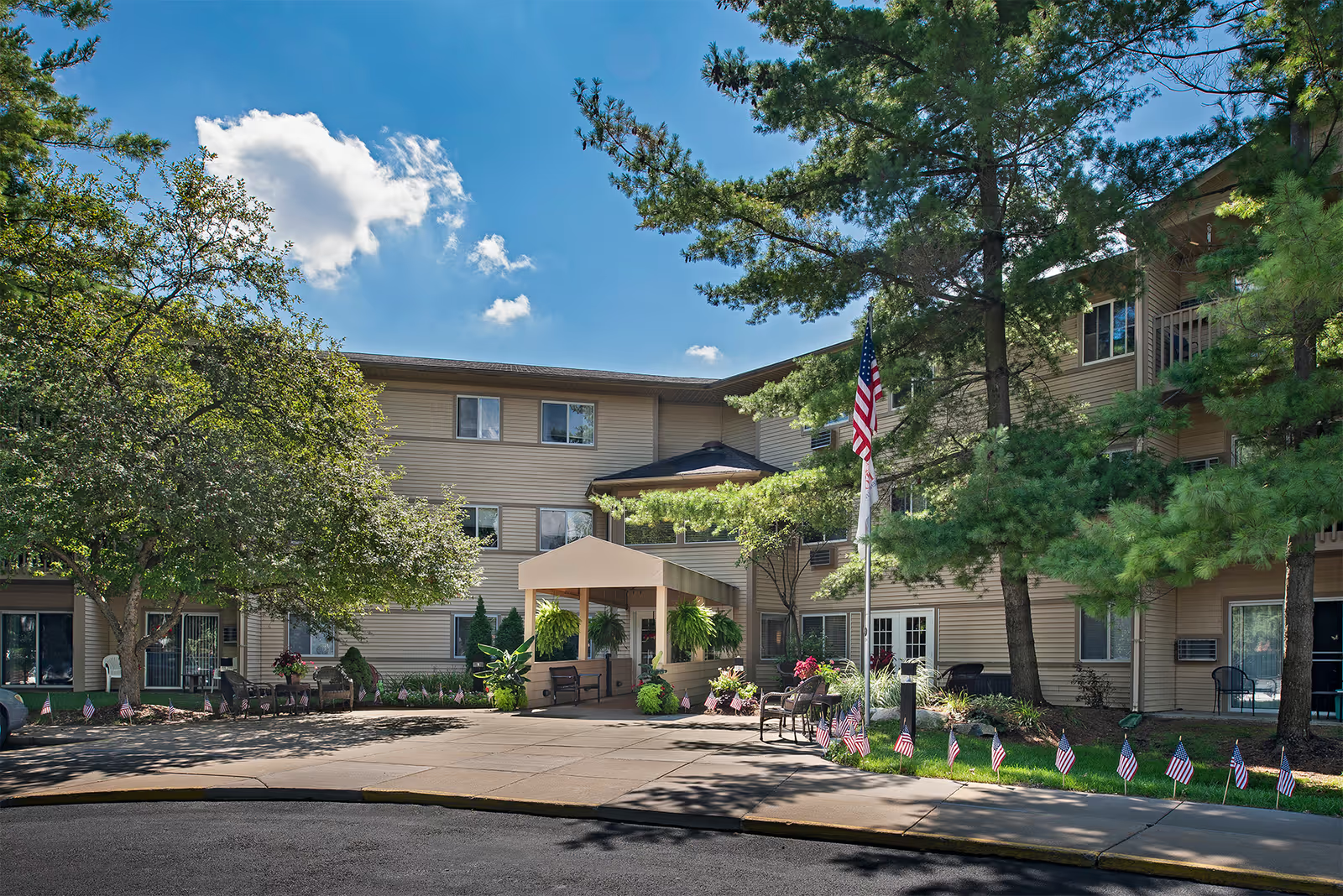
Facilities and environment: The facility is generally described as clean and maintained, but multiple comments describe a dark or dreary interior atmosphere and common areas where residents tend to congregate near the entrance. These observations point to aesthetic and layout issues — lighting, furnishings, and traffic flow — that can affect resident comfort and perceived liveliness. There are also specific safety implications implied by comments about residents near doors and a separate safety lapse; families should inquire about entry/exit controls, supervision routines, and visitor sign-in procedures.
Management and operations: Concerns center on front-desk coordination, appointment handling, and overall responsiveness. Combined with staffing instability, these operational gaps can produce inconsistent day-to-day experiences. Price and location were factors in decision-making for at least one family; prospective residents may want to compare cost and proximity to family supports when evaluating fit.
Notable patterns and recommendations: The reviews show a split between generally positive short-term resident experiences and isolated but significant operational issues. To evaluate fit, families should (1) observe staff presence at different times of day, (2) ask for written medication-management policies and examples of recent staff training, (3) review safety protocols for entry/exit and supervision, (4) request information about staffing ratios and staff turnover, and (5) tour common areas to assess lighting and activity levels. These targeted questions will help clarify whether the facility’s strengths align with the prospective resident’s priorities and whether the operational concerns have been addressed.