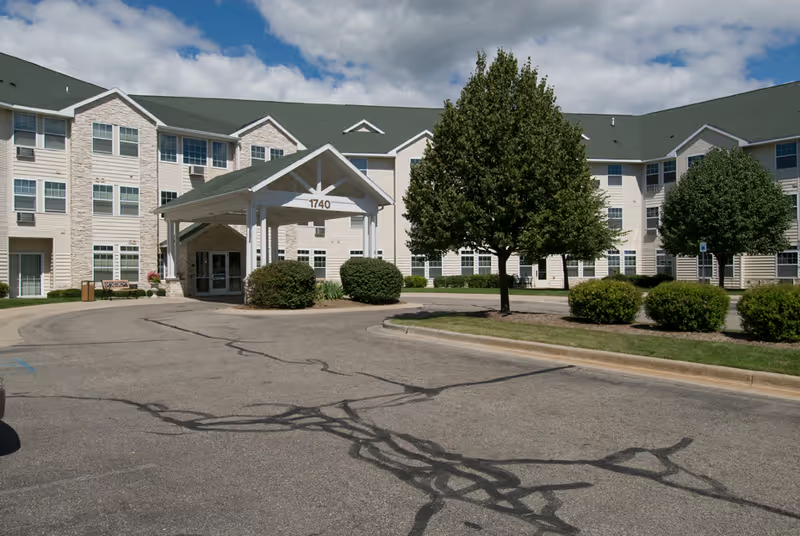
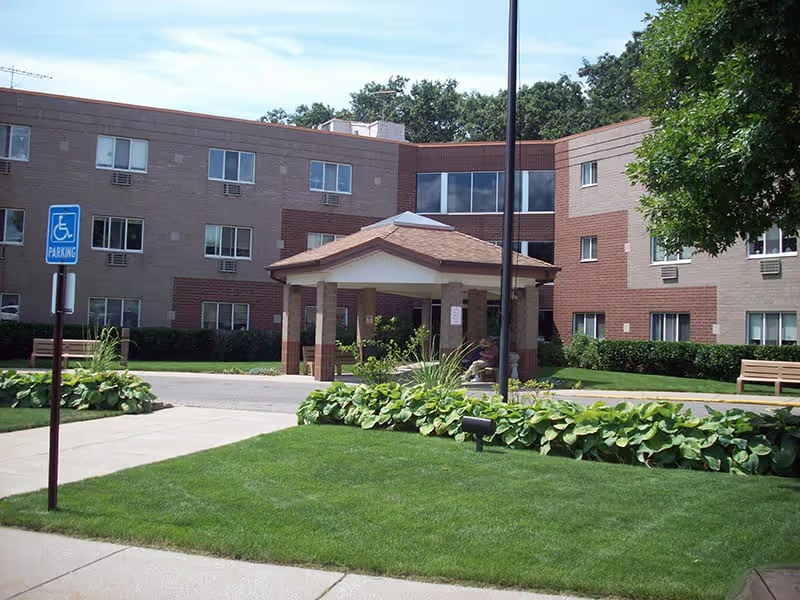
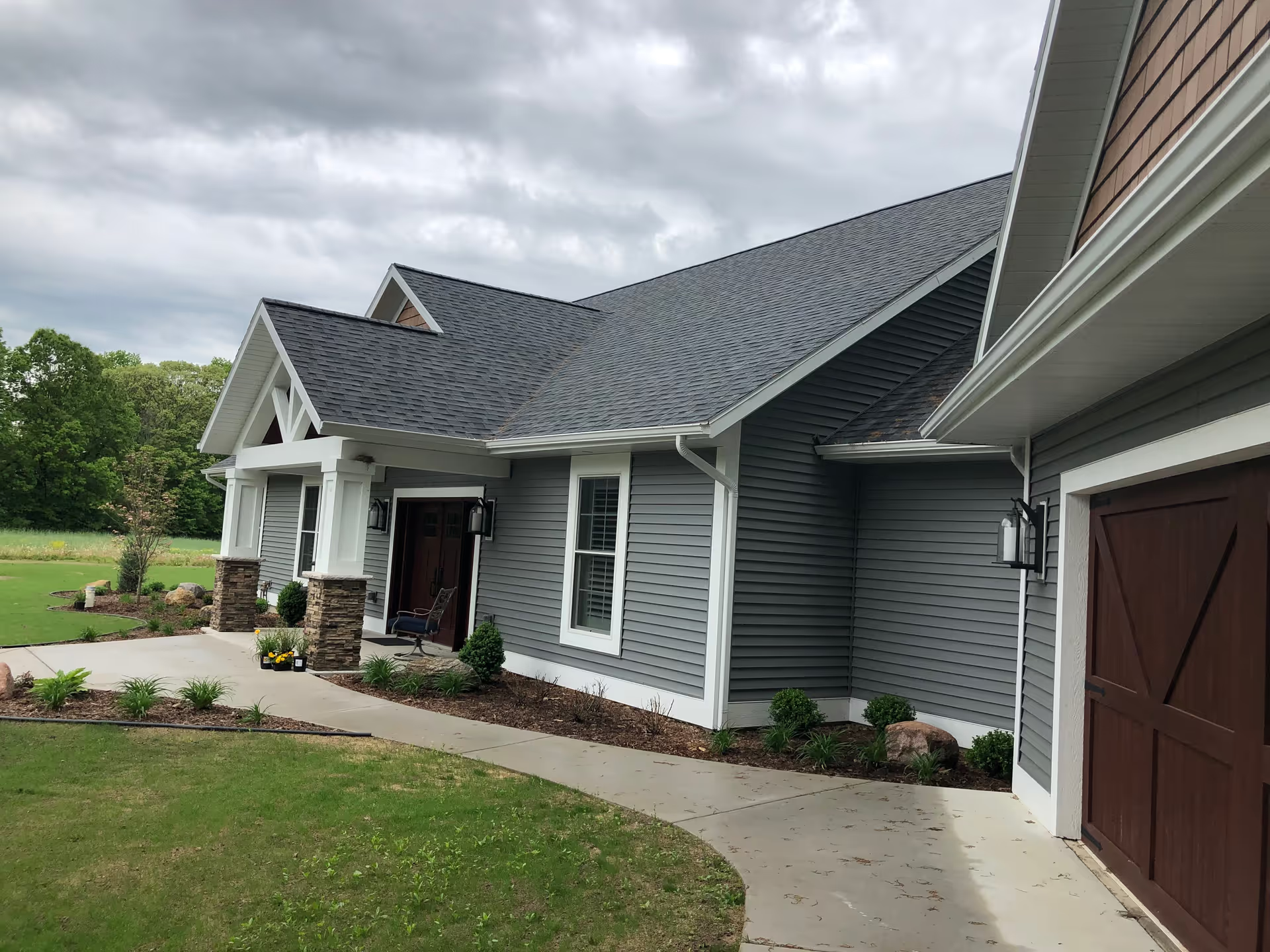
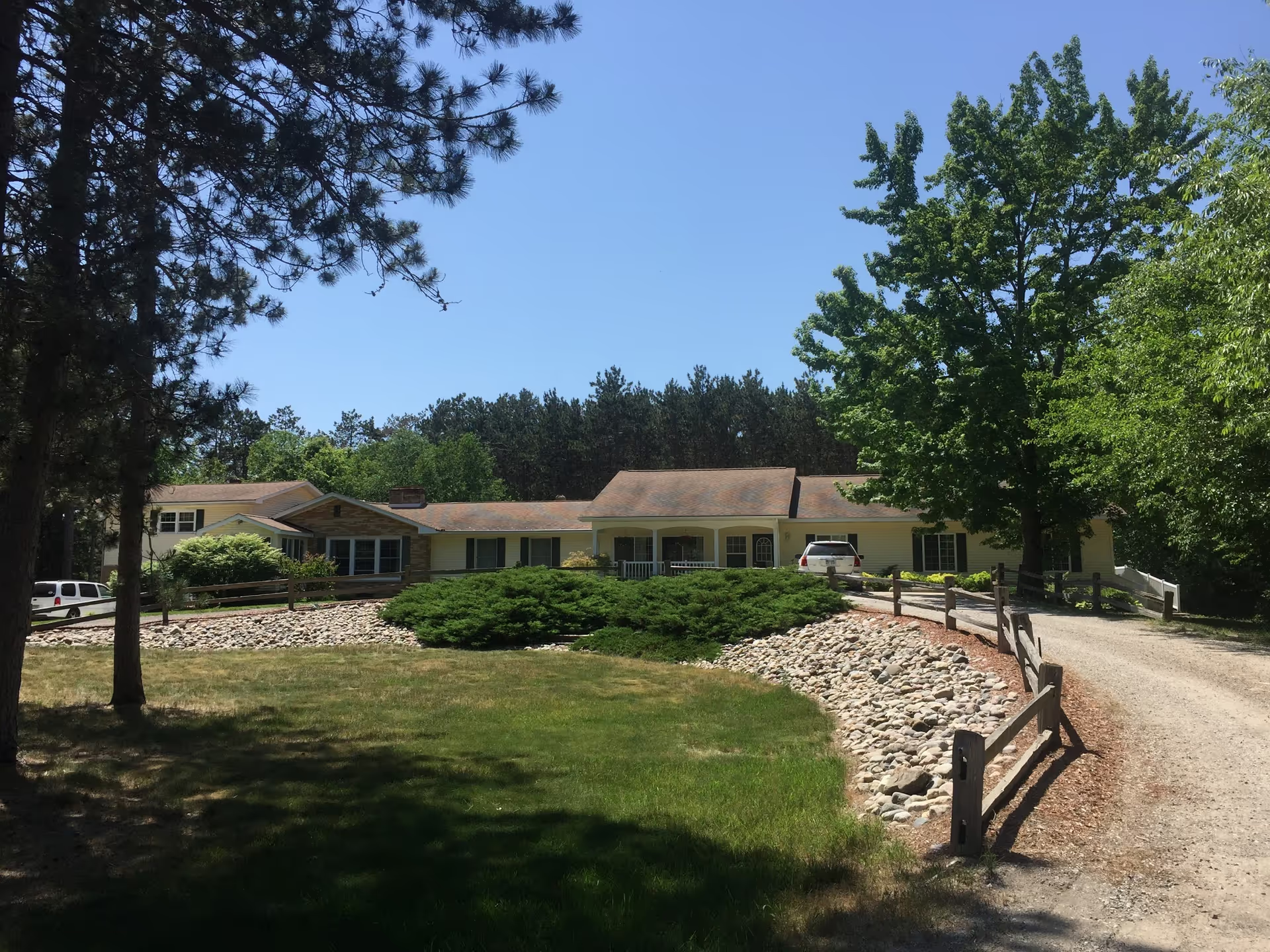
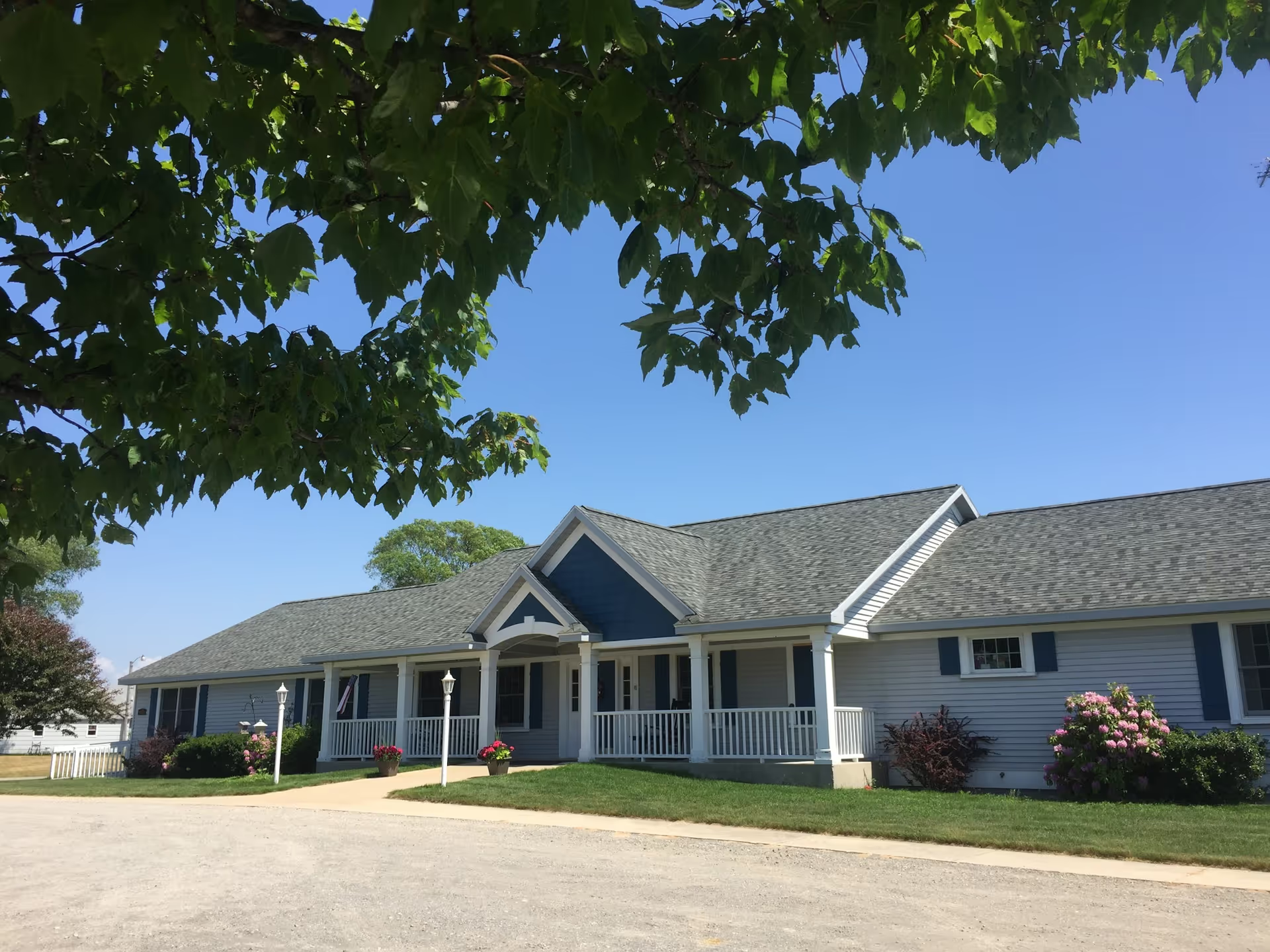
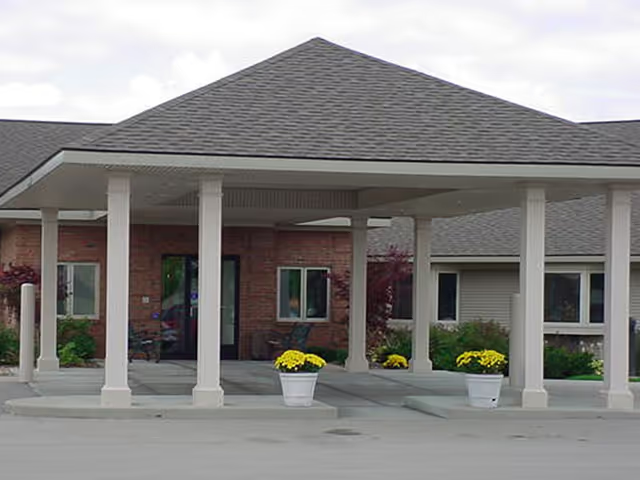
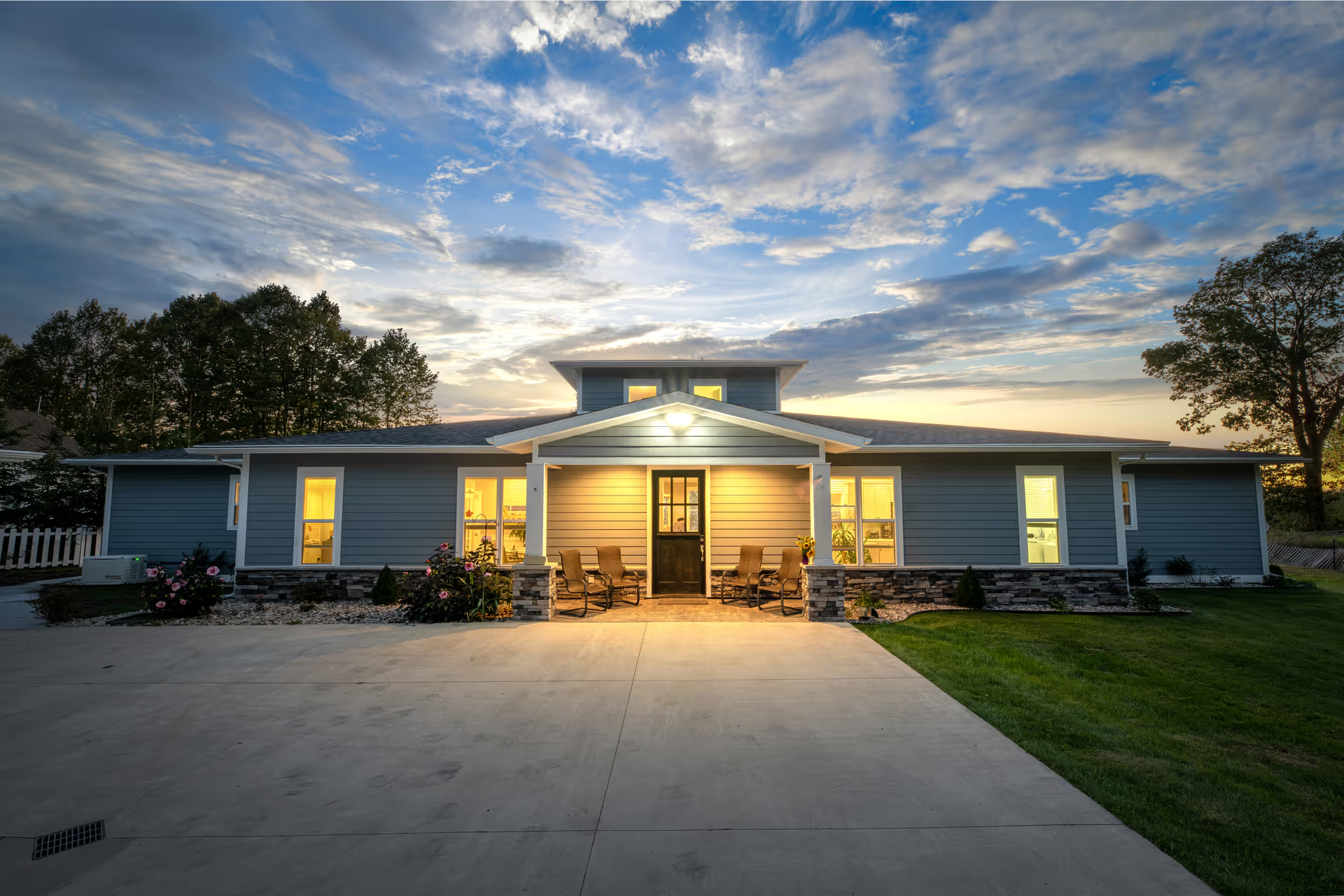
White Lake Assisted Living and Memory Care projects a consistently well-maintained, bright, and community-oriented environment. Physical amenities are frequently highlighted: spacious private rooms and bathrooms, units that include kitchenettes or full kitchens for independent living, comfortable common areas with fireplaces and sunrooms, a gym and large library, and accessible outdoor assets such as walking paths, raised-bed gardens and a gazebo. Housekeeping, laundry and an on-site salon/spa are commonly noted as convenience strengths, and maintenance teams are generally responsive when repairs are needed.
Care and staffing create a mixed but overall positive picture. Many families describe caregiving staff as caring, attentive and responsive, with 24/7 availability and quick call-button response enabled by neck-worn buttons and direct staff paging. The facility is credited with personalized care practices and clear medical updates to families; medication administration is often described as careful and well‑managed. At the same time, reviewers identify an operational pattern of inconsistent staffing levels and concerns about staff-to-resident ratios that can affect timeliness and consistency of care, particularly in heavier-dependency areas.
Dining and activities are definite points of emphasis. Numerous comments praise high-quality meals, accommodating special diets and allergy needs, and frequent activity programming — crafts, bingo, sing‑alongs, exercise classes, movie nights and faith-based groups are examples. These programs contribute to a strong social atmosphere and many residents report thriving socially. That said, activity engagement is described as variable: some residents are very involved while others participate less, and a subset of family members perceives offerings as insufficiently stimulating or desire more male-oriented group options. A few comments also characterize the food as inconsistent or lacking in fresh greens at times, suggesting variability in culinary execution.
Memory-care operations and hygiene scheduling are the areas with the clearest recurring concerns. Some families cite gaps in memory-care supervision and intermittent inconsistencies in bathing/showering schedules and personal-hygiene assistance. These issues appear to be operational rather than universal, but they are persistent enough to warrant careful inquiry during tours and care-planning meetings if memory-care placement is being considered.
Management and communication are generally seen as strengths, with responsive leadership and routine family updates during critical periods (for example, infection-control lockdowns), though occasional follow-up delays and communication lapses are noted. Cost is a common consideration; the facility is described as higher cost relative to alternatives, and some families question value for money in light of intermittent staffing and service inconsistencies. Other practical considerations raised include limited pet-policy flexibility and the potential for restrictive visitation during infection-control events.
Overall, White Lake offers an attractive, well-appointed setting with a broad range of amenities, active programming, and a staff culture that many families find compassionate and communicative. Prospective residents and families should weigh the facility’s physical and social strengths against operational considerations such as staffing consistency, memory-care supervision, bathing schedules, and cost; direct questions about staffing ratios, activity participation strategies, and specific memory-care protocols are advisable during tours and care-plan discussions.