Medilodge of Yale elicits strongly mixed impressions. Many families and residents praise the caring nature of frontline staff, the strength of the therapy teams, and a lively activities program that supports recovery and social engagement. Several accounts describe a warm, family-oriented atmosphere, approachable admissions personnel, and dining staff who work well with residents; these elements contribute to positive outcomes for residents participating in rehabilitation and for longer-term stays.
Clinical care and staffing present a complex picture. The facility is frequently credited for competent nursing attention and very effective PT/OT/rehabilitation services that help some residents regain independence and return home. At the same time, there are recurring concerns about staffing reliability and responsiveness — delayed call-bell response, slow attendance after incidents, and variability in personal-care tasks are themes that appear across reviews. A number of entries also highlight gaps in fall-prevention and transfer-safety practices and raise questions about medication-management consistency. There are isolated but serious clinical concerns described, including events that resulted in hospitalization and concerns following a resident's death; these reports underline the importance of verifying current clinical staffing, protocols, and oversight when evaluating the facility.
Dining and activities are generally seen as strengths. The activities department receives repeated positive comments for engagement and variety. Food quality feedback is mixed: some reviewers find meals appealing and affordable, while others describe inconsistent meal quality and service issues. Social services and discharge coordination are noted positively in several accounts, which aligns with the strong rehabilitation outcomes reported by many families.
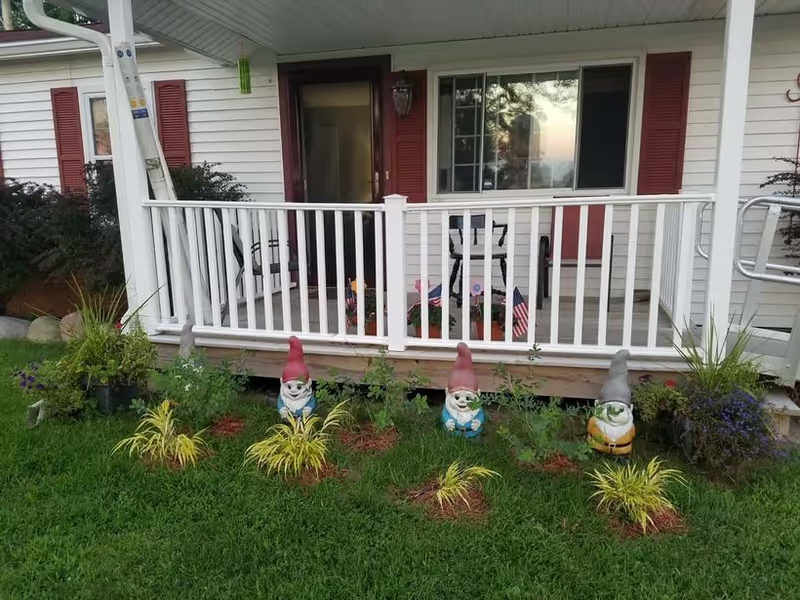
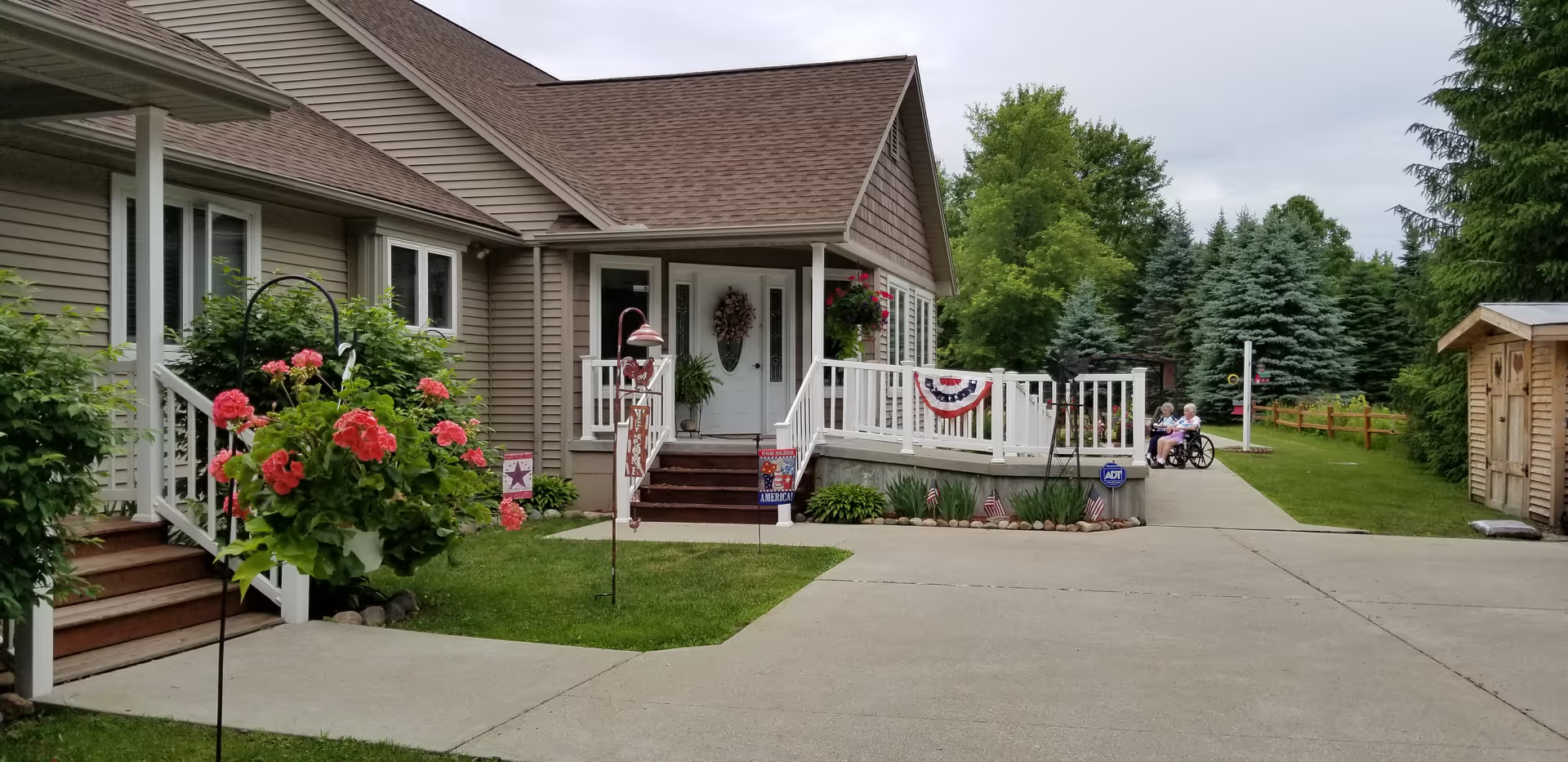
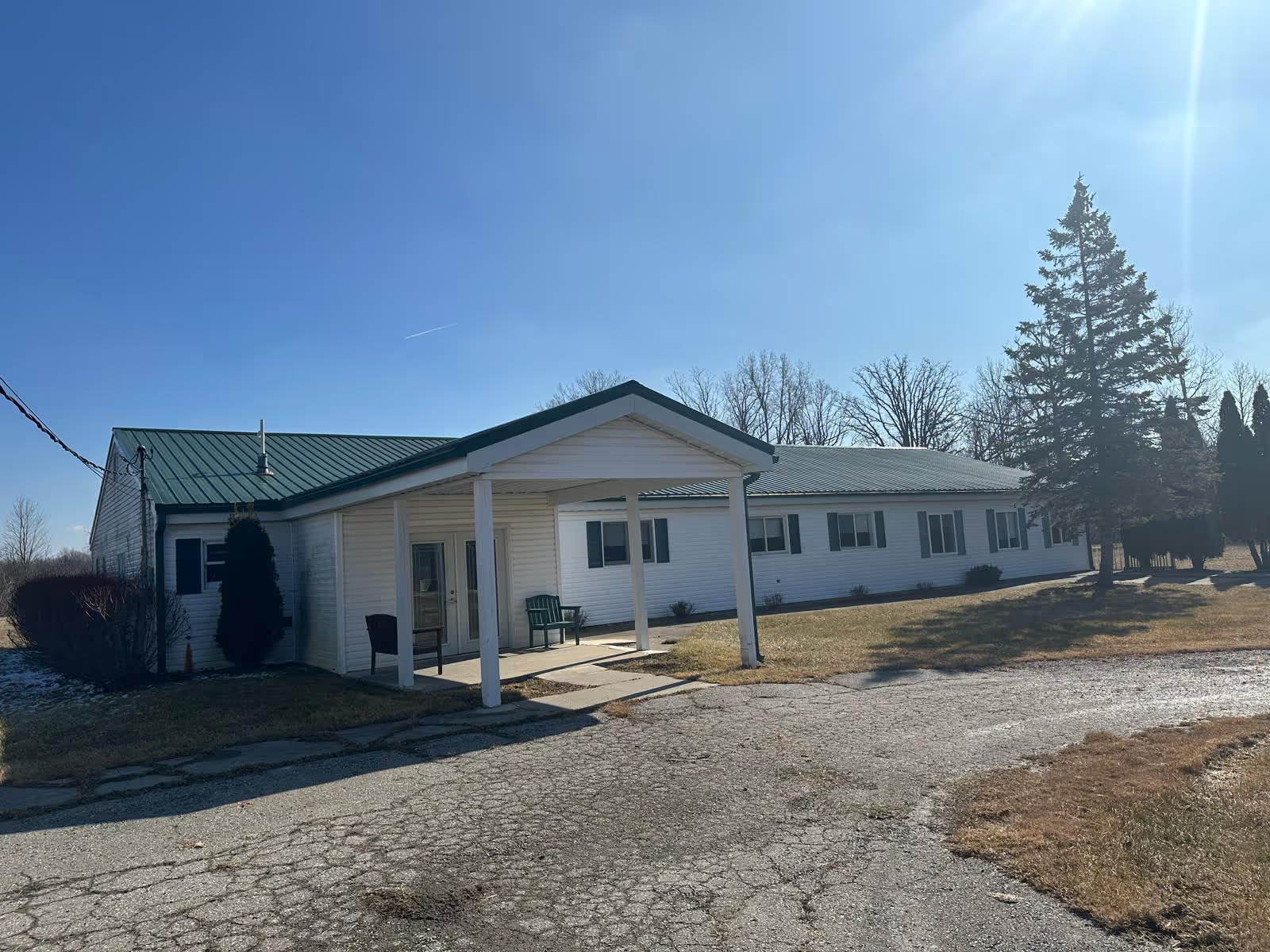
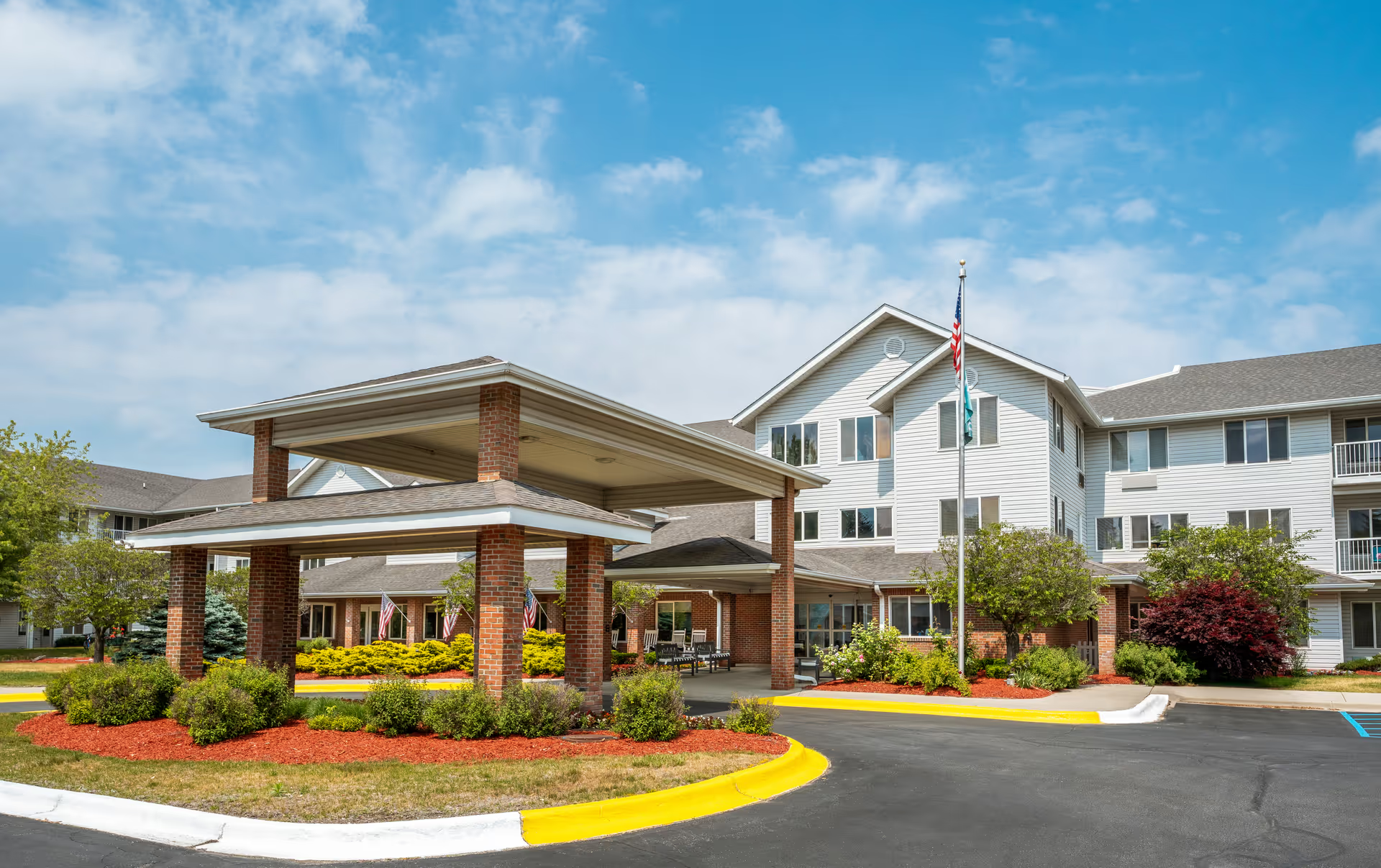
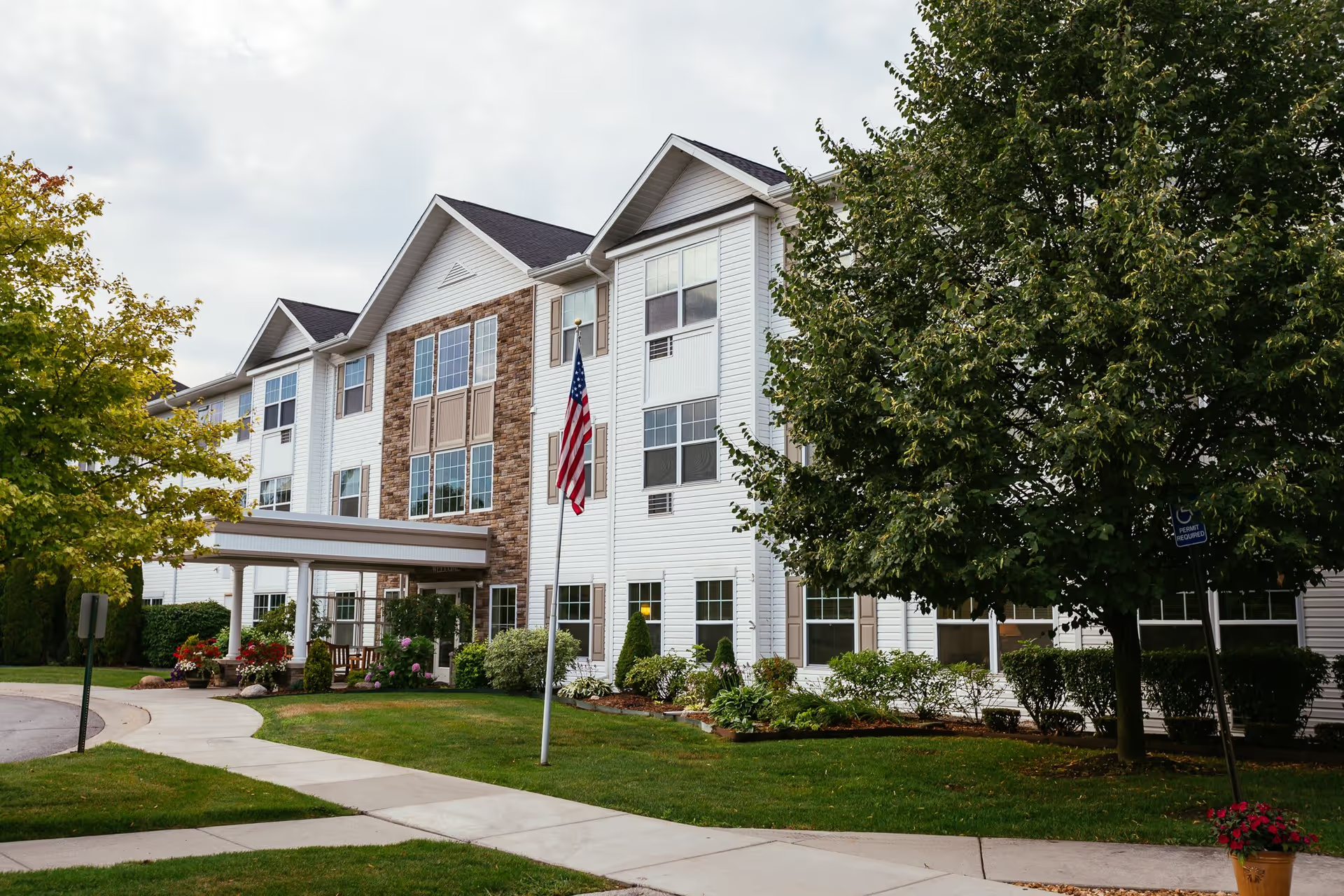
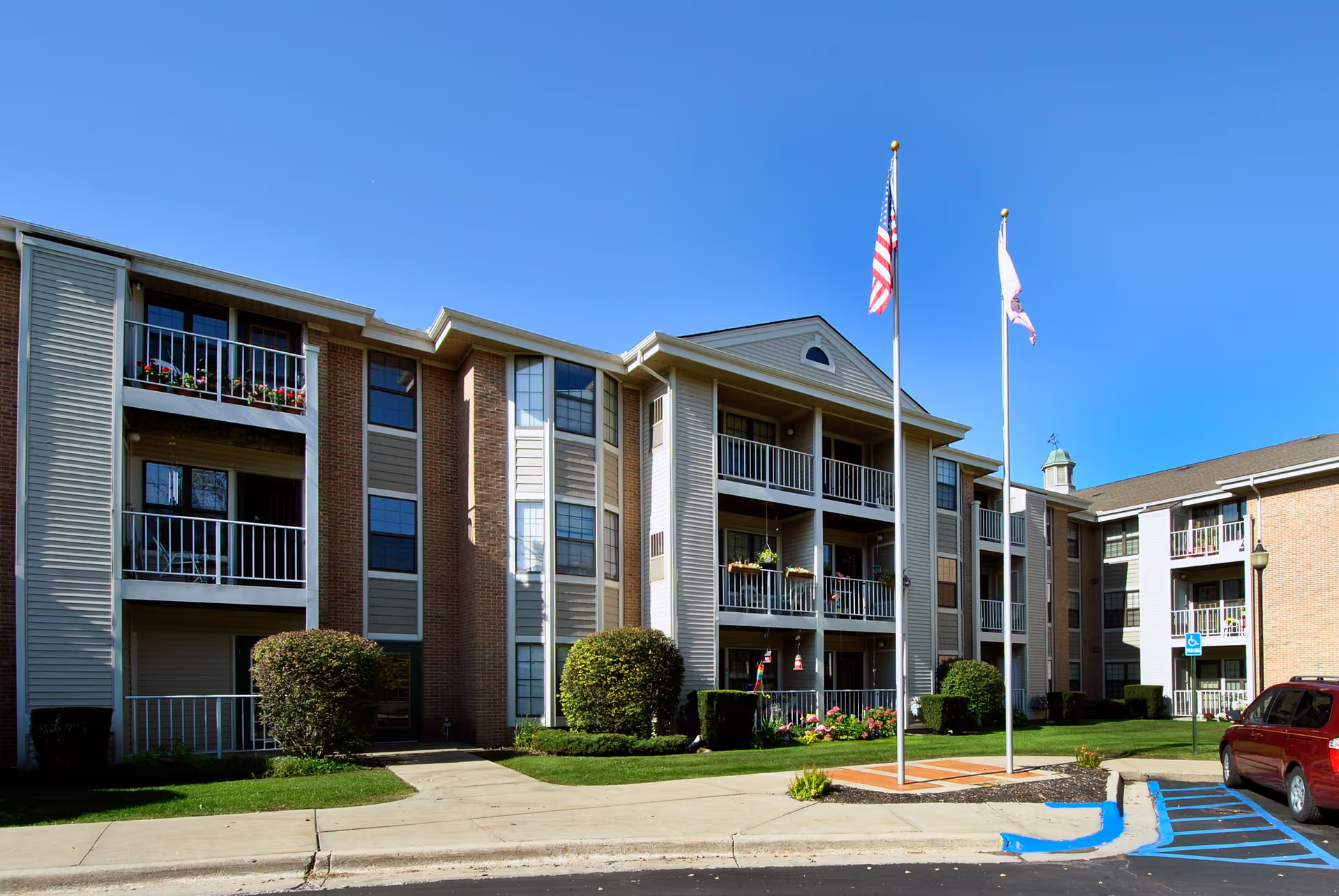
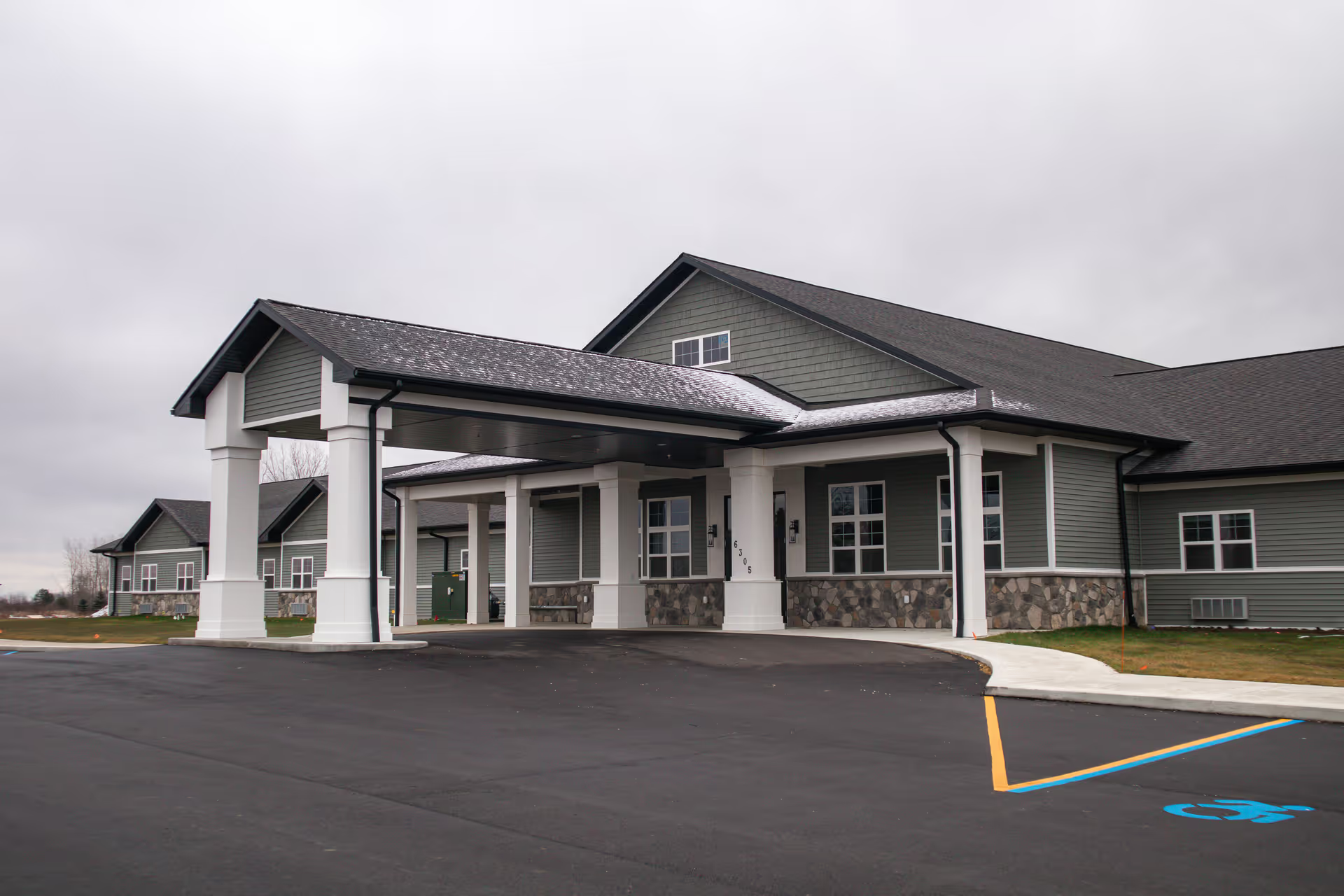
Physical plant and operations show clear divergence. Multiple reviewers praise a clean, cheerful environment and a pleasant country setting, but an equally consistent set of comments point to deferred maintenance (outdated beds, cracked tile, ceiling stains), odor or sanitation concerns in certain areas, and a generally tired appearance in parts of the building. Administrative issues are another recurring pattern: communication lapses with families, delays in returning calls, billing/process problems, and perceptions that management prioritizes cost control over responsiveness. Documentation gaps — for example, difficulty locating test records — are also cited and could affect continuity of care.
In summary, Medilodge of Yale offers notable strengths in therapy, activities, and many instances of compassionate direct-care staff, making it a reasonable option for residents needing rehabilitation or those who value an active social environment. Prospective residents and families should balance those strengths against operational patterns highlighted in multiple reviews: variable staffing responsiveness, maintenance and environmental deficits, communication and records-management weaknesses, and inconsistent dining and medication-related practices. When considering placement, ask for up-to-date staffing ratios, fall-prevention protocols, medication-safety policies, recent maintenance plans, documentation access procedures, and direct examples of family-communication workflows to better gauge whether the facility’s current operations meet your expectations.