Overall impression: Reviews present a mixed picture. Many families praise friendly, attentive caregivers, a clean and recently refreshed environment, and a pleasant lakefront setting with apartment-style units. At the same time, several families raised significant concerns about clinical consistency, communication barriers, and operational reliability that prospective residents should evaluate closely.
Care quality and clinical services: Clinical feedback is uneven. Some families described clear improvements in mobility and well-being under the facility’s care, and physical spaces for therapy and rehabilitation have produced positive outcomes for some residents. However, other accounts point to gaps in nursing responsiveness, delays and process weaknesses around medication and tube-feeding administration, and suboptimal wound care and complex-medical capability. Reviewers also noted that the facility may not be fully equipped to manage advanced cardiac or highly complex medical needs. Outsourced occupational and physical therapy services are in use; families described variable therapist engagement and repetitive therapy approaches.
Staff, communication, and supervision: Interactions with direct-care staff are frequently described as warm and communicative, with specific caregivers noted as kind and responsive. Counterbalancing that, there are recurring concerns about limited English proficiency among some frontline staff creating communication challenges, variable tone or engagement from certain clinicians, and evidence of insufficient supervisory coverage. Reviewers mention high turnover and difficulty retaining aides, and some families perceive training and supervision gaps that affect day-to-day care consistency.
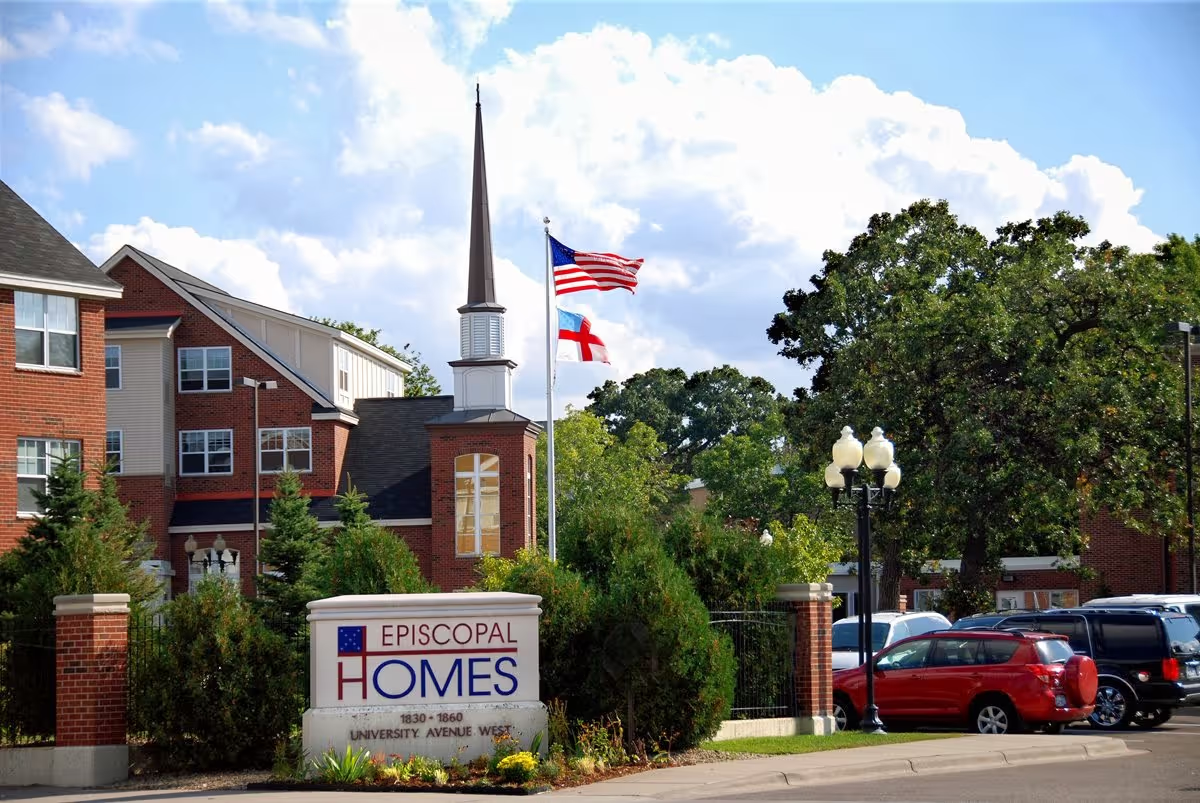
Dining, special diets, and activities: The dining room and food offerings receive generally positive comments about variety, presentation, and portion sizes, and an inviting dining atmosphere is noted. That said, several families cautioned that kitchen operations can be inconsistent in accommodating complex or medically restricted diets, and there can be delays or wait times around meal service. The facility’s church affiliation contributes to the cultural identity of the community and may inform available spiritual or community activities.
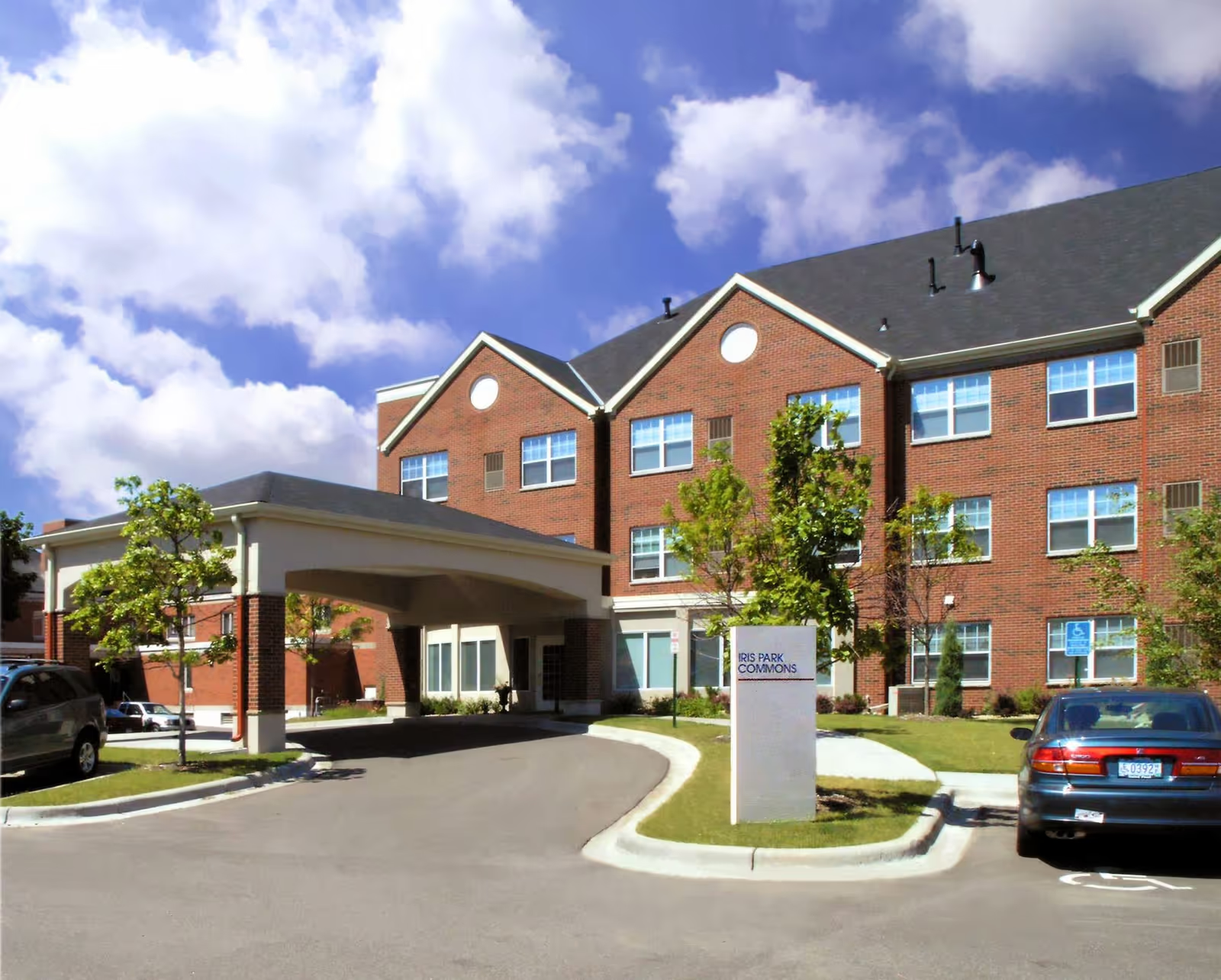
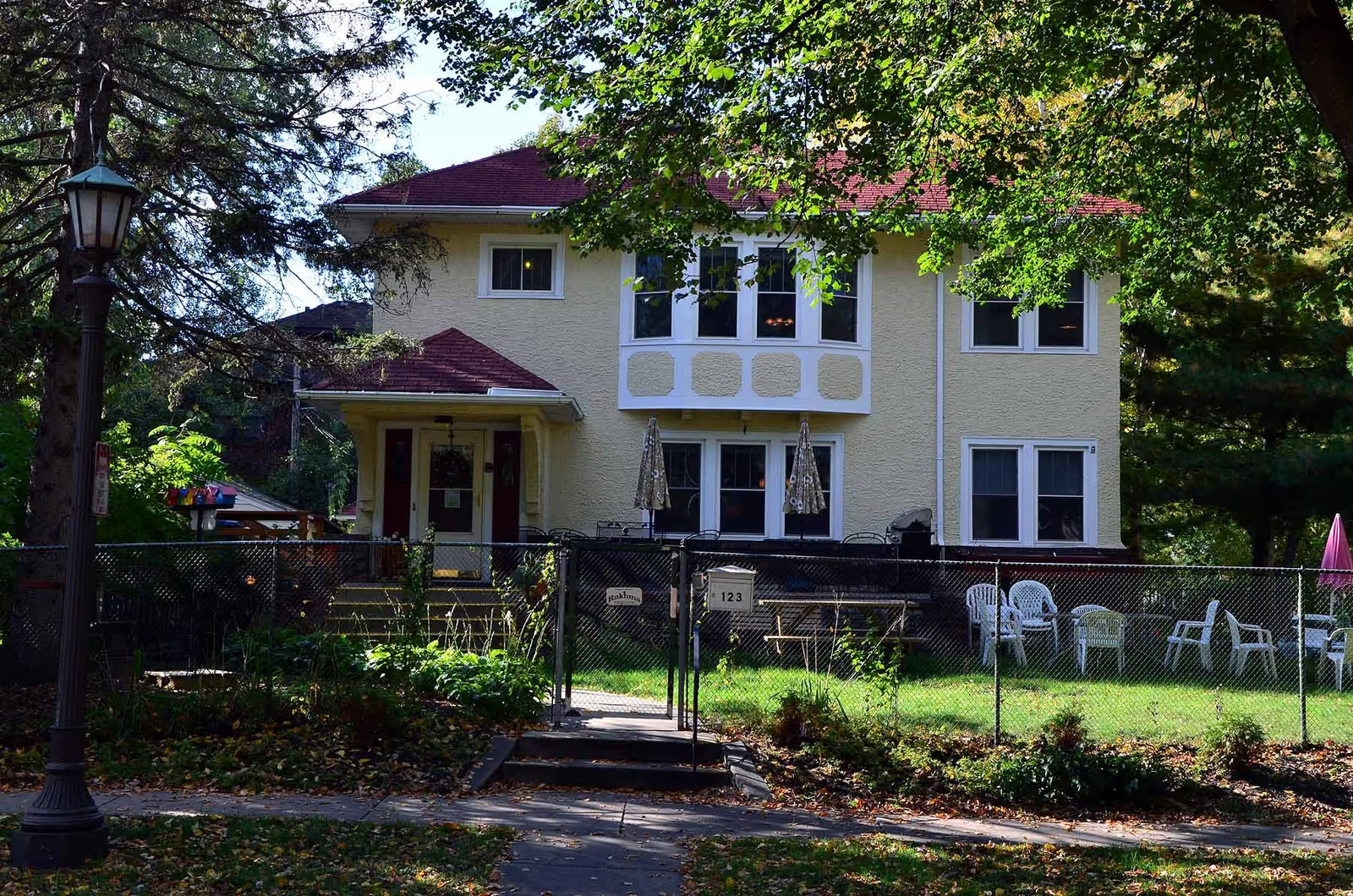
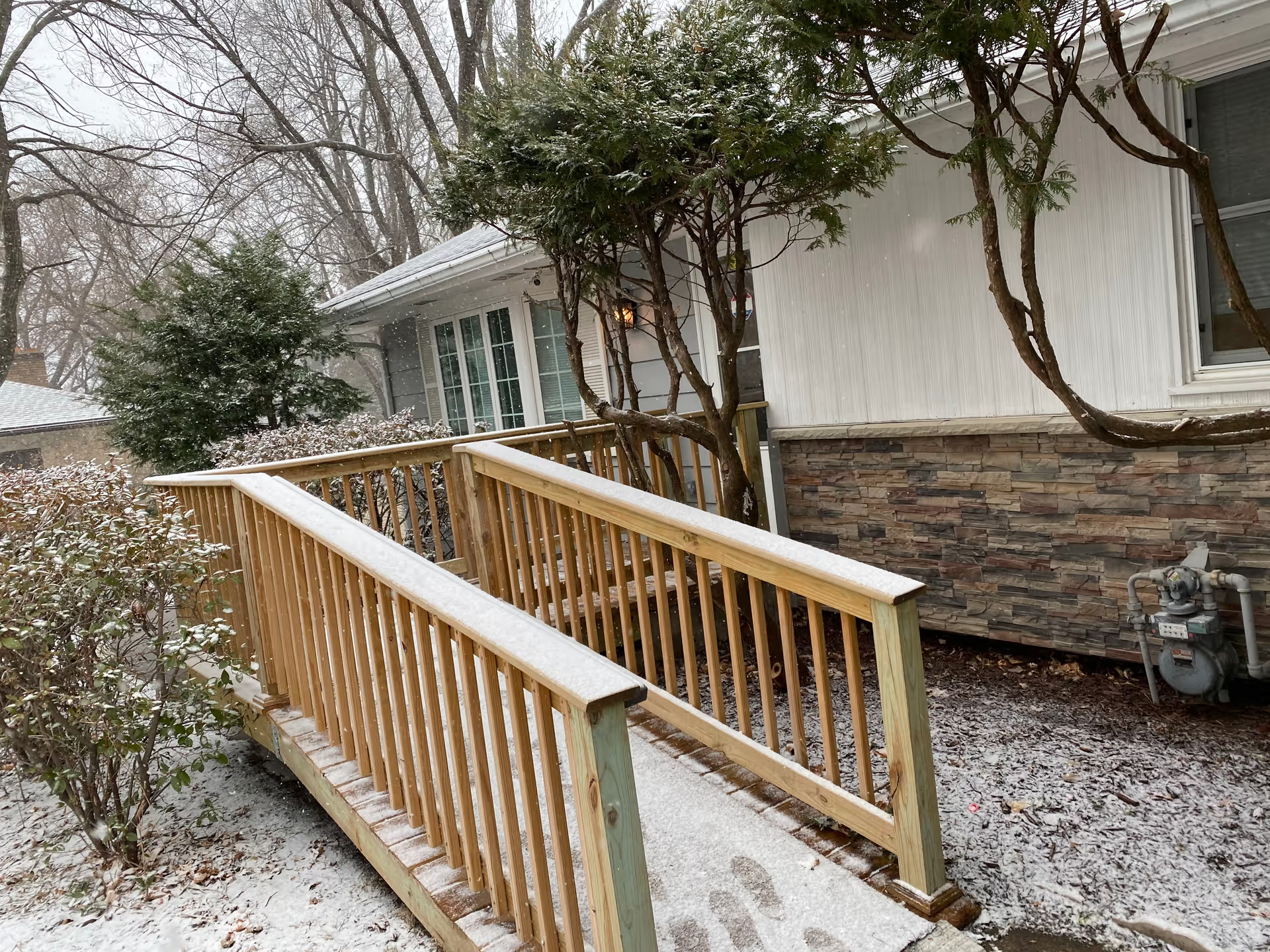
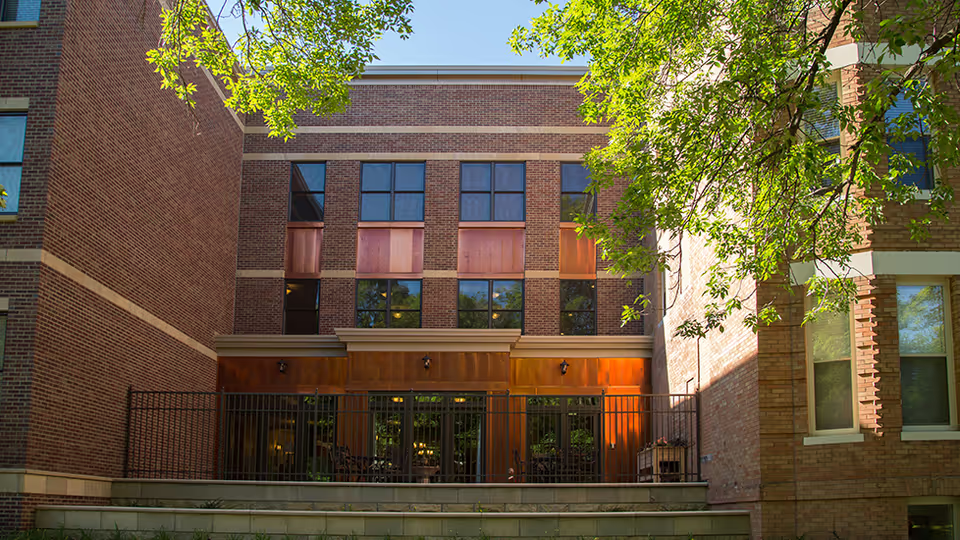
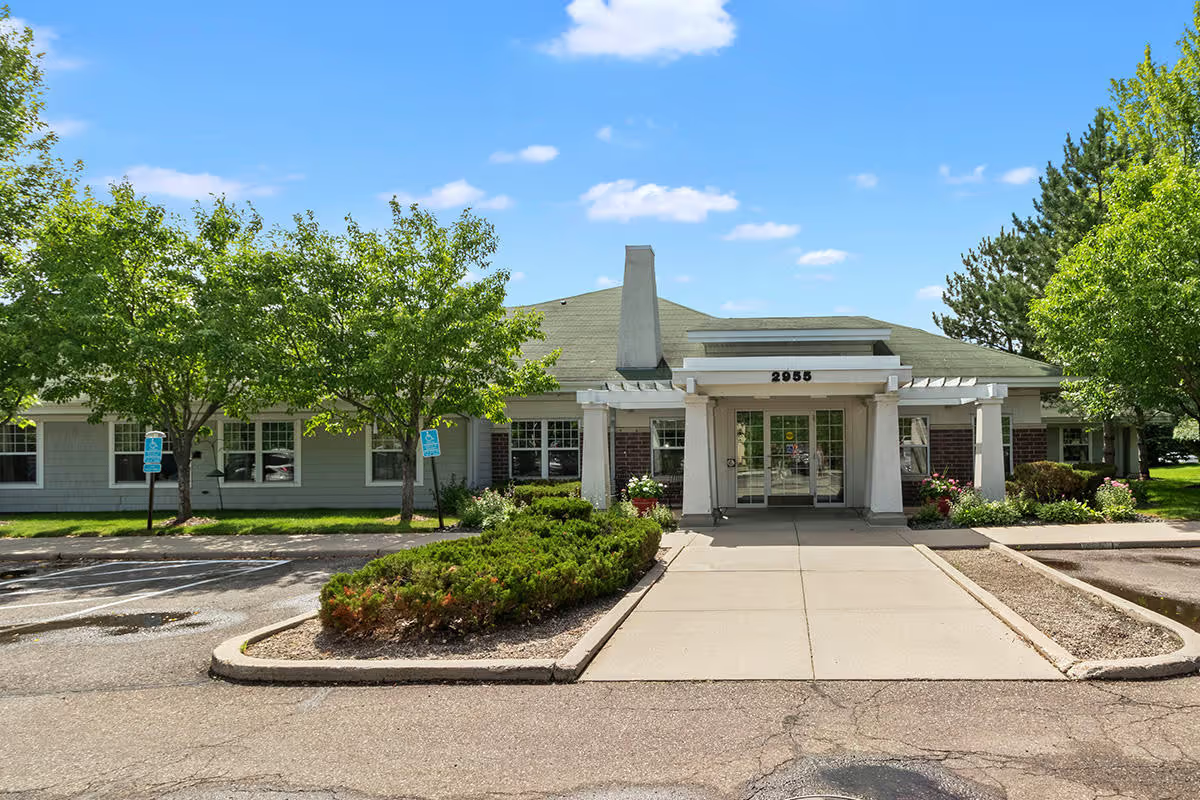
Facilities and environment: The property’s location and common-area renovations are strengths: scenic lake views and updated public spaces are frequently cited. In-unit living is described as apartment-style but with smaller rooms and some dated in-room fixtures and decor. Some reviewers reported issues with room temperature control and suggested variability in HVAC performance.
Management and notable patterns: Management perception is mixed — some families express confidence and peace of mind, while others describe dissatisfaction with leadership presence and responsiveness. Cost is perceived by some as high relative to the consistency of clinical services and oversight. Given the variation in experiences, prospective residents and families should perform targeted due diligence: tour multiple room types, ask for current staffing ratios and turnover data, review clinical protocols for wound care and tube feeding, inquire about language capabilities among direct-care staff, and request details about therapy contractors and special-diet procedures. These steps can help clarify whether the facility’s strengths align with an individual resident’s clinical and social needs.