The reviews present a mixed but concerning picture of care quality at Premier Estates of Crete. Positive comments focus on specific individuals in leadership and care roles — an engaged administrator and a nurse who takes responsibility for coordinating with physicians, and occasional CNAs described as compassionate. However, multiple accounts point to systemic operational issues that affect daily resident experience and perceived safety.
Care quality and clinical practices: Reviewers described inconsistencies in bedside care, including delays in responding to resident needs and apparent gaps in assistance with feeding and personal care. Several comments indicate that staffing levels and the caregiver mix are uneven, with references to nurses working without adequate CNA support. There are also specific concerns about protocols for off-site medical appointments and accompaniment, which suggest weaknesses in clinical-transport policies and continuity of care. Reviewers raised questions about hospice coordination and end-of-life processes, indicating a need for clearer integration with external palliative teams.
Staffing, conduct, and communication: A recurrent theme is variability in staff professionalism and responsiveness. Some staff members received praise, but others were characterized as inattentive or unprofessional, including use of personal devices while on duty and brusque interactions with families. Families described difficulties getting timely attention to call bells and reported that tone and communication from some weekend and ancillary staff could be dismissive. These patterns point to training, supervision, and accountability gaps rather than isolated personality issues.
Dining, activities, and daily living support: Reports highlight inconsistent meal-service practices and lapses in feeding assistance, including instances where meal trays were left without adequate support for residents who require help. There is little substantive information about activity programming in the comments provided; absence of positive mentions about activities suggests either limited programming or that activities were not a focus of the reviewers' experiences.
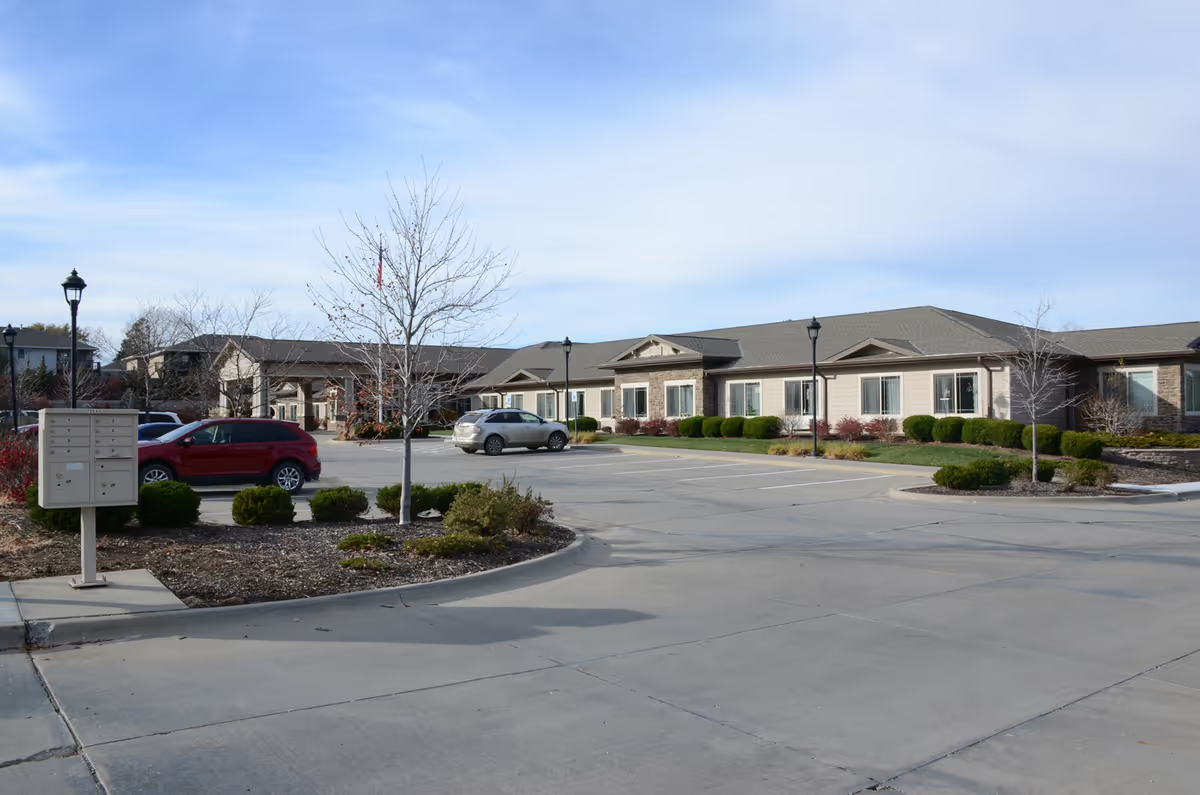
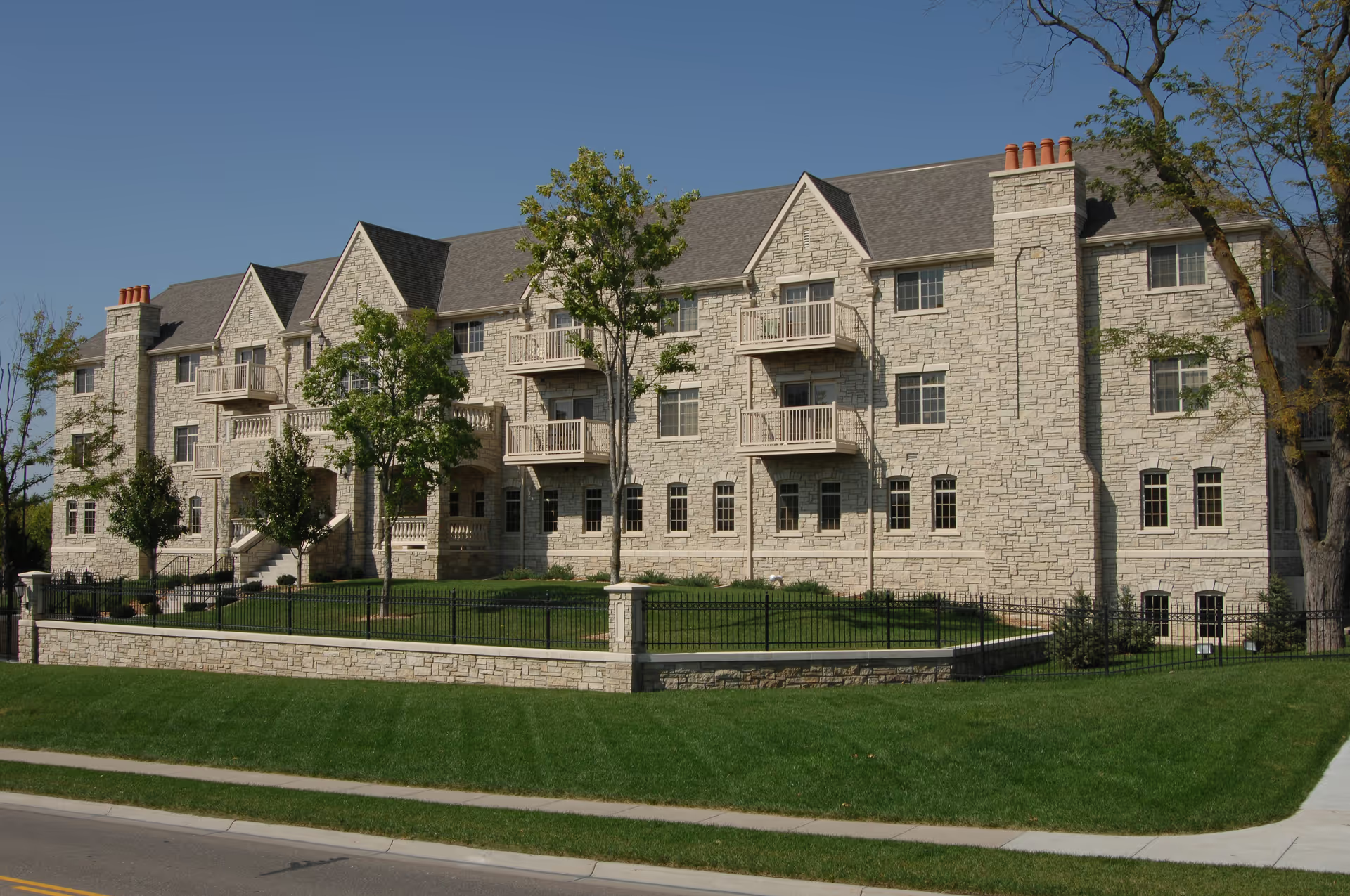
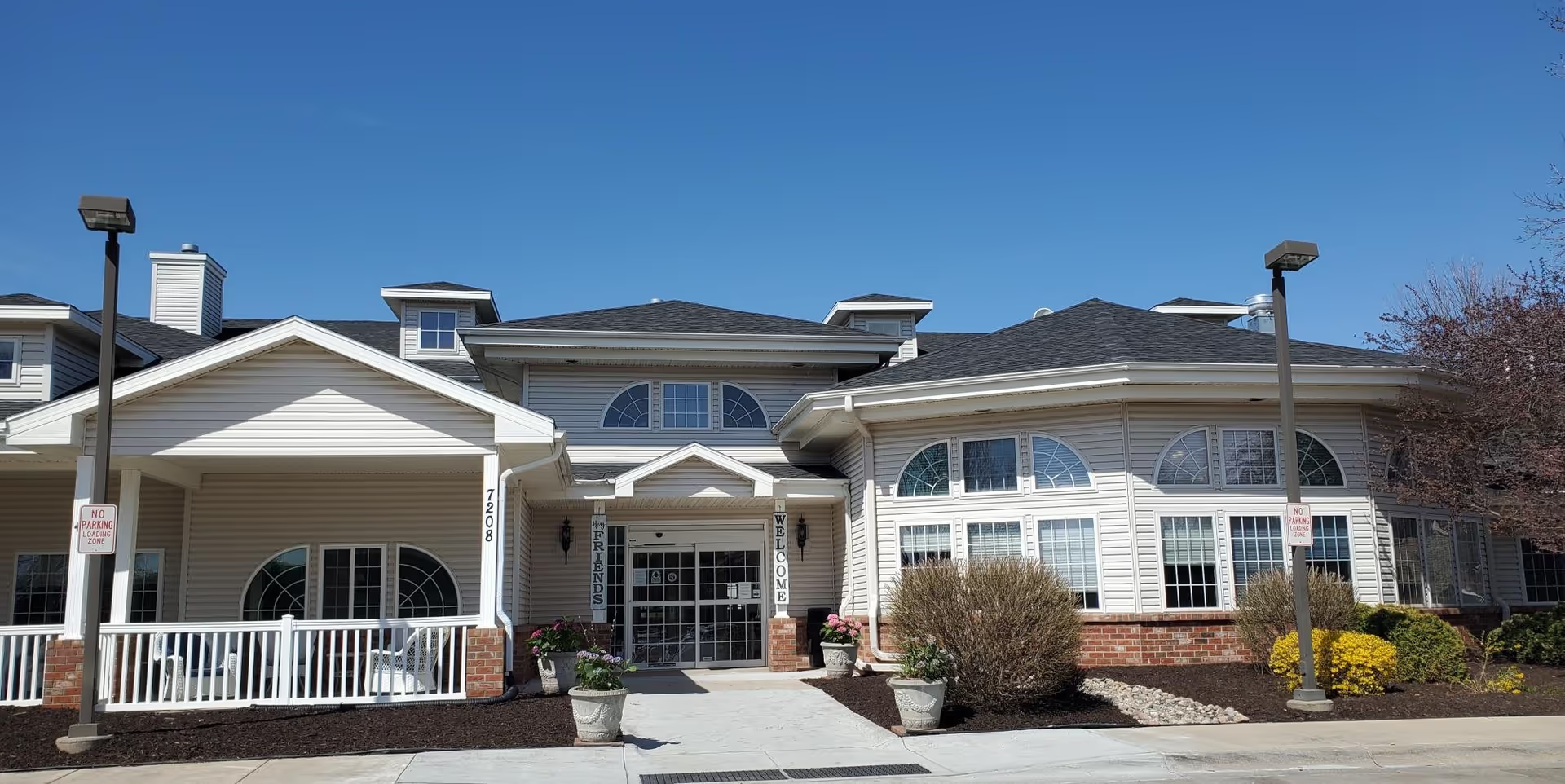
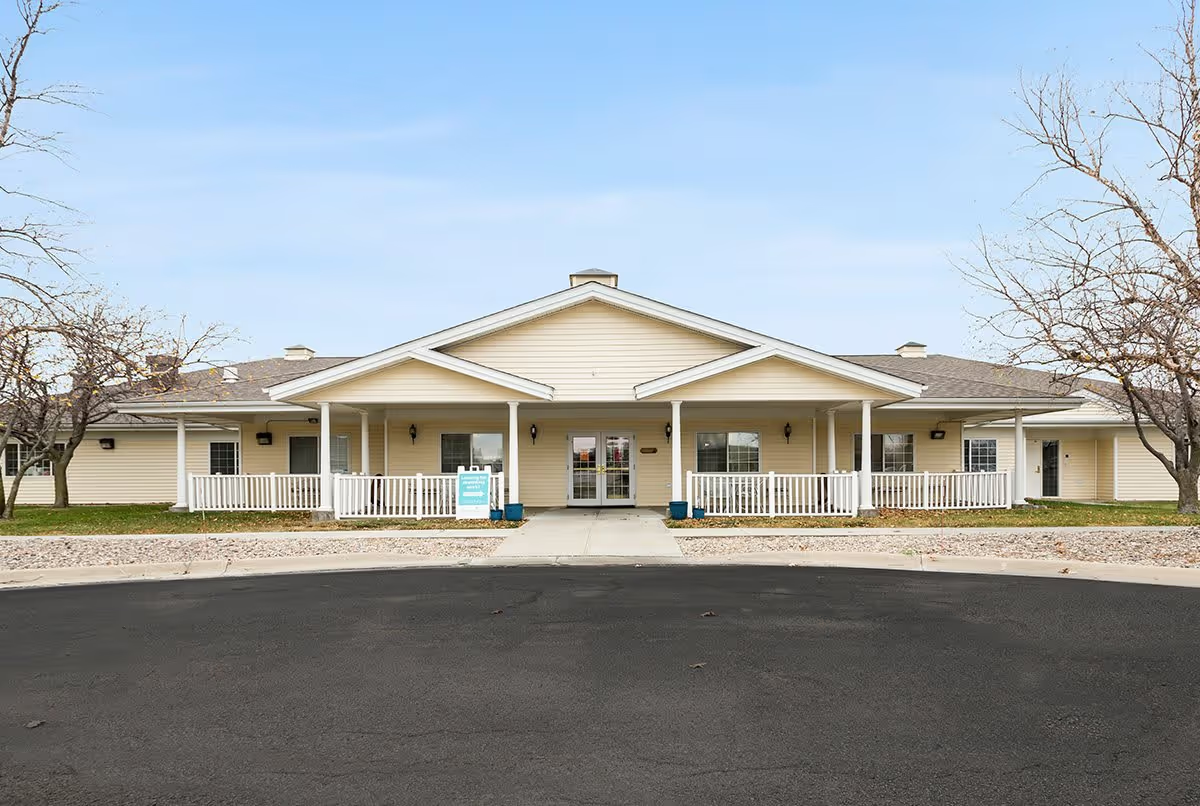
Facilities and maintenance: Descriptions of resident rooms and furnishing indicate dated decor, poor lighting, and general maintenance shortfalls, along with sanitation concerns in personal care and clothing management. These environmental issues can compound perceptions of care quality and affect resident comfort and dignity.
Management and notable patterns: Leadership presence is a recurring positive, and one reviewer suggested that with different frontline staffing the facility could present much better. Overall, the pattern in these summaries is variability — pockets of competent, engaged staff alongside recurring operational weaknesses in staffing consistency, responsiveness, cleanliness/maintenance, meal assistance, and coordination with outside medical and hospice providers. Prospective residents and families should seek up-to-date information on staffing ratios, care-plan processes, hospice integration, call-system reliability, and recent inspection or quality-improvement actions before making placement decisions.