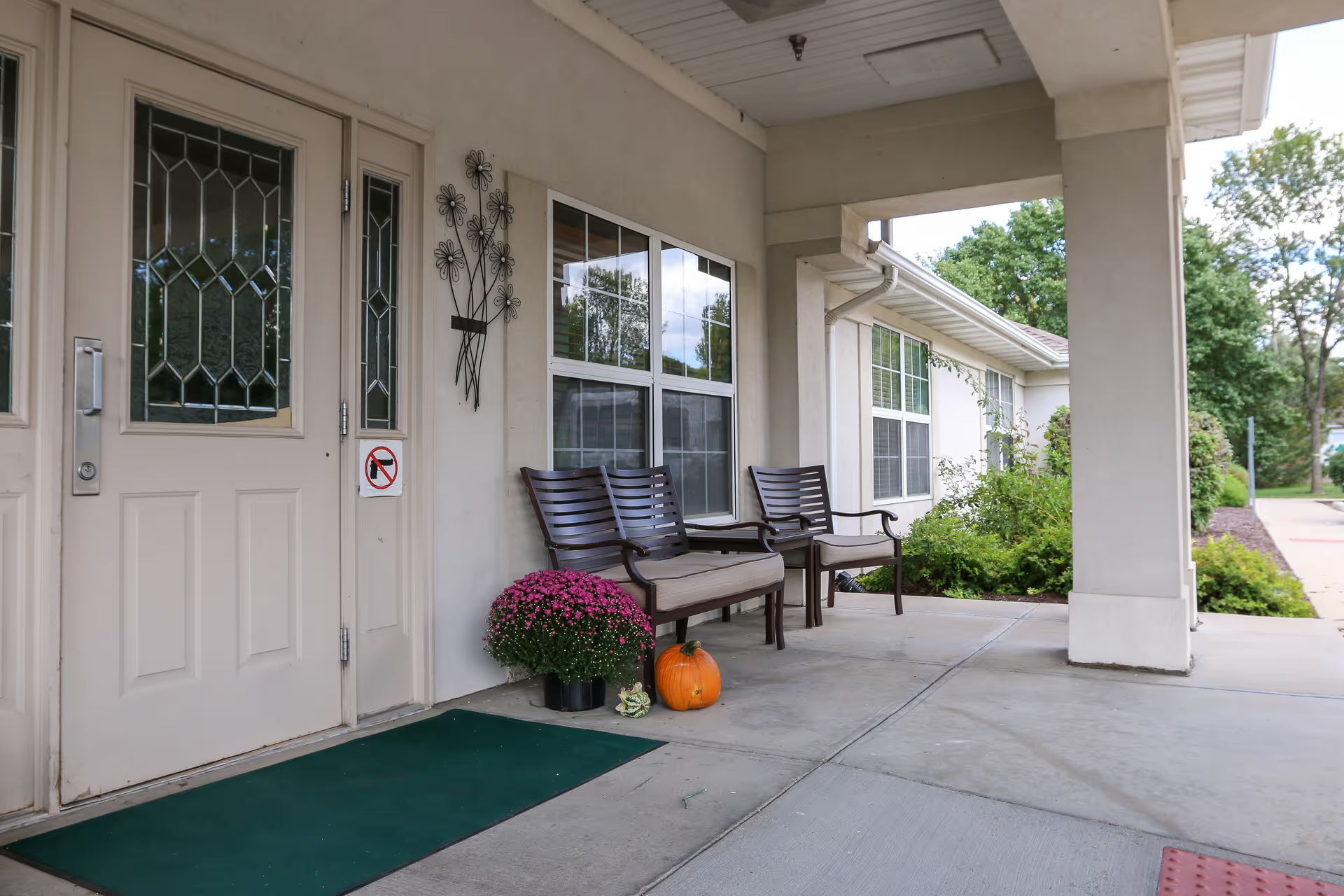
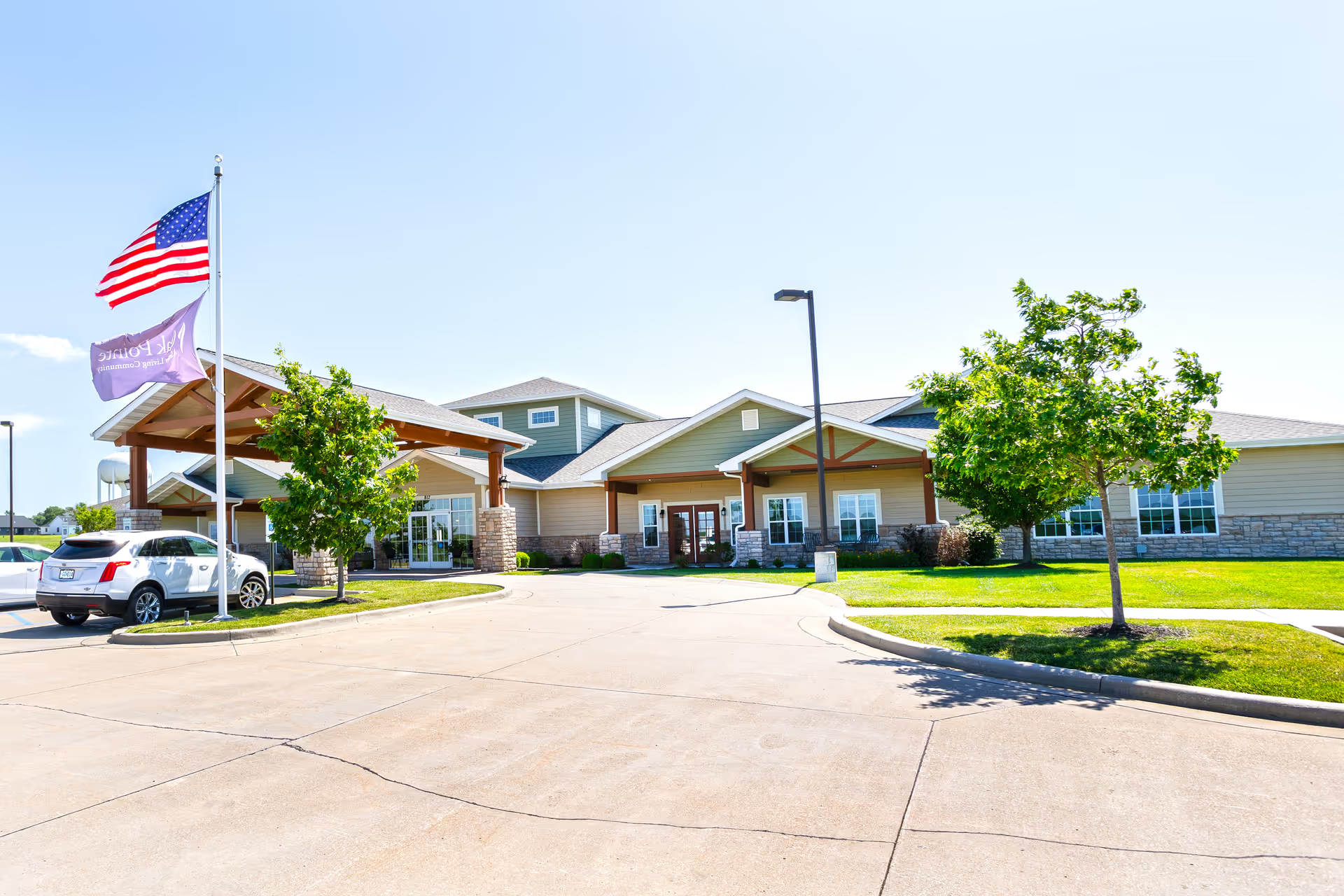
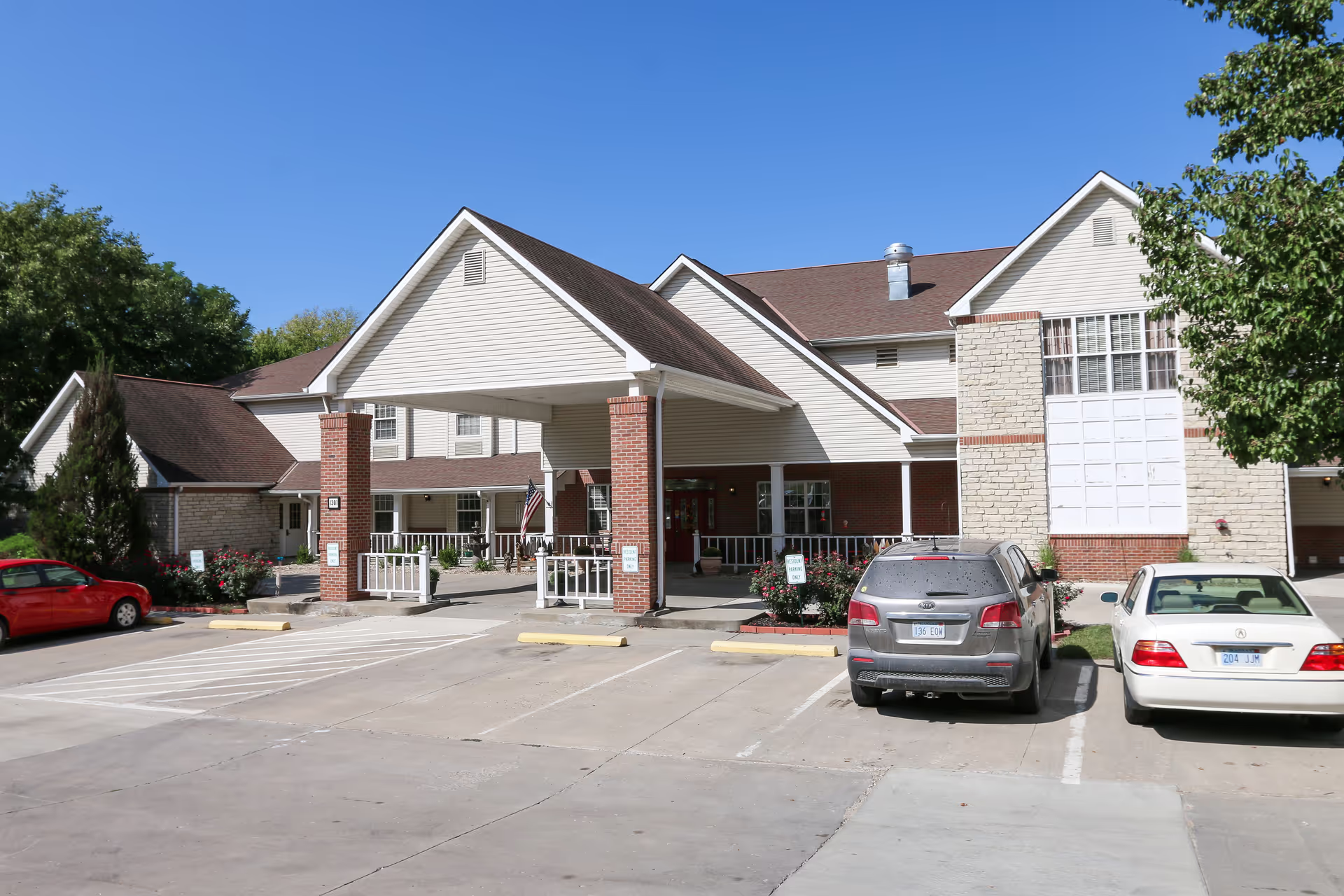
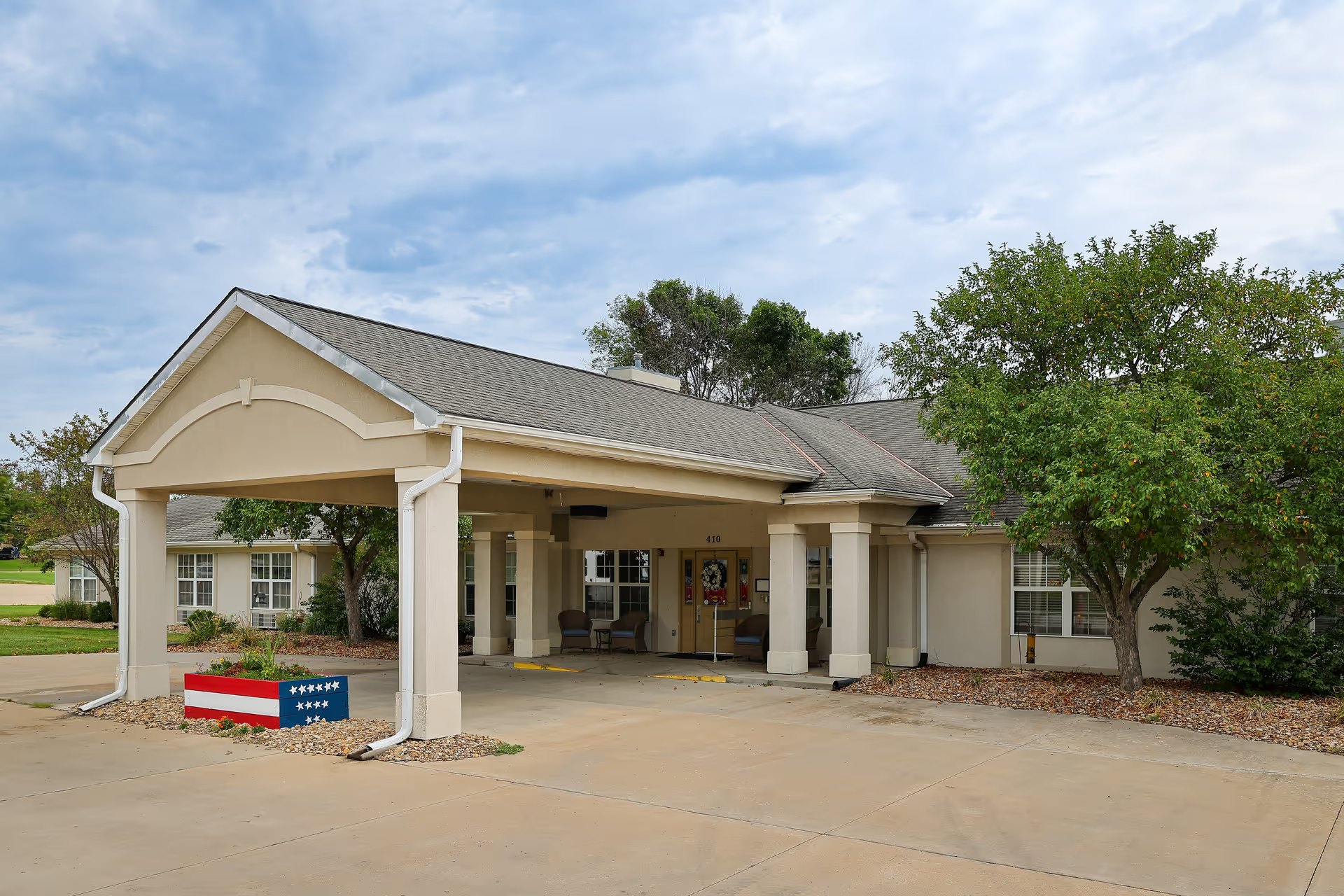
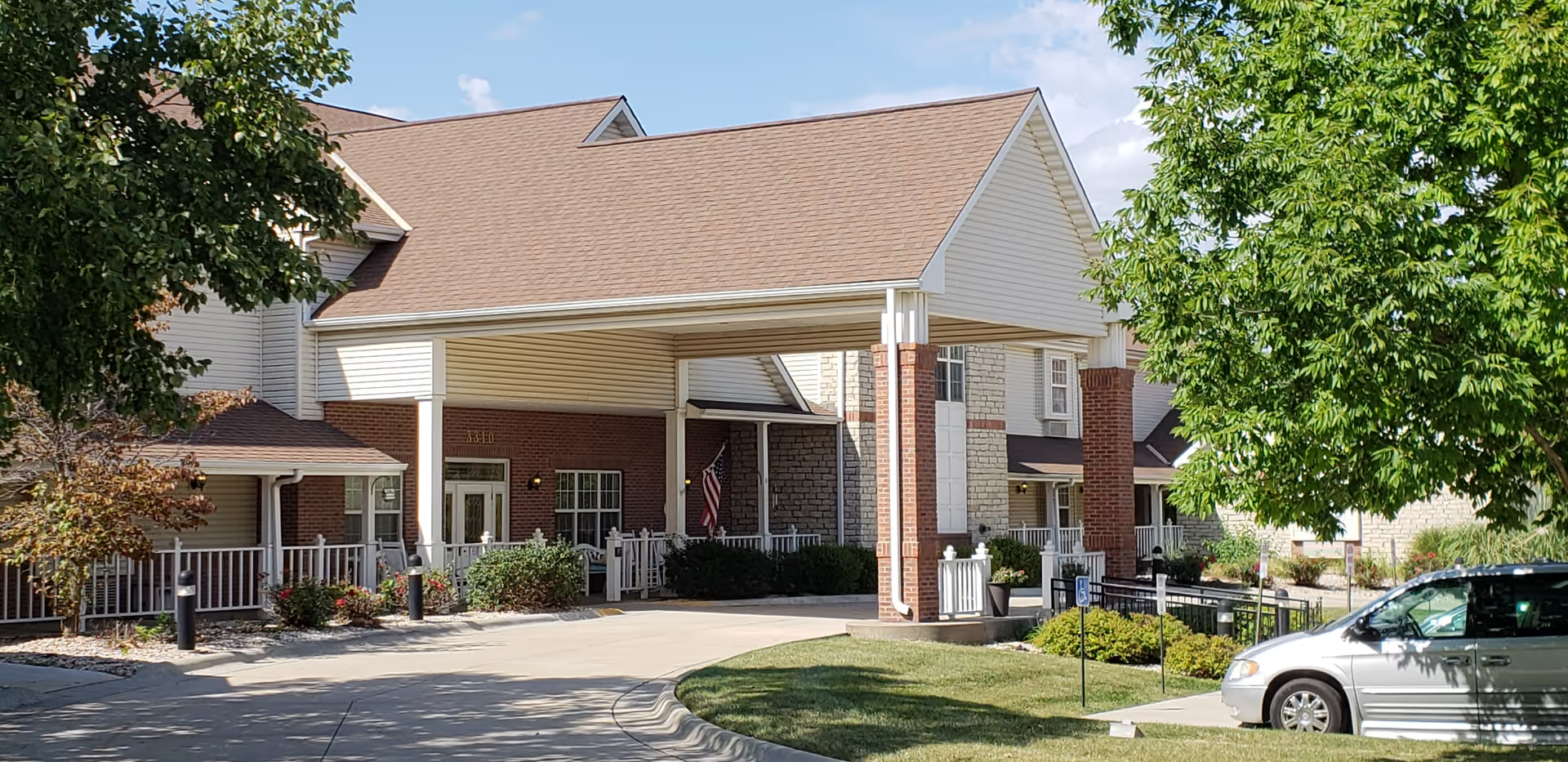
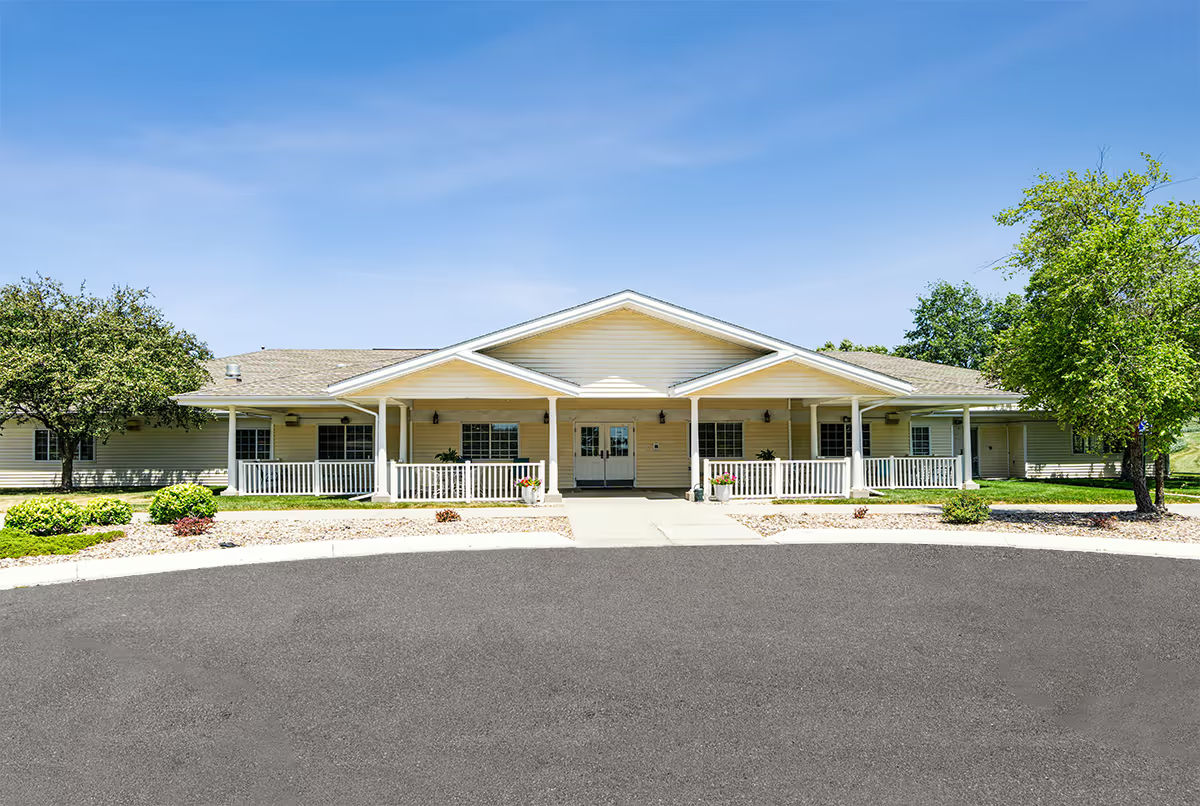
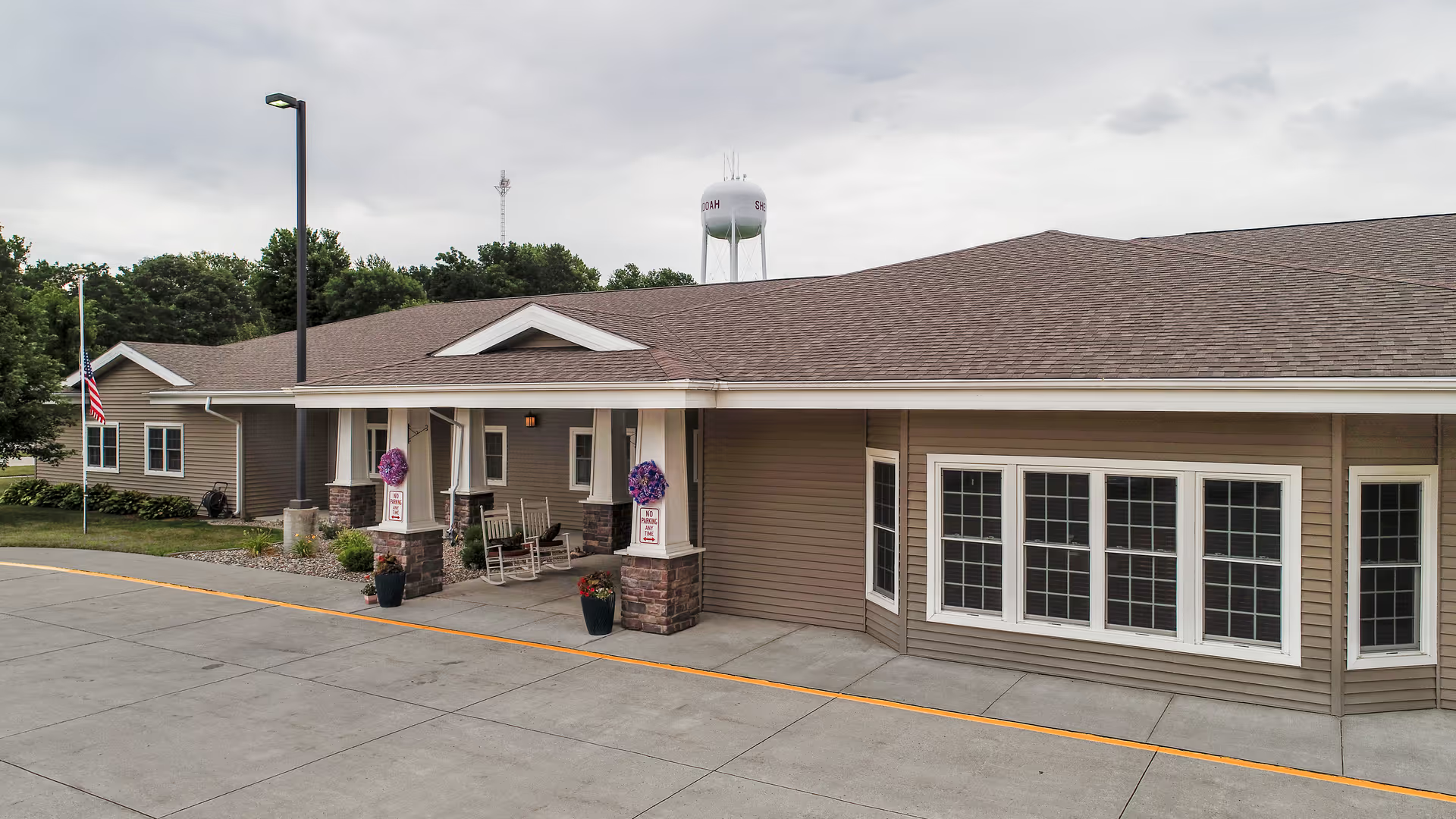
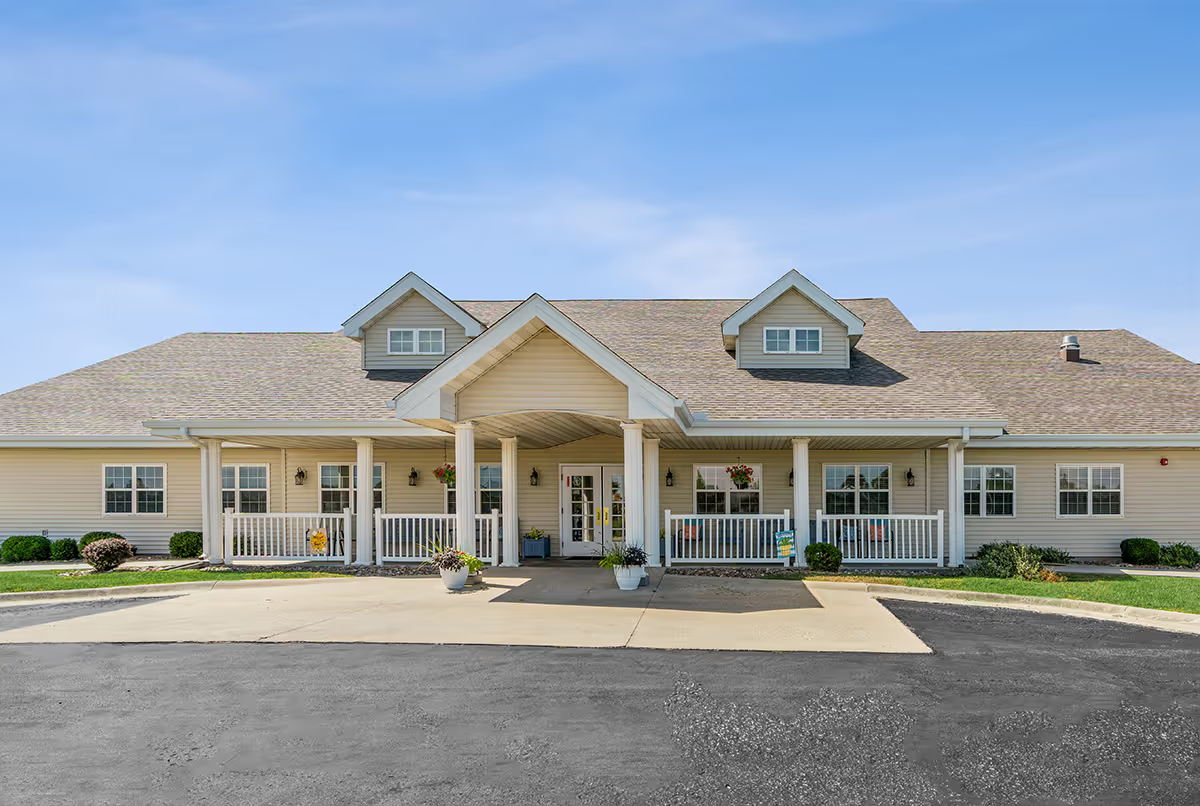
The reviews describe a facility with clear strengths in culture and interpersonal care alongside notable operational gaps. Many families describe a warm, hometown atmosphere: staff are often characterized as compassionate, supportive, and as creating a family-like environment. Reviewers highlight strong teamwork and morale among employees, individual caregivers who go beyond routine duties to provide comfort, and small positive touches such as homemade baked goods. The physical environment is generally described as clean, bright, and homelike, and there are repeated mentions of staff taking time for daily conversations and resident storytelling.
At the level of clinical operations and routine care, several reviewers raised concerns that suggest systemic issues. There are repeated accounts of delays in responding to call lights and attending to urgent resident needs, along with inconsistencies in personal-care tasks and oral hygiene. Some comments indicate medication-management practices that have affected resident alertness and mobility. Reviewers also noted limited access to certain clinical supplies and testing on site, and gaps in monitoring that have led to delayed cleanup after care events. These themes point to areas where staffing patterns, clinical protocols, or supply logistics may need reinforcement.
Staff and management are seen positively in many respects: employees are described as caring, helpful, and invested in residents’ emotional comfort, and the facility appears to use local hiring incentives and referral bonuses to support staffing. At the same time, multiple notes about slow responses, supervision shortfalls, and inconsistent follow-through suggest staffing reliability and oversight are uneven. Families specifically praised individual staff who provided exemplary end-of-life comfort, yet there are also concerns about coordination and family communication during clinical decline, indicating variability in how sensitive situations are handled.
Facilities, activities, and dining receive generally favorable comments. The building and common areas are described as pleasant and inviting, and staff engagement in daily conversation contributes to residents’ social well-being. Dining-related comments are positive in tone, with mentions of friendly service and small hospitality items. However, reviewers flagged privacy and bathroom-safety vulnerabilities (for example, curtains or shared arrangements that do not fully protect privacy) and intermittent sanitation/cleanup responsiveness as operational issues to address.
Overall, prospective residents and families should weigh the facility’s strong interpersonal culture and supportive staff against recurring operational concerns about responsiveness, clinical supply availability, hygiene consistency, and communication during clinical decline. When evaluating the facility, ask specific questions about average call-light response times, staffing ratios and supervision, medication-review practices, on-site testing and supply availability, end-of-life coordination protocols, and housecleaning turnaround standards. These targeted inquiries can help determine whether the facility’s strengths align with an individual resident’s care needs and expectations.