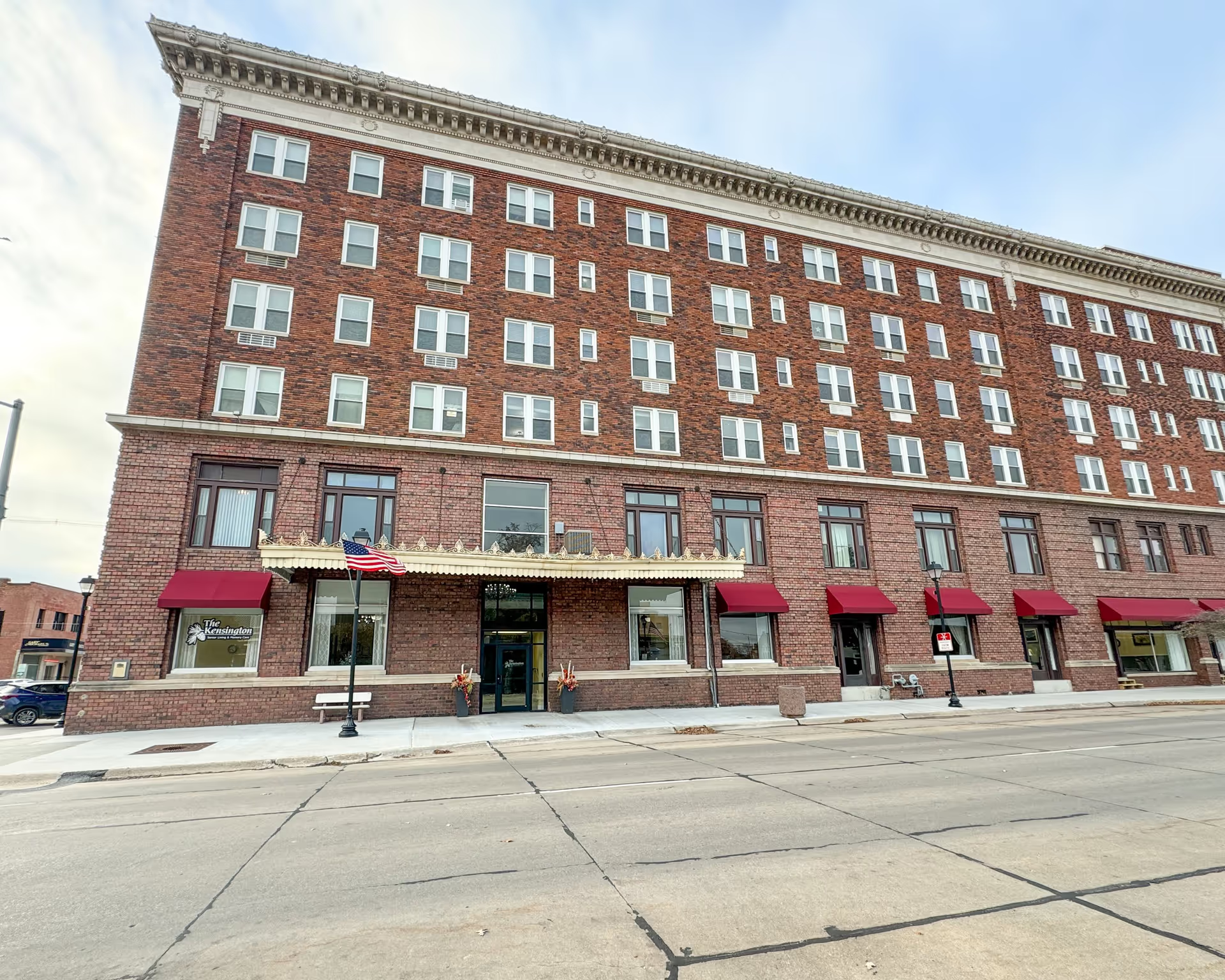
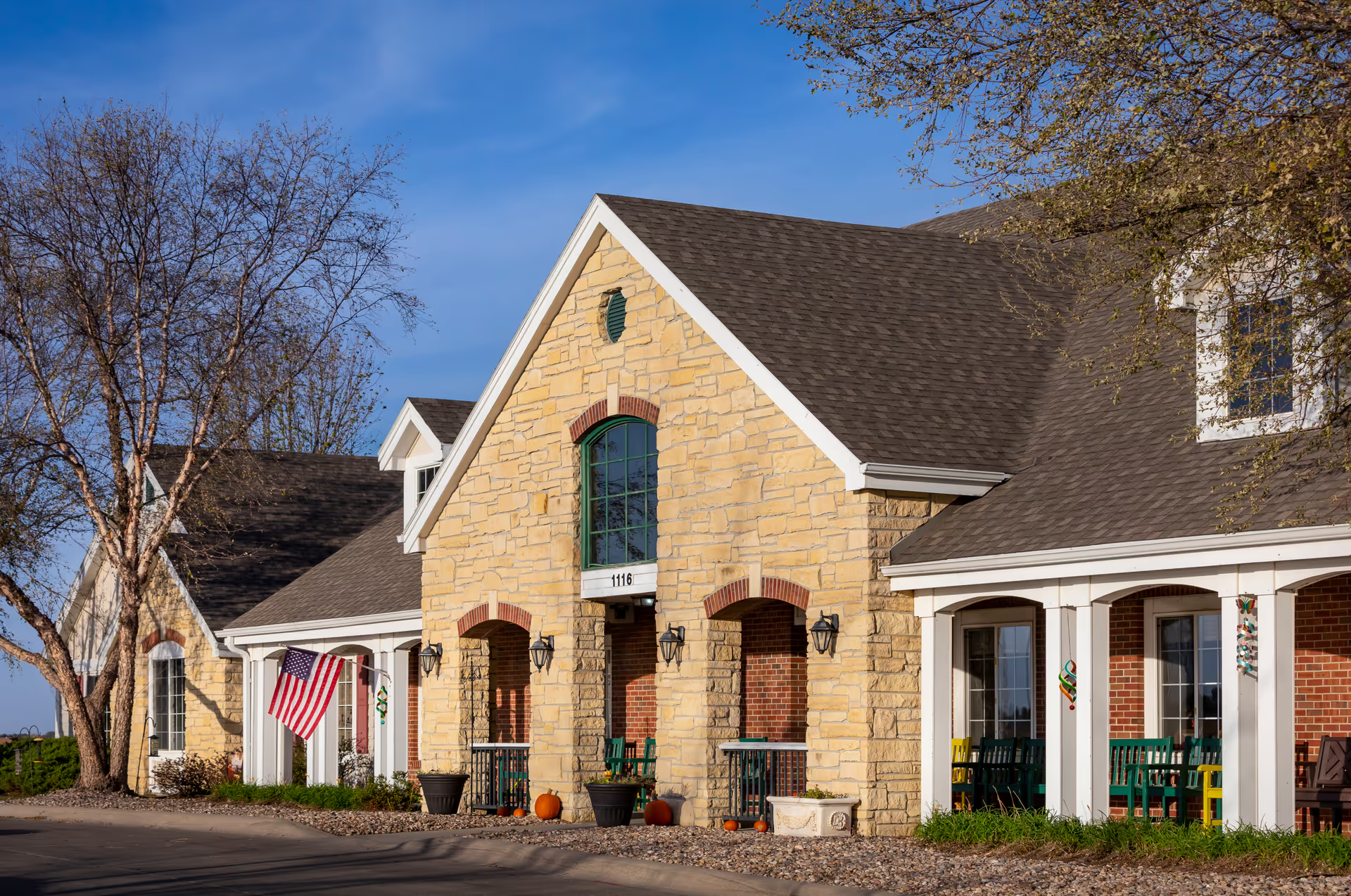
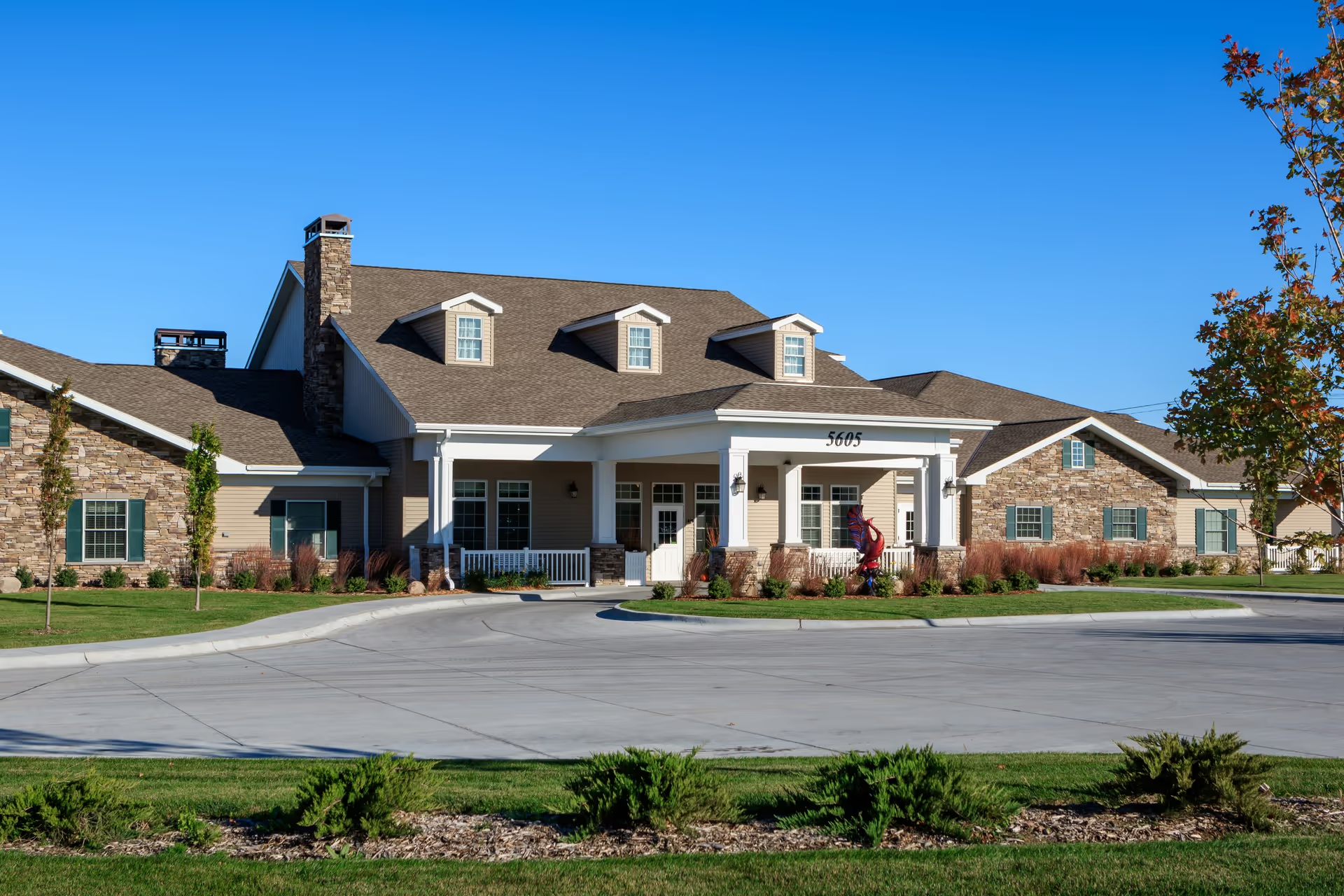
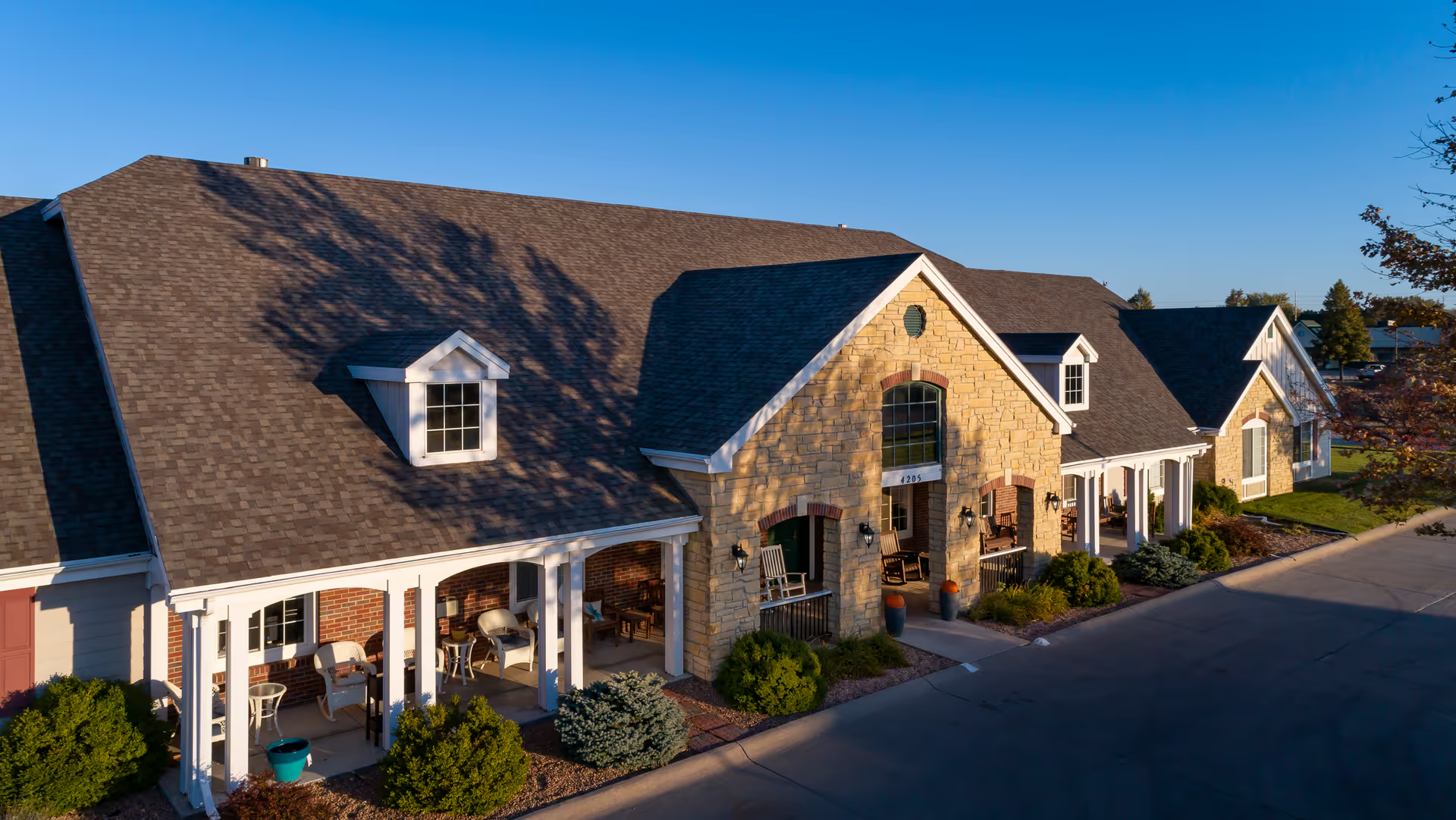
Reviewers describe a facility with a mix of clear strengths and recurring operational weaknesses. Strengths include a broad, engaging activities program and a friendly resident community; several families characterise the environment as safe and say maintenance responds to routine requests. Some residents and families report very positive experiences and would recommend the facility, indicating the community can meet social and lifestyle needs well for certain residents.
Care quality and staffing produce divergent impressions. Positive accounts of daily life coexist with concerns about staffing levels in skilled nursing areas. Reviews indicate slow responses to call lights and personal-assistance requests and describe gaps in clinical-care continuity and in matching placement to resident acuity. These operational gaps have, in some cases, prompted moves to different units or to alternative housing arrangements to obtain a higher level of supervision or care.
Staff interactions are described unevenly. Many note friendly neighbors and supportive staff interactions, while others raise concerns about communication tone, honesty, and fairness in resident treatment. Dining was not widely detailed in the summaries provided; overall ratings range from top marks to unspecified dissatisfaction where families moved for other reasons, so there is no clear, consistent pattern regarding meal service in the available comments.
Activities and social programming are a consistent positive: reviewers frequently cite plentiful events and opportunities for engagement that supported resident satisfaction. Facility condition reports are mixed. Some routine maintenance issues are handled responsively, but there are also accounts of inconsistent upkeep of grounds and building areas, along with sanitation and pest-control concerns in portions of the community.
Management and policy issues appear repeatedly in the summaries. Families express concern about rent increases, limited lease protections, and perceived limitations on recourse for residents. There are also perceptions of limited financial transparency and disagreements about resource allocation. Infection-control measures implemented during COVID-19 are described as having significant social and emotional effects on some residents, indicating a need to balance safety protocols with mental-health and social needs.
Taken together, the reviews suggest a polarized experience: some residents and families report excellent, fulfilling stays, while others identify operational weaknesses that affect care responsiveness, facility upkeep, and administrative transparency. Prospective residents and families may benefit from focused questions during tours — for example about staffing ratios in skilled units, average response time to call lights, pest-control and maintenance practices, lease terms and rent escalation policies, and how infection-control measures are implemented with attention to resident well-being.