Overall impression: Prestige Care Center of Nebraska City presents a mixed profile. The facility offers robust clinical capabilities—particularly for short-term rehabilitation and therapy—and many families and patients find the clinical therapy teams and direct-care staff to be helpful and effective. At the same time, recurring operational and administrative issues create variability in the resident experience. Prospective residents should weigh the facility’s strong rehabilitative resources against reported inconsistencies in day-to-day care processes.
Care quality: The facility appears to provide comprehensive rehabilitation services, including physical, occupational and speech therapy, IV therapy and wound-care services, and is often used for post-surgical or post-hospital rehabilitation. Several reviewers described positive functional outcomes during short-term stays. However, there are repeated accounts of uneven nursing responsiveness, delays or breakdowns in prescription and wound-care follow-up, and concerns about how some clinical matters are communicated and handled. These patterns suggest reliable episodic therapy capability but variable continuity of clinical follow-up for longer-term needs.
Staffing and staff conduct: Many accounts highlight friendly, compassionate nurses, aides and an engaged activities director who facilitate socialization and help residents feel included. At the same time, reviewers describe staffing shortfalls and inconsistent professionalism among some employees. Examples include direct-care staff being responsible for ancillary tasks such as laundry, dismissive communication tone toward families, and instances in which families felt excluded from decision-making. These themes point to strengths in individual caregiver engagement alongside facility-level staffing and supervision challenges.
Dining and activities: Activity programming and opportunities for social interaction are commonly mentioned as positive features; residents were invited to events, made friends, and enjoyed communal meals. Dining is generally described as providing basic, adequate meals rather than gourmet service. Overall, the facility seems to offer meaningful social opportunities and basic nutritional support appropriate for short-term rehabilitation and many long-term residents.
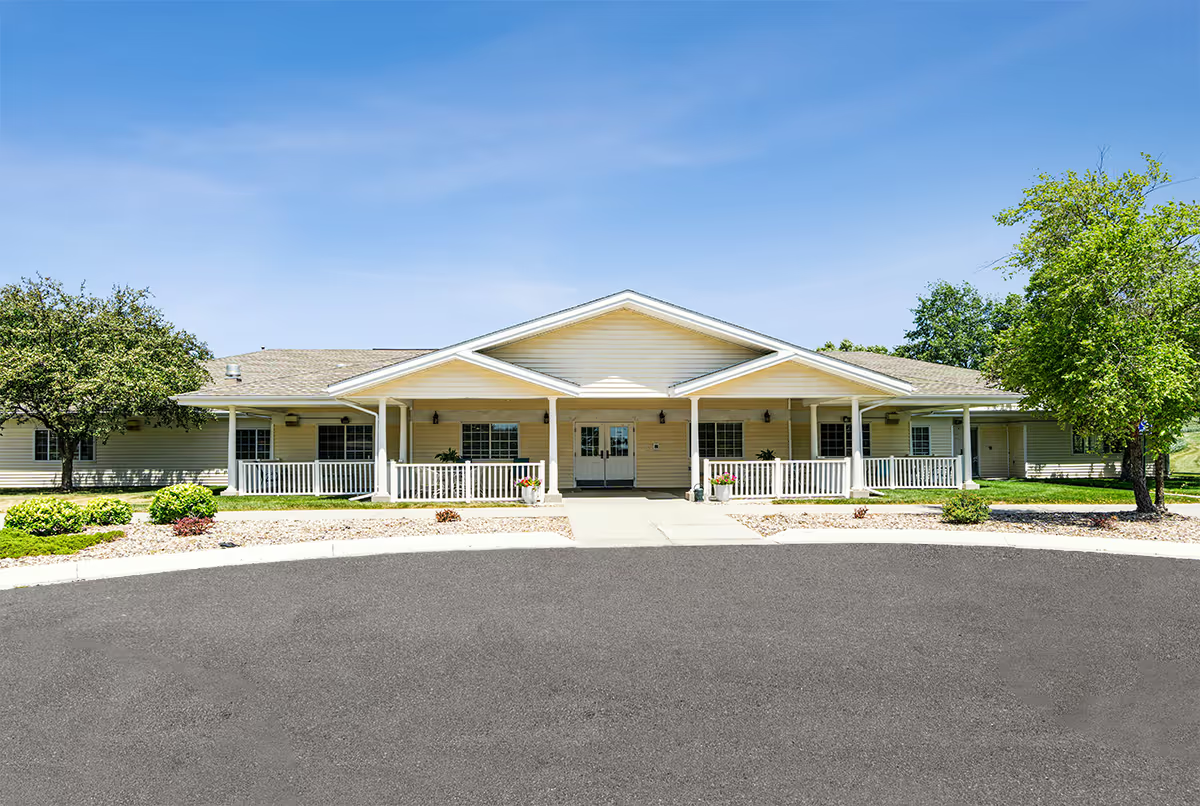
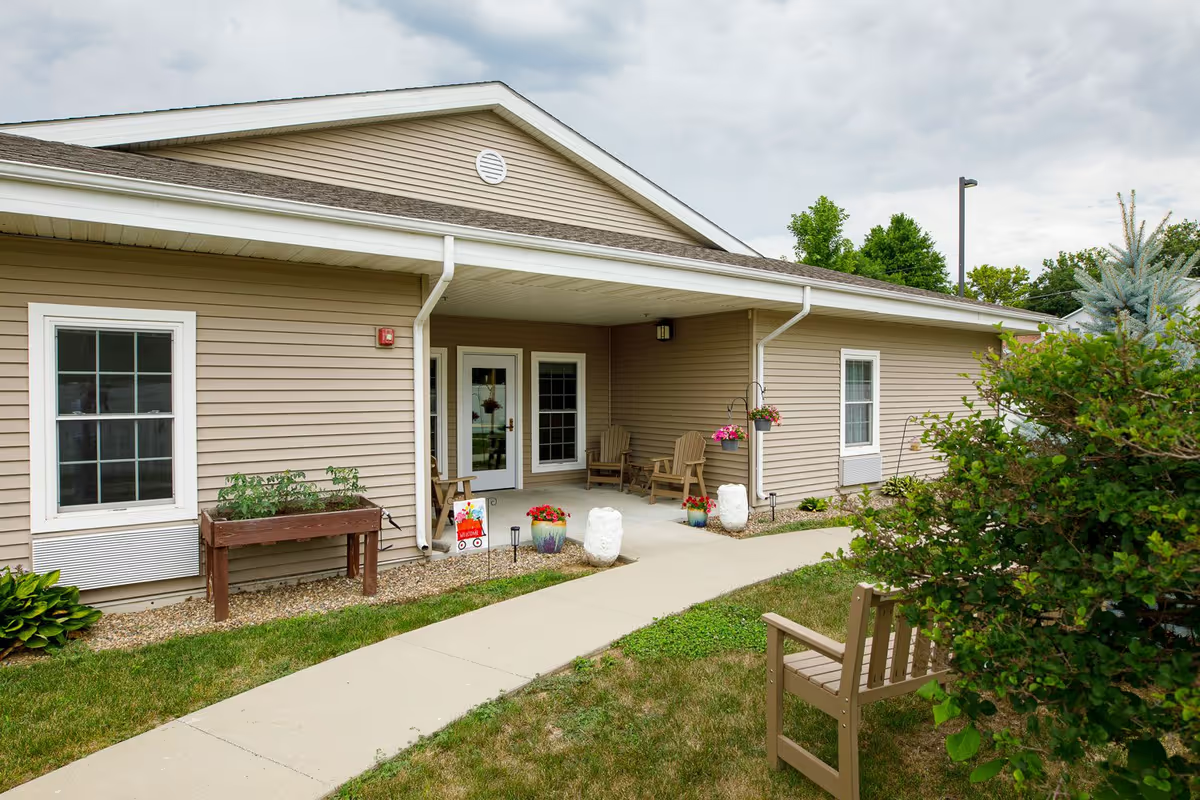
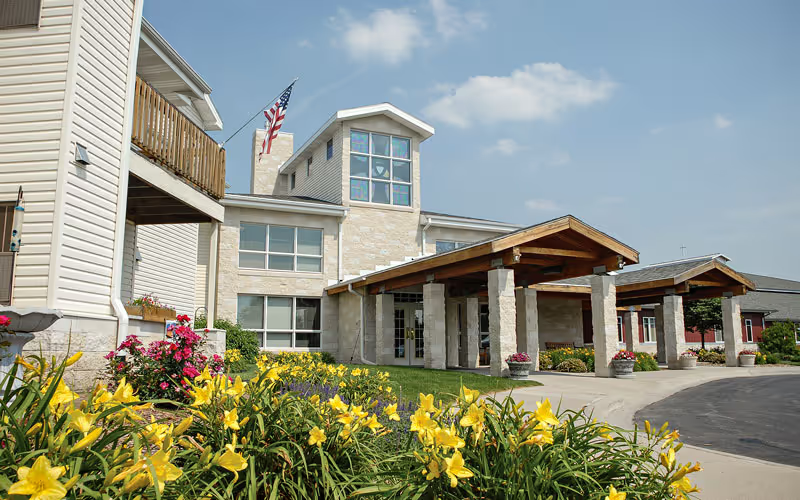
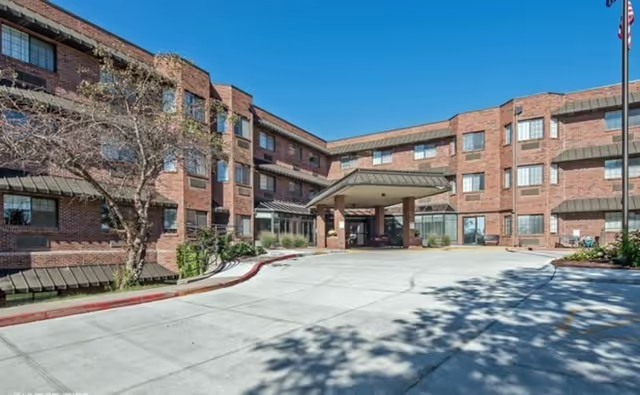
Facilities and cleanliness: The physical environment is described as utilitarian and plainly appointed, offering the basics but limited aesthetic amenities. Several comments raise sanitation and laundry-management concerns and reference pest-control issues in resident areas. These are operational matters families should verify during a tour and by asking about infection-control and pest-management practices.
Management and administration: Multiple reviewers describe disorganized administrative processes—examples include incomplete or poorly explained discharge paperwork, medication/prescription-process breakdowns, and lapses in medical documentation or adherence to guidelines. Families also noted difficulties being included in care decisions. Together, these suggest gaps in administrative oversight, documentation practices, and family communication protocols that can affect continuity and safety of care.
Notable patterns and guidance for families: The clearest pattern is a facility strong in short-term, therapy-driven rehabilitation with many caring frontline staff, combined with variable performance on operations, documentation, sanitation and family engagement. For those seeking short-term rehab, the center may provide good clinical therapy value; for long-term placements, families should perform focused due diligence. Recommended questions include staffing ratios and turnover; specific wound-care and medication reconciliation workflows; how discharge paperwork and transitions are managed; pest-control and laundry-management policies; and how families are included in care-planning and end-of-life conversations. Visiting the unit during a meal or activity and speaking directly with the therapy and nursing leadership can help clarify whether the facility’s strengths align with an individual’s needs.