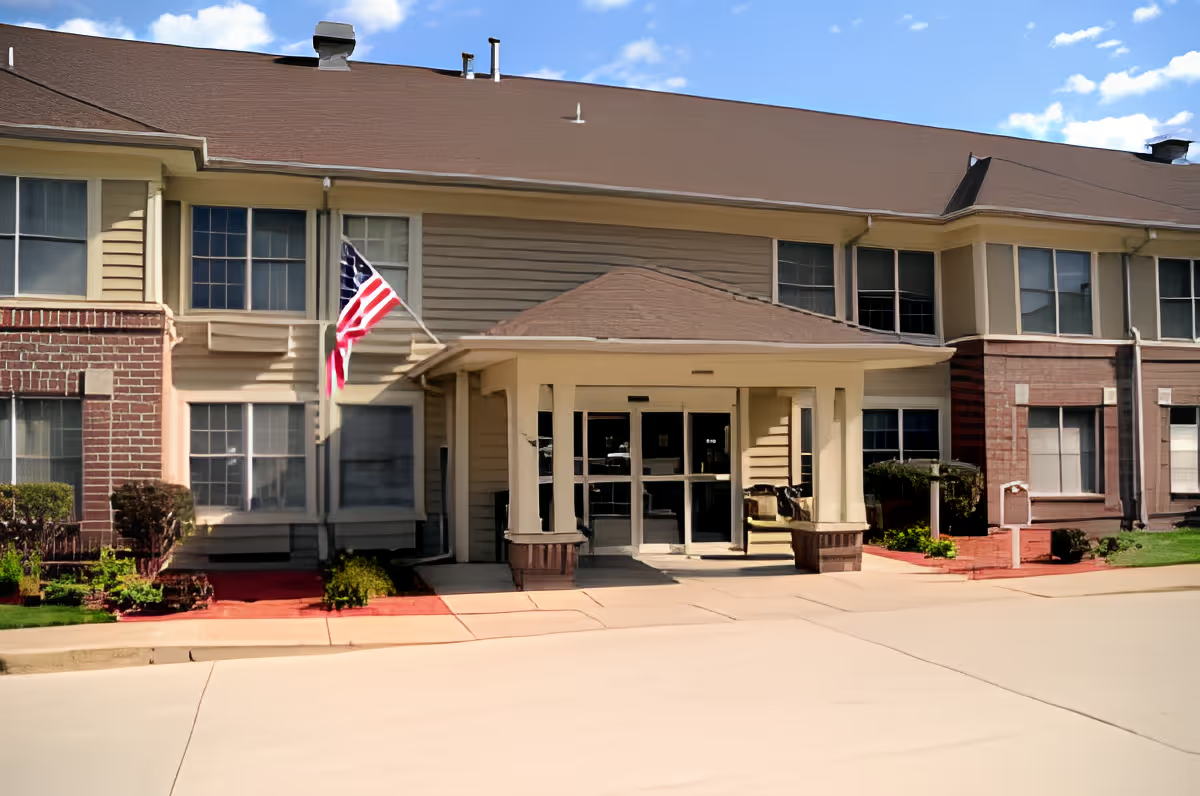
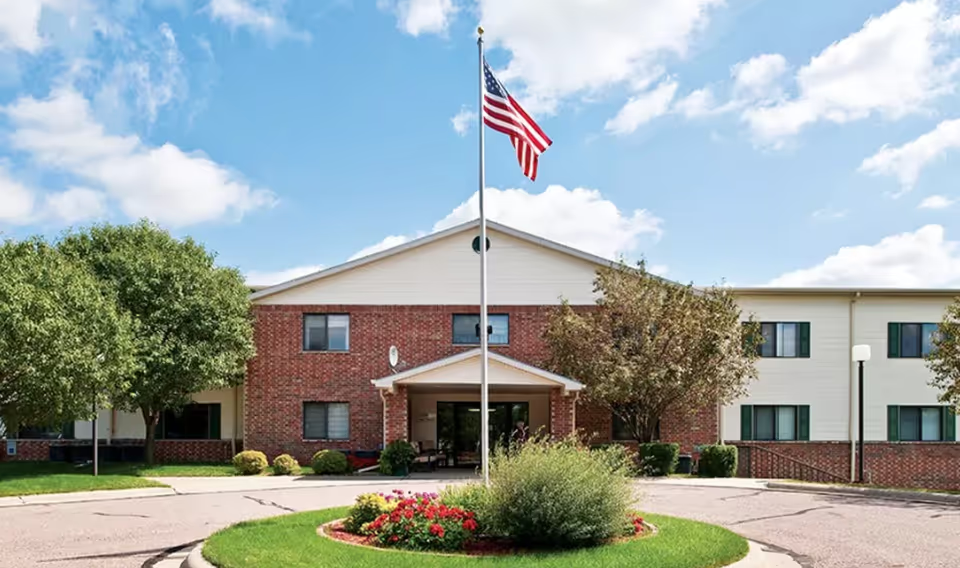
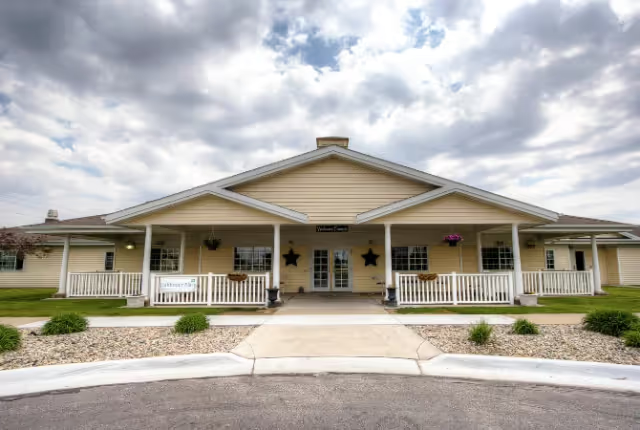
Overall impression: The facility is generally described as a well-maintained, veteran-focused community with strengths in caregiving, clinical oversight, and resident quality of life. Families and visitors frequently highlight attentive nursing and support staff, a sense of safety, and respect for resident independence. Management presence and responsiveness are commonly noted as positive contributors to resident well‑being.
Care and staff: Care quality is characterized by compassionate direct care and supportive leadership. Review excerpts emphasize respectful interactions, appropriate medical oversight, and attention to residents’ autonomy. At the same time, there are operational concerns related to front‑line customer service: reception and initial visitor interactions have been called out for tone and responsiveness, and these customer‑service gaps can create a negative first impression despite strong clinical care on the units.
Activities and programming: The facility offers a range of engaging programs, with particular attention to memory‑care programming and veterans’ activities. Music programming, outdoor walks, and regular outings are cited as contributors to residents’ quality of life. Community recognition efforts and veteran‑oriented amenities are visible and reinforce the facility’s mission.
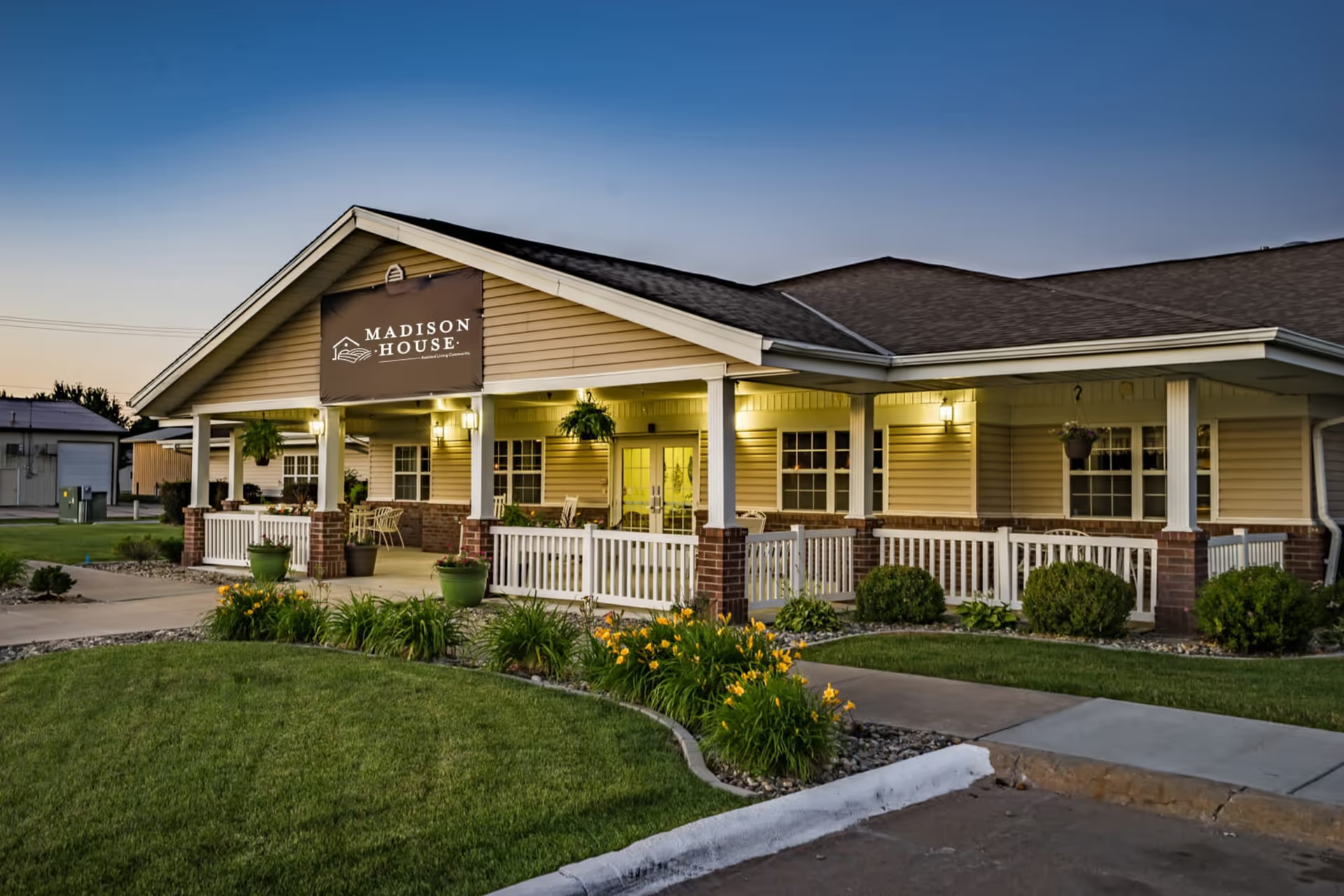
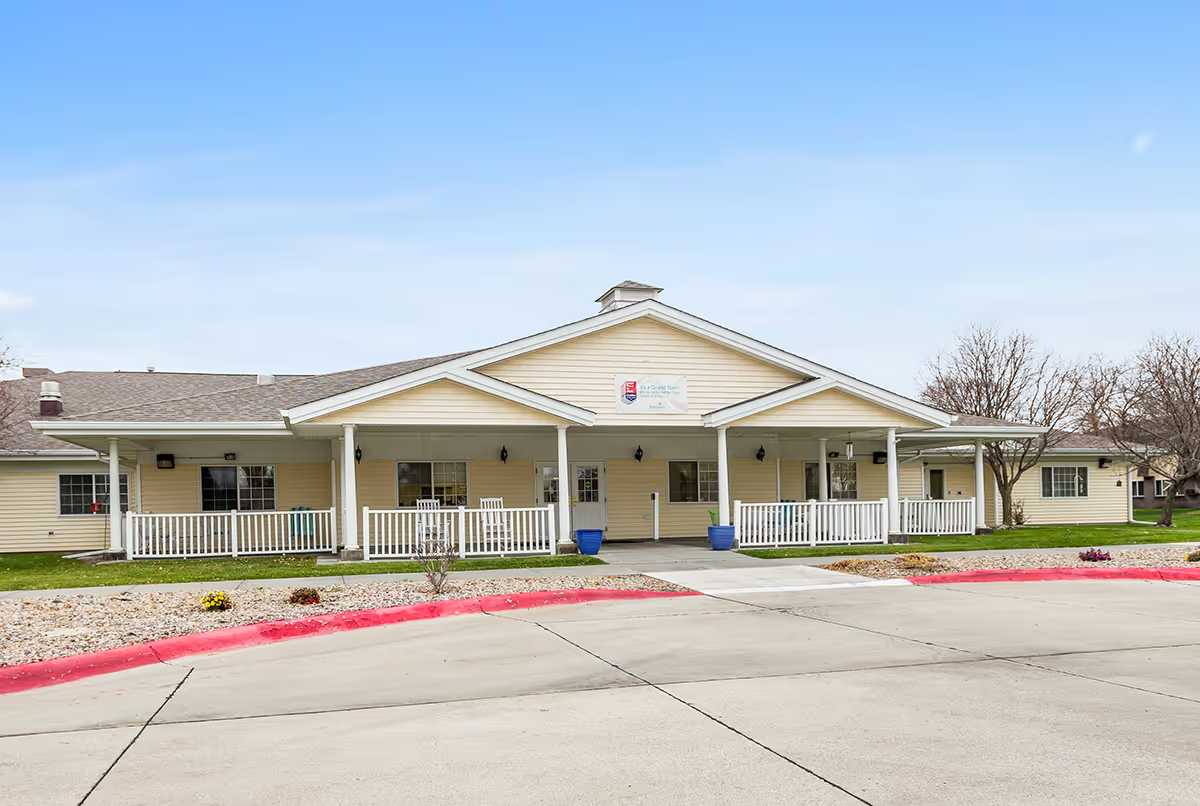
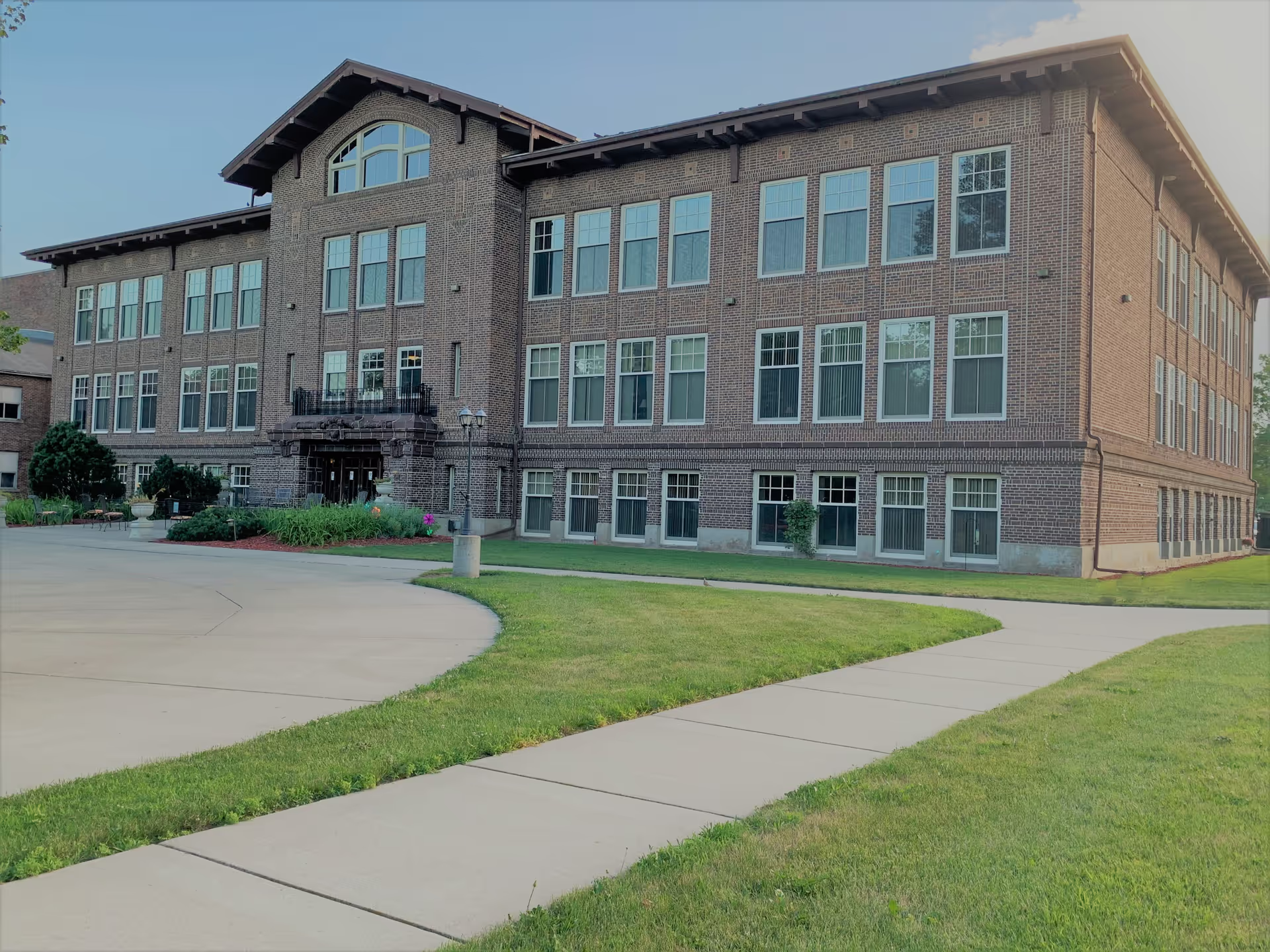
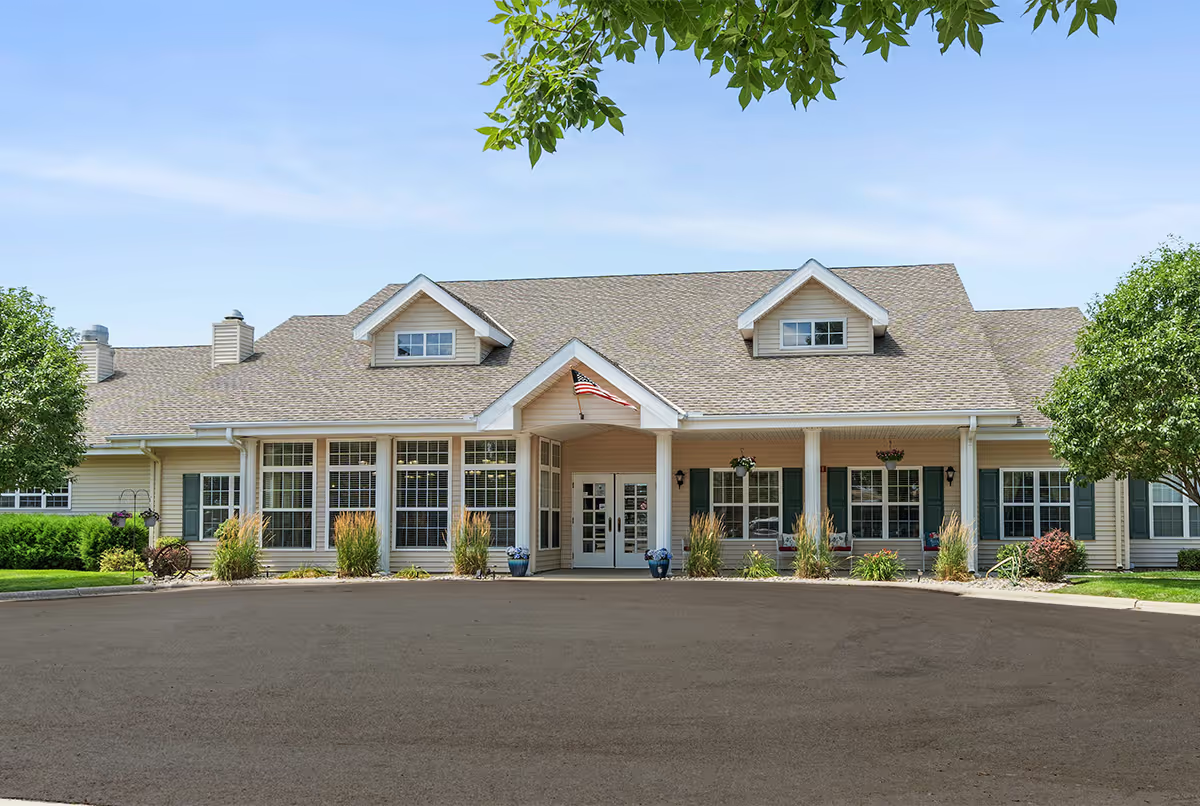
Facilities and dining: Physical spaces and veteran‑specific amenities (including outdoor areas and community honors) are positively described. There is little specific commentary about dining quality in the provided summaries; prospective families should request current menu samples and meal‑service details during a visit to assess fit and preferences.
Management, policies, and notable patterns: Management is viewed as caring and willing to address concerns when engaged, but a recurring pattern concerns visitor access and communication. Visitors report unclear or rigid visitation procedures, including appointment requirements and inconsistent guidance at the front desk. These procedural and communication gaps appear to be a leading source of dissatisfaction and contrast with otherwise favorable reports about clinical care and daily life. Prospective families should confirm visitation policies, front‑desk procedures, and departmental consistency during their tour to set expectations and identify any recent changes in practice.