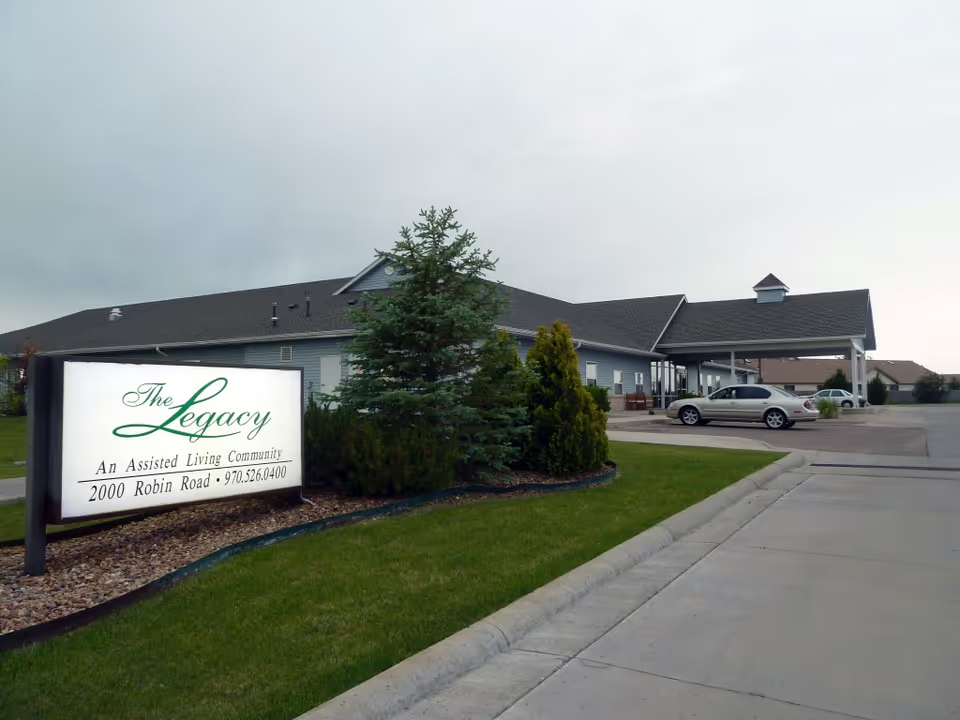
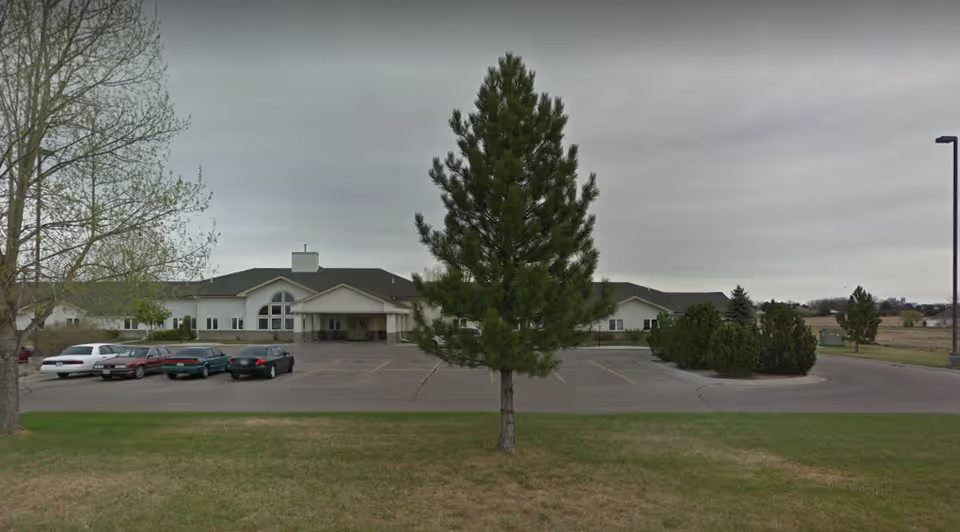
The reviews present a mixed but predominantly concerning picture of day-to-day operations. A few comments highlight welcoming front-line staff, but the dominant themes point to systemic operational weaknesses that could affect resident safety, comfort, and family trust. These issues span staffing, clinical practices, security, facility upkeep, and management communication.
Care quality appears inconsistent. Reviewers describe frequent delays in attending to residents and long waits during urgent situations, suggesting gaps in response protocols and staffing levels. Medication management is a notable area of concern: reviewers described medications being administered in ways that raised questions about consent and timeliness, and others described missed or late doses. These items indicate weaknesses in clinical oversight, medication administration procedures, and documentation practices that should be audited and strengthened.
Staffing and staff conduct are recurring themes. Comments indicate chronic understaffing, single-person overnight coverage, and staff distraction during shifts (for example, phone use) that contribute to delayed care and missed tasks. While some staff are described as welcoming, reviewers also flagged inconsistent supervision, reports of poor tone or interpersonal conflicts among staff, and uneven training. These patterns point to the need for clearer supervision, improved staff-to-resident ratios, and focused training on emergency response and resident engagement.
Dining and daily services were characterized as inconsistent. Several reviewers described low-quality meals and unreliable dining service. Activities were not emphasized in the feedback; the lack of positive commentary about programming suggests limited or minimally effective activity offerings. The facility’s pet policy was described as unfriendly, which may be relevant for prospective residents who value pet companionship.
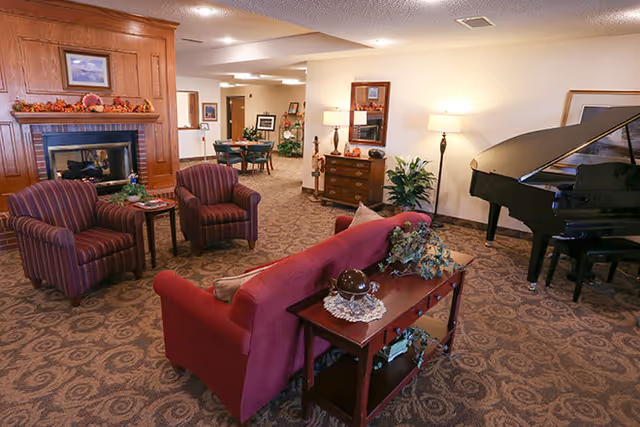
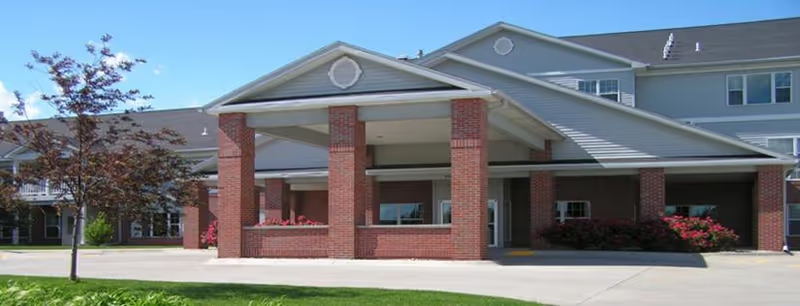
Facility condition and security raise practical concerns. The building and common areas were described as run down, and reviewers raised cleanliness and maintenance issues. More seriously, reviewers described lapses in security such as unsecured doors, unauthorized access to private areas, and instances that implicate missing personal items. There are also allegations of theft and of resident transfers to external shelters without family consent; these are serious matters that warrant prompt investigation and, if substantiated, corrective action and reporting to appropriate authorities.
Management and family communication emerged as a key weakness. Reviewers described poor communication with families, unclear informed-consent practices, and a perception of inadequate managerial responsiveness to incidents and complaints. Taken together with the operational issues above, these management weaknesses undermine confidence in the facility’s ability to coordinate care, protect possessions, and involve families in care decisions.
In summary, prospective residents and families should weigh the presence of welcoming staff against significant operational concerns: understaffing, inconsistent clinical and medication practices, security and property-safeguarding gaps, maintenance and dining shortfalls, and weak management communication. If considering this facility, families should seek detailed documentation of staffing ratios and emergency-response protocols, inquire about medication administration policies and consent procedures, ask for recent inspection or incident reports, and request references from current families. These steps can help determine whether corrective measures are in place and whether the facility’s current operations meet the prospective resident’s care and safety needs.