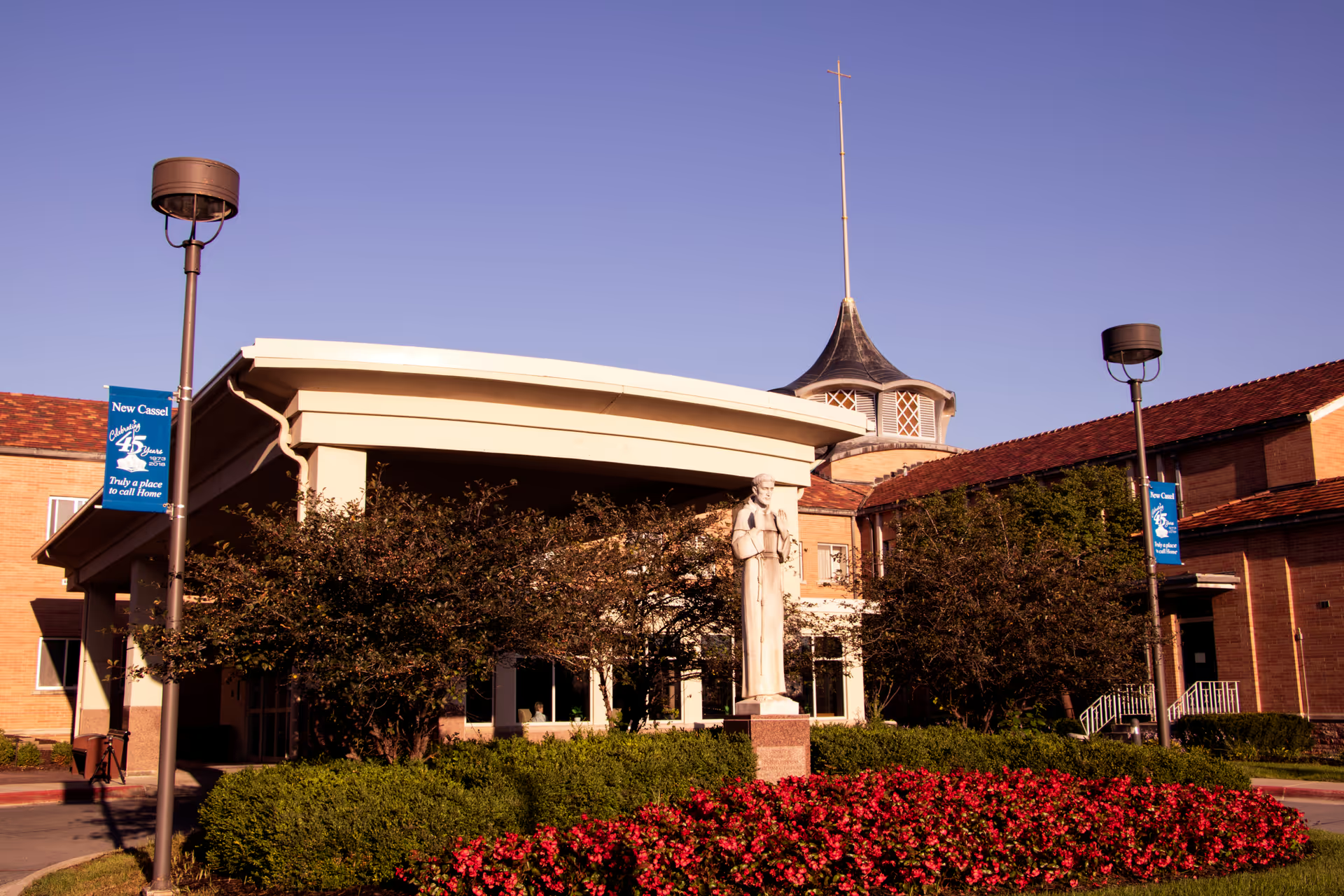
The reviews present a mixed but distinct pattern: many families praise the people, programming and physical environment, while a subset describe operational and safety weaknesses that have led to serious concerns. Strengths most frequently cited include a warm, family-like culture among caregivers, a broad and active calendar of engagement opportunities, accessible and well-maintained common areas, and a generally positive dining experience with Southern-style choices and plentiful desserts. Several reviewers singled out individual staff and leaders for exemplary compassion and responsiveness, and the facility offers memory-support, adult day services, respite stays, and on-site amenities such as a movie theater and store.
Care quality and staffing emerge as a divided area. On the positive side, caregivers are often described as attentive, kind, and proactive; families report helpful transition support and ongoing outreach in some cases. However, multiple reviews point to operational gaps: inconsistent staffing levels and turnover, delays in clinical response, and breakdowns in coordination with outside providers. These gaps are linked to safety-related events such as falls, wandering incidents, and delays replacing mobility equipment or managing medical supplies. One review references a substantiated Adult Protective Services investigation, and related comments indicate concerns about how some incidents were handled and communicated to families.
Dining and activities are clear strengths for many residents. The activity program is broad and varied — live music, Sittercise, crafts, bingo, movies, outings, and opportunities for socialization are repeatedly mentioned as positive contributors to residents' quality of life. Meal service is described as generous and varied, with regular vegetables and Southern options; however, a number of comments note inconsistency in meal quality and occasional dishes that did not meet expectations.
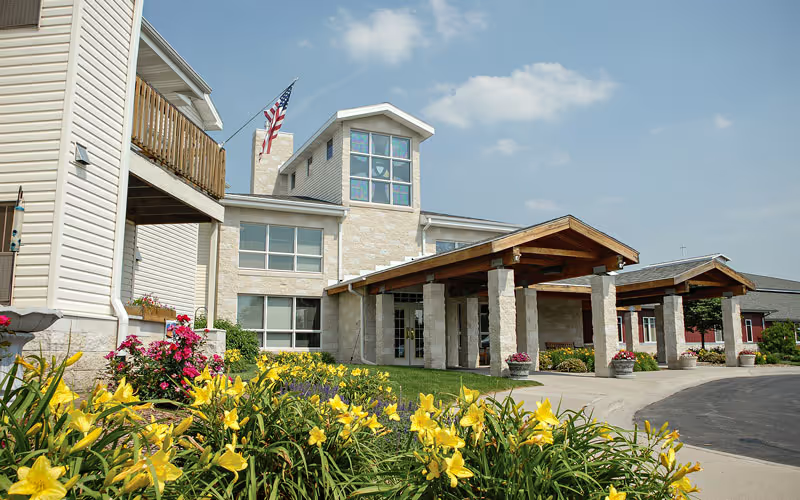
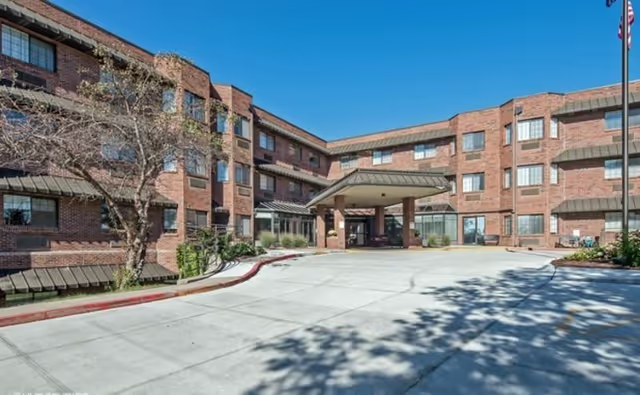
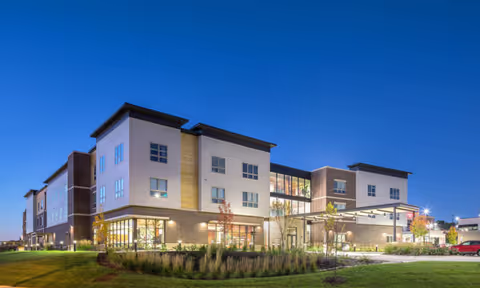
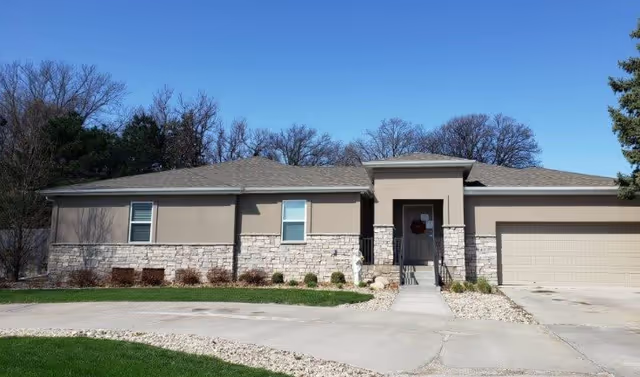
Facility condition and maintenance present a mixed picture. The property is often described as clean, pleasant, and wheelchair-accessible, with helpful features like under-sink access in bathrooms. At the same time, there are repeated accounts of delayed or unclear maintenance responses — most notably ongoing air-conditioning failures and slow repair communication — which affect resident comfort and raise operational concerns.
Management and communication show both strengths and weaknesses. Several reviewers praise specific administrators and nurses for being likable, proactive, and communicative. Conversely, other families describe inconsistent messages from leadership, perceived contradictions about staffing, inadequate discharge planning, and unclear billing practices including unexpected extra charges. These communication and accountability gaps amplify family stress when clinical or safety issues arise.
Notable patterns for prospective families: the community can provide a warm, activity-rich environment with many compassionate staff members, but there are documented operational weaknesses around maintenance, dementia-unit supervision, staffing reliability, incident response, and billing transparency. Given the polarized experiences, families making placement decisions should ask direct questions about current staffing ratios, supervision protocols in memory care, incident reporting and investigation processes, recent regulatory or APS findings, maintenance response timelines, and full cost/billing disclosures.