Hillcrest Shadow Lake elicits strongly mixed impressions. Many comments describe dedicated, compassionate caregivers, engaged activity staff, helpful housekeeping, and substantial facility amenities such as a theater, large activity rooms, courtyard/walking paths, and educational partnerships. At the same time, a substantial portion of feedback identifies operational weaknesses that families should weigh when considering placement.
Care quality is uneven. Positive accounts emphasize attentive nursing and successful hospice transitions. Conversely, concerns center on sanitation and personal-care routines: reviewers describe inconsistent bathing and oral-care schedules, problems with linen management, and responsive incontinence care. Several accounts raise questions about medication administration and clinical follow-through, including delayed diagnostics or treatment after falls. These items point to variability in day-to-day clinical oversight and care continuity.
Staffing and staff conduct are a mixed picture. Numerous reviewers praise individual aides, nurses, and recreation staff as caring and competent. However, others describe staffing shortages, heavy reliance on outside agency staff, and times when staff availability or responsiveness appeared limited. Comments also highlight variability in staff professionalism and training—particularly in dementia care and geriatric-specific skills—and concerns about staff engagement during shifts.
Dining and activities vary by unit. Some families commend the recreation program and the breadth of activity spaces; others say activity offerings are minimal or not age-appropriate in memory-care neighborhoods. Dining feedback ranges from satisfactory to inconsistent, with some notes about poor food quality or service issues. Families who value robust programming and frequent, meaningful activities should confirm current schedules and memory-care programming specifics.
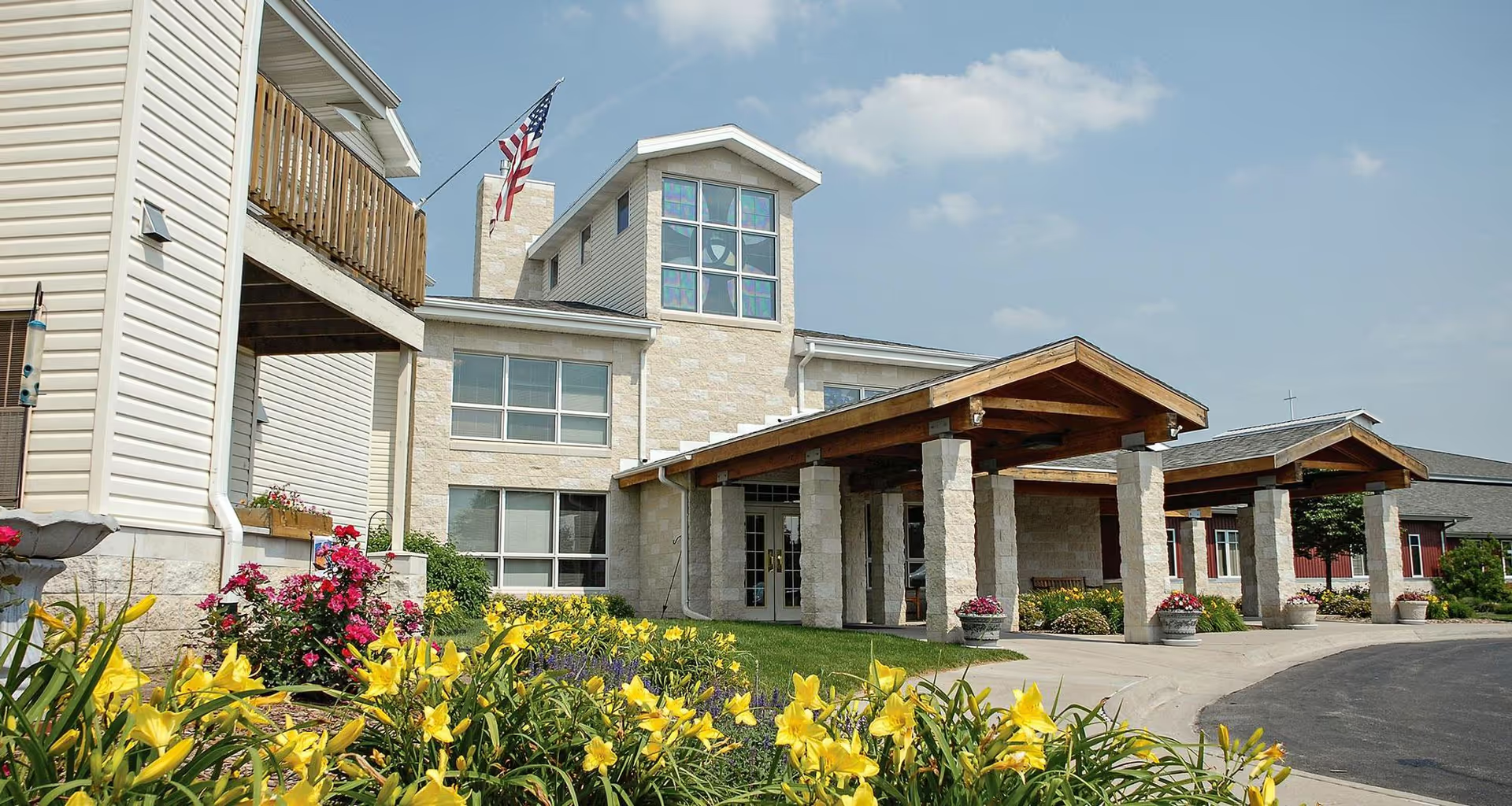
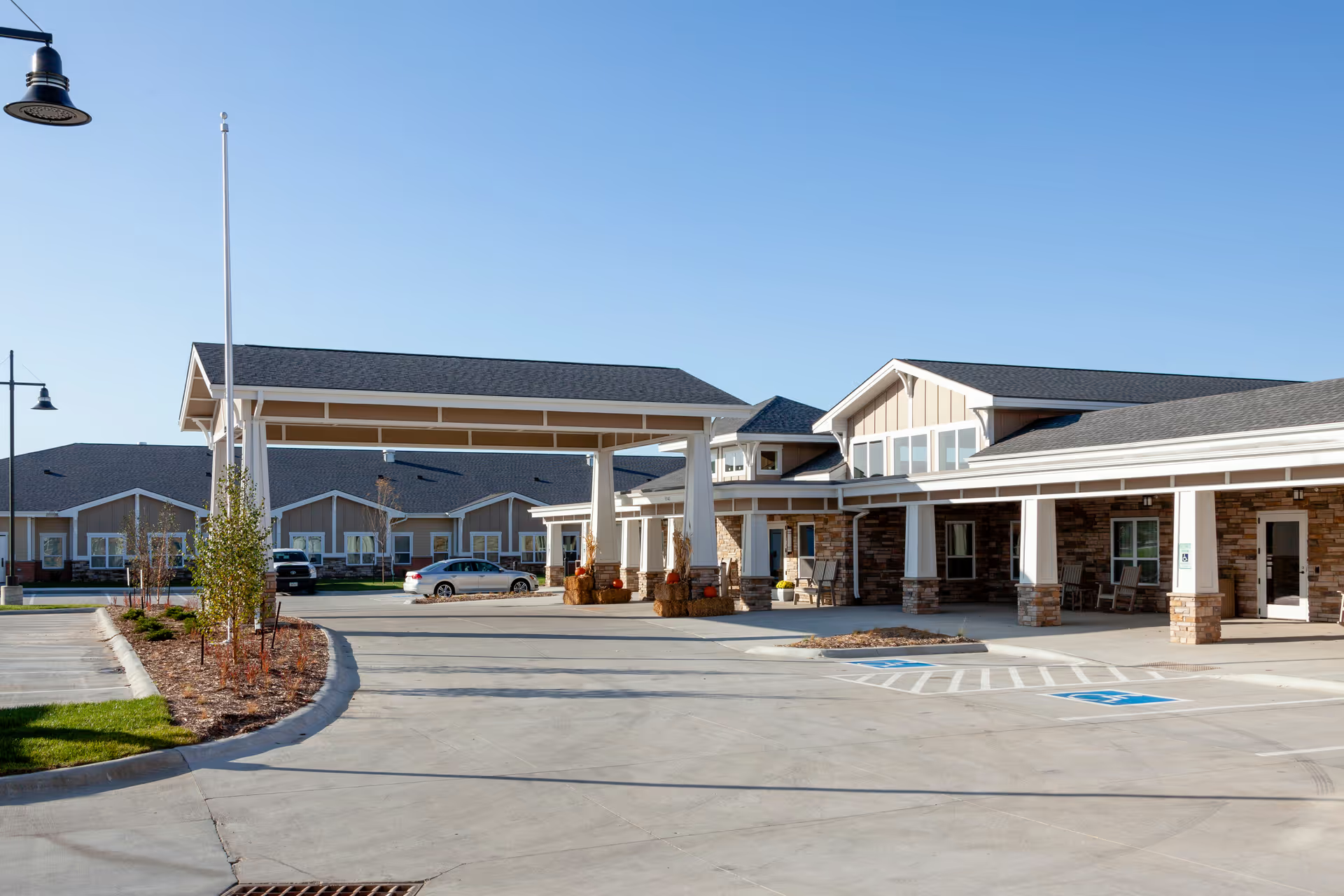
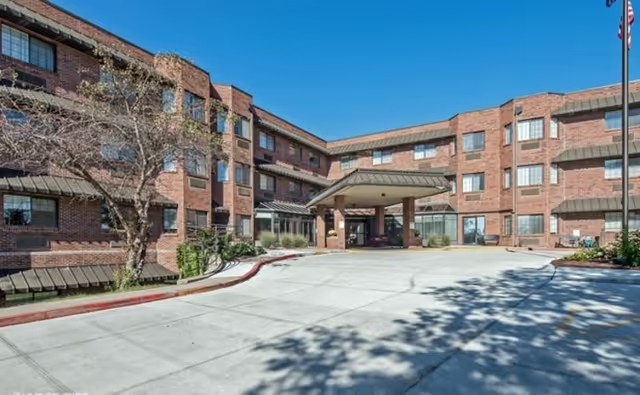
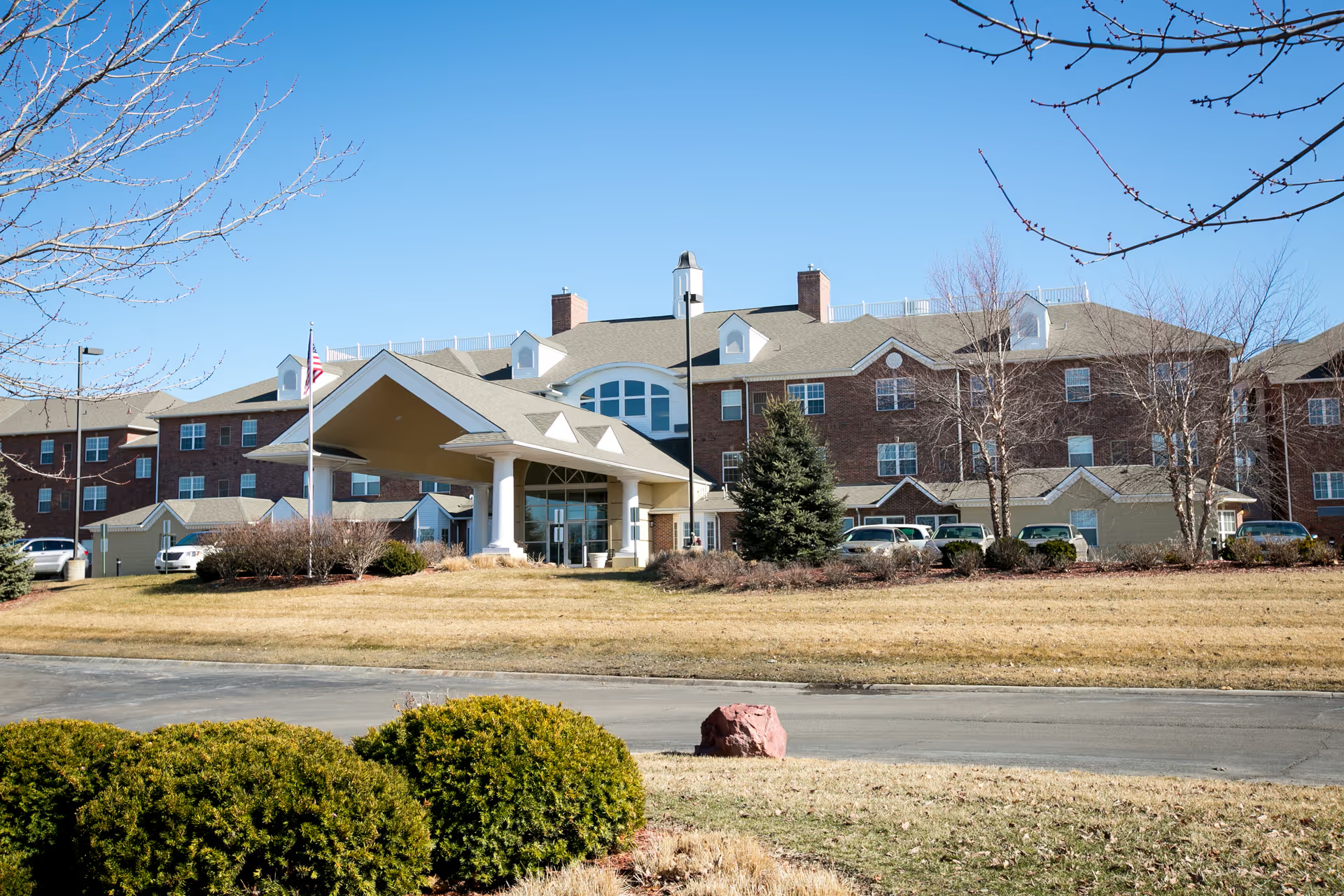
Facilities are described as large and well-equipped, with positive notes about cleanliness and maintenance in some areas. At the same time, recurring mentions of odor concerns in particular units and inconsistent housekeeping attention suggest uneven sanitation practices across the campus. Asset highlights include accessible outdoor spaces, theater and multipurpose rooms, and a generally pleasant physical environment where present.
Management and communication present a clear pattern of divergence. Several respondents commend an attentive, improving administration that engages with families. Others report difficulty reaching leadership, unresolved grievances, limited transparency about care, and restrictive visitation practices during infection-control events. These contrasting experiences indicate variation in management responsiveness and follow-through rather than a uniform approach.
Notable patterns: the reviews exhibit polarization—some families describe a supportive, well-run setting while others describe operational lapses that affect hygiene, medication oversight, staffing adequacy, and communication. Prospective residents and families should request current staffing ratios, recent inspection or quality reports, written sanitation and personal-care schedules, examples of memory-care activity programming, and the facility’s grievance and family-communication protocols. Touring relevant neighborhoods in person, speaking with unit staff, and reviewing care plans and medication-management procedures can help clarify whether the facility’s strengths meet an individual resident’s needs.