Overall assessment Monument Rehabilitation and Care Center is characterized by a clear strength in hands-on caregiving and rehabilitation services alongside notable variability in operational consistency. Many accounts highlight compassionate staff, individual caregivers who stand out for their attentiveness, and successful short-term rehab outcomes that support recovery. At the same time, reviews reflect divergent experiences: while some families and clinical staff describe a warm, family-like atmosphere, others note professionalism and responsiveness gaps that affect perceived care quality.
Care quality and clinical services Clinical and rehabilitative care is frequently praised for producing positive patient outcomes and for delivering individualized attention during recovery stays. Several reviewers described attentive bedside care and informative communication about progress. However, the overall care experience appears inconsistent: there are accounts of indifference and unprofessional remarks by some staff members, which suggests variability in conduct and possibly uneven adherence to care standards across shifts or teams.
Staffing and management Staff are commonly described as compassionate and communicative, with specific caregivers receiving strong positive recognition. Informative updates to families and a welcoming tone are recurring positives. Conversely, staffing shortages and a sense of rushed care are recurring operational concerns; these are linked to remarks about non-competitive benefits and potential retention pressures. Management activity is visible in ongoing remodeling and improvement projects, signaling investment in the site, but organizational challenges around staffing and first-contact experiences remain areas to monitor.
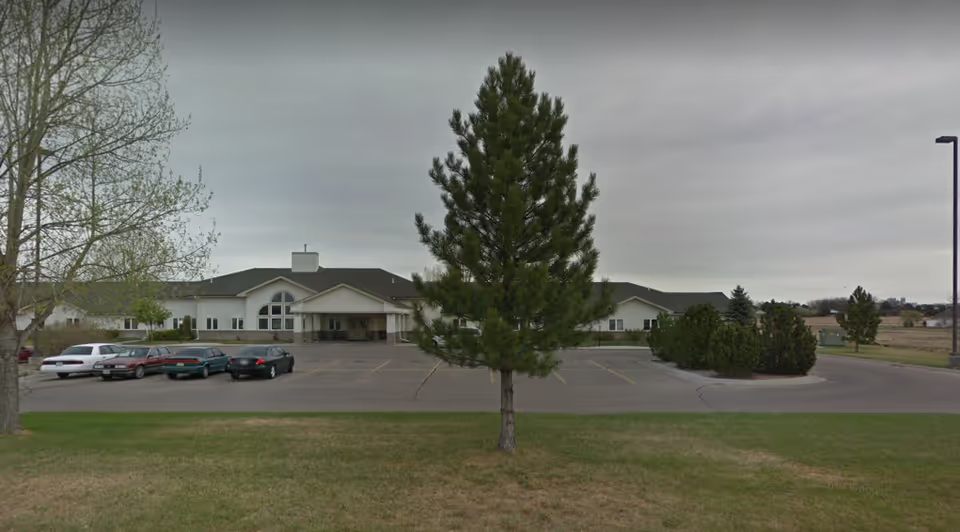
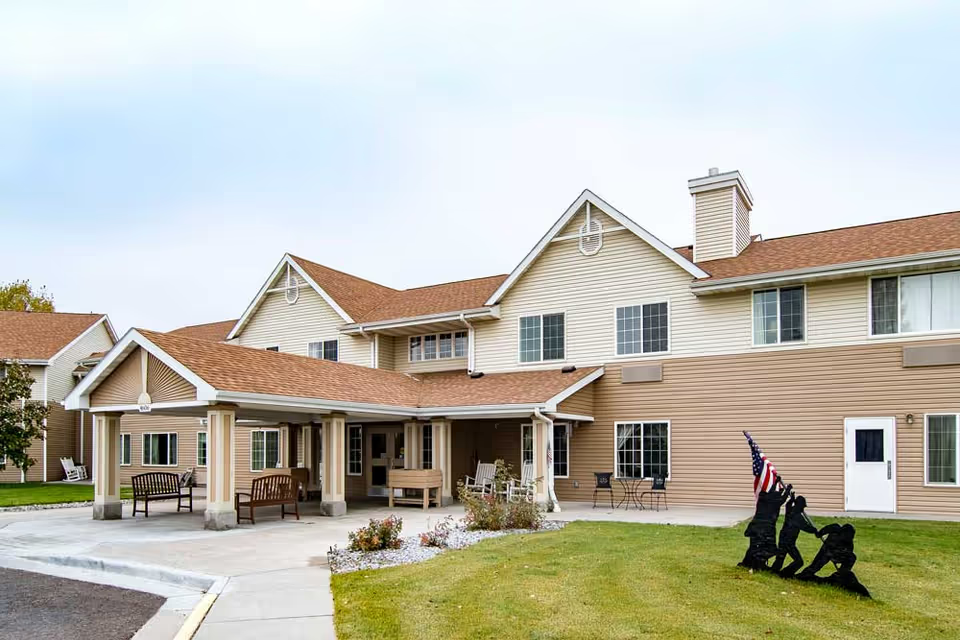
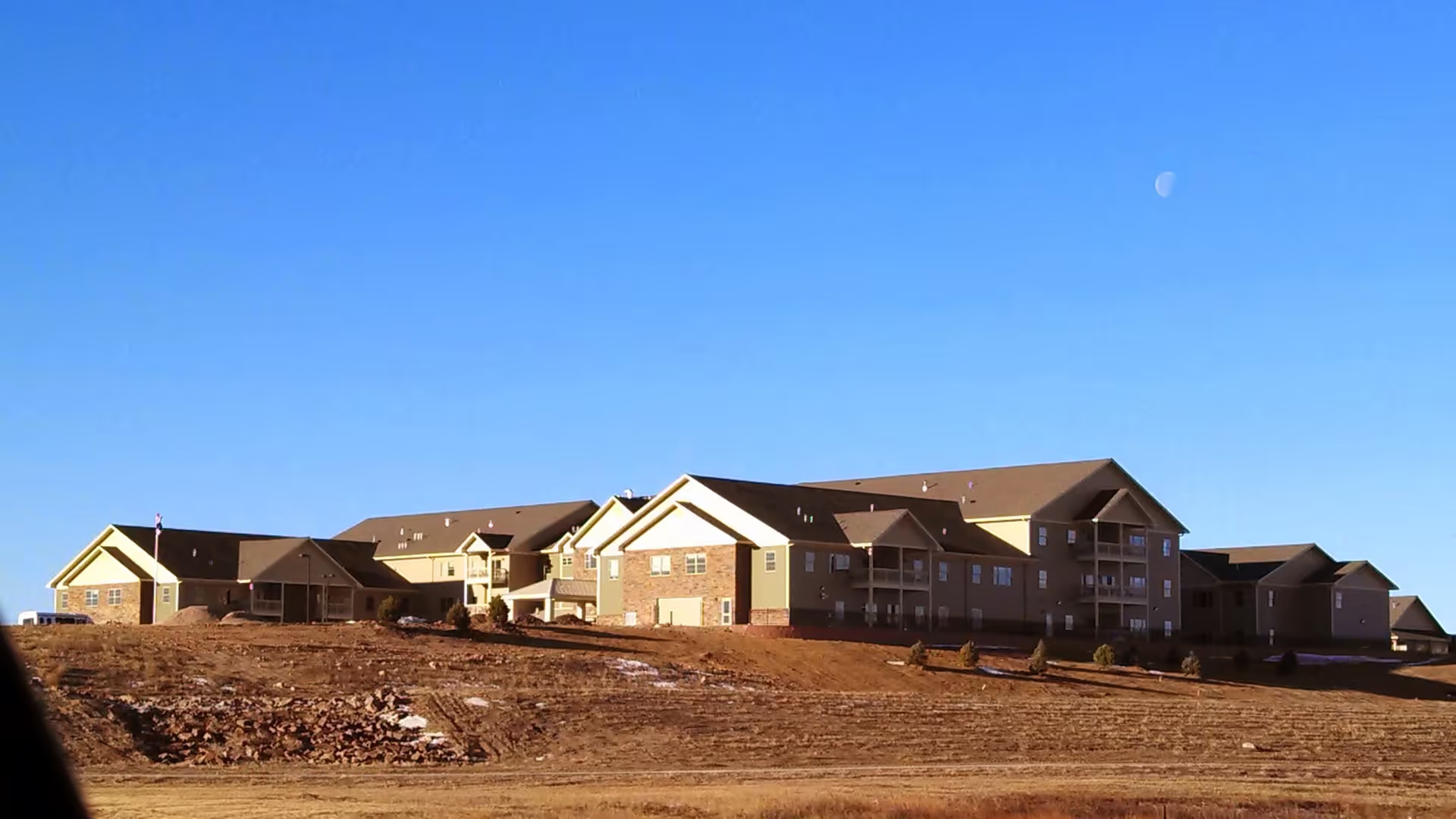
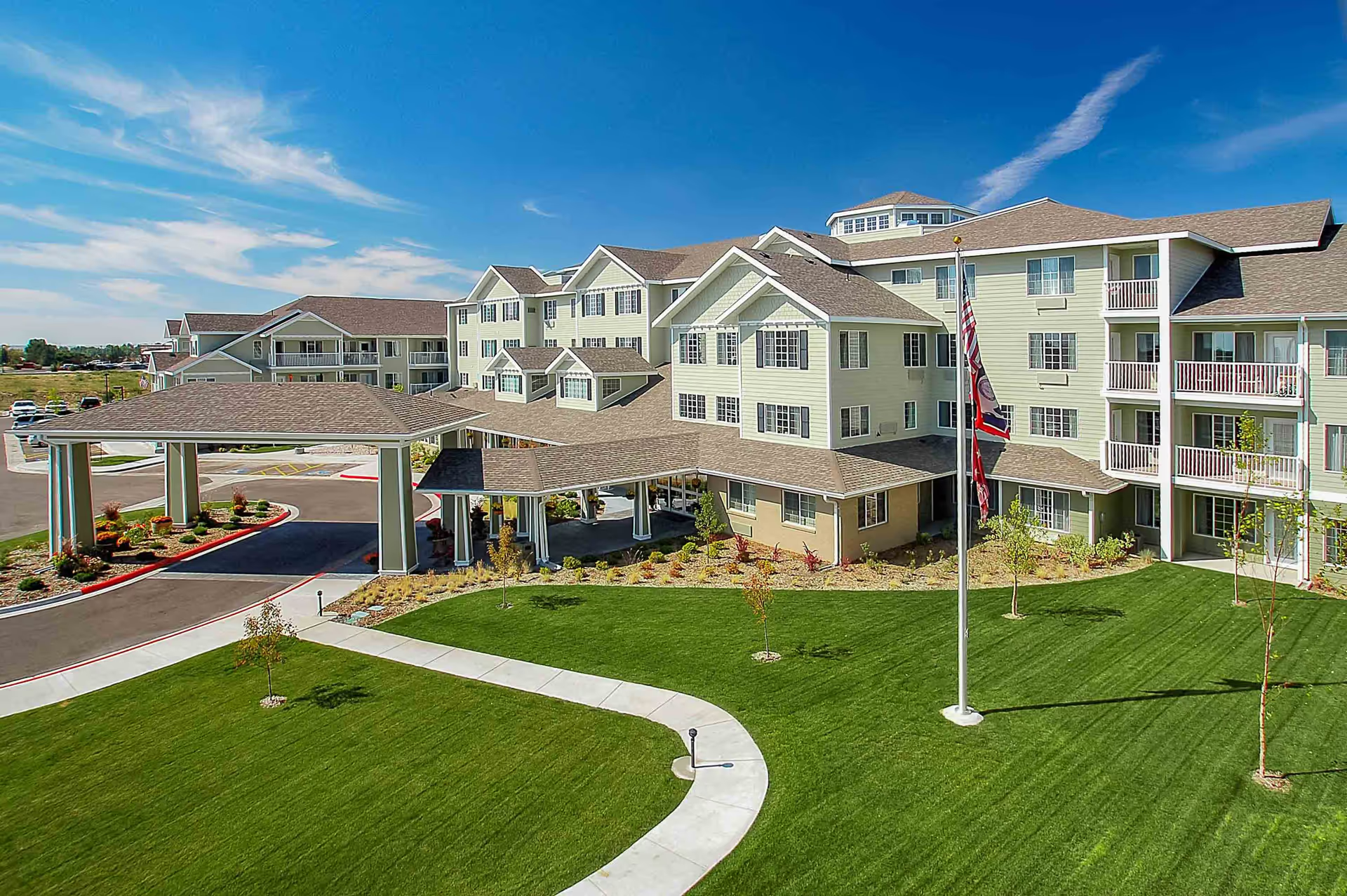
Facilities, safety, and environment Reports indicate active renovation efforts that some reviewers appreciated, contributing to a homelike feel for residents. Simultaneously, there are significant facility-condition concerns raised by reviewers, including comments that the building may require major reconstruction to fully address safety and structural issues. Prospective residents and families should verify the current state of completed renovations and inspect specific units and common areas during a visit.
Dining, activities, and daily life Direct commentary on dining quality and the activity schedule is limited in the available summaries. Positive notes about resident interaction, storytelling, and camaraderie suggest an engaging social environment for some residents. For a complete picture, visitors should ask for sample menus, therapeutic-activity schedules, and examples of social programming during a tour.
Notable patterns and recommendations for families The dominant positive theme is the presence of caring, committed caregivers and effective rehab services; the dominant concerns are operational — staffing variability, compensation/retention pressures, and building-condition issues. Because experiences appear uneven, prospective families should schedule an in-person tour, request recent staffing ratios and turnover data, review the facility’s maintenance/renovation plan, and ask for examples of rehabilitation outcomes and family communication processes. Checking state inspection reports and speaking directly with current families can help corroborate the aspects most important to a given resident.