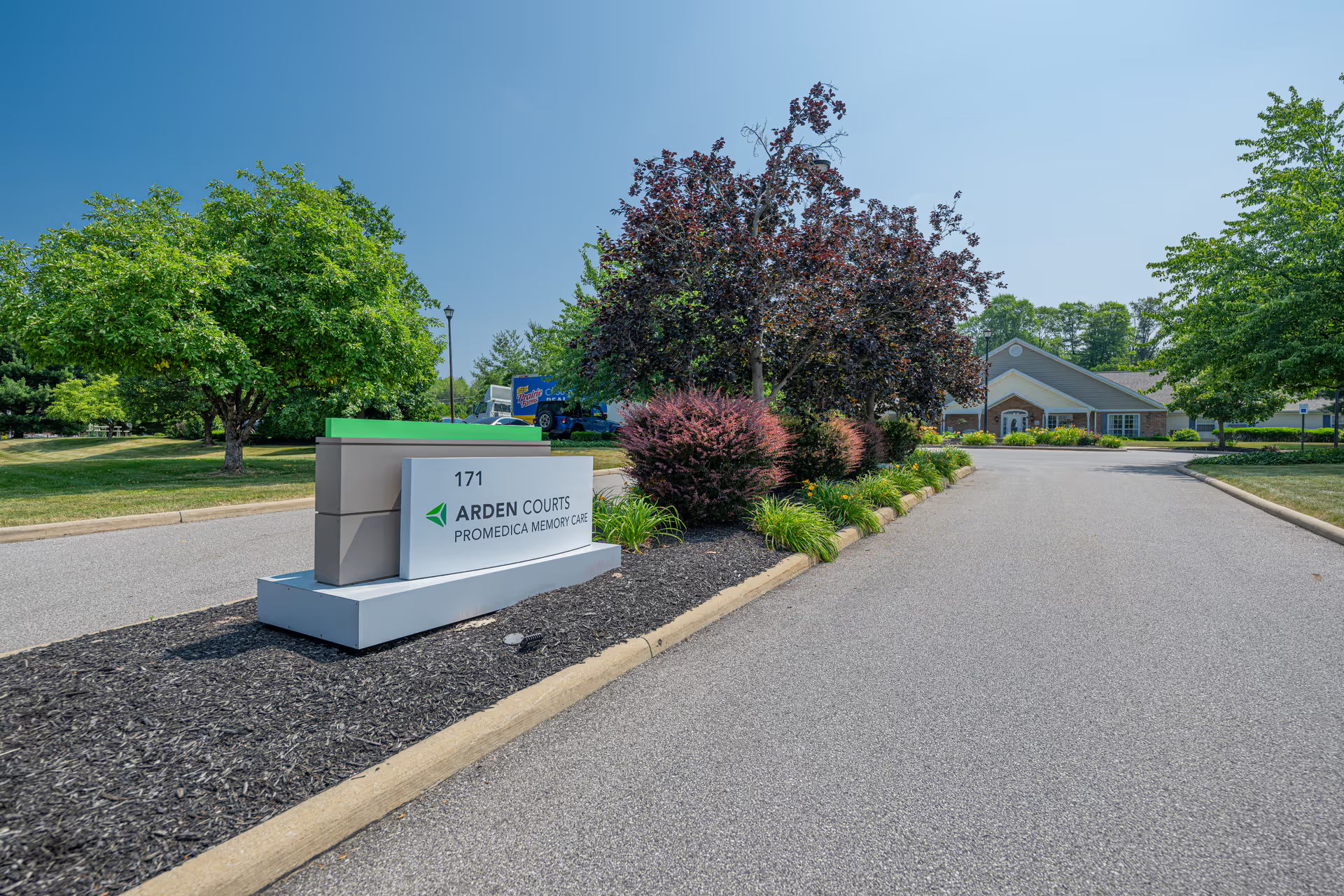
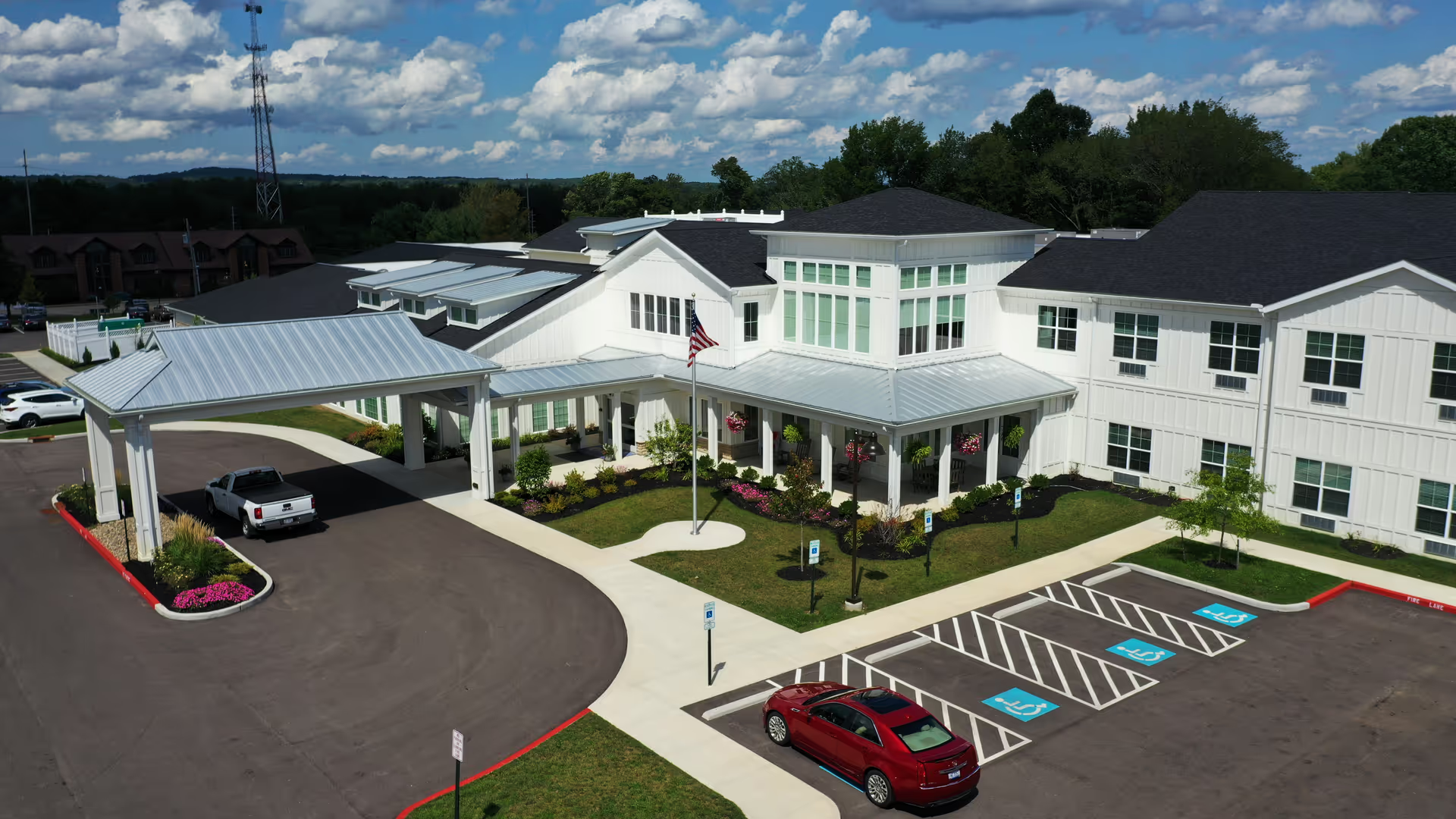
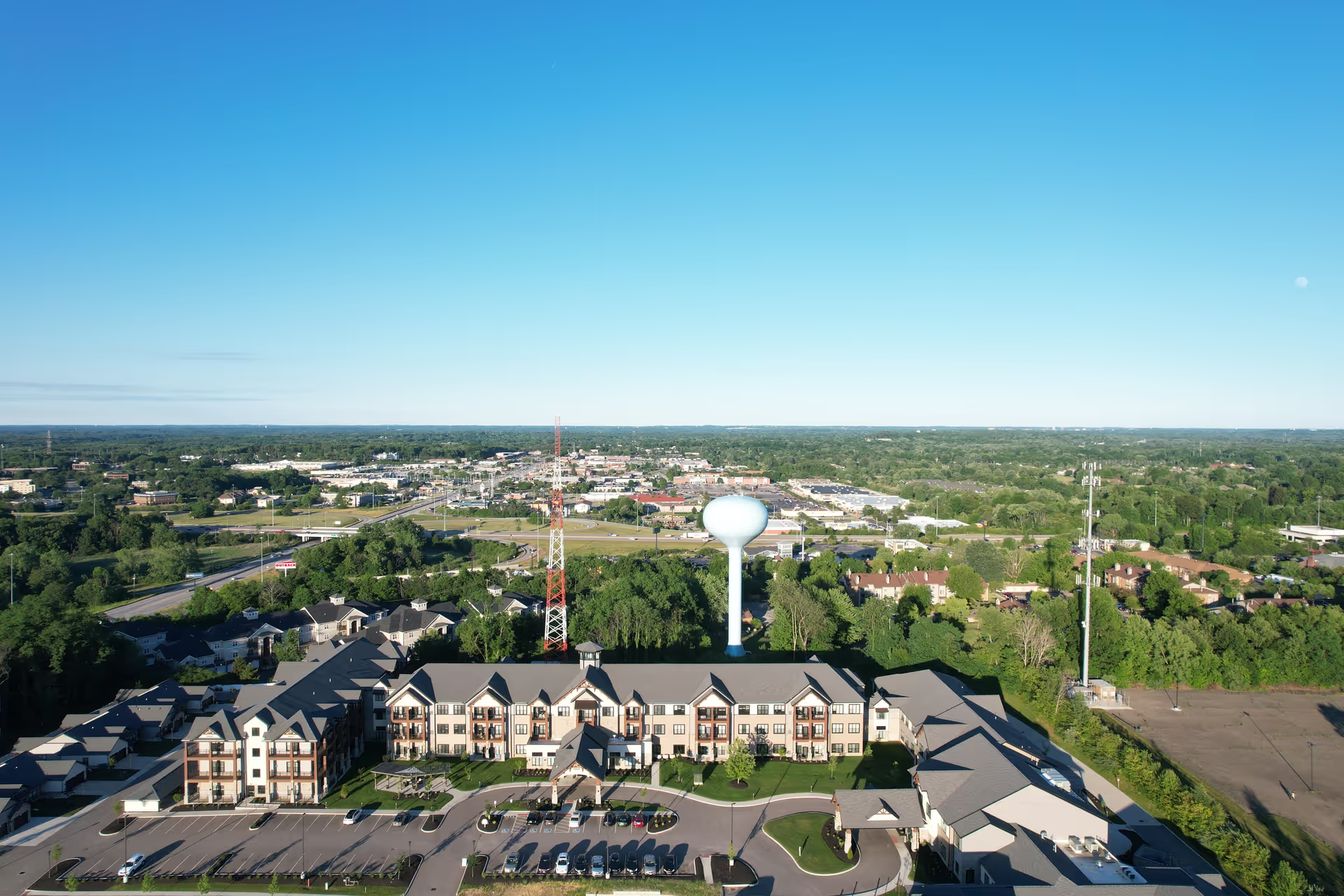
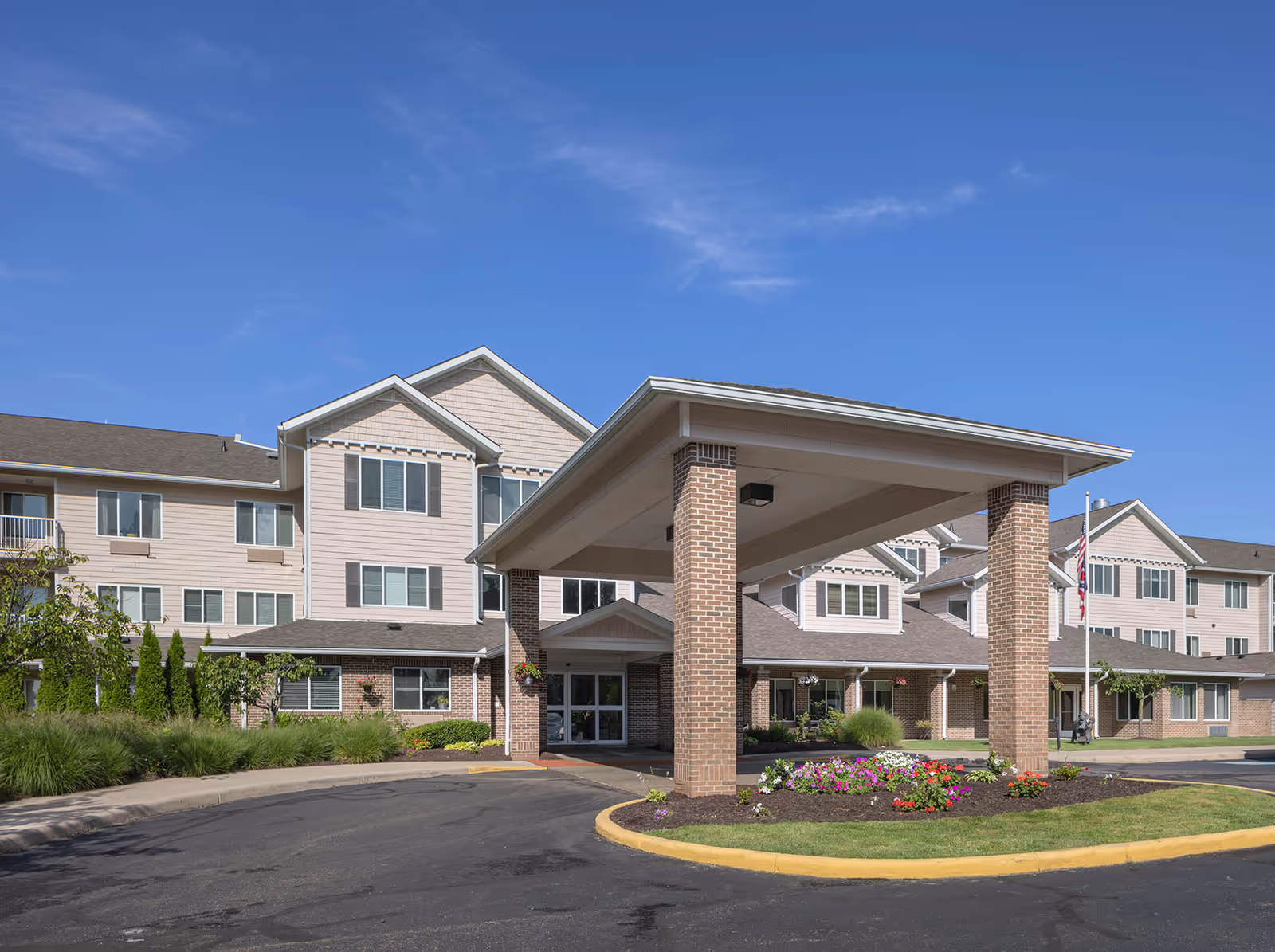
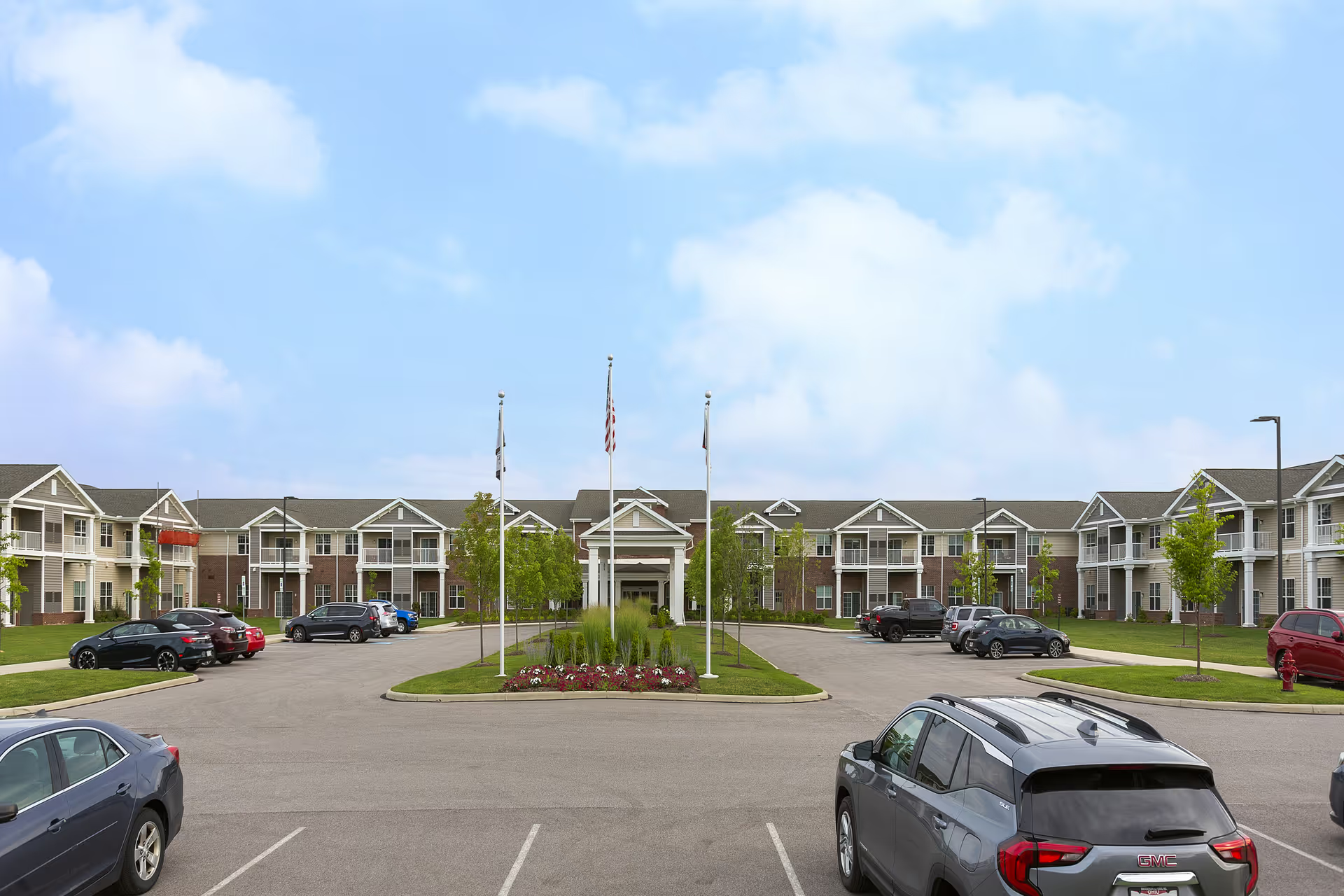
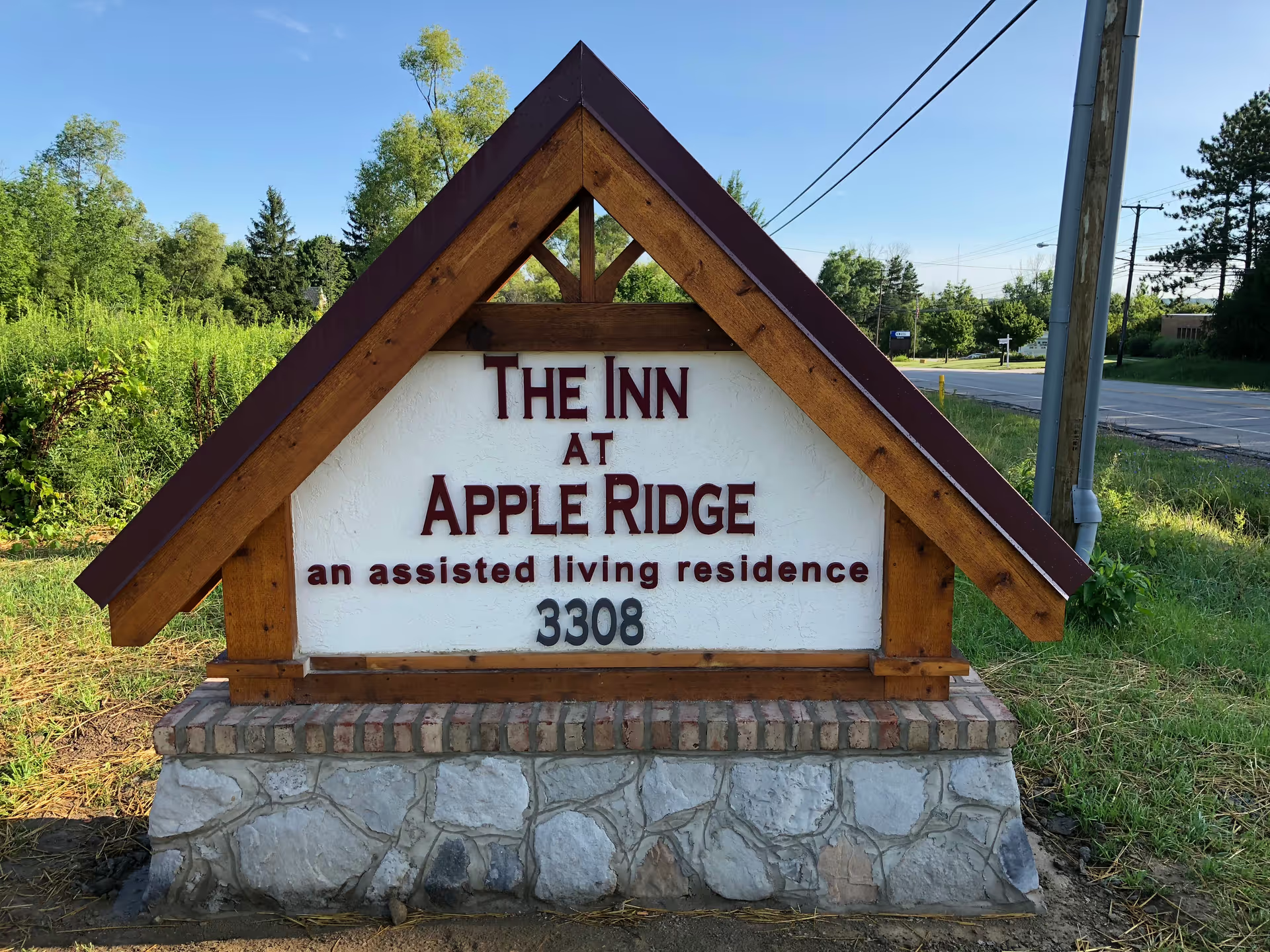
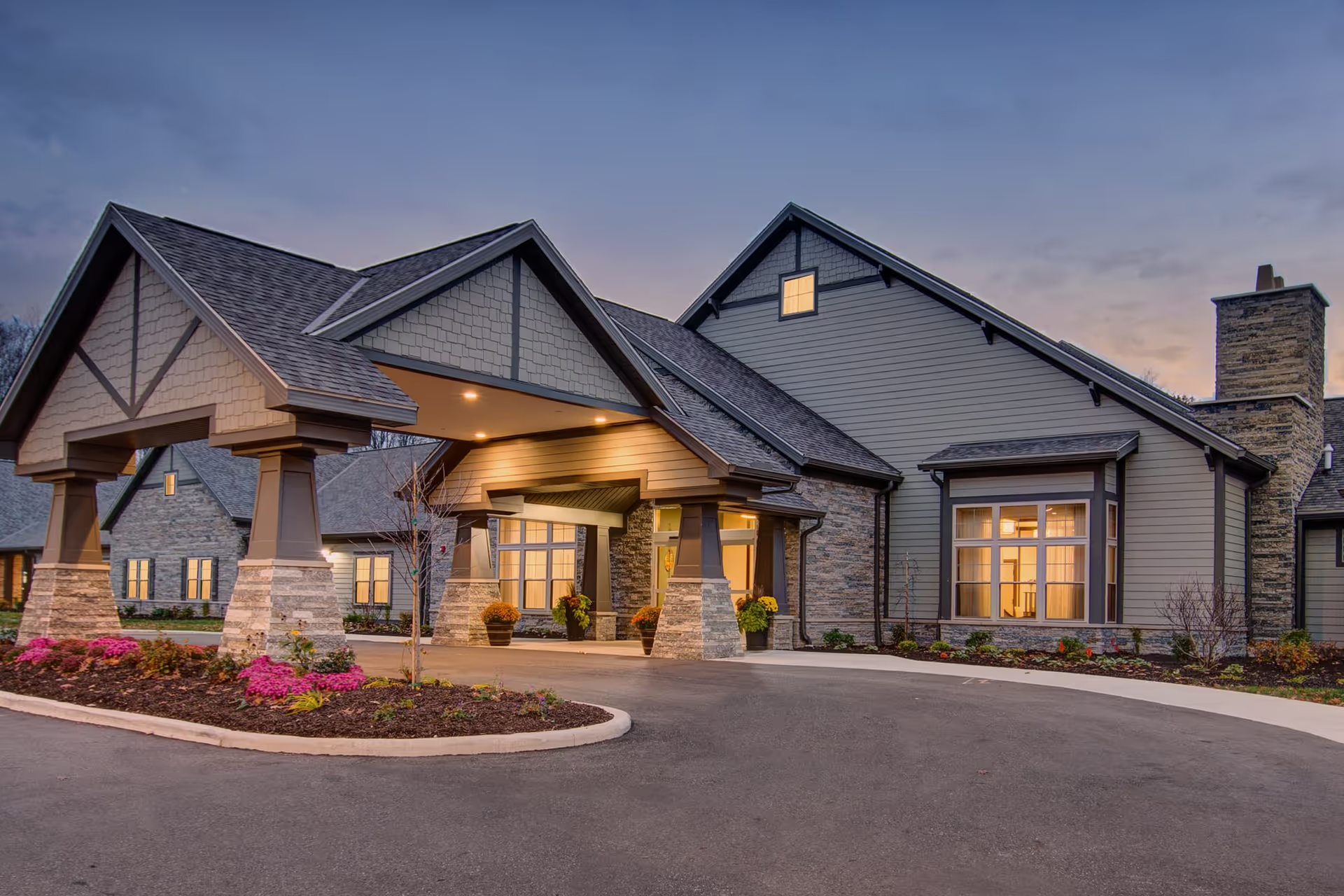
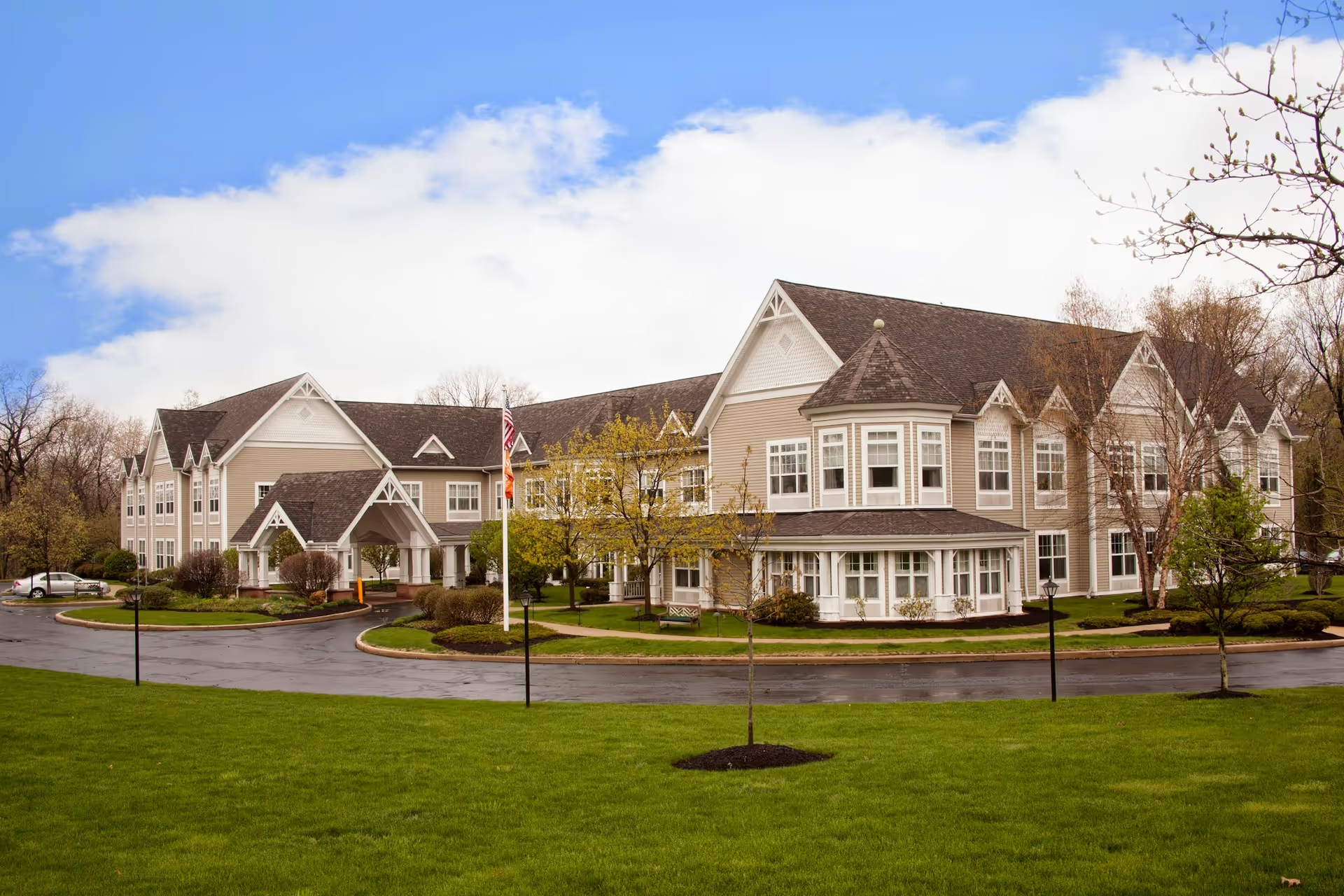
Brookdale Bath presents a mixed but clear profile: many families describe a warm, home-like community with notably friendly caregiving staff, engaged activities leadership, and visible clinical strengths such as attentive nursing and on-site physician involvement. The facility's smaller scale, multiple common areas, front porch and courtyard, pet-friendly policies, and regular social programming (outings, live music, birthday gestures, cocktail hours) contribute to an intimate, socially oriented environment that suits relatively independent seniors who want a neighborhood feel.
Clinical care and staffing demonstrate strengths and weaknesses. Several accounts praise nursing attentiveness, blood-sugar management, and quick hospital assessments; however, persistent understaffing and high staff turnover are recurring themes that create inconsistency in day-to-day care. This staffing instability is associated with longer wait times for assistance, uneven aide availability, and variability in how care tasks are performed. There are also serious operational concerns around medication management and documentation; isolated but significant allegations of unauthorized medication changes have been raised, and families should probe medication-administration controls during a tour. The facility appears less well suited for residents with high medical acuity or who are bedbound, and the memory-care environment and dementia-specific training have limitations in design and staffing that may not meet the needs of advanced cognitive impairment.
Dining and activities are areas of juxtaposition. The dining program offers diverse menus, accommodating staff, and social dining spaces with special events and live music; some residents and families describe nutritious, appealing meals. At the same time, reviewers note inconsistent meal-service continuity, kitchen turnover, delays in service, and variable nutritional emphasis. The activities calendar is robust, led by an engaged director who organizes outings and events, but actual resident participation and engagement can be inconsistent; some residents thrive, while others are not engaged by available programming.
Facility condition and operations vary by unit. Many common areas and rooms are described as clean, bright, and well-maintained, with private bathrooms and kitchenettes in several layouts; maintenance staff are often responsive. Conversely, others note irregular housekeeping, delayed linen changes, and laundry-processing issues (including bleach-related fabric damage and skin irritation). Building aesthetics and some resident rooms show the need for updating, and outdoor space is limited in places or impacted by proximity to a busy street.
Management and communication are uneven. Positive interactions with front-desk staff and certain leaders are frequently mentioned, and some families have had seamless respite stays and supportive move-ins. However, concerns about administrative transparency, billing practices, leadership visibility, and inconsistent family communication appear repeatedly. Families should request clear written policies on billing, fee increases, staffing ratios, medication consent procedures, and fall-prevention protocols.
Overall, Brookdale Bath may be a good fit for relatively independent seniors who will benefit from an engaged activities program, a small-community atmosphere, and visible nursing presence. Prospective residents with higher medical needs, advanced dementia, or who require reliable, 24/7 hands-on assistance should carefully evaluate staffing levels, medication controls, and the memory-care environment before committing. A targeted tour with questions about staffing ratios, dementia training, medication procedures, laundry handling, and billing transparency is recommended to determine alignment with specific care needs.