Brookdale Montrose presents as a large, well-established senior community with many strengths and a clearly active resident life. The facility receives consistent praise for its caregiving staff, many of whom are long-tenured and described as compassionate, respectful, and engaged. Families and residents highlight strong clinical components such as on-site nursing, therapy services, and meaningful episodes of medical identification and coordination. Move-in support, transition assistance, and an inviting front-desk experience are also commonly noted as smoothing the relocation process.
Dining and activities are standout features. Reviewers frequently describe a restaurant-style dining program with chef-prepared meals, varied menus, and multiple service options (dine-in, room service). An extensive activities schedule—exercise classes, arts, outings, live entertainment, and routine van transportation—contributes to an active social environment. Memory-care and early-stage cognitive programs are available within the same campus, and many families report positive engagement and improvements in residents’ social and physical activity levels.
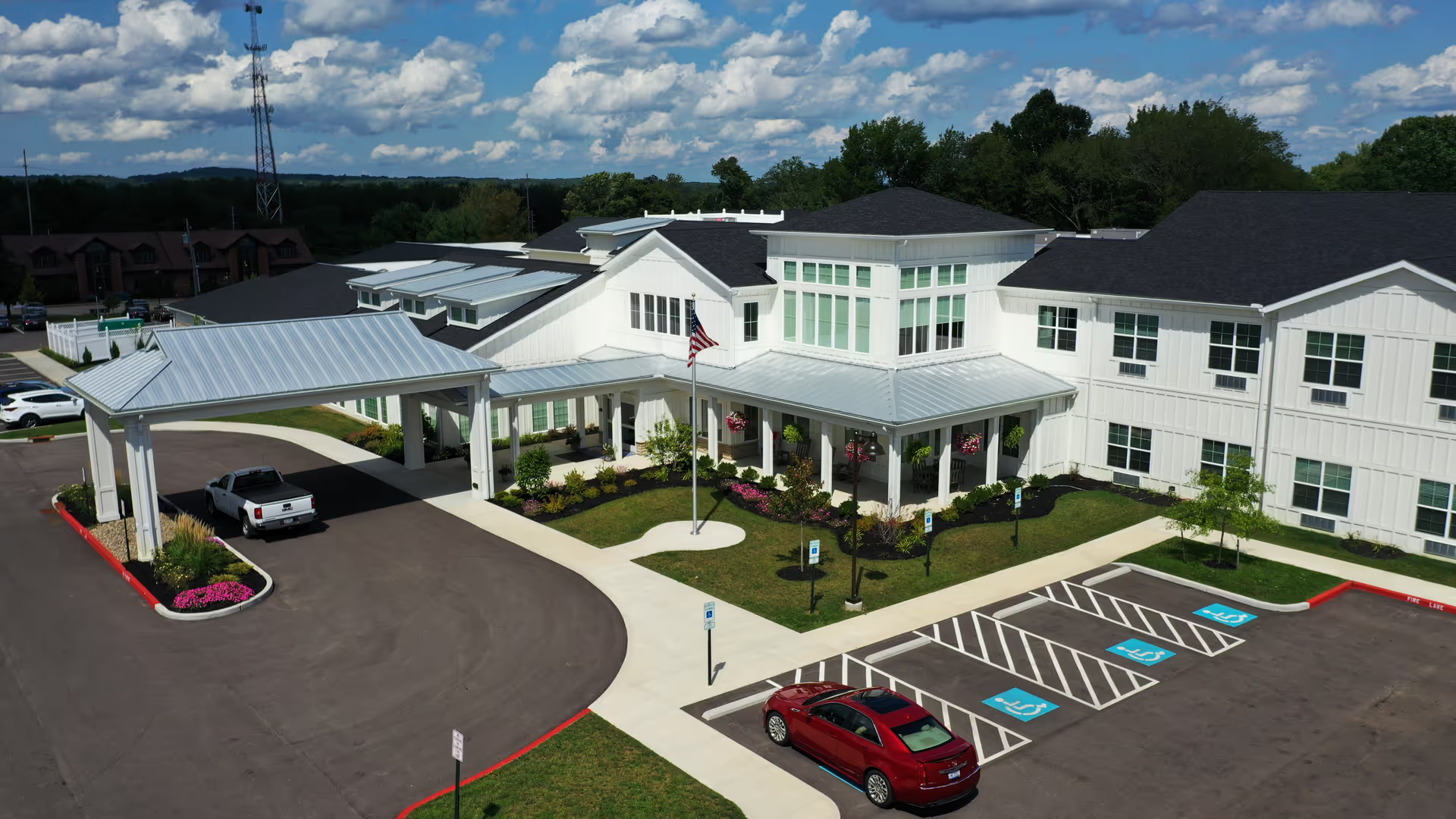
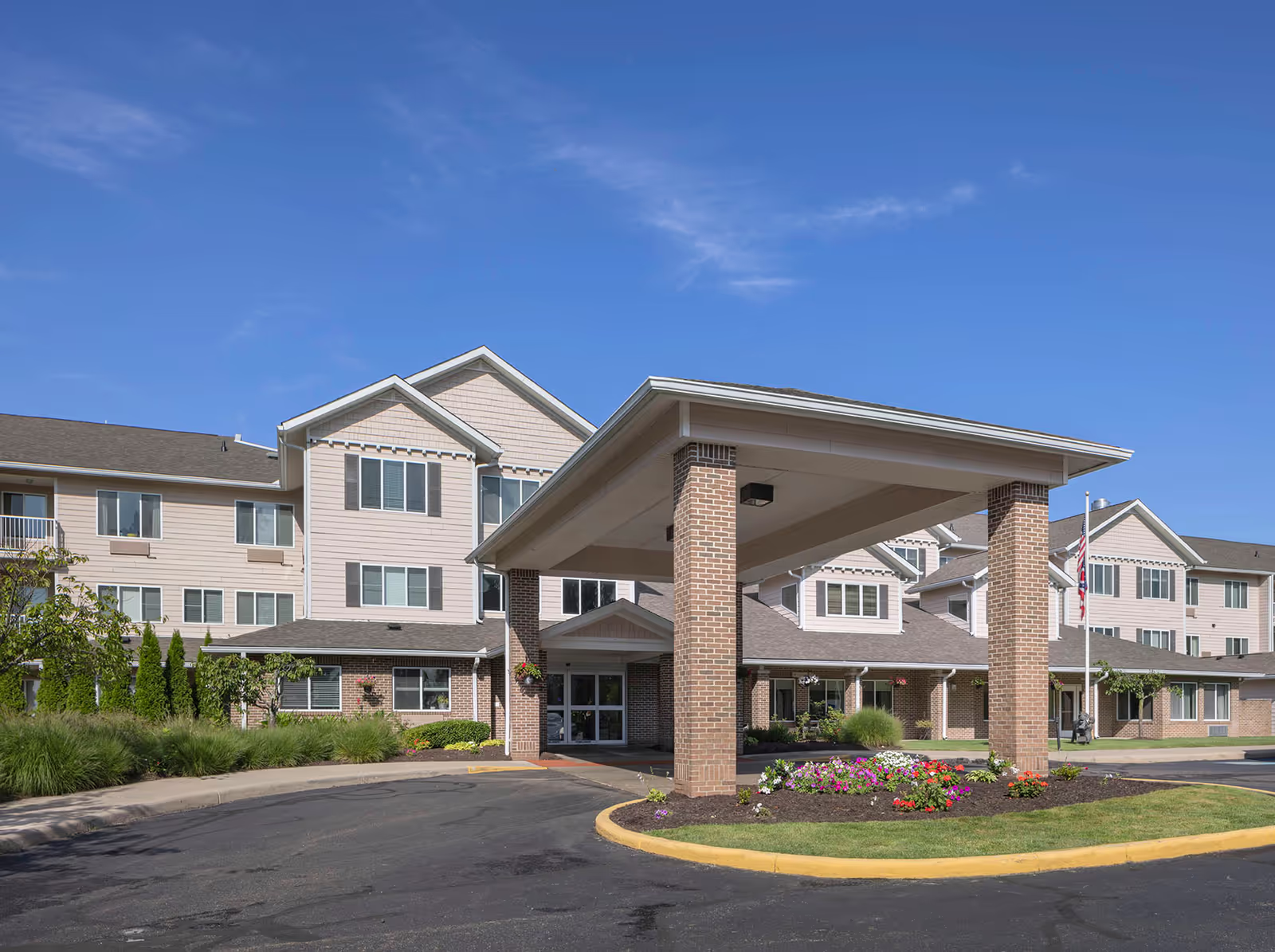
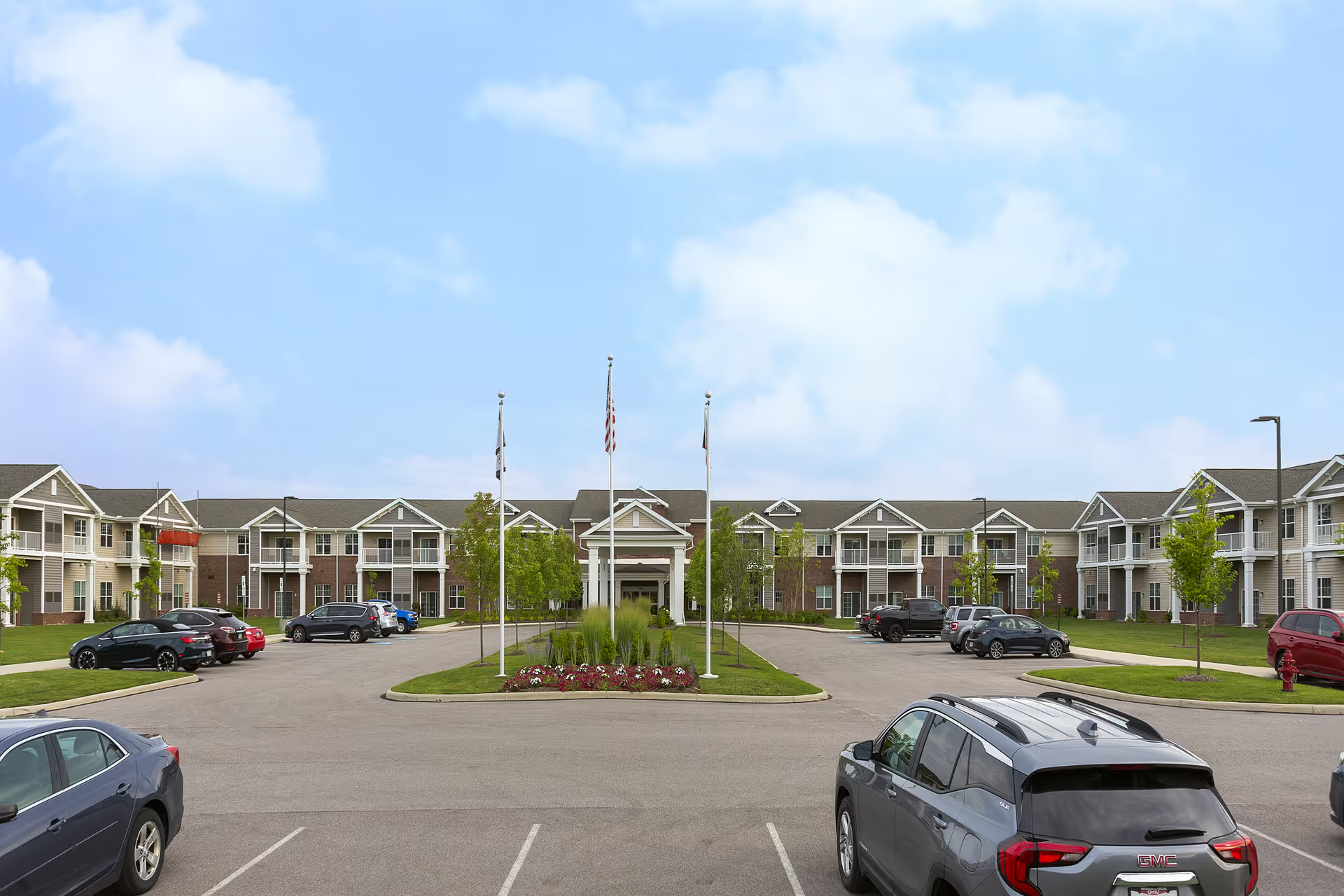
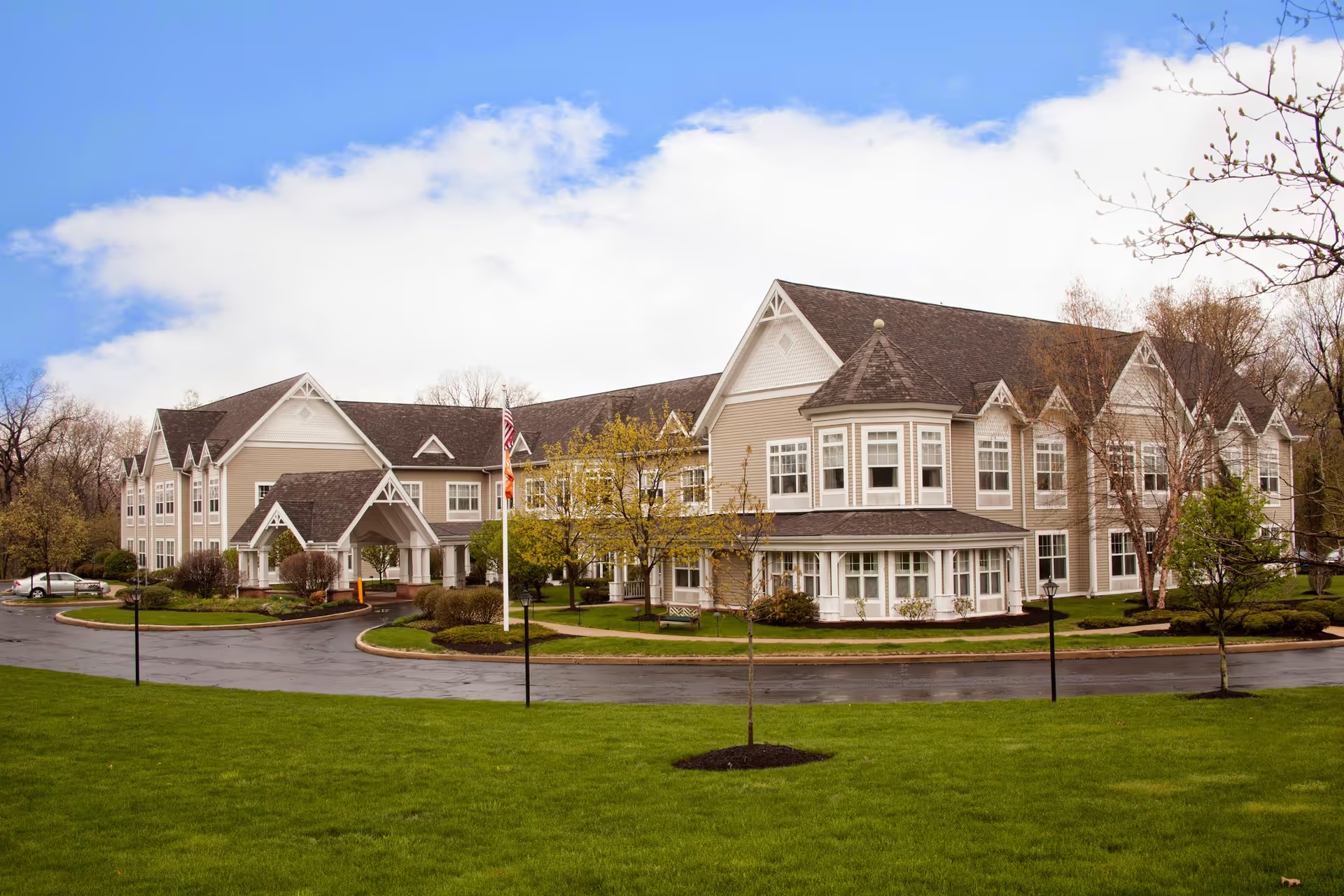
Facility condition and accommodations present a mixed picture. Apartments, including one- and two-bedroom units with kitchens, are often described as spacious and comfortable, with pleasant grounds and attractive outdoor areas. At the same time, the physical plant has aged in places: common areas and some finishes are dated, and reviewers point to accessibility limitations in certain units (narrow doorways, small bathrooms). Cleanliness and housekeeping are generally adequate in many accounts, but there are recurring comments about inconsistent housekeeping performance and occasional sanitation concerns that require management follow-up.
Operational and management patterns merit attention. While many families commend front-line staff for responsiveness and personal attention, a pattern of inconsistent staffing and scheduling emerges—particularly in assisted-living contexts and overnight coverage—leading to delays in assistance for higher-acuity residents. Relatedly, there are instances of inconsistent medication administration and coordination that have prompted family intervention and corrective action. Several reviewers describe shortcomings in management follow-through: broken promises from the sales process, billing or fee-communication issues, and varying responsiveness when significant concerns are raised.
Dining and special-diet needs are generally well regarded for quality and variety, but there are intermittent issues with meal continuity (power interruptions, timing) and with customization for specific dietary requirements such as diabetic menus. Families also note that meal-plan structure and charges can be confusing without upfront explanation.
Overall, Brookdale Montrose offers many of the features families seek—an active program of events and outings, chef-driven dining, multiple levels of care on one campus, and a warm, social atmosphere with many caring staff members. Prospective residents and families should balance those positives against recurring operational themes: verify housekeeping and accessibility needs for specific units, clarify meal-plan and billing details in writing, assess assisted-care staffing patterns relative to the prospective resident’s acuity, and seek direct examples of management responsiveness to past concerns. Visiting in person, speaking with current residents, and confirming written service agreements will help determine fit for individual needs.