Care quality and frontline staff: Overall comments indicate that direct care at the facility is a consistent strength. Nursing and therapy staff receive positive descriptions for attentiveness, clinical competence, and timeliness of medication administration. Many statements emphasize staff dedication, a family-like approach, and willingness to go beyond basic expectations; this suggests a supportive culture among caregivers and rehabilitation teams that can be beneficial for resident wellbeing.
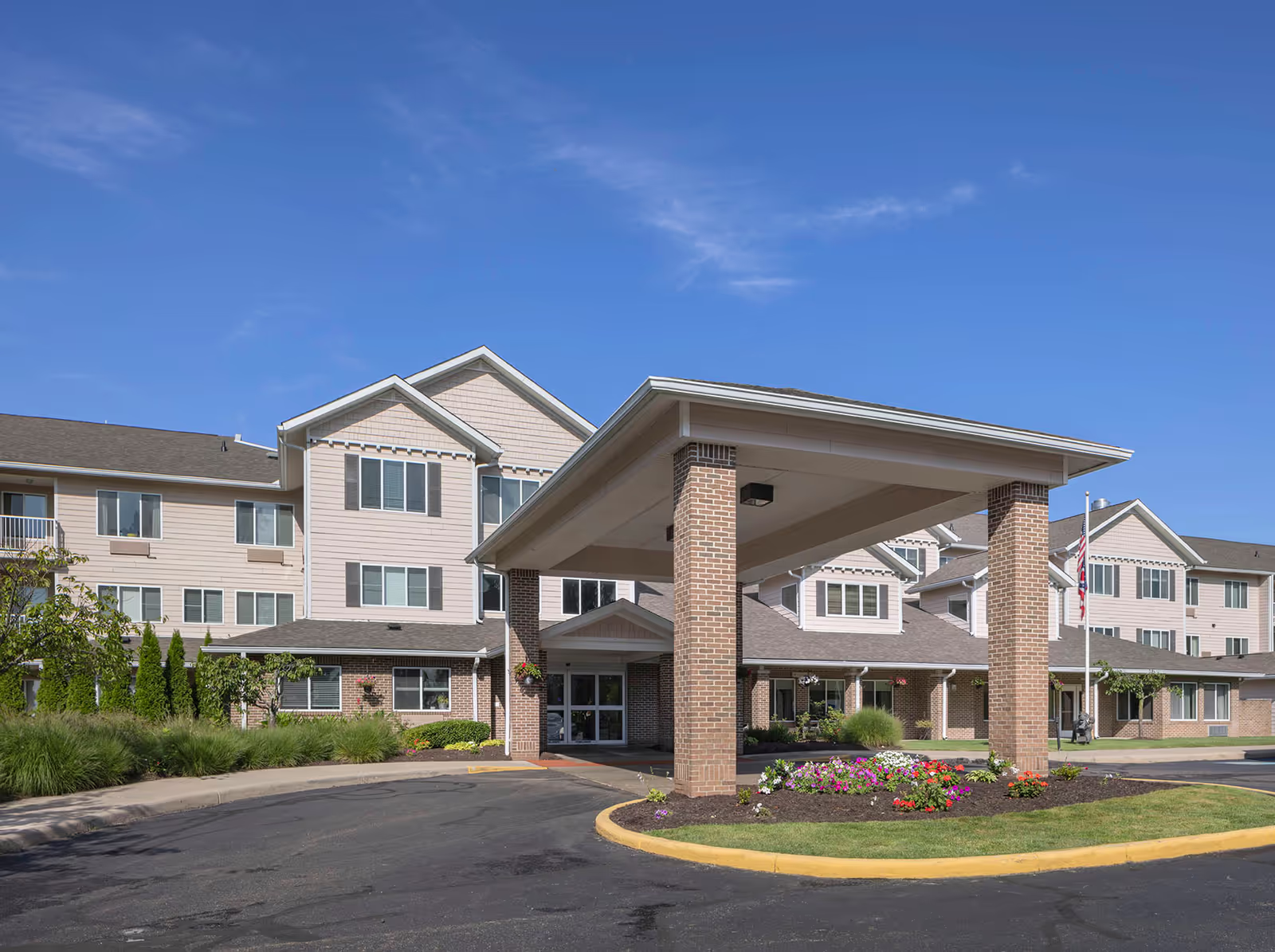
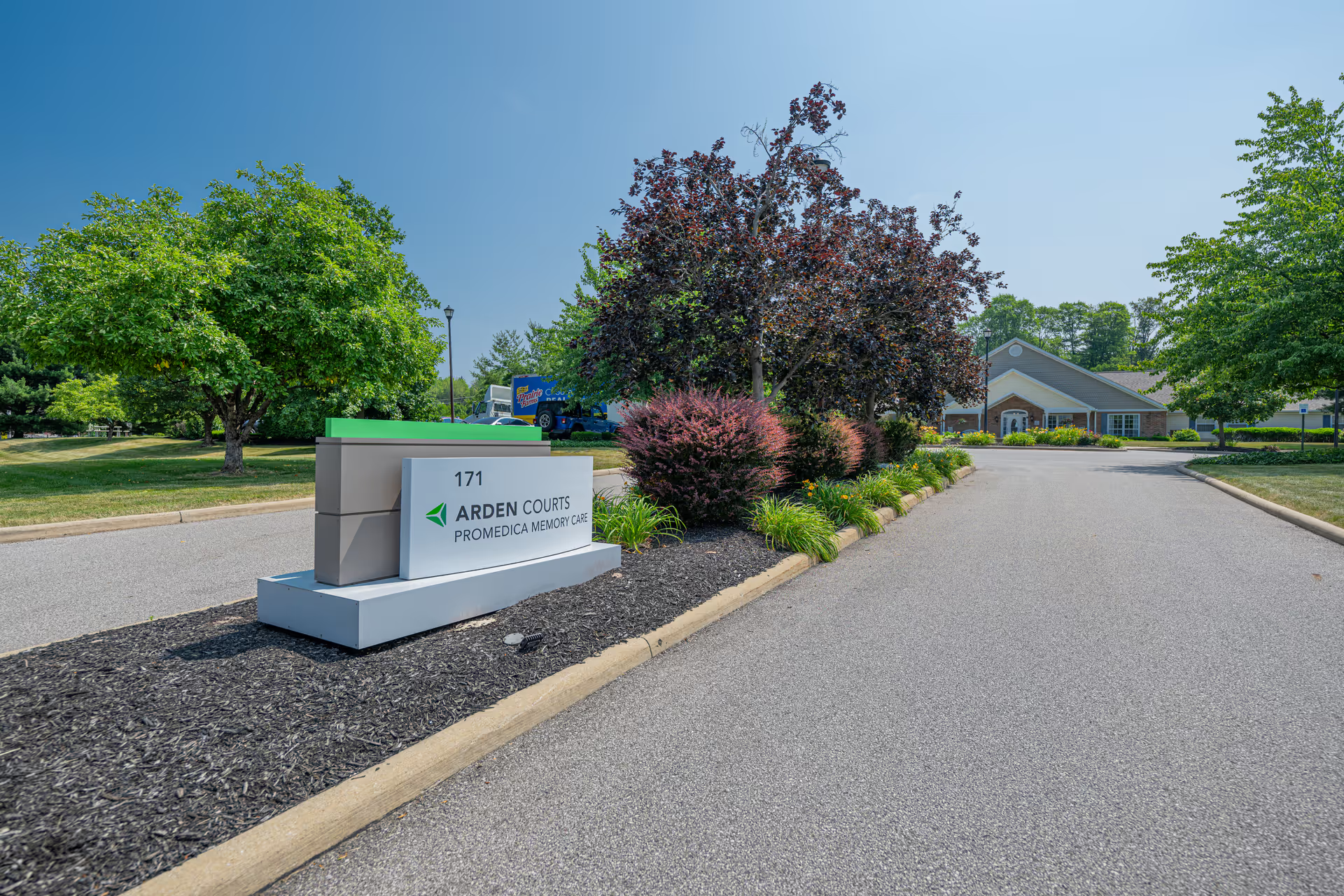
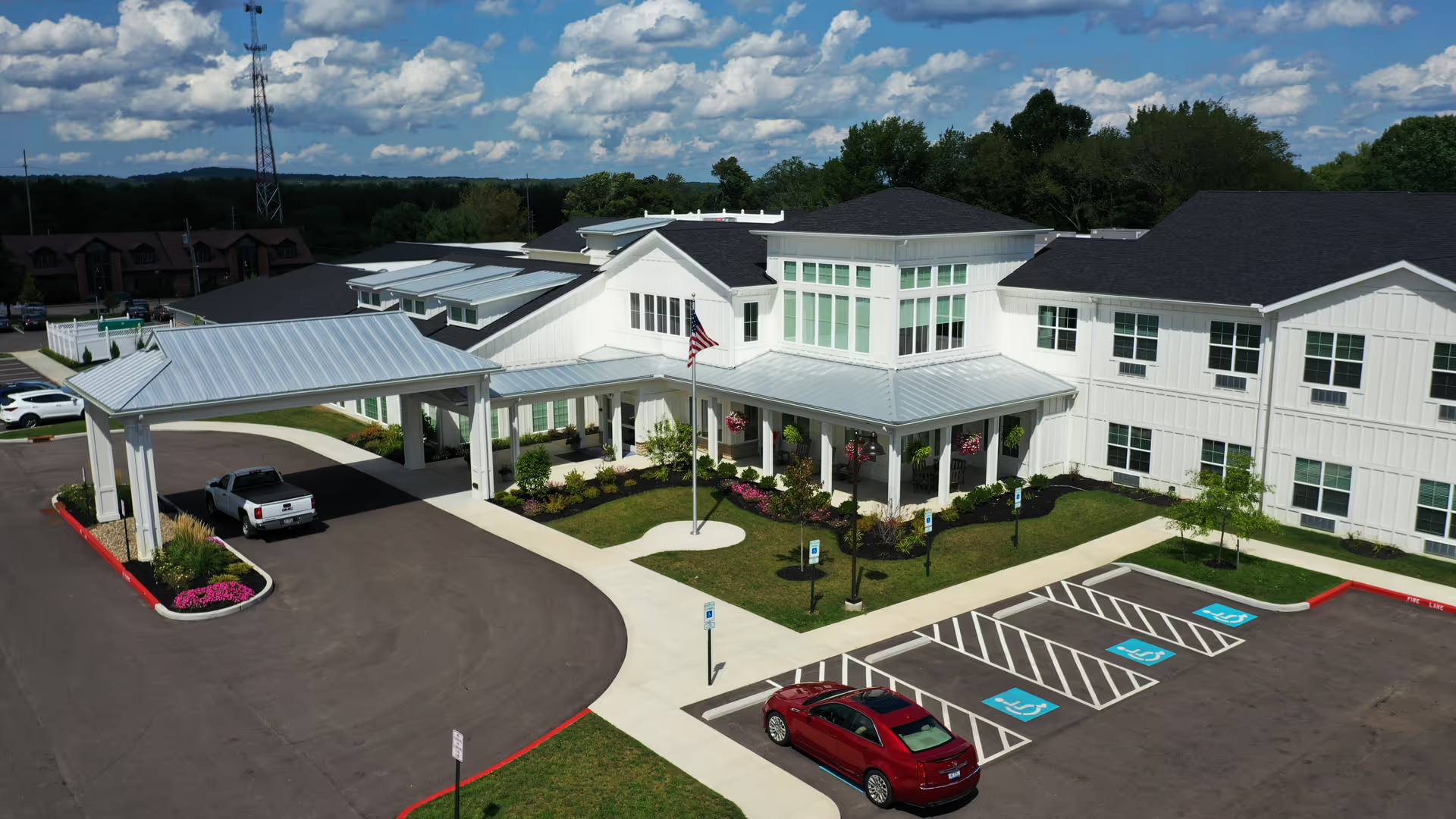
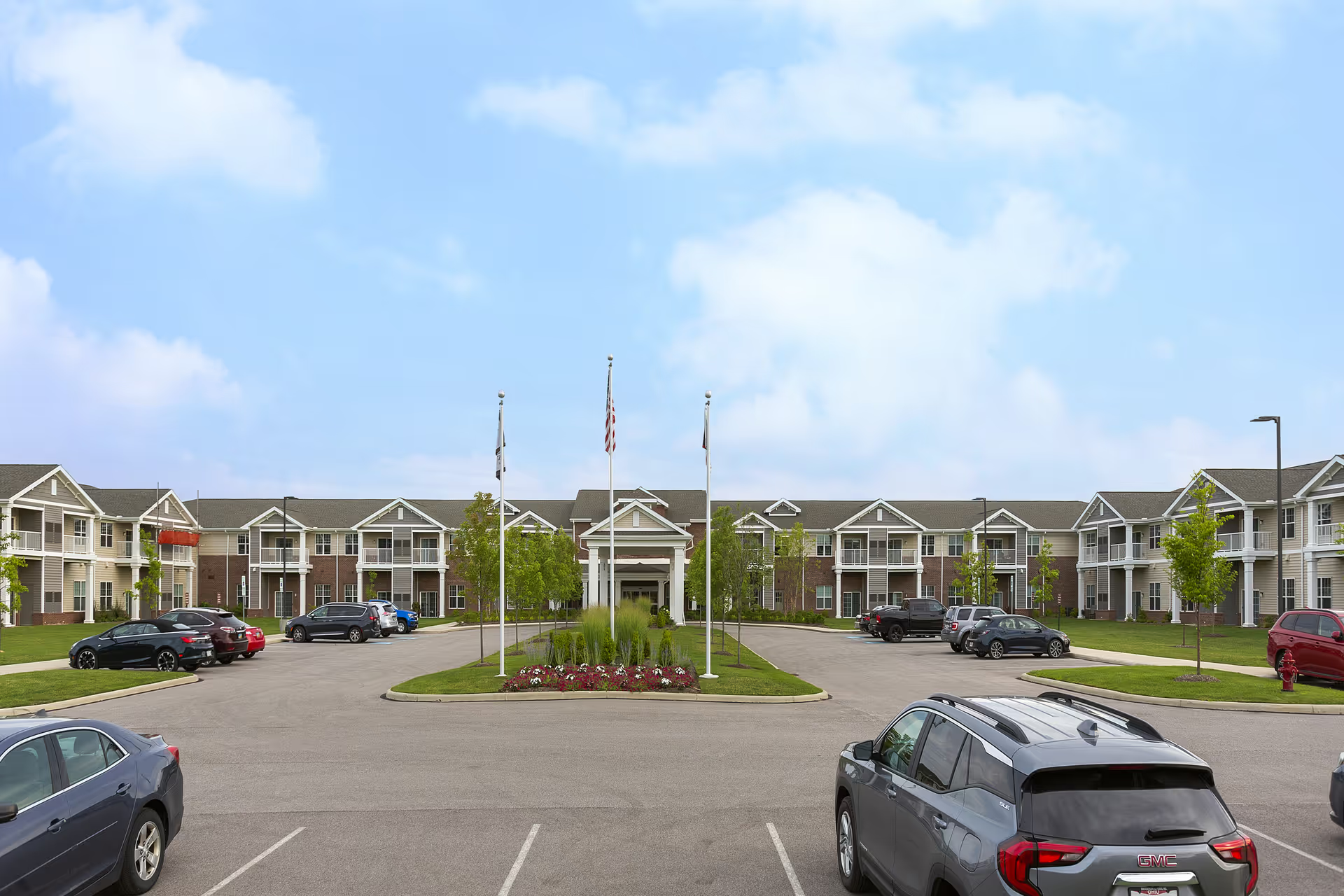
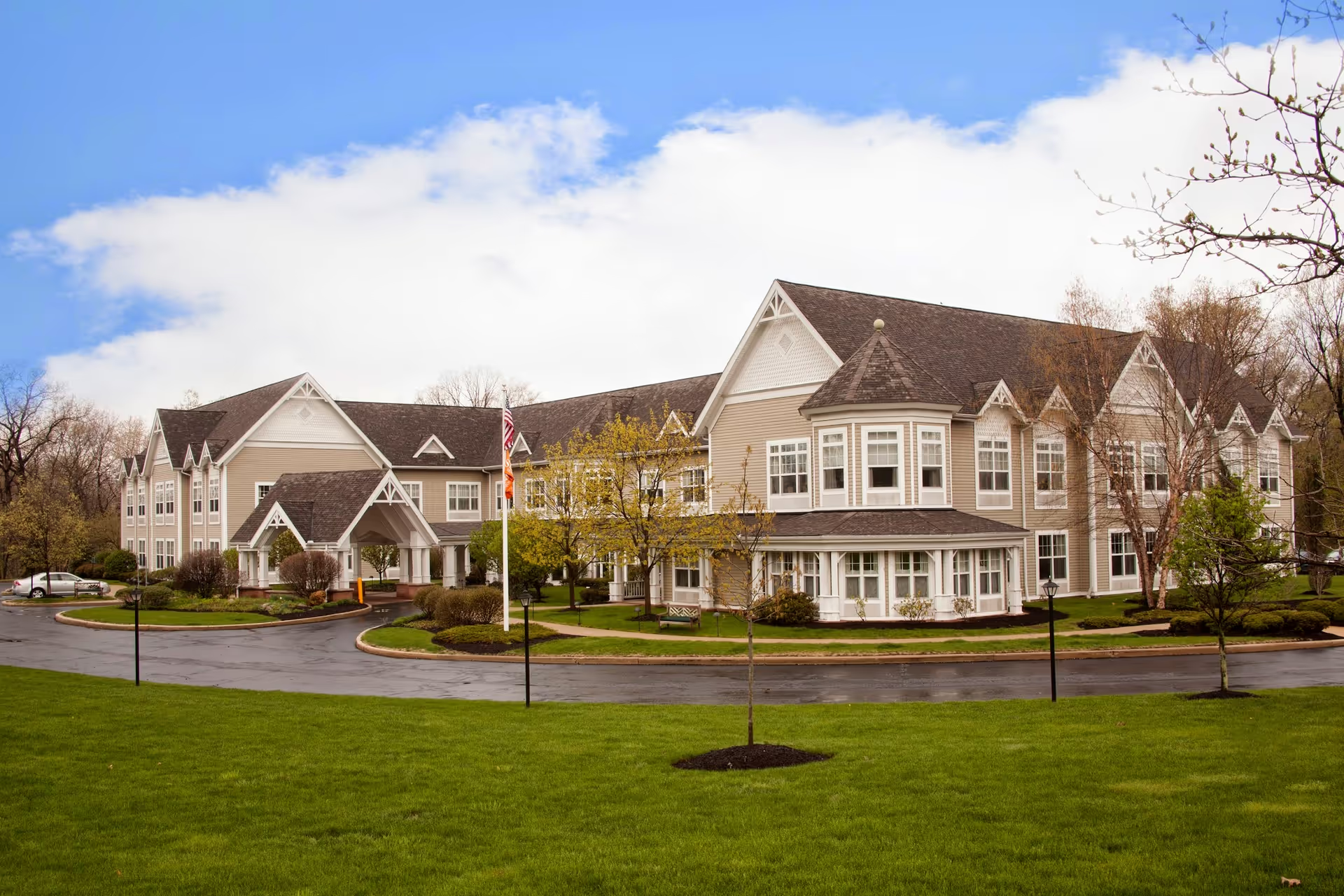
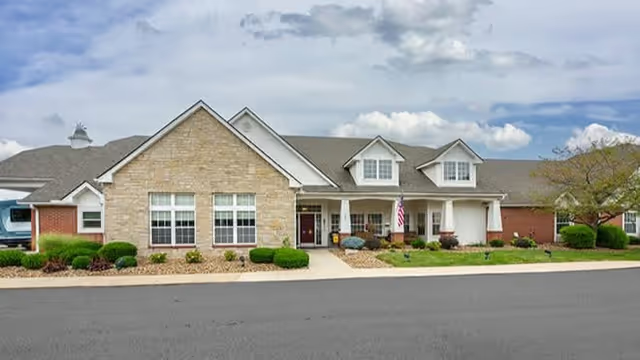
Facilities, activities, and dining: The physical environment is described as clean, bright, and well maintained, with cozy common areas and rooms that are easy to navigate. Activity programming is presented as purposeful, with initiatives to encourage resident participation and an enjoyable, peaceful atmosphere reported. Dining receives neutral-to-positive comments characterized as fair in quality; the facility layout and wayfinding are noted as accessible, making it straightforward for residents and visitors to locate services and spaces.
Management and administrative concerns: A clear pattern in the feedback relates to administrative and financial processes. Several reviewers raised concerns about billing and insurance handling, including deficiencies in paperwork processing and adversarial interactions during disputes. Some statements go further, describing attempts to avoid insurance documentation and the use of strong-language dispute tactics; these have been framed here as patterns of adversarial collections and a lack of transparency in financial and insurance documentation rather than isolated incidents. Taken together, these items point to weaknesses in management oversight and administrative workflows that can affect family trust and financial clarity.
Notable patterns and practical guidance: The reviews convey a split between strong frontline care and recurring administrative friction. For prospective residents and families, this suggests evaluating clinical fit and staff rapport in person while also conducting due diligence on financial processes. Recommended steps include requesting written explanations of billing policies, insurance-authorization workflows, sample statements, and the facility's dispute-resolution procedures; asking to meet or speak with the administrative lead about documentation practices; and seeking references from current families about both care and administrative responsiveness. These actions can help validate the positive clinical strengths while clarifying any financial or managerial risks before placement.