Bowling Green Manor receives consistently positive feedback on its staff and administrative responsiveness. Multiple families describe the caregiving team as compassionate, attentive, and communicative; reviews note daily nurse updates, proactive interdisciplinary care planning, and the availability of on-site therapies (PT, OT, speech). Several accounts highlight strong leadership and effective admissions and transfer processes that reduced family anxiety and facilitated prompt placement.
Clinical quality is characterized by strengths and some variability. Many reviewers praised effective physical therapy and rehabilitation services and credited therapists, nurses, aides, and housekeeping for tangible improvements after transfers. At the same time, there are indications of inconsistent nursing performance across shifts and occasional clinical issues (falls and urinary tract infections) that suggest opportunities to strengthen fall-prevention protocols and infection-control monitoring. Some families also described therapy encounters as brief or less substantial than expected, indicating variability in therapy duration or intensity.
Dining and activities present a mixed picture. The community offers a broad calendar of activities — outings, arts and crafts, bingo, musical performances, and weekly church services — which families find engaging and supportive of resident quality of life. Meal feedback is mixed: while several reviewers praised food and dining staff, others described meal presentation and temperature as institutional or inconsistent, and dining rooms were described as dated.
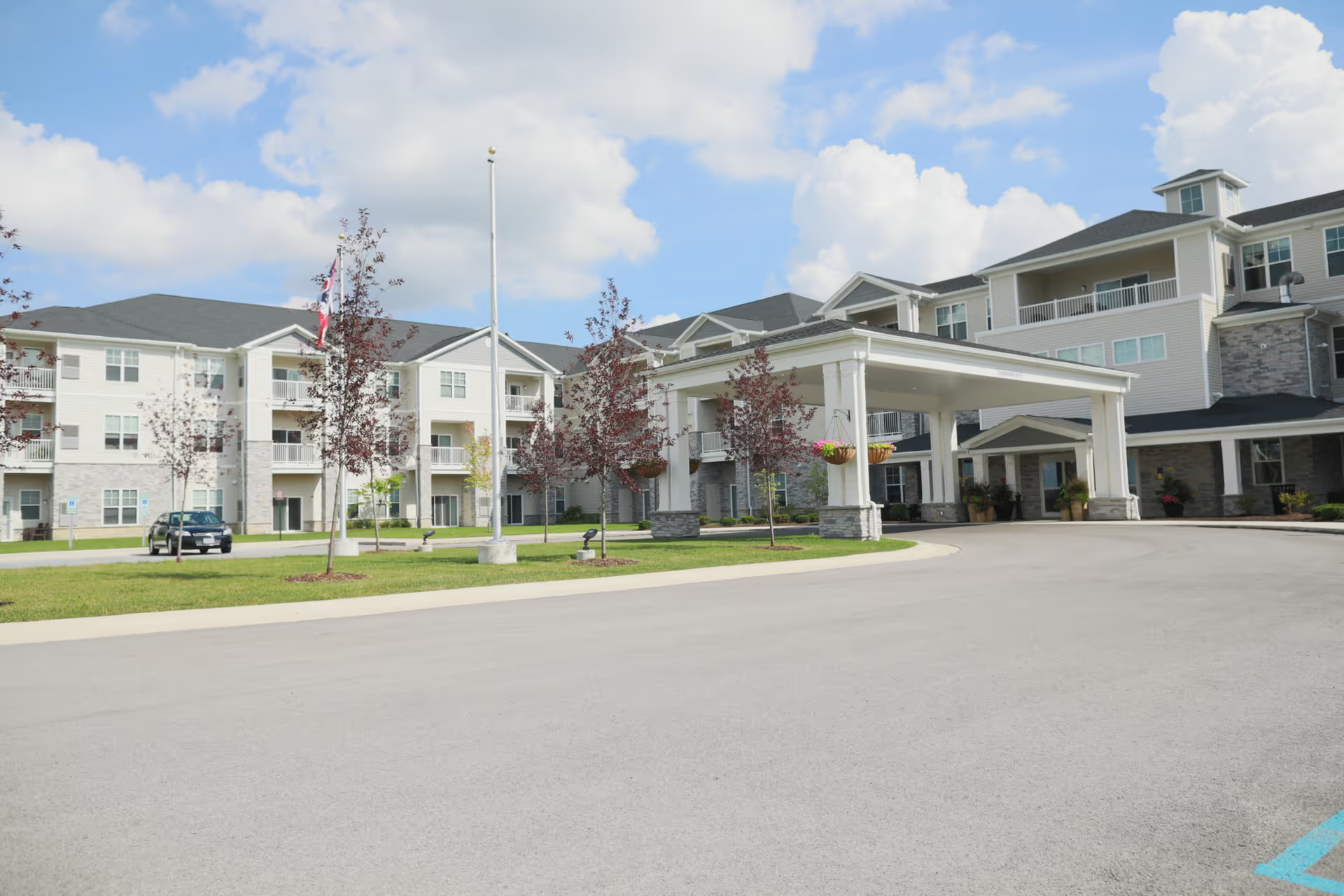
The facility’s physical environment is frequently described as older and in need of updating; reviewers specifically mentioned tired common areas and older dining rooms. There are also comments about limited communal or meeting spaces, which could affect family gatherings, programming expansion, and on-site worship or support groups. Housekeeping and cleanliness are generally noted positively, but the aged plant contributes to a dated feel in parts of the building.
Notable patterns: overall, families report strong communication, a team approach to care, and a high degree of trust in many staff members — factors that provide peace of mind for families, including veterans. However, variability in nursing care, therapy consistency, and operational gaps in fall prevention and infection control are recurring concerns. There is also a serious individual claim involving restrictive resident-monitoring and limits on autonomy and communication; this allegation stands out from the broader pattern and would merit direct discussion with management during a tour or intake meeting.
For prospective residents and families: interview leadership about staffing consistency, fall-prevention and infection-control protocols, therapy scheduling and session lengths, dining menus and meal-service practices, and the availability of communal spaces. Ask for recent quality metrics, examples of proactive care plans, and clarifications about monitoring or movement policies to ensure they align with resident preferences and rights.