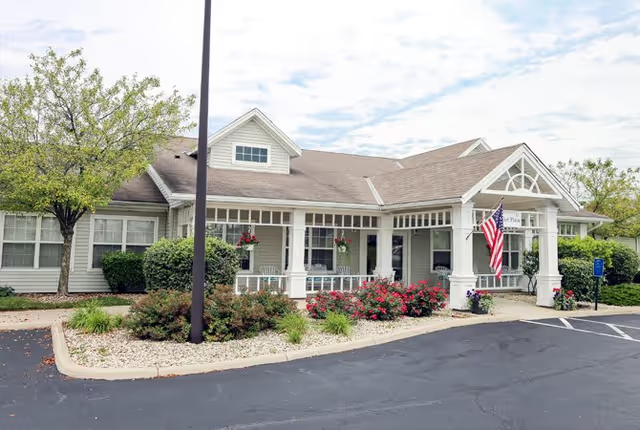
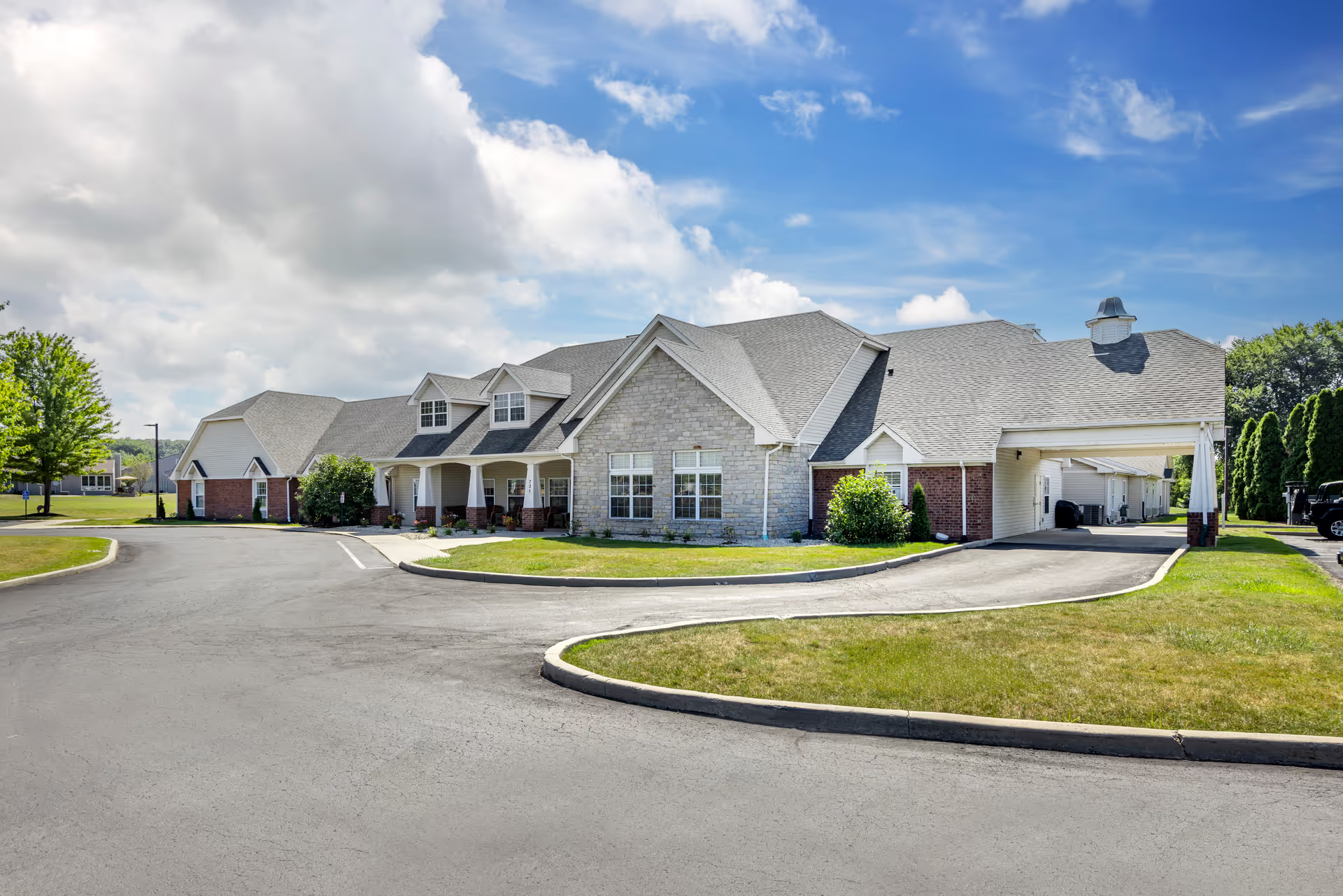
Overall impression: The Willows at Bowling Green is described predominantly as a well-maintained, resort-like senior living community with a strong emphasis on resident engagement and personalized attention. Many notes emphasize a warm, family-oriented culture, high-quality dining, and an active entertainment program that includes music shows and outings. The physical environment and presentation are frequently characterized as clean, welcoming, and similar to a country-club or vacation property.
Care and staff: Reviews highlight compassionate, attentive caregivers and an experienced clinical team. Nursing and therapy services receive positive recognition for clinical competence and coordination; physical and occupational therapy are specifically described as effective and well-run. Staff are frequently portrayed as knowing residents by name, offering emotional support, and working across departments in a coordinated way. Administration is described as professional and accessible in numerous accounts, which contributes to perceptions of reliability and supportive leadership.
Dining and activities: Dining is regularly praised for quality and presentation, with several descriptions comparing meals to restaurant or cruise-style service. Activities programming is another consistent strength: a mix of in-house entertainment (music shows, performances) and off-site outings appears to support social engagement and quality of life. The community atmosphere is presented as lively, with residents described as engaged and positive about scheduled programming.
Facilities and management: The campus and interiors are commonly described as well-maintained, clean, and resort-like. Reviewers note attention to aesthetics and housekeeping, and many families point to the facility’s appearance as reinforcing a welcoming environment. Management and interdisciplinary coordination receive favorable comments, and several accounts highlight good communication and responsiveness when it occurs.
Notable concerns and patterns: Alongside strong positive impressions, there are serious operational concerns raised by a minority of accounts. These center on medication-management controls, fall-prevention and safety oversight, and inconsistent staff responsiveness. Relatedly, some reports indicate gaps in communication with families and uneven follow-through after clinical incidents; a small subset of reviews describes a severe adverse outcome and associated concerns following that event. There are also occasional mentions of professionalism and conduct issues. These critical items suggest variability in performance across shifts or teams rather than a uniform pattern of poor quality.
Guidance for prospective families: Given the mix of strong positive experiences and a few significant concerns, families should verify current operational practices during visits. Recommended questions include: What are the facility’s medication-administration safeguards and audit processes? How is fall risk assessed and monitored? What are staffing levels across shifts and the process for urgent response? How are incidents documented and communicated to families? Ask to observe meals and an activity, and request references from recent family contacts. These steps can help confirm whether the community’s strong attributes are consistent with your expectations and specific care needs.