Plum Creek presents a combination of clear strengths and recurring operational concerns. Many accounts highlight solid clinical services: nursing staff who manage medications, availability of on-site medical and therapy supports (physician/NP visits, physical/occupational/speech therapy), mental-health monitoring, and individualized end-of-life attention. Families frequently describe caregivers who provide attentive, personalized care and who help residents regain energy and engagement following a move-in or a health event.
The facility's culture is often described as family-style and welcoming. Long-tenured directors, an owner presence, and staff who "go above and beyond" are common themes; several contributors emphasize frequent updates to families and warm social interaction. Dining and activities are clear focal points: homemade meals, holiday and themed events, group exercise and bingo, outings, and an active calendar of social programming that supports residents' emotional, social and spiritual needs.
At the same time, a number of operational patterns warrant careful consideration. Staffing consistency is a recurring concern — reviewers describe overnight and shift-to-shift variability and high resident-to-staff ratios that produce workload strain and slow response times. Relatedly, there are reports of uneven nursing responsiveness and occasional lapses in clinical oversight. Several accounts raise concerns about staff conduct and professionalism in resident areas (including vaping and problematic interpersonal interactions), which point to gaps in enforcement of behavior and safety policies.
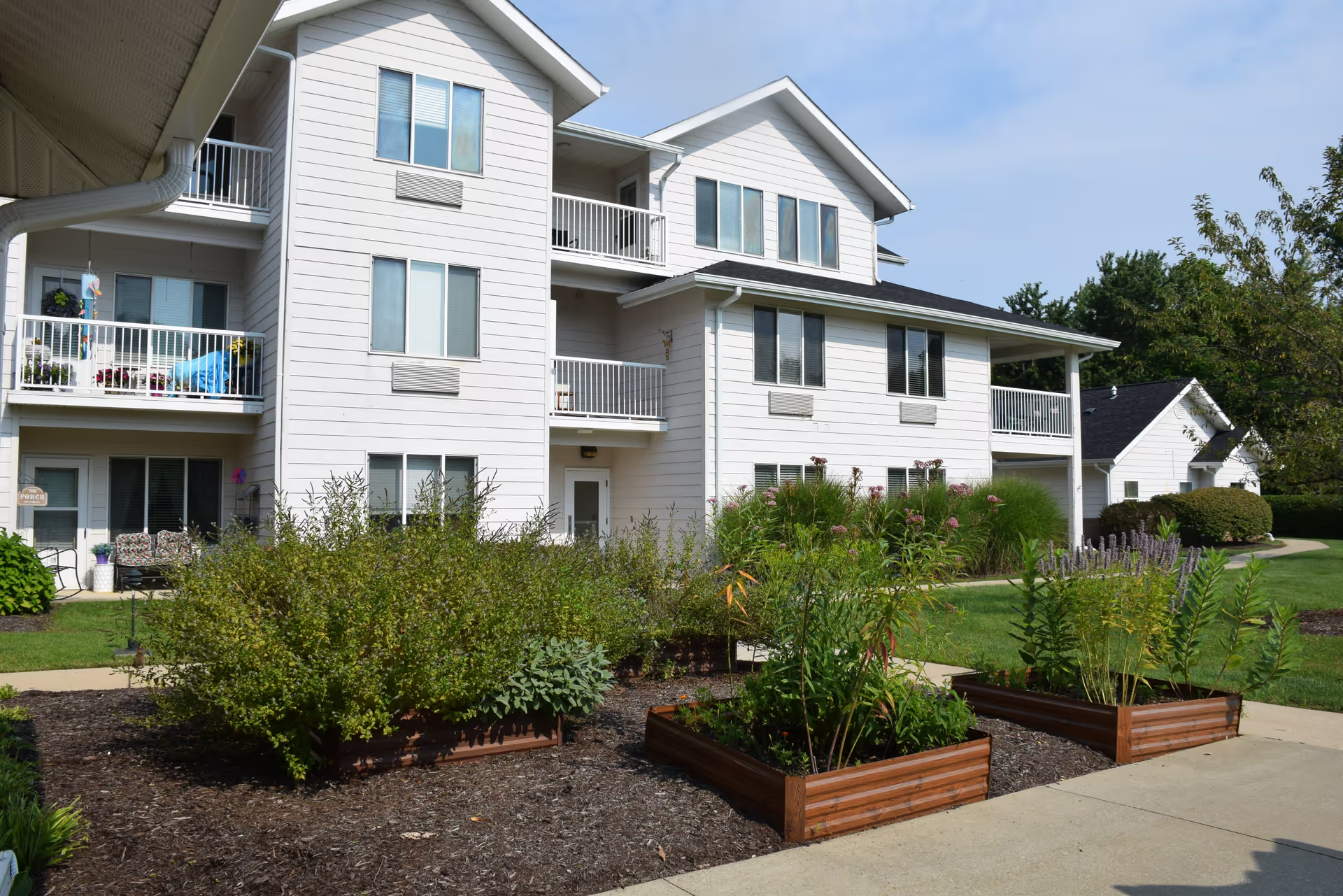
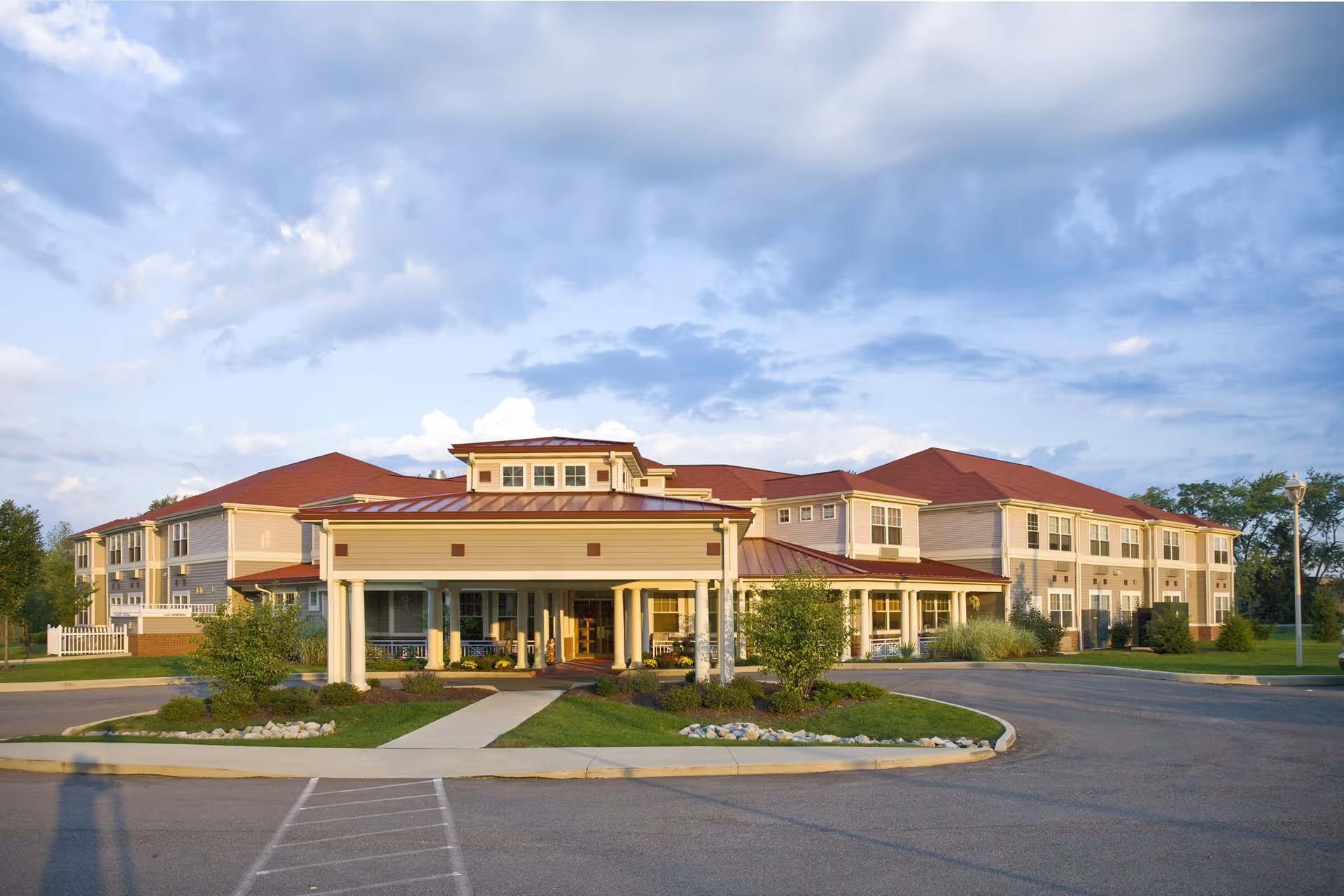
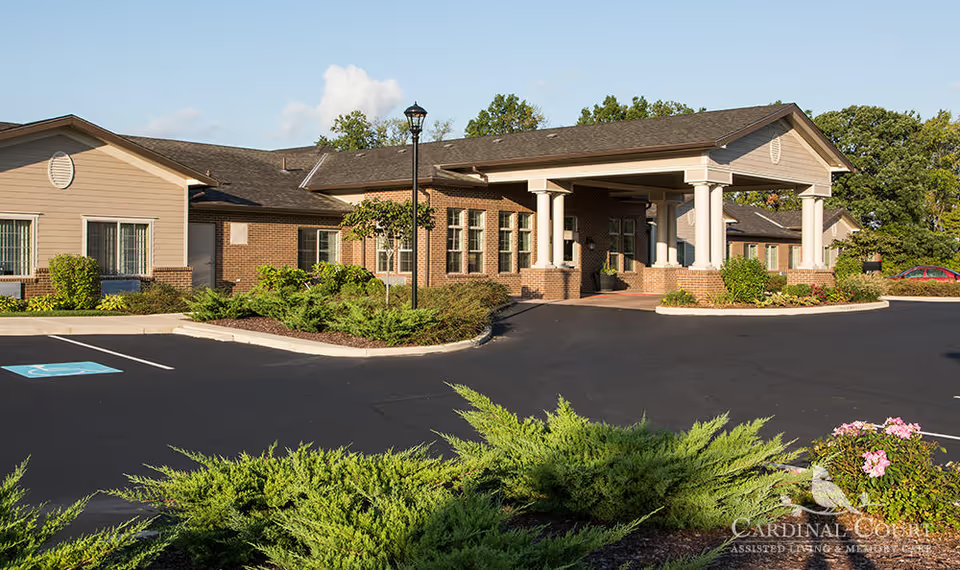
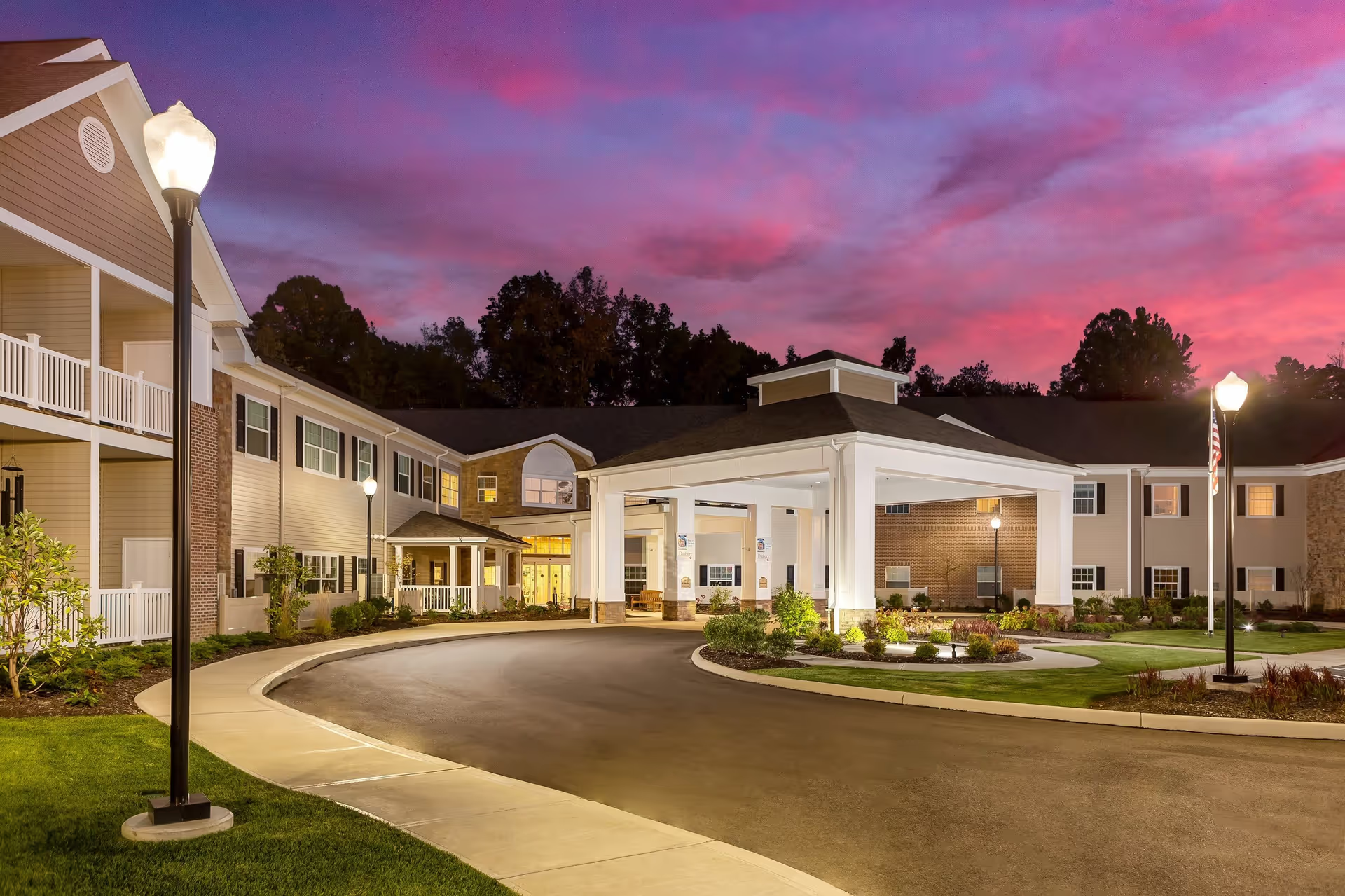
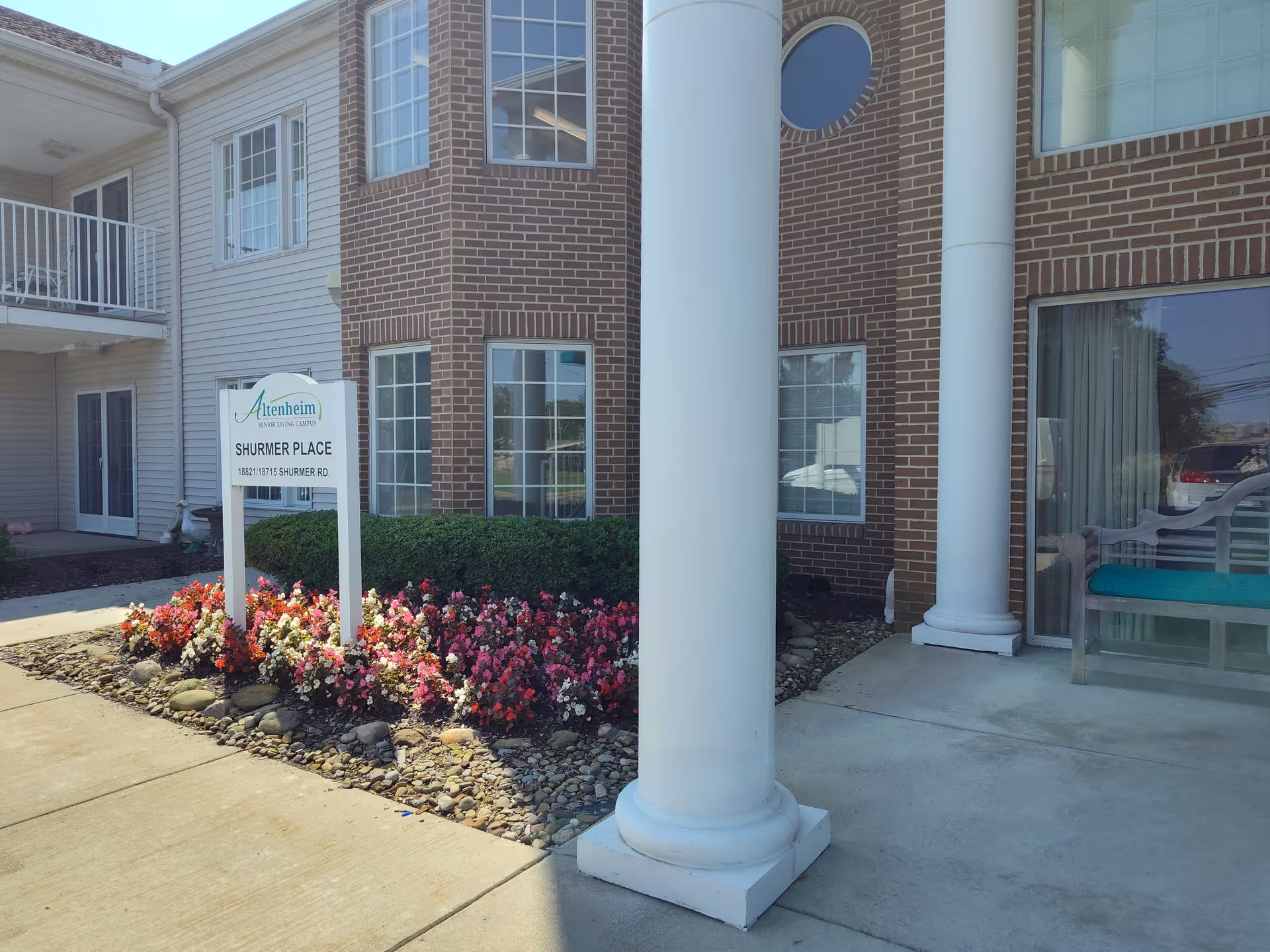
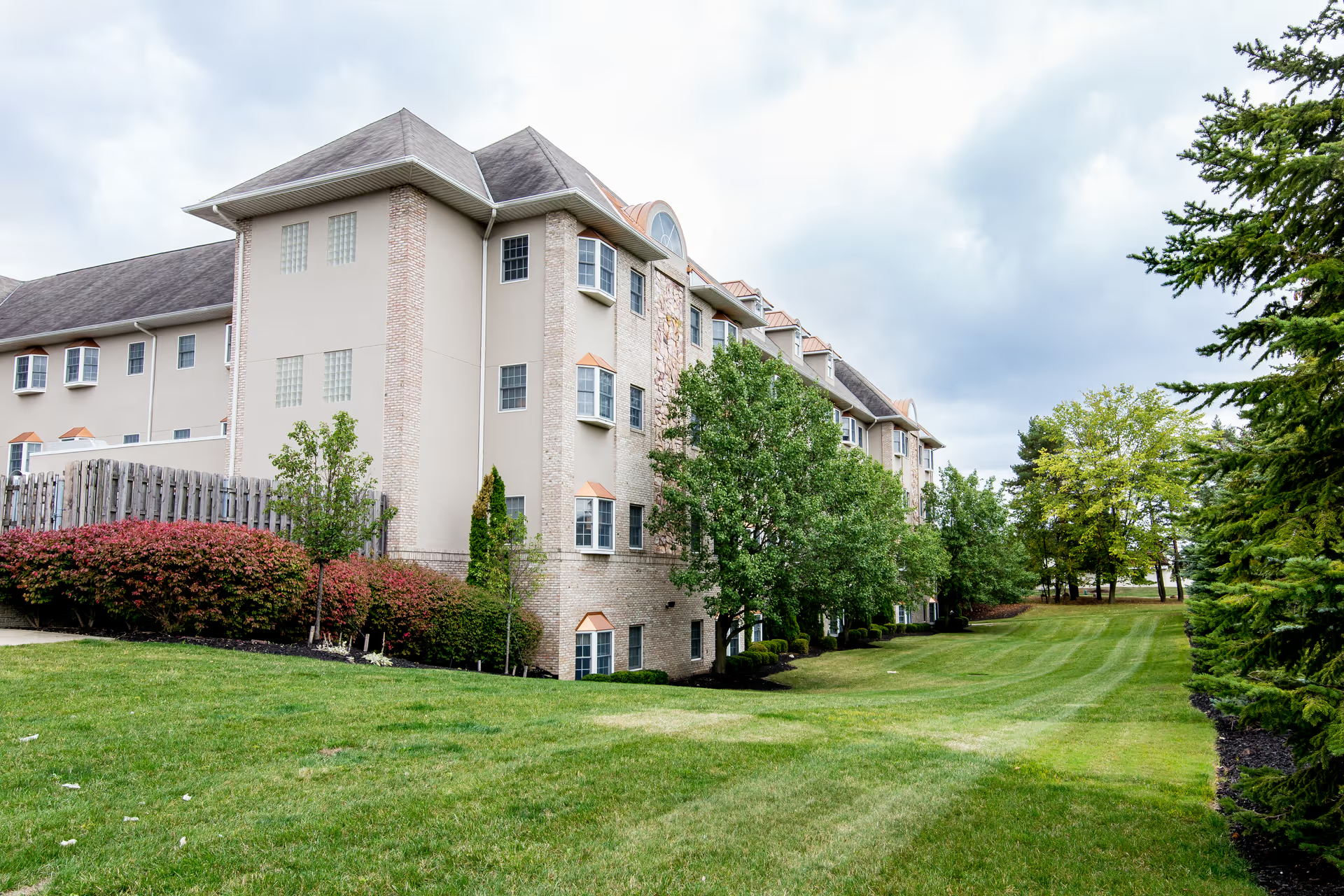
Facility condition and scope of services are mixed. Common areas, gardens, and many apartments are described as clean and attractive, with accessible one-level design and roomy suites; yet others describe parts of the building as aging or in need of upkeep. Memory-care programming is not available on-site, which may be a limitation for residents who require that level of specialized support. There are also instances noting shortcomings in complaint handling, records access, and perceptions of managerial interference in clinical decision-making.
For prospective residents and families: the facility offers strong social programming, accessible design, and numerous on-site clinical supports, and many families report improved quality of life after moving in. At the same time, the variability in staffing, concerns about staff conduct, and administrative communication issues suggest it is important to verify current staffing ratios and turnover, observe care during different shifts (including nights), review behavior and incident policies (including smoking/vaping rules), confirm memory-care pathways if needed, and request examples of family communication and incident-response procedures. A focused visit and direct questions to leadership can help clarify whether Plum Creek’s strengths align with a specific resident’s care priorities.