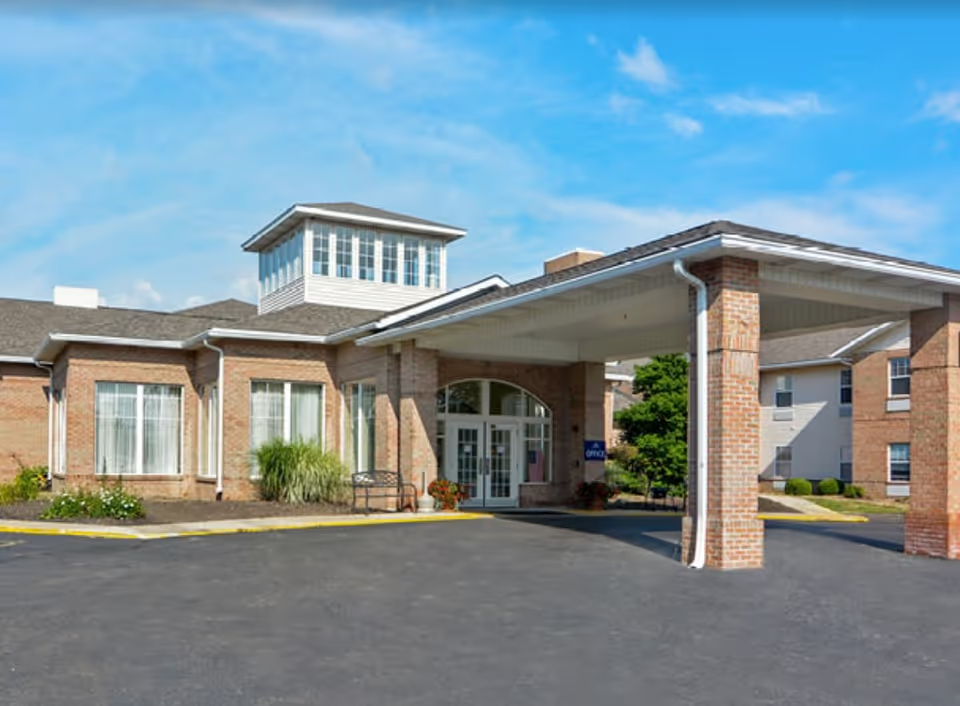
Orchard Park Assisted Living receives consistently positive feedback for its interpersonal care and social programming. Many families and residents describe staff as compassionate, friendly, and welcoming; several named employees were singled out for above-and-beyond assistance. The community emphasizes social engagement—regular activities such as bingo, crafts, ice cream socials, country rides, and monthly events are frequently mentioned—and residents report forming friendships and enjoying a family-like atmosphere. Rehabilitation and therapy services, including walking support and mobility gains, are highlighted as benefits, and the facility offers 24-hour care coverage.
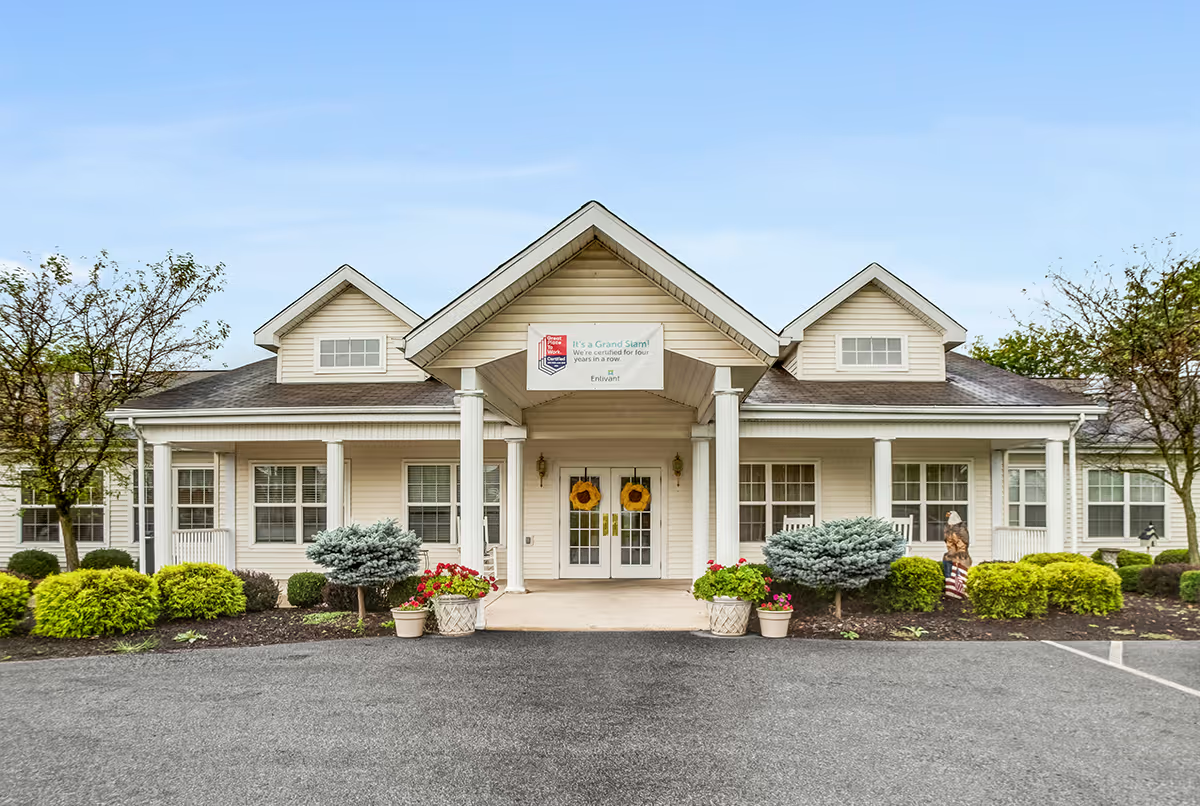
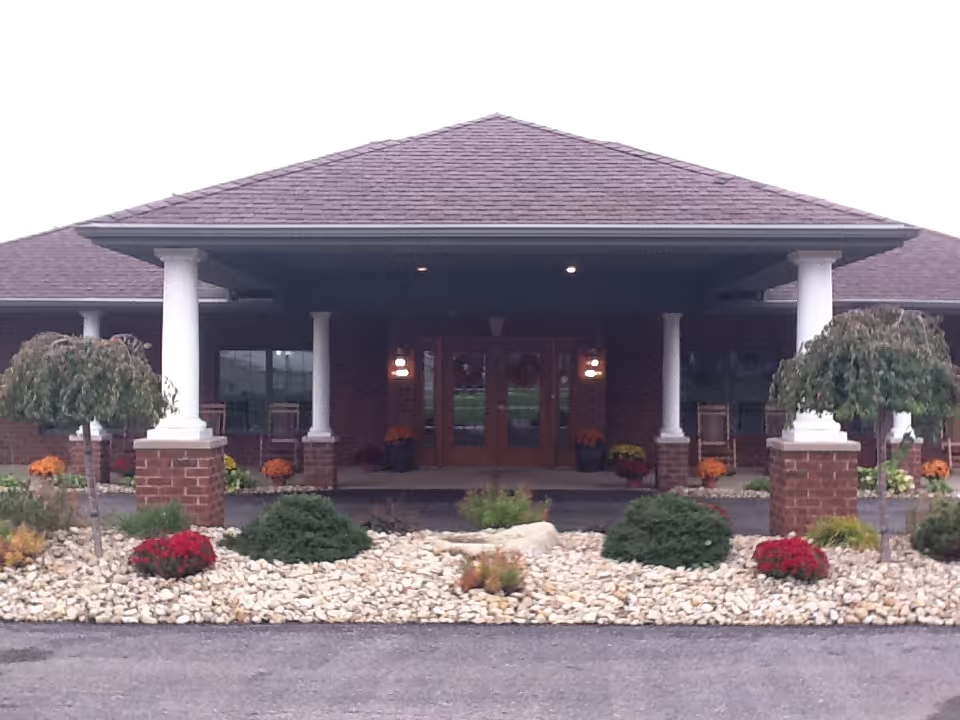
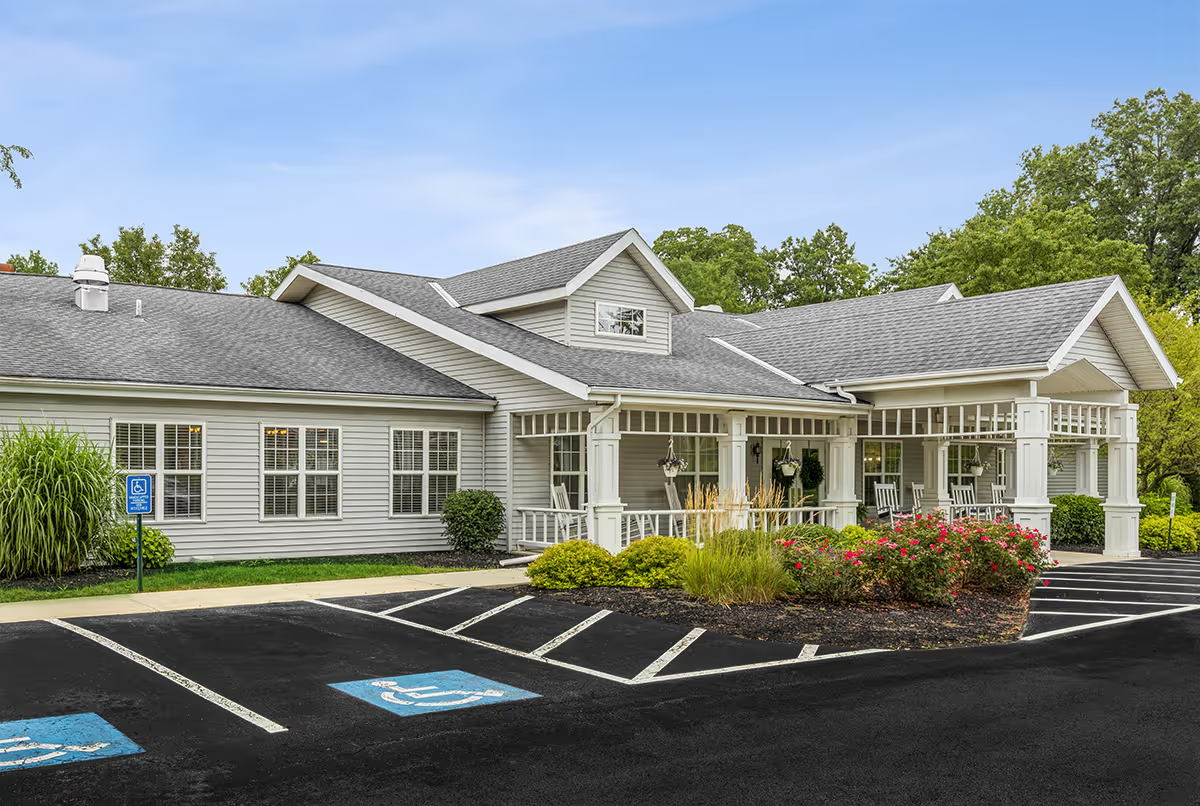
Facility upkeep and living space quality are commonly noted strengths. Reviewers describe clean, well-maintained rooms and common areas, with some residents in newly painted or upgraded private units that include living space and separate bedrooms and bathrooms. Maintenance staff and hospitality personnel are described as approachable and responsive. The location and pricing are also viewed positively by many families; some reviewers called the community a more affordable option relative to alternatives.
Dining impressions are mixed. Numerous reviewers praise the food—citing weight gain, enjoyable meals, and specific favorites—while others characterize some offerings as cafeteria-style or bland. This suggests variability in meal presentation and resident satisfaction with certain menu items. Prospective families may wish to sample meals and ask about menu rotation and accommodations for preferences.
Several operational concerns recur in the reviews. Staffing levels and responsiveness emerge as the primary issues: items such as long call-light response times, aides not returning promptly, and insufficient staff coverage for transfers indicate inconsistent staffing capacity at times. Relatedly, some reviewers raised staff-identification issues (for example, aides not wearing name badges) and variability in caregiver engagement. Transfer-assistance practices were cited as requiring two-person assistance in some cases; this underscores the importance of confirming how the facility staffs transfers and manages mobility needs.
Management receives generally favorable comments for being communicative and flexible, with families noting responsive administrators and patient tours; however, there are also mentions of promised improvements that have not been followed through in every case. Infection-control events (for example, outbreak-related quarantines) have affected dining-room access and communal activities at times, which is typical in congregate settings but worth clarifying with staff around visitation and program continuity policies.
Overall, Orchard Park appears to be a community with strong person-centered elements—engaging activities, attentive therapy, and many caring staff—paired with some operational variability in staffing, responsiveness, and dining consistency. Families considering Orchard Park should tour the facility, meet care and therapy staff, sample meals, and directly ask about staffing ratios, call-response metrics, transfer protocols, and the facility's plan for following up on administrative commitments to ensure alignment with their expectations.