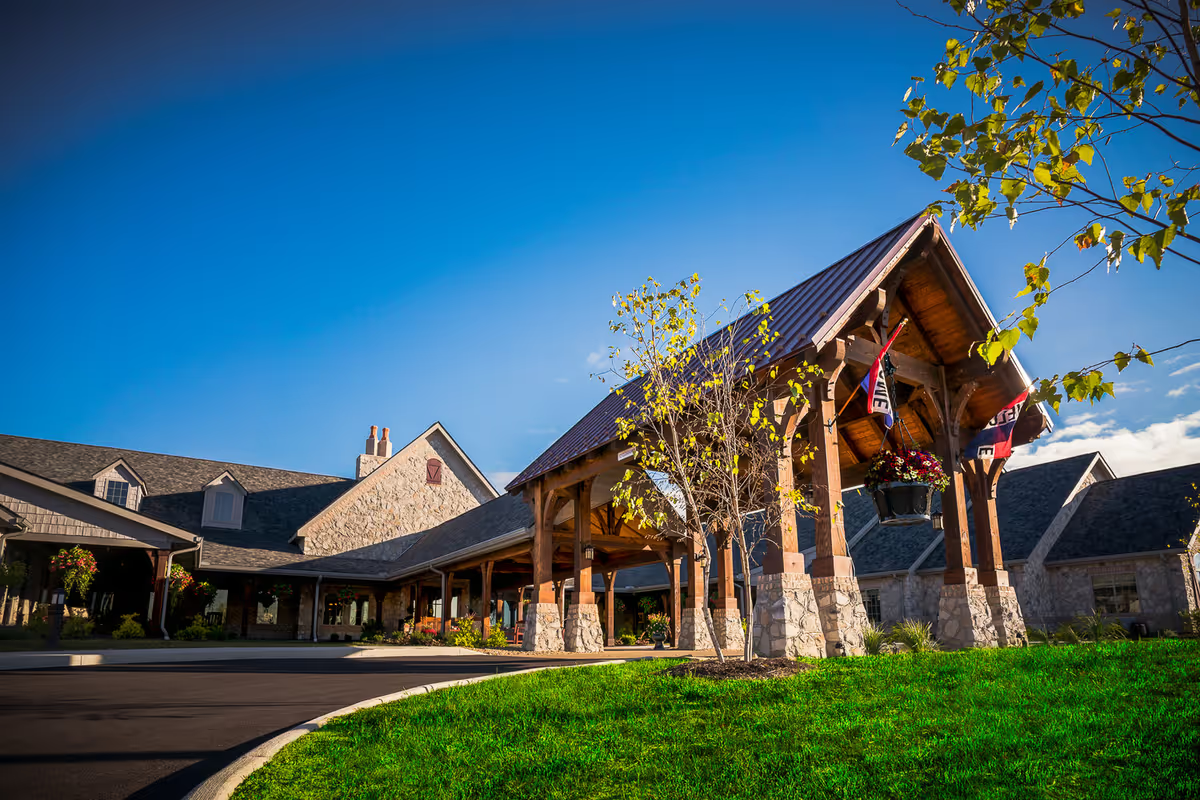
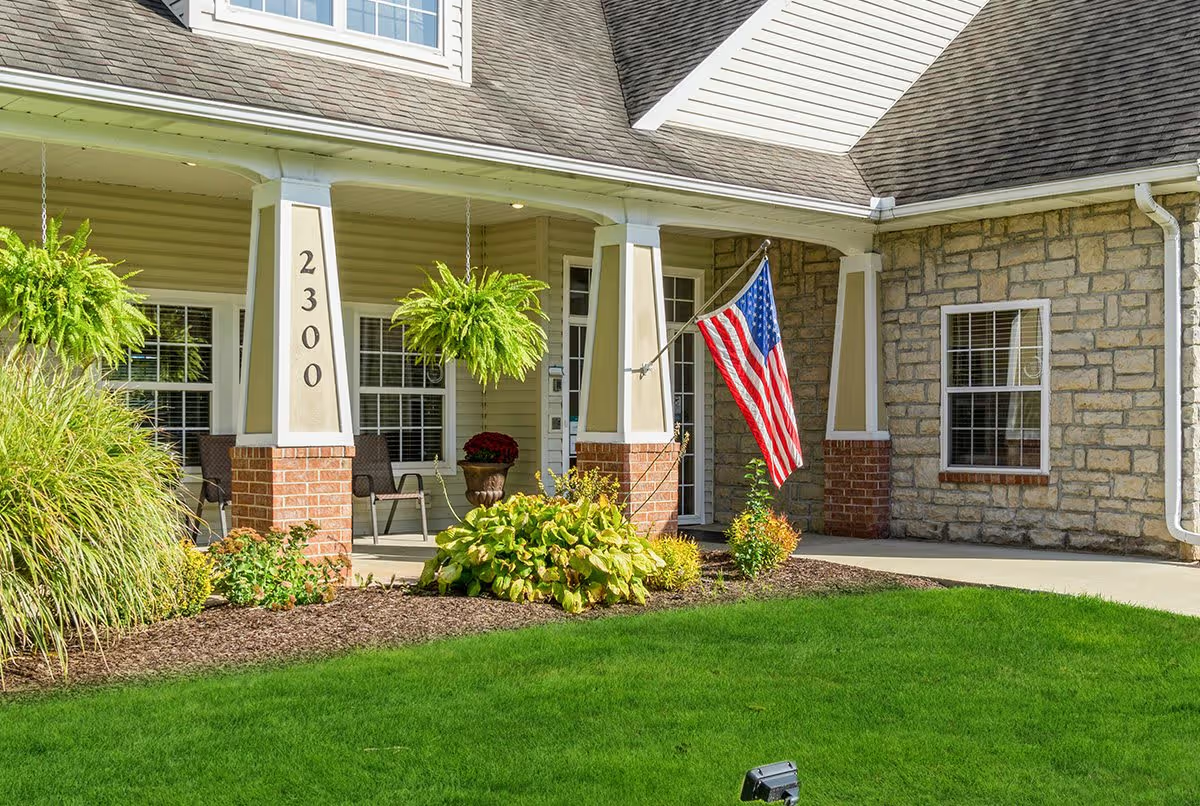
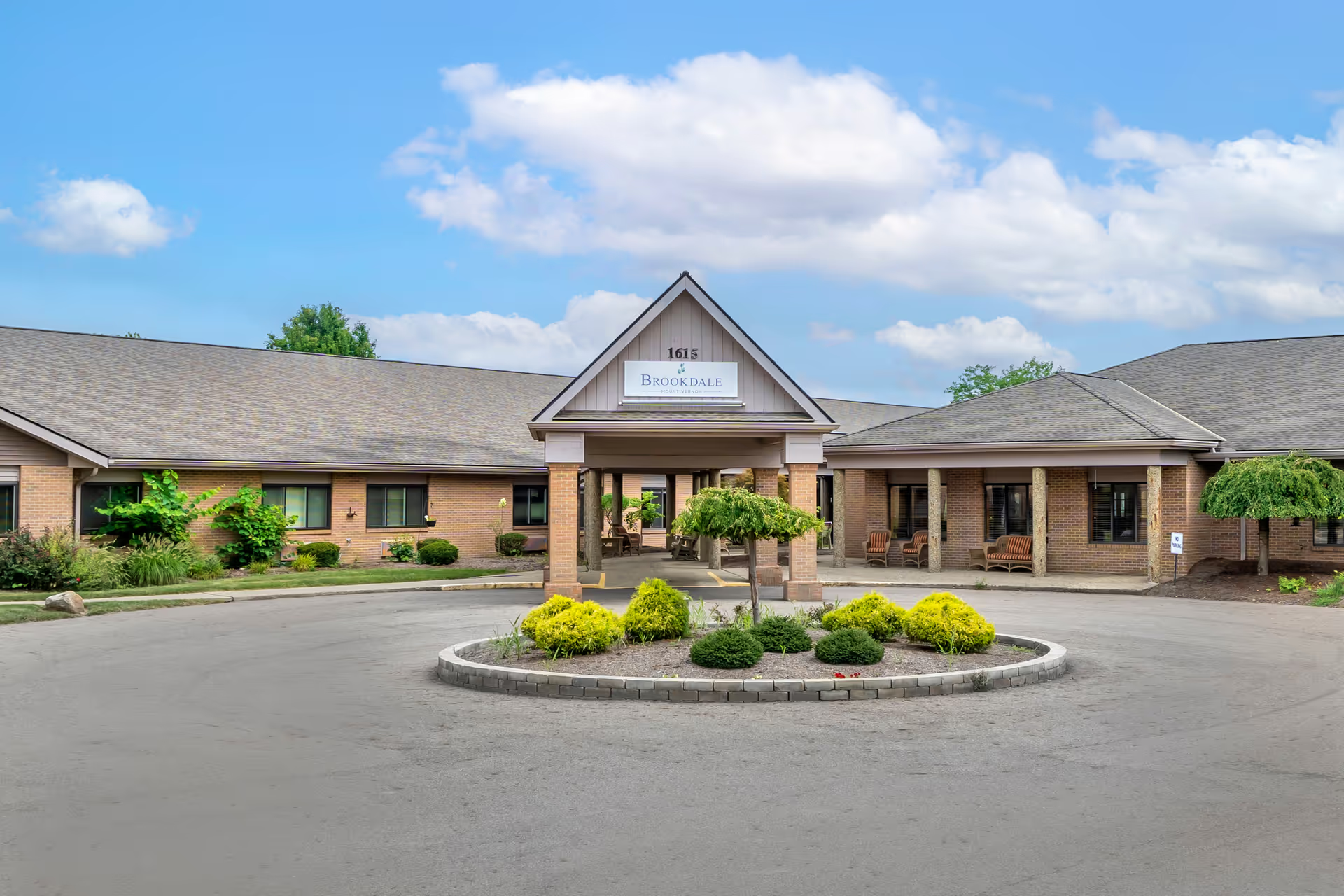
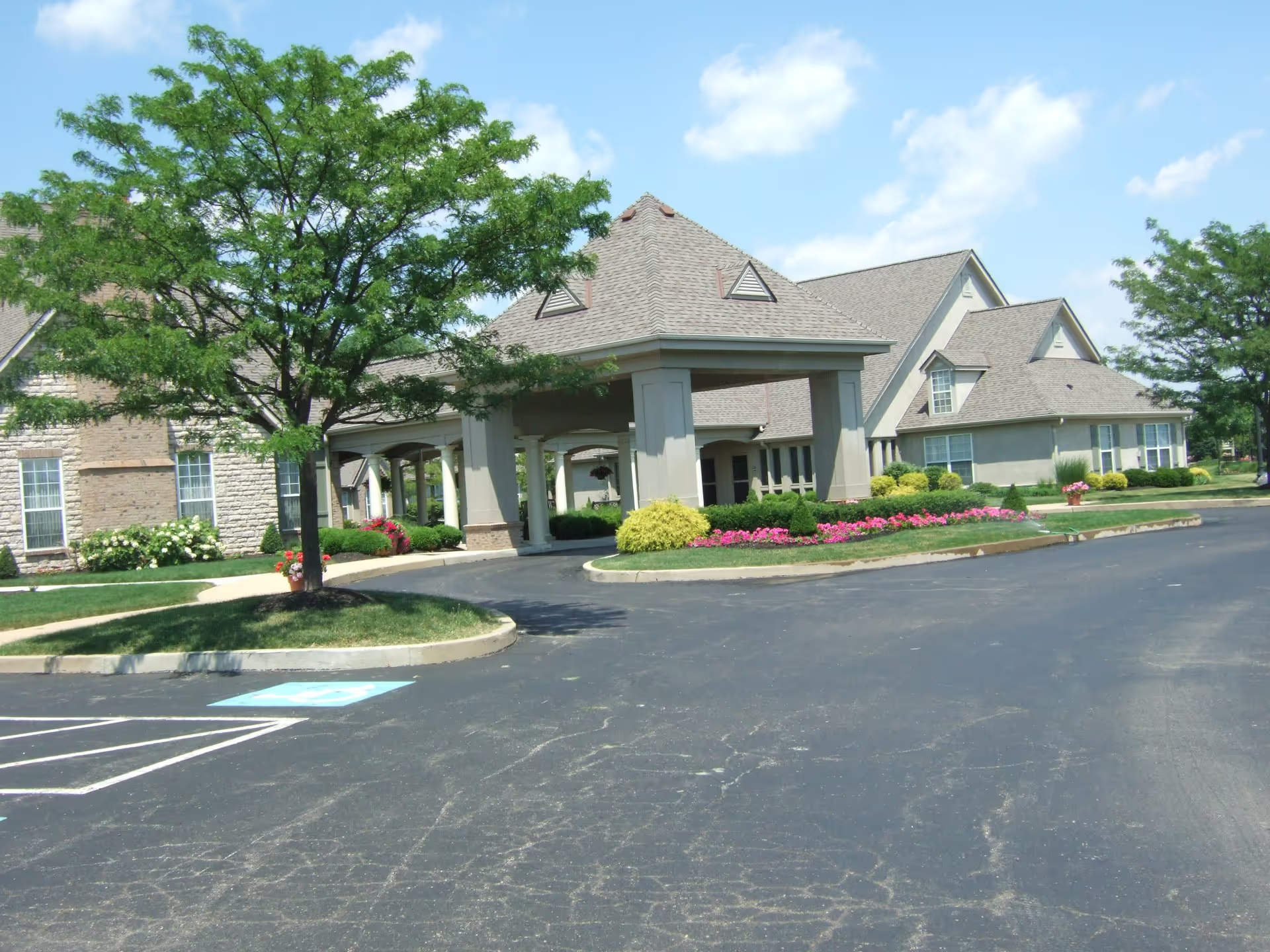
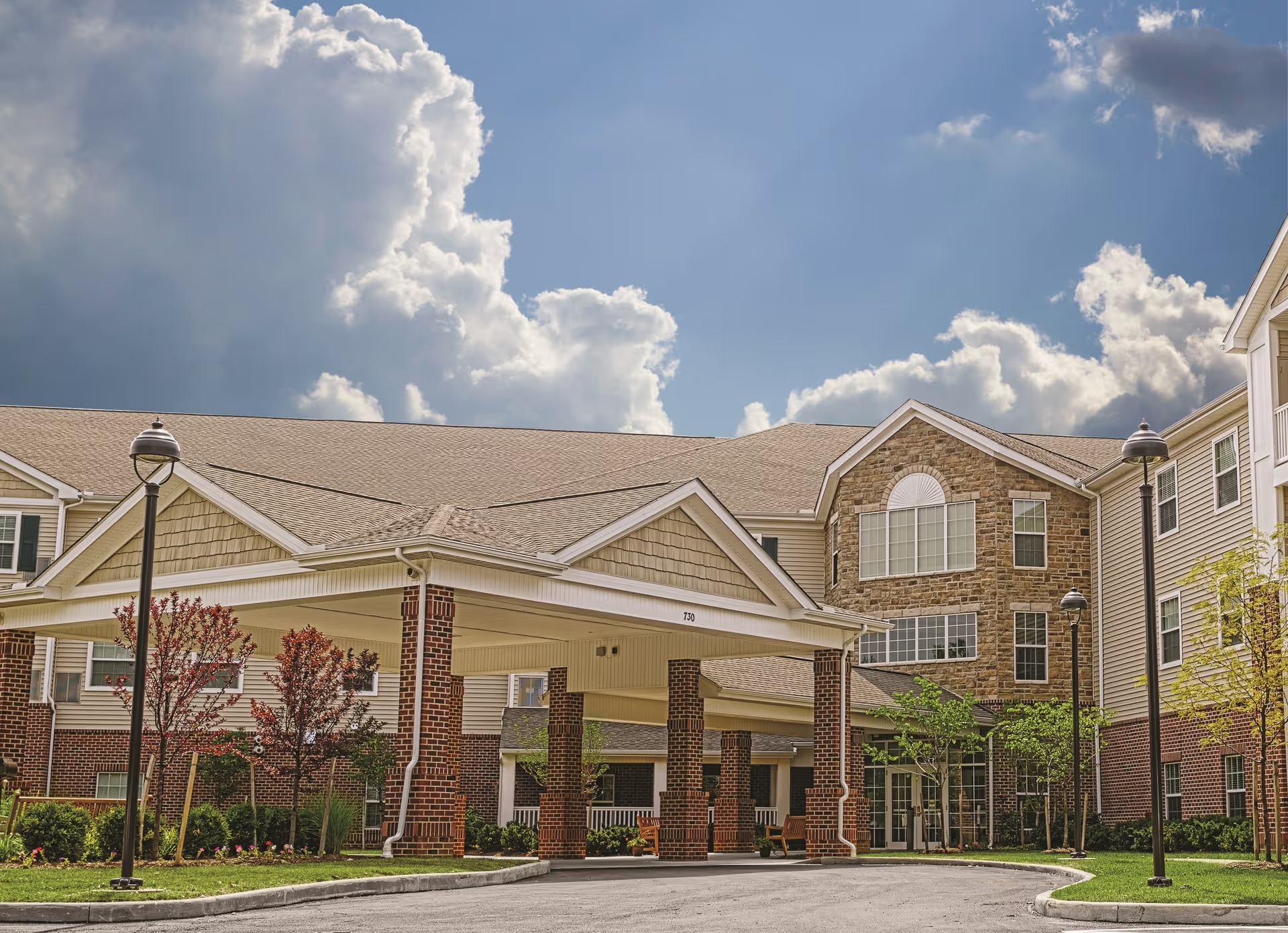
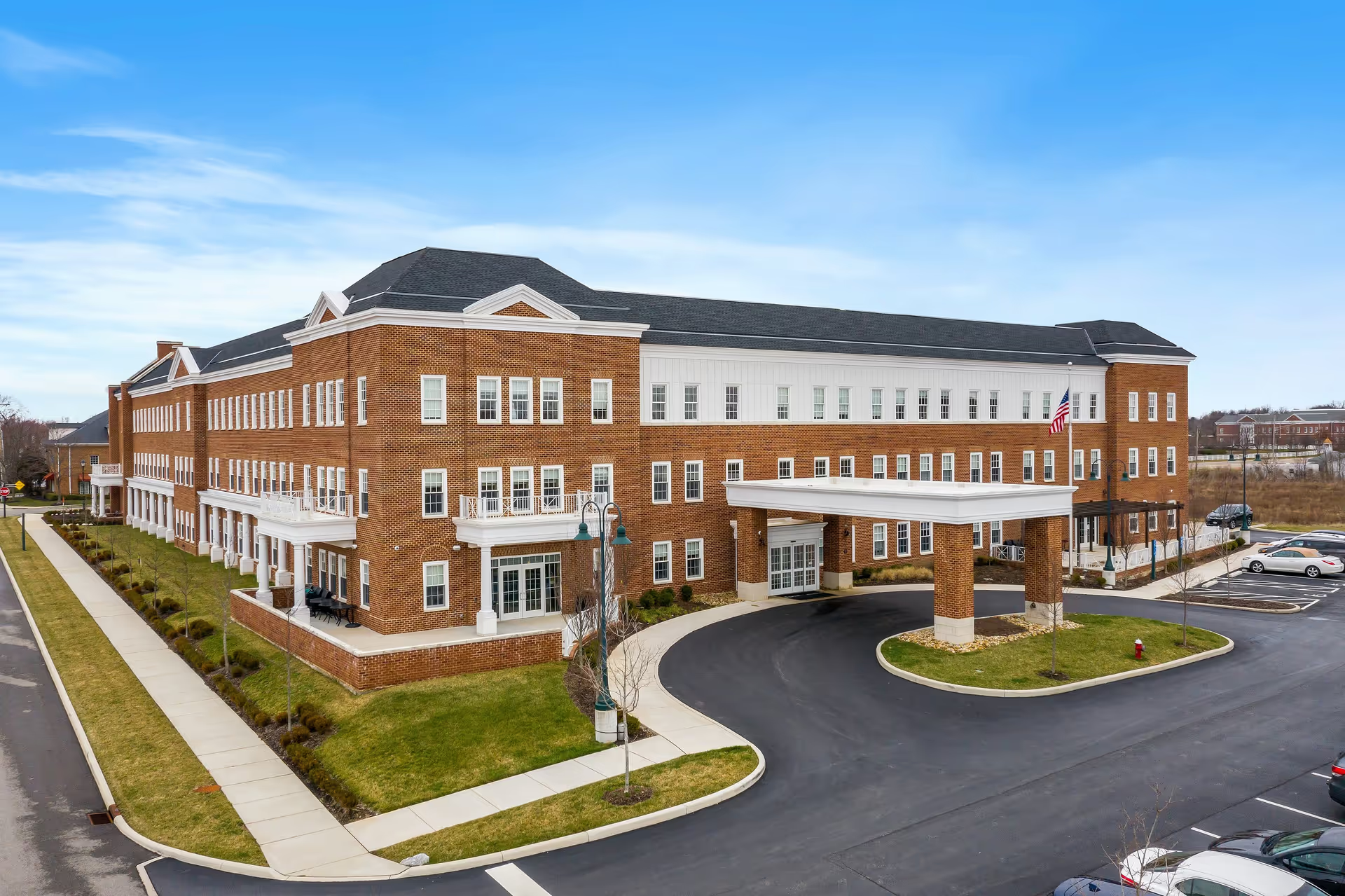
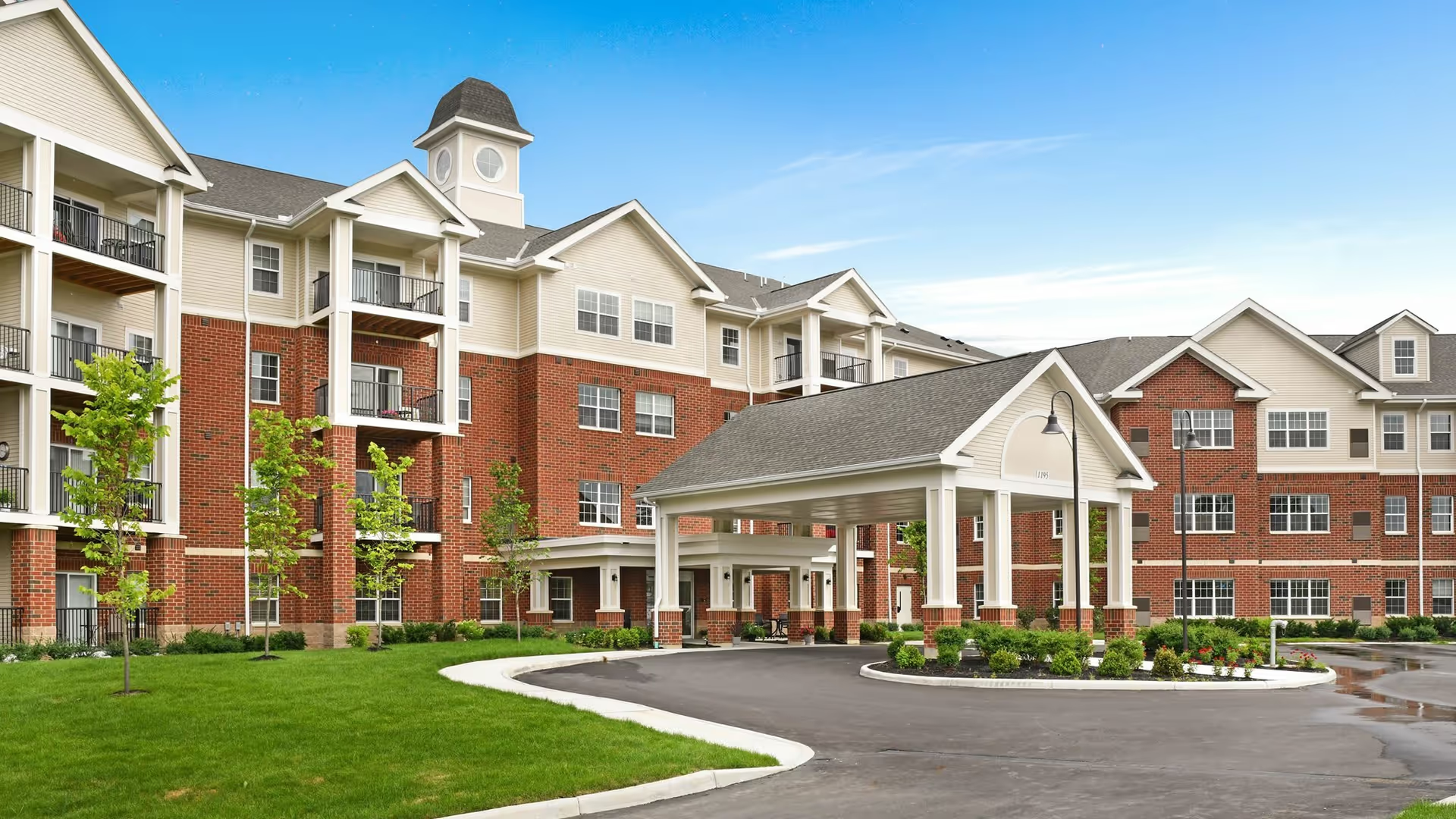
The reviews for Centerburg Pointe present a mixed but distinct pattern: many families and former residents praise the facility for strong clinical programs and compassionate direct-care staff, while other accounts raise operational and consistency concerns. Strengths most consistently highlighted include skilled therapy services (notably physical and occupational therapy), a well-regarded pulmonary program with on-site respiratory therapists, and an activities program that offers varied options and social engagement. The facility's physical environment is often described as updated, spacious, and home-like, with comfortable common areas that support visits and family involvement.
Care quality and staff behavior are described in divergent terms. Positive accounts emphasize attentive nurses and aides who communicate well with families, notify them promptly of health changes, and go beyond expected duties to support patient comfort and independence. Several reviewers singled out specific staff members and therapy leaders as contributing to rapid mobility improvements and strong short-term rehab outcomes. Conversely, other reviews identify patterns of inconsistent staffing that contribute to slow call-light responses and delays in attending to basic-care needs. Concerns about staff conduct and communication tone appear intermittently, indicating variability in day-to-day interactions depending on shift or personnel.
Dining and activities receive generally favorable comments but with variability. Many reviewers praised warm, well-presented meals with alternatives available and an overall variety of menu options. At the same time, some accounts describe interruptions to meal-service continuity and instances of unsatisfactory food quality. The activities program is frequently noted as engaging—offering dancing, painting, crafts, and outings—with an identifiable activities director who organizes events; however, other reviewers experienced limited programming during certain stays, suggesting uneven implementation across units or time periods.
Facility amenities and management impressions are similarly mixed. The building's condition, décor, and cleanliness are praised in many accounts, and staff describe a supportive team culture following a merger and leadership transitions. The pulmonary and therapy programs are particular strengths with experienced clinicians and structured services. Conversely, there are operational concerns about visitation practices, administrative transparency, and the impact of corporate-level decisions on local operations. Specific operational weaknesses described across reviews include inconsistent staffing, gaps in safety and transfer practices, and sanitation-related issues tied to incontinence-care processes.
Notable patterns for prospective residents and families: outcomes appear to vary by unit, shift, and individual staff assignments. For those prioritizing respiratory care and rehabilitation, the facility's on-site programs and therapy teams are an asset. For those for whom reliable routine assistance, timely call-light response, and consistently staffed shifts are critical, it is advisable to ask targeted questions during a tour—requests to review staffing ratios, average call-light response times, recent staffing changes, visitation policies, and examples of how the facility manages complex incontinence and transfer needs may provide clearer expectations. Overall, Centerburg Pointe offers several strong clinical and social resources, but consistency of operational delivery and staffing stability are important areas to evaluate in person.