Brookdale Kenwood elicits strongly mixed experiences. Many families and visitors praise the direct-care staff—aides and activity personnel are frequently described as compassionate, personable, and engaged. The memory-care unit and its leadership receive consistent commendation for structured, dementia-focused programming and individualized activities. The community offers a range of private apartment layouts (studios, one- and two-bedroom units) with small kitchenettes, pet-friendly policies, and several on-site amenities such as a salon, bistro, pool, library, and transportation services that contribute to a homelike, small-scale atmosphere.
Clinical quality and day-to-day care show variability. Positive accounts highlight prompt adjustments to care plans, physical/occupational therapy availability, and effective medication management in some cases. However, a recurrent pattern in negative accounts concerns inconsistent nursing oversight: delayed or missed medication administration, gaps in wound care and infection-prevention practices, and uneven clinical follow-through. Several reviewers link these clinical gaps to chronic understaffing and high turnover, which also appear to affect nighttime supervision and call-response times.
Dining and activities are another area of divergence. The facility is credited with a lively activities calendar, meaningful social outings, and some well-prepared meals under an attentive chef. At the same time, families describe inconsistent meal quality, dining-room delays, and service interruptions. Memory-care activities are described as strong when staffed well, but there are reports that programming is uneven at times, reflecting the same staffing and scheduling pressures.
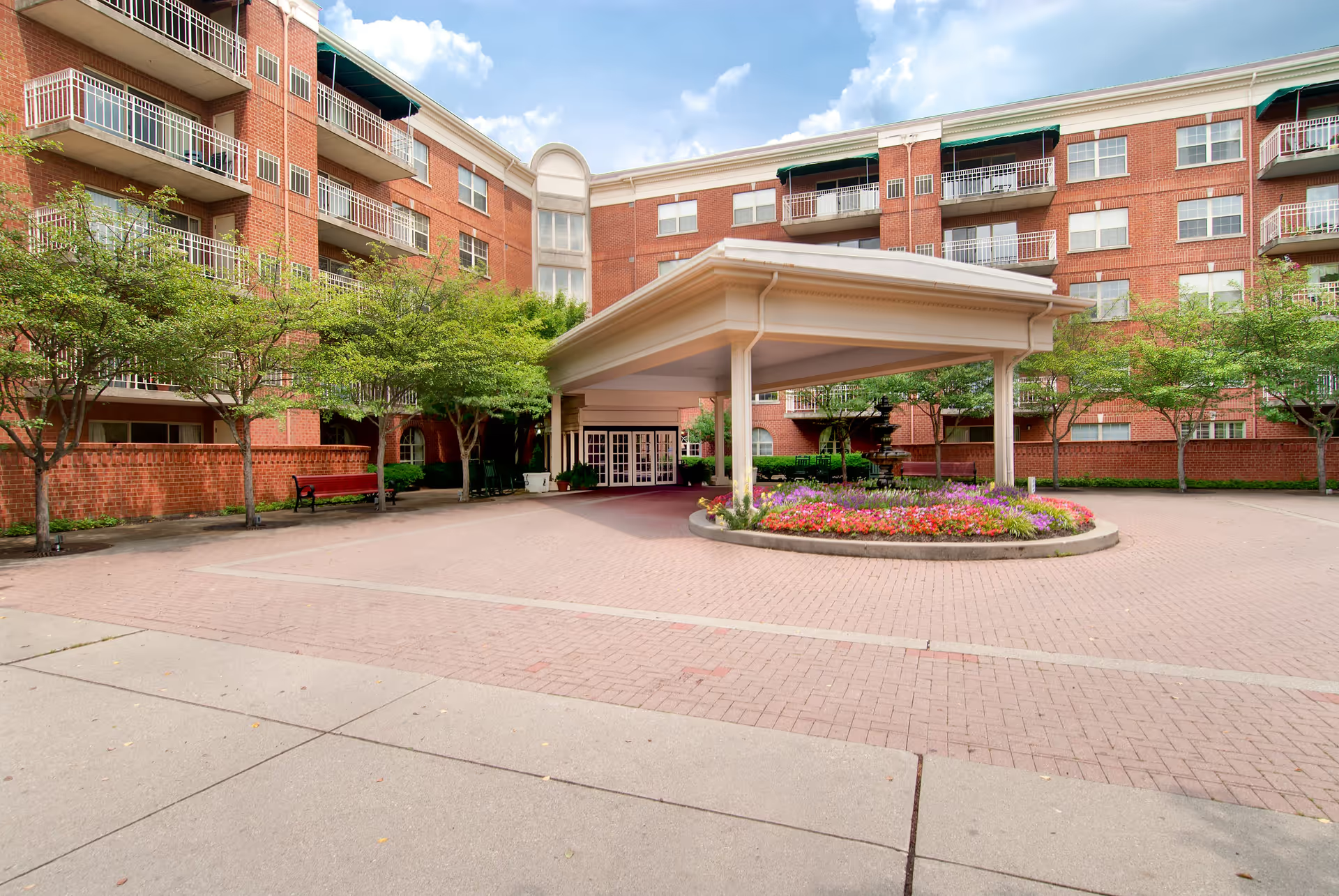
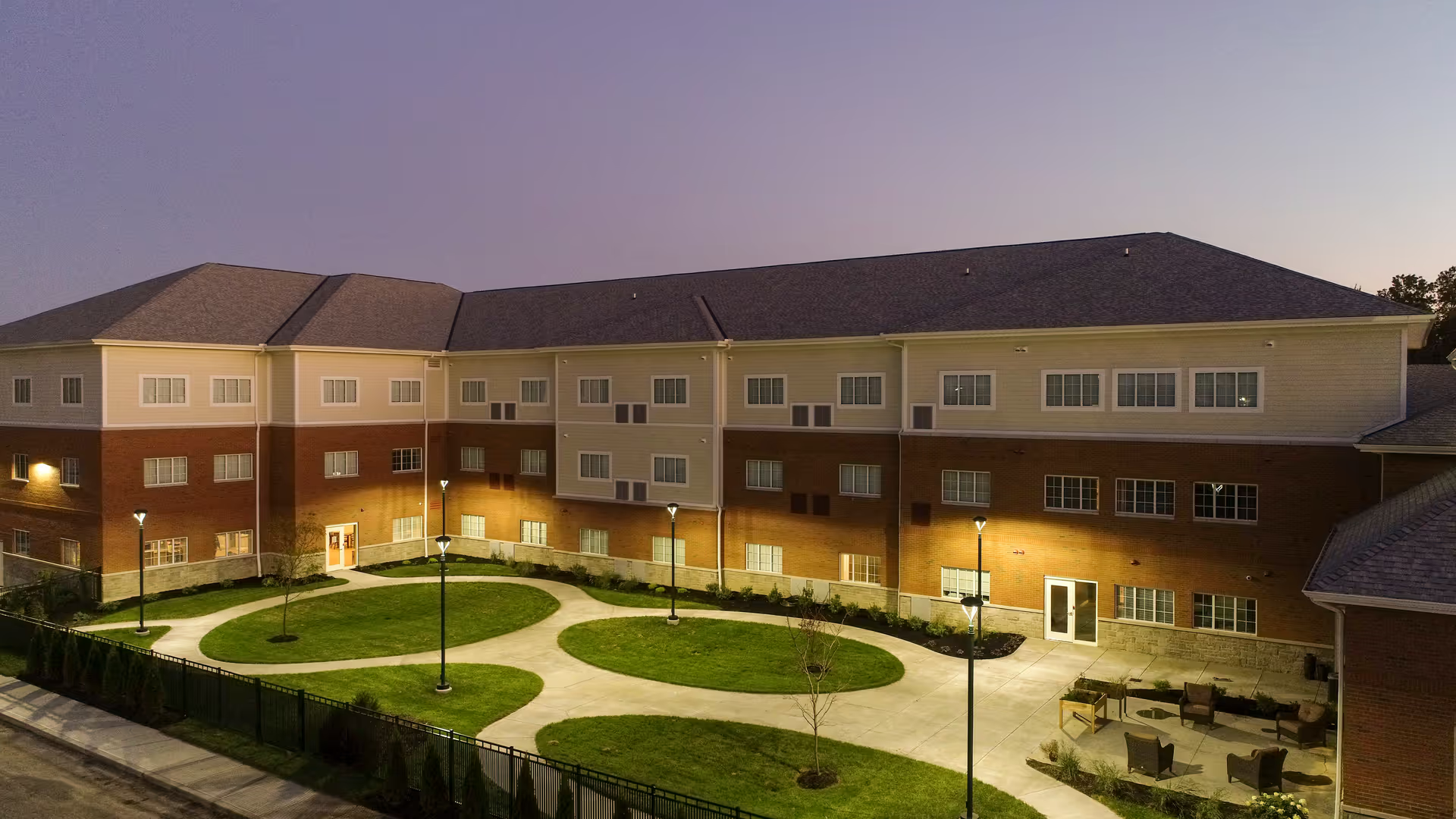
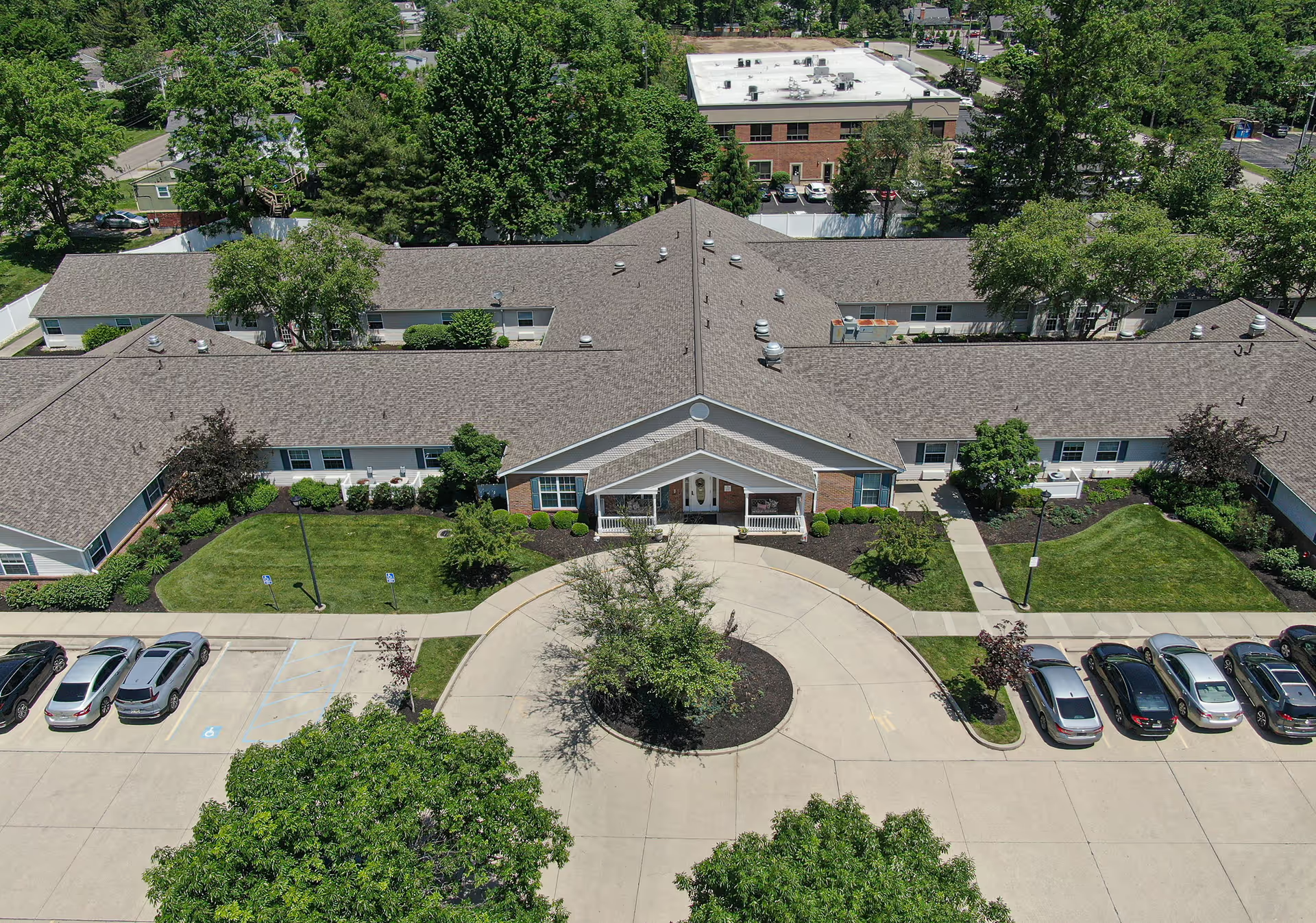
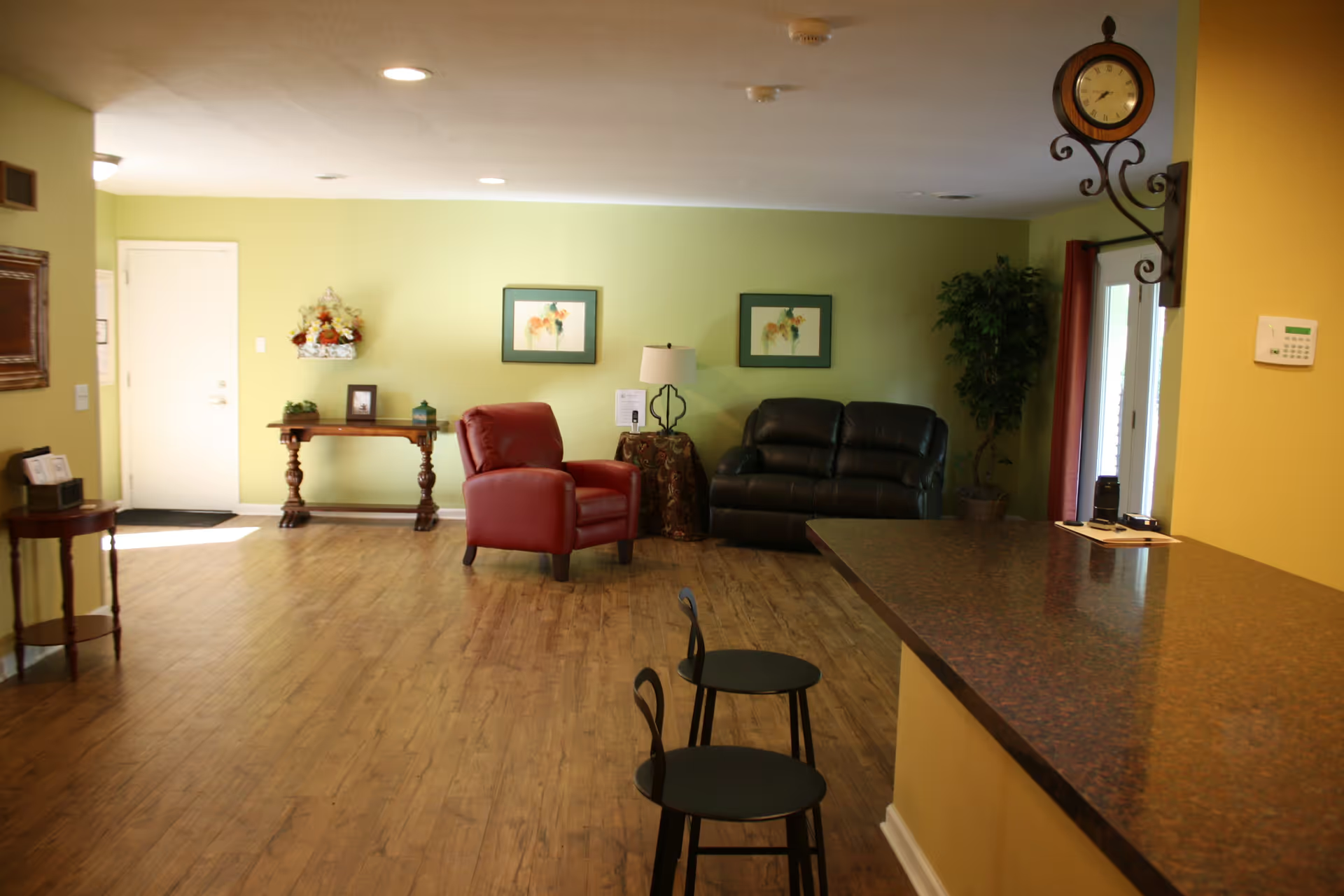
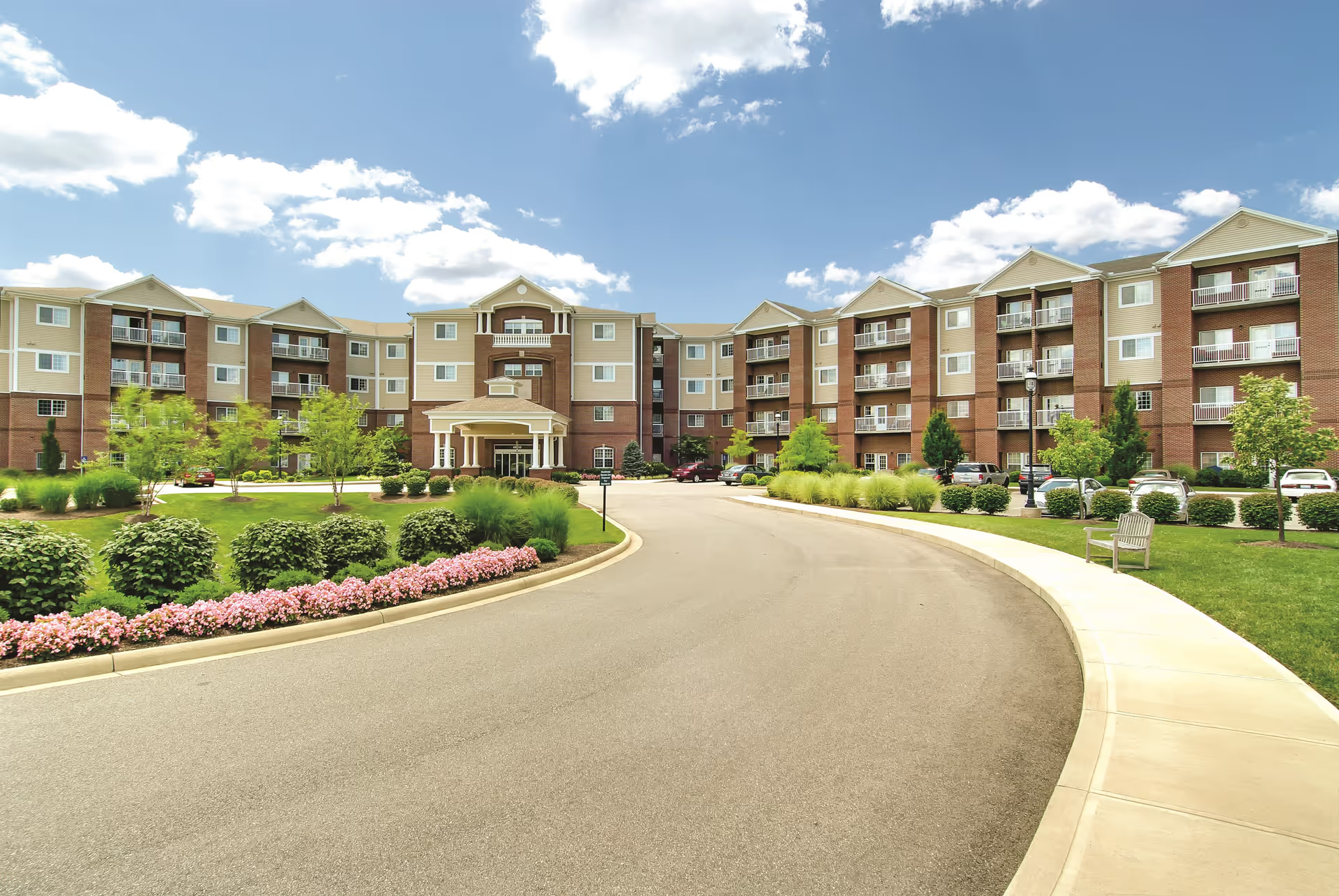
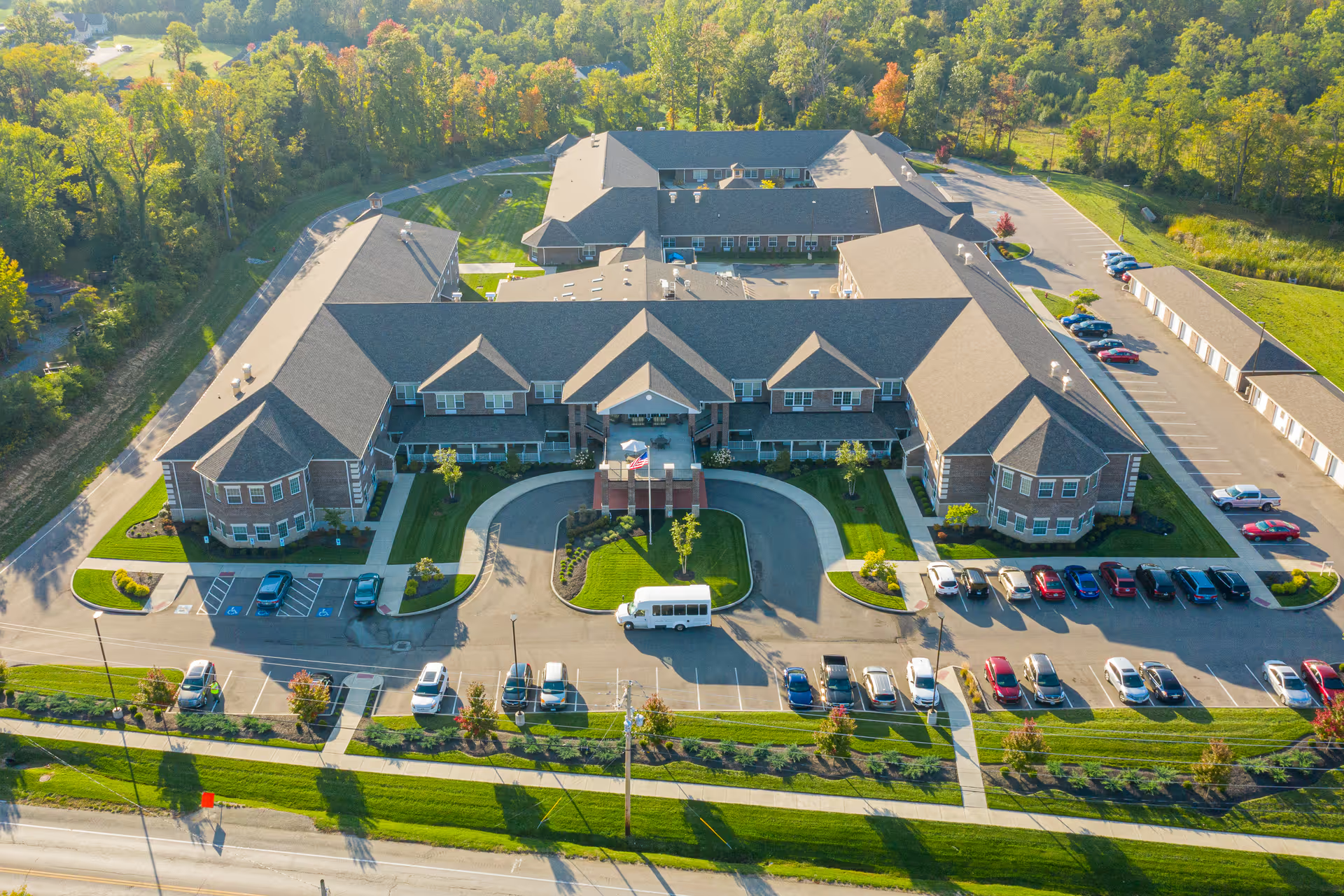
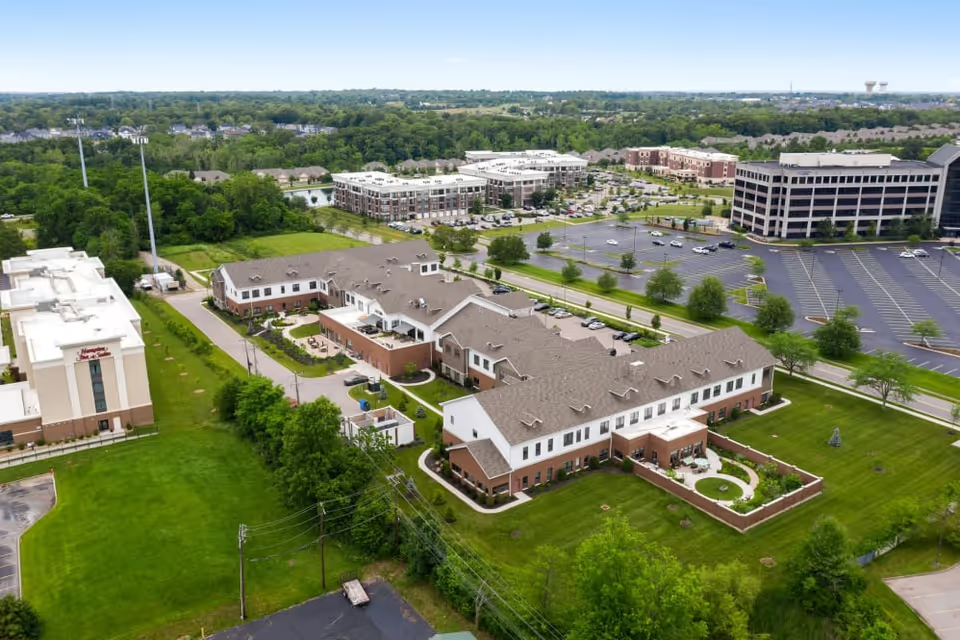
Facility condition and operations are mixed. Positive notes include attractive common areas, outdoor landscaping, and an ongoing remodel that improves décor. Counterbalancing these are operational weaknesses tied to an older, confusing layout, cleanliness and odor concerns in some corridors and communal spaces, and pest-control issues in select units. Housekeeping and laundry service consistency varies by shift. Management and administrative practices are another frequent theme: some reviewers find leadership responsive and proactive, while others report poor communication, unresolved billing problems, and inconsistent accountability. Financial issues cited include unexpected charges, billing disputes, and isolated allegations concerning money handling and theft.
Overall pattern and guidance: experiences range from highly positive—particularly for families seeking concentrated memory-care services and warm direct-care interactions—to concerning for those who emphasize robust nursing oversight, night staffing, and strict infection-prevention controls. Prospective residents and families should consider an in-person tour focused on current staffing levels (day and night), medication-administration and wound-care protocols, recent inspection or remediation records, call-button response metrics, housekeeping/housekeeping schedules, pest-control measures, and examples of how management resolves billing disputes. Asking for references from current residents' families and for documentation of recent corrective actions can help clarify whether the facility’s strengths or its operational gaps are the predominant experience at the time of placement.