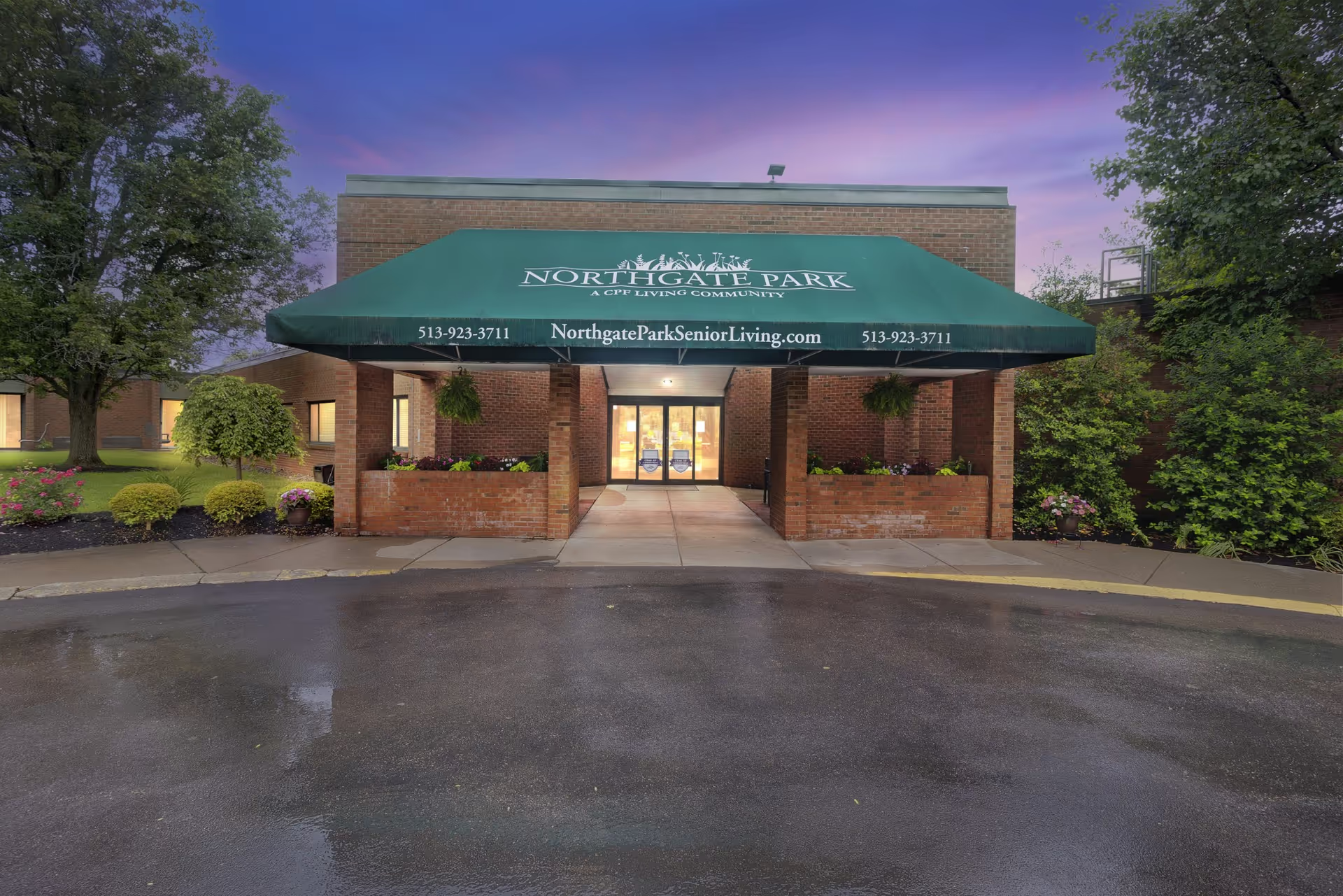
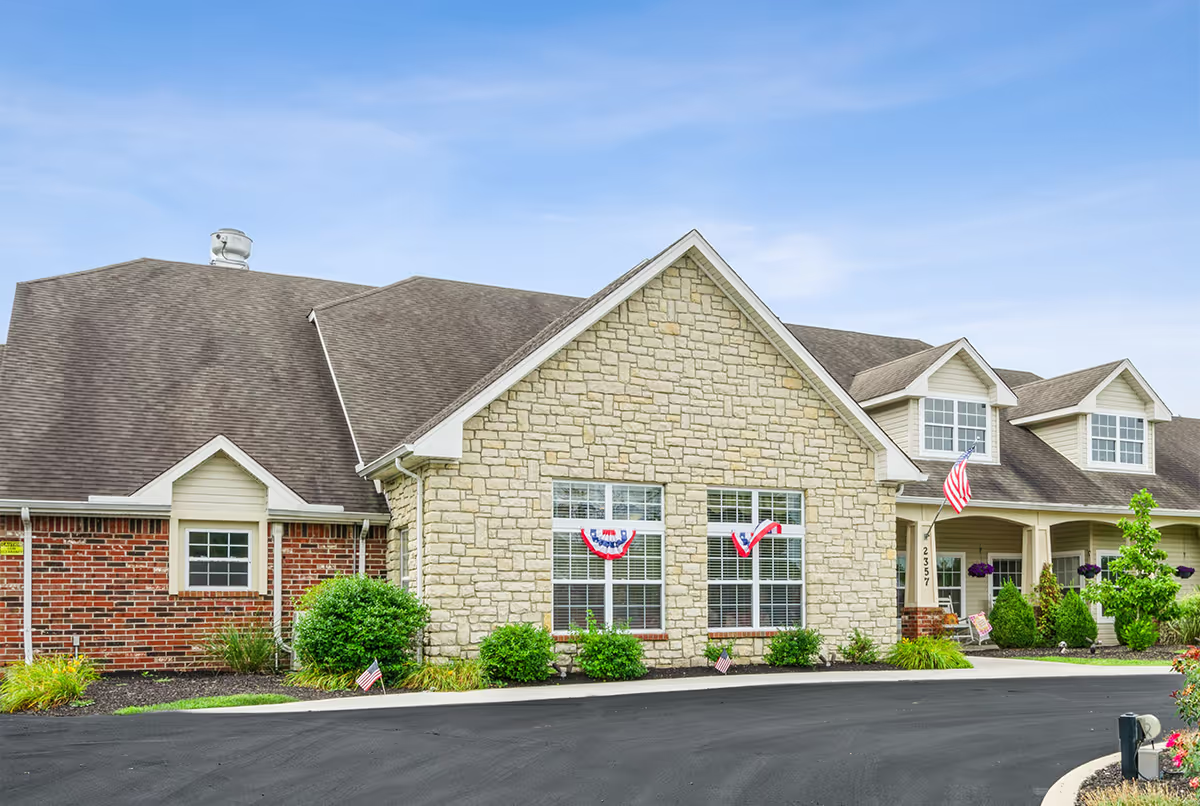
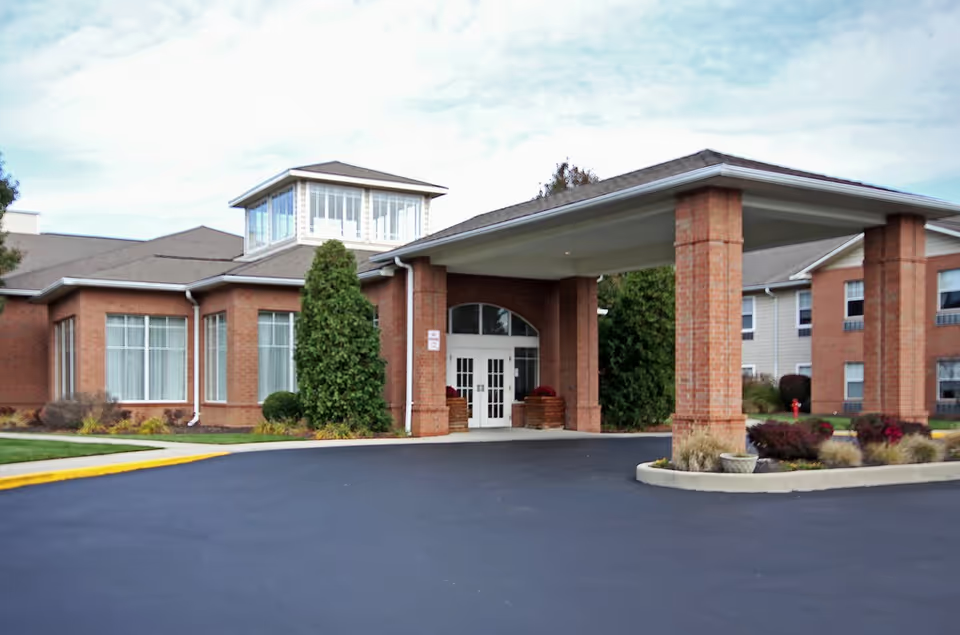
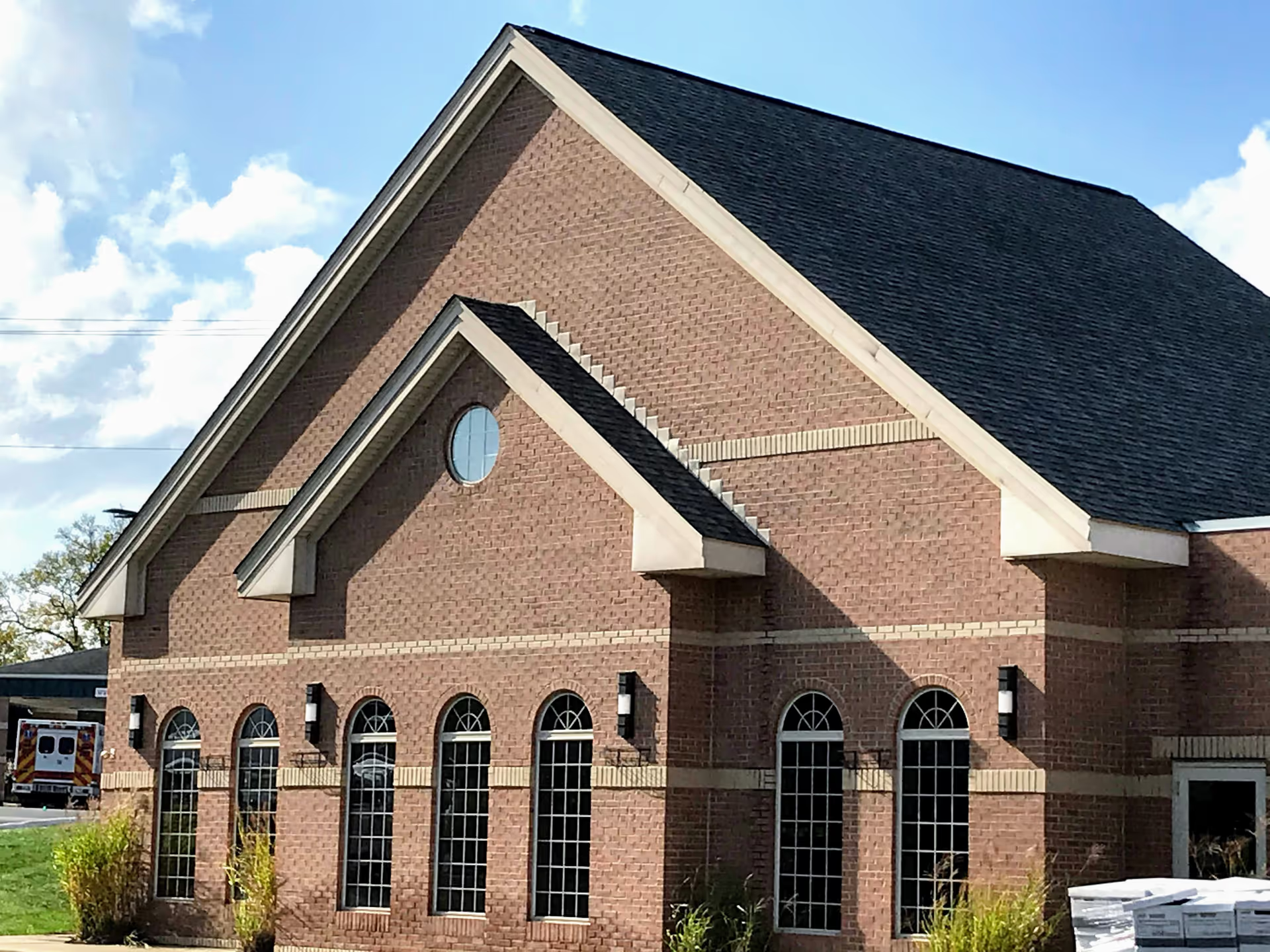
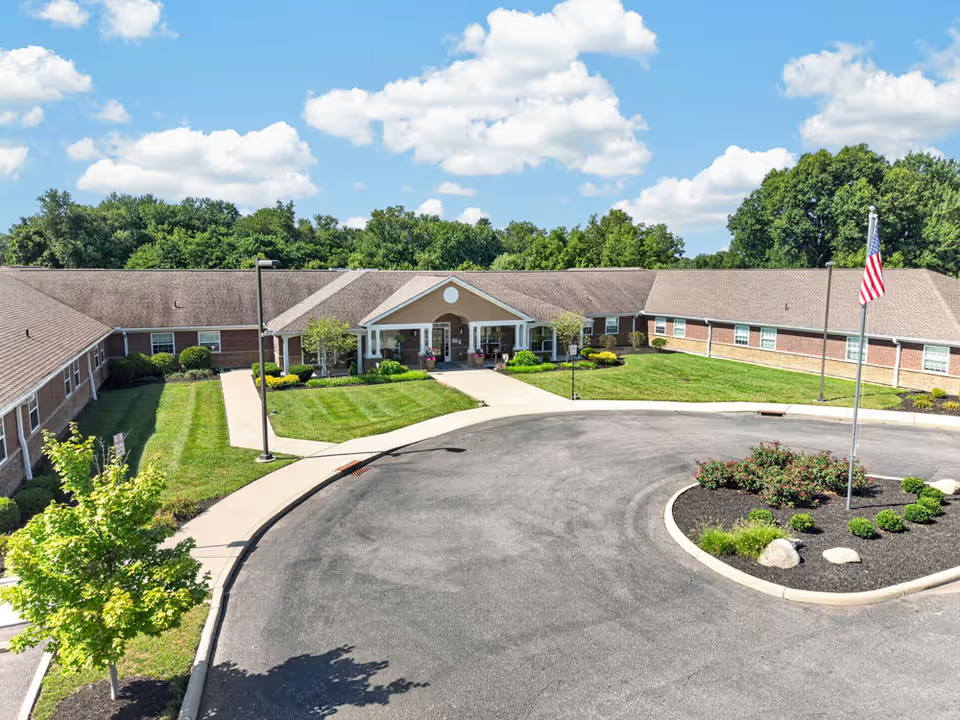
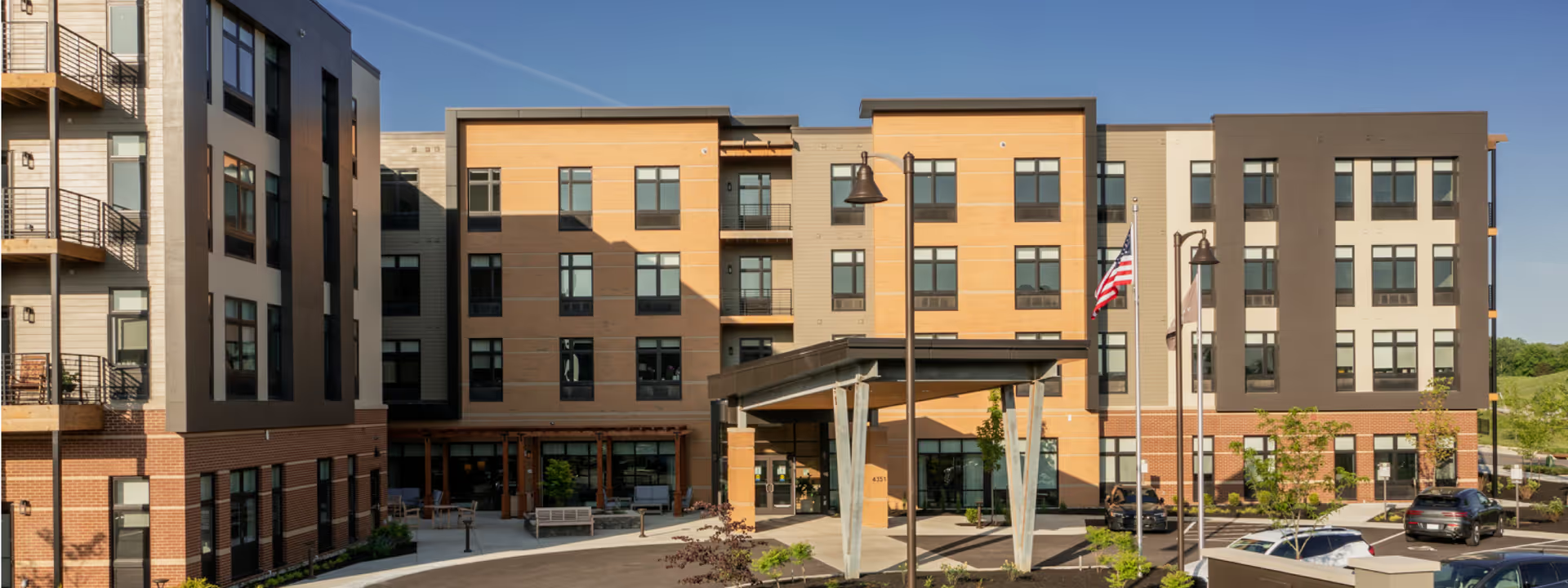
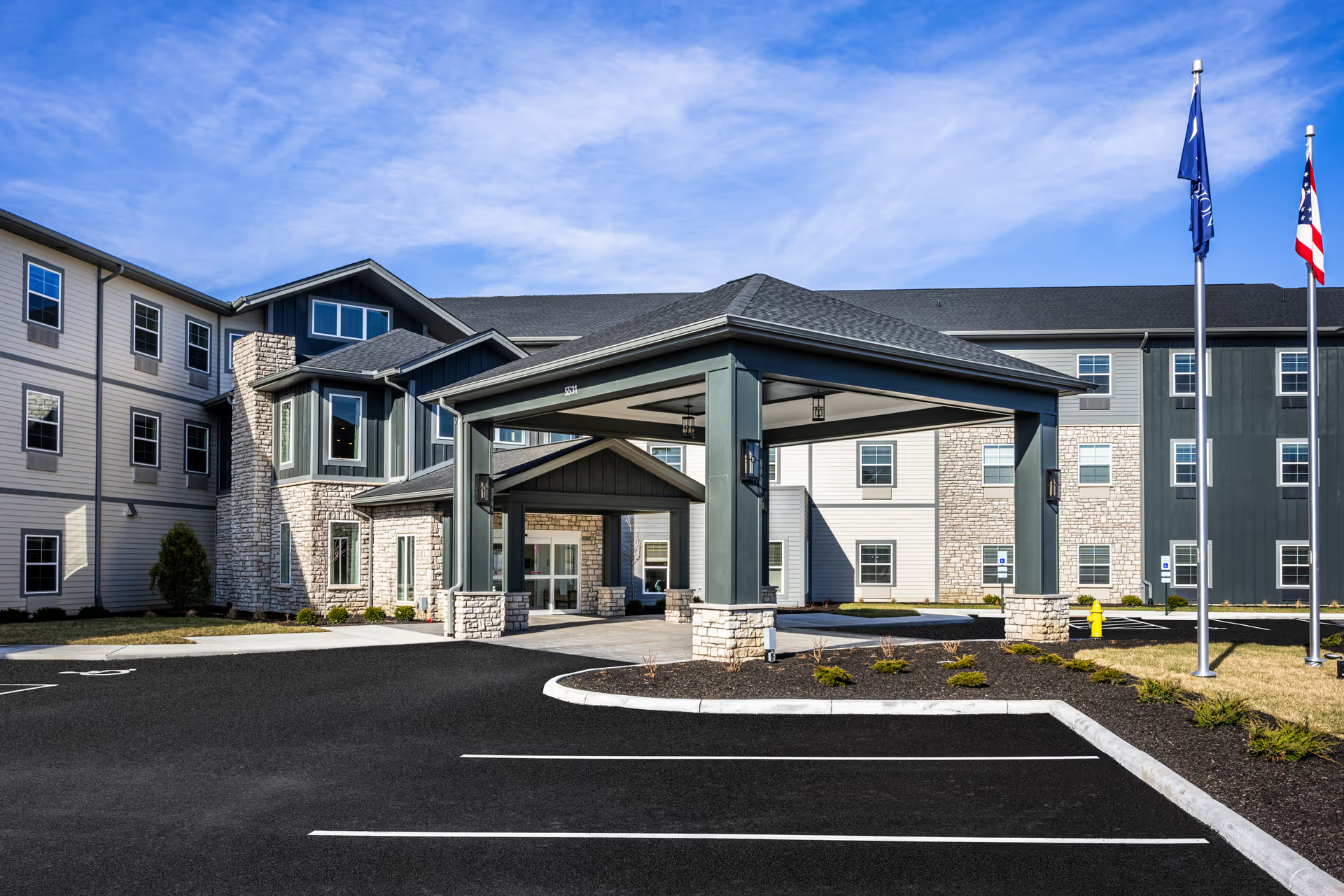
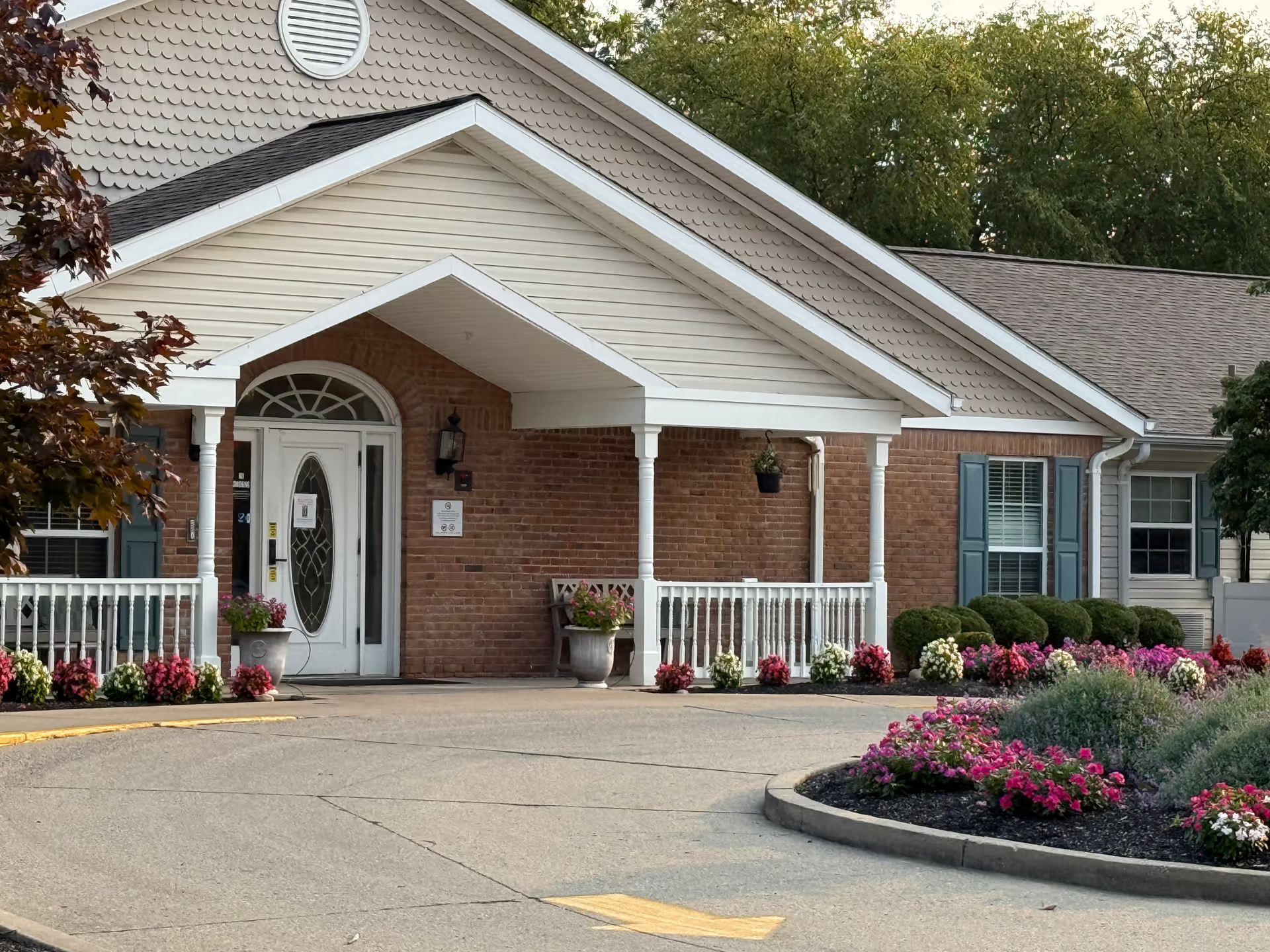
The Christian Village at Mt. Healthy is described overall as a well-kept, campus-style senior community with strong visual appeal and many on-site amenities. Reviewers commonly highlight the park-like grounds, garden views, gazebo and walking paths, and several note the interior is consistently clean and pleasantly scented. The facility offers a range of living options (studios and assisted-living apartments), updated bathroom finishes in some units, on-site laundry, a beauty salon, gift shop, chapel, and an active life-enrichment program that includes crafts, bingo, movie nights, manicures, outings and outdoor grill events.
Staffing and direct care receive mixed but frequently positive comments: numerous accounts emphasize compassionate, friendly, and knowledgeable caregivers who call residents by name and create a homelike atmosphere. The memory-care unit is noted to have 24/7 nursing coverage and a structured activity schedule. Rehabilitation and therapy services on-site are appreciated by families using recovery and transitional services. At the same time, a pattern of operational concerns appears across reviews: inconsistent staffing levels (particularly in assisted living and during nights), variability in responsiveness to call buttons and assistance requests, and occasional gaps in clinical supervision and follow-up. These operational weaknesses manifest as delays in attending to resident needs, uneven rehabilitation outcomes, and reports of promised maintenance or care follow-up not always being completed in a timely manner.
Dining and programming offer strengths and limitations. Many families praised appealing meals and a variety of activities, social opportunities, and spiritual programming via the chapel. Some reviewers, however, cited limited meal variety (menu repetition, heavy reliance on certain entrees) and service restrictions during infection-control events. The life-enrichment schedule and field trips are described as robust, and residents who participate tend to report a strong sense of community and engagement.
Management and admissions practices show variability in experience. Several families recount helpful, accommodating admissions staff and smooth move-ins; others describe poor communication, missed appointments, and inconsistent eligibility or placement determinations. A small number of reviews raise questions about equity in admission decisions and allege issues around regulatory transparency; these are isolated but noteworthy for prospective families to explore directly with leadership. Overall, reviewers portray an organization capable of providing a safe, comfortable, and attractive setting with many caring staff, while also exhibiting operational and management inconsistencies that can affect clinical responsiveness and the admission experience.
For prospective residents and families: the facility’s physical environment, activities, and some aspects of clinical coverage are clear strengths. Important due diligence items include asking for current staffing ratios (day and night), confirmation of emergency call response procedures, clarification of admission criteria and financial policies, inspection of unit sizes and availability of two-bedroom options, and a discussion of meal planning and individualized care approaches. Scheduling an extended visit during normal operational hours and speaking with nursing leadership about clinical oversight and incident follow-up will help assess whether the facility’s operational practices meet a family’s specific needs.