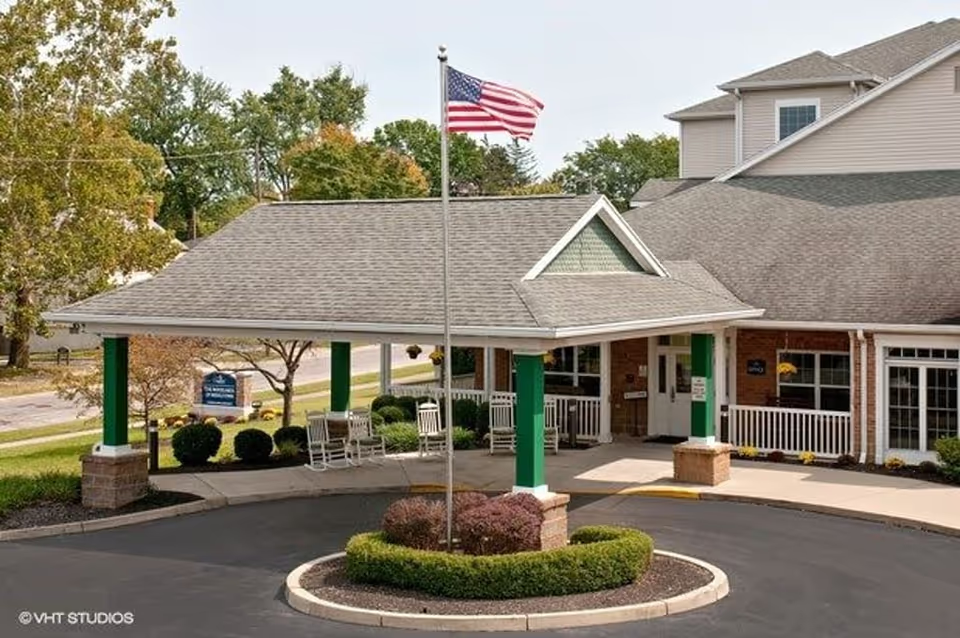
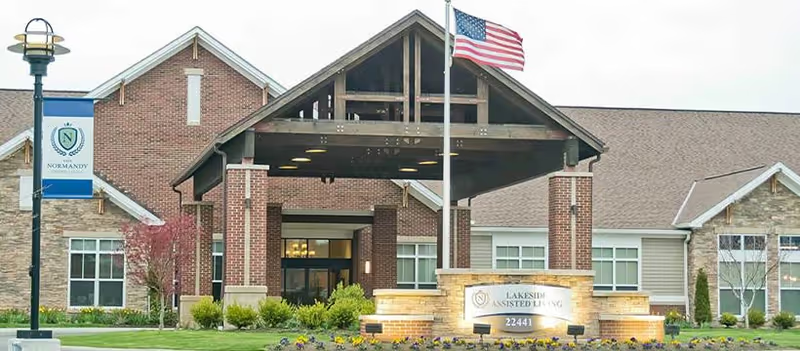
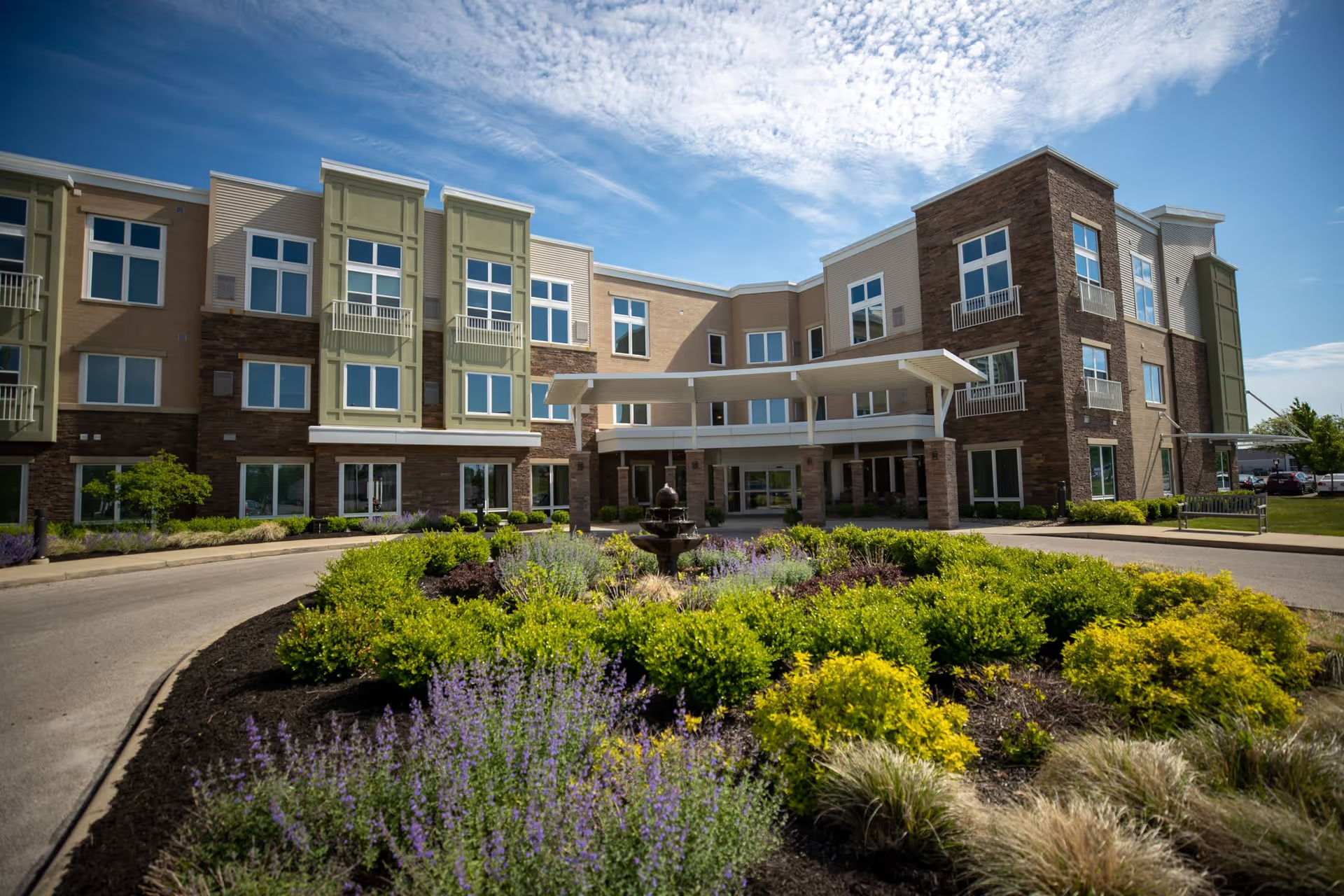
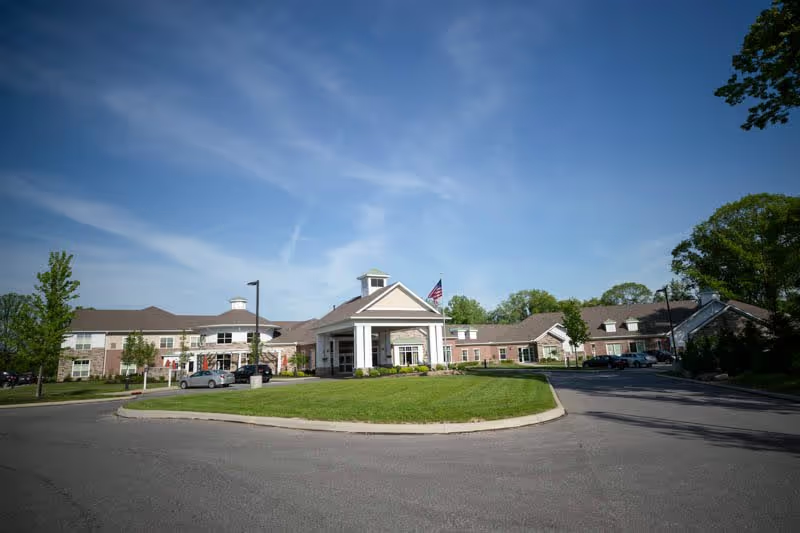
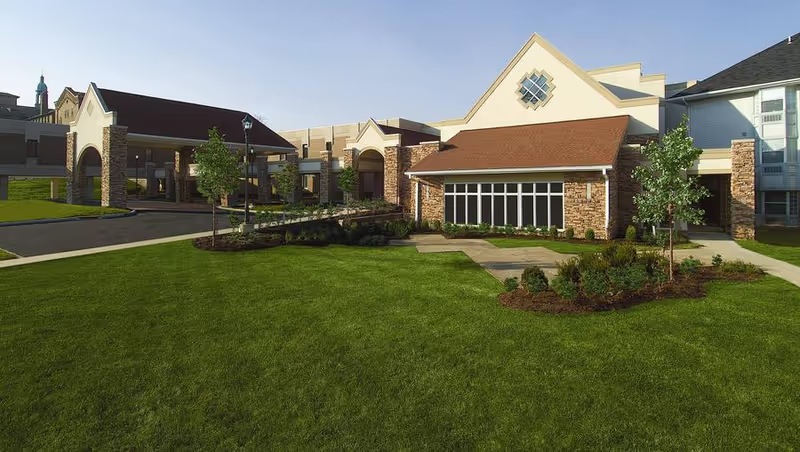
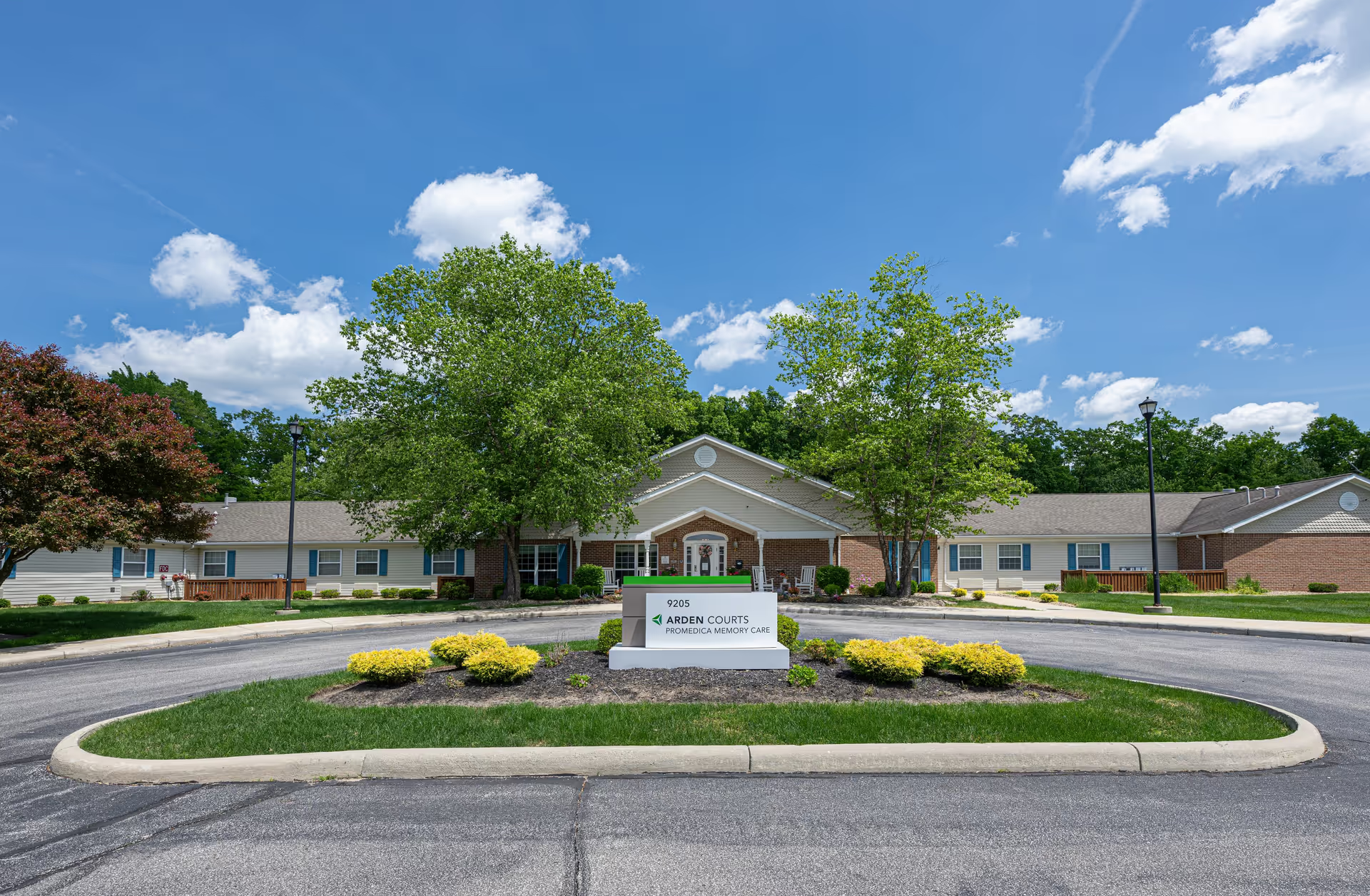
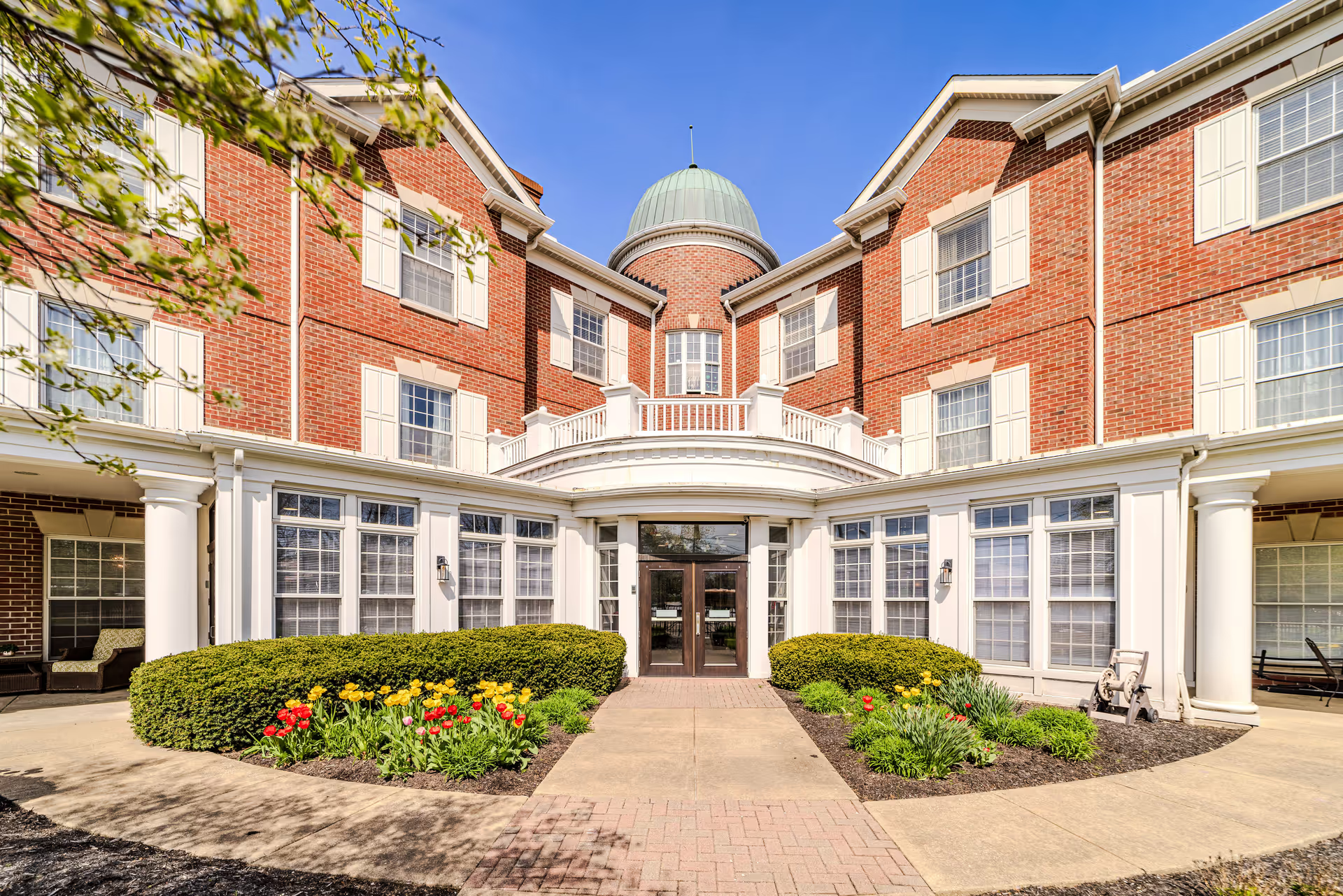
St. Augustine Health Campus presents a mixed profile. Strengths repeatedly cited include a skilled rehabilitation team (physical, occupational, and respiratory therapy), on-site medical services such as dialysis, and an active activities program with daily chapel/mass services. Many families and residents praise individual caregivers and coordinators who provide compassionate, hands-on care and effective therapy that supports recovery and independence. The campus environment is frequently described as clean and well maintained, with secure access controls, convenient transit-adjacent location, on-site barber/hairdresser services, and multiple dining rooms and kitchens that support resident choice.
Care quality shows a clear dichotomy. On the positive side, therapy services, care coordination, and certain nursing staff members receive strong, repeated commendations for responsiveness and effectiveness. However, there are recurring operational concerns: staffing shortages and slow response times to call buttons or assistance requests, variability in the conduct and competence of some direct-care aides (notably overnight), and instances that families experienced as lapses in basic hygiene and linen-change routines. These patterns suggest that resident experience can vary substantially depending on shift and assigned staff.
Clinical oversight and medication management emerge as a notable area of risk in the reviews. Several accounts describe delayed medication administration, dosing issues, and concerns about pain-management responsiveness; a few situations escalated to hospital transfers and regulatory complaints. Prospective families should be attentive to the facility’s medication protocols, handoff procedures, and escalation pathways for clinical changes.
Dining and environmental services are another mixed area. The facility’s dining infrastructure (multiple dining rooms, on-site kitchens, cafeteria) and menu variety are often seen as strengths, but reviewers also flagged inconsistent meal quality and occasional problems with food freshness or incorrect diets. Environmental sanitation is otherwise generally described as good, yet isolated odor and sanitation-control issues in common areas were reported and in at least one case were addressed by management.
Communication and management practices show variability. Admissions staff and some social-work personnel are praised for helpfulness and Medicare/care-plan assistance, while other families describe poor follow-up, difficulty scheduling appointments, and inconsistent communication from administrative or social-work staff. There are also mentions of personal-property controls that appear inconsistent, with at least one allegation of missing belongings; families may wish to verify inventory and documentation processes on move-in.
Overall, St. Augustine Health Campus offers robust therapy services, secure grounds, and many compassionate individual caregivers, making it a viable option for residents needing rehabilitation and routine skilled care. However, the facility shows operational inconsistencies — particularly around staffing levels, overnight aide performance, medication management, and some aspects of environmental control and dining quality. Prospective residents and families should assess current staffing patterns, request details on medication and hygiene protocols, tour dining services, and clarify property-inventory and family-communication procedures to ensure the campus can meet specific clinical and supervision needs.