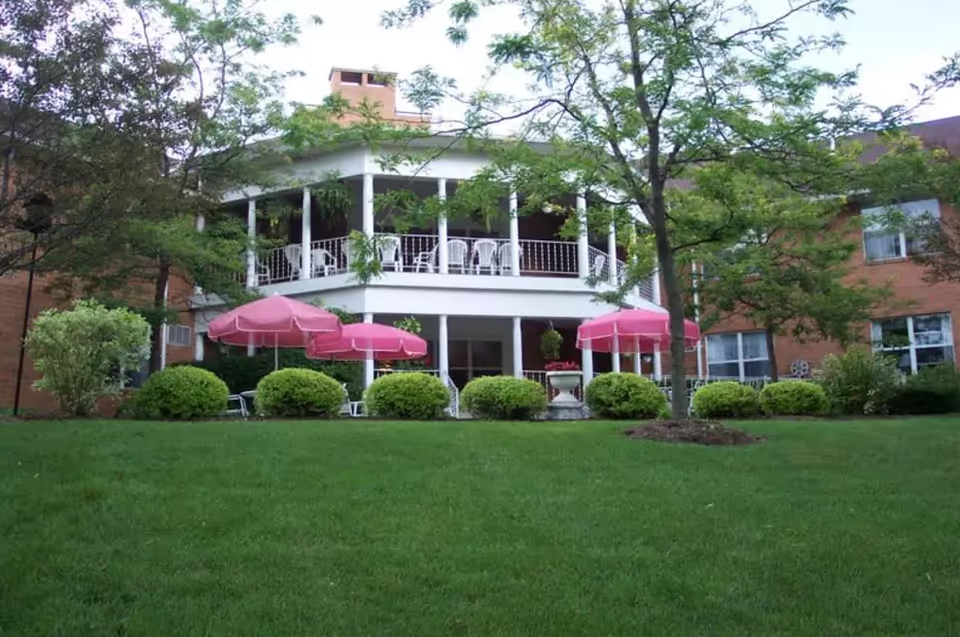
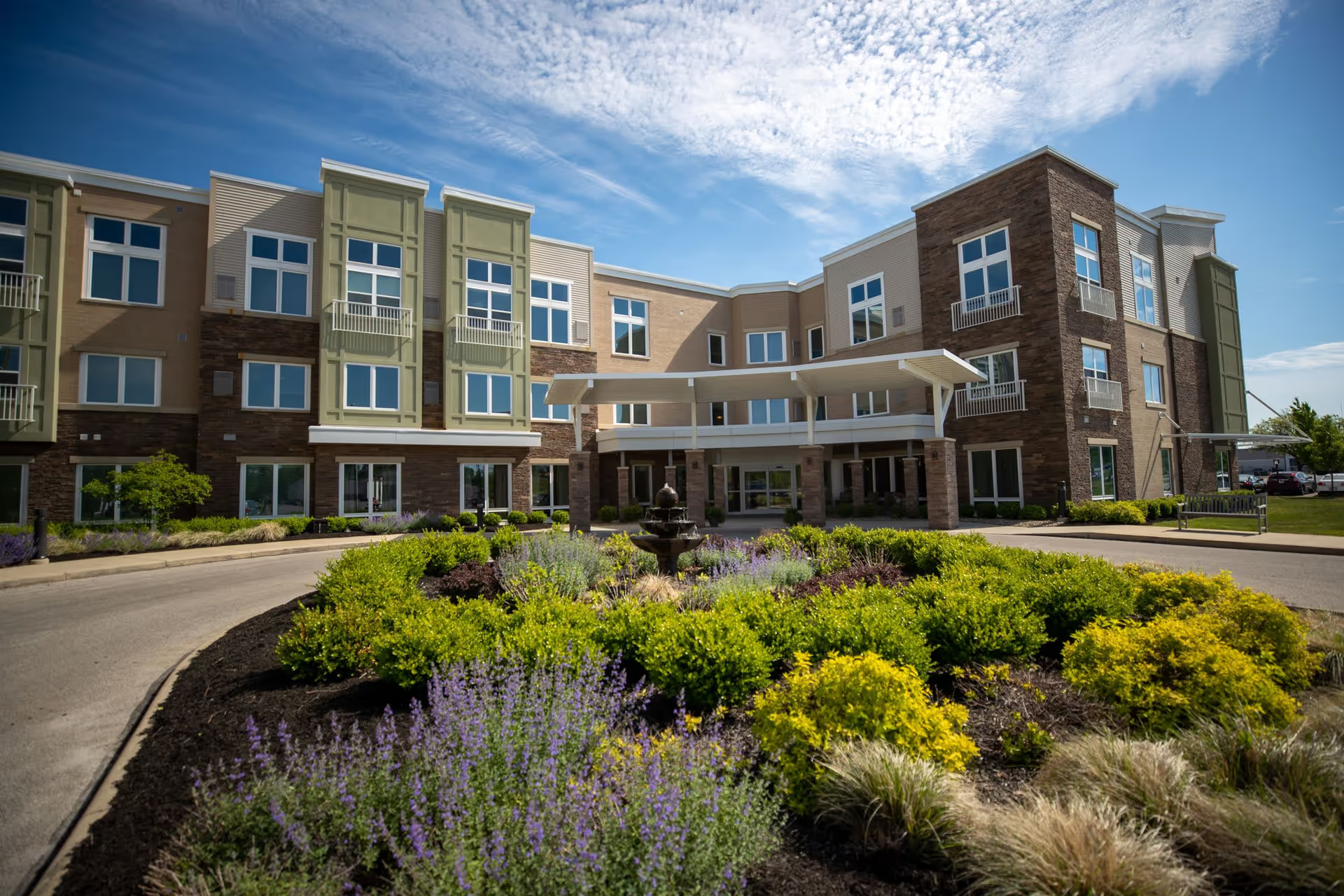
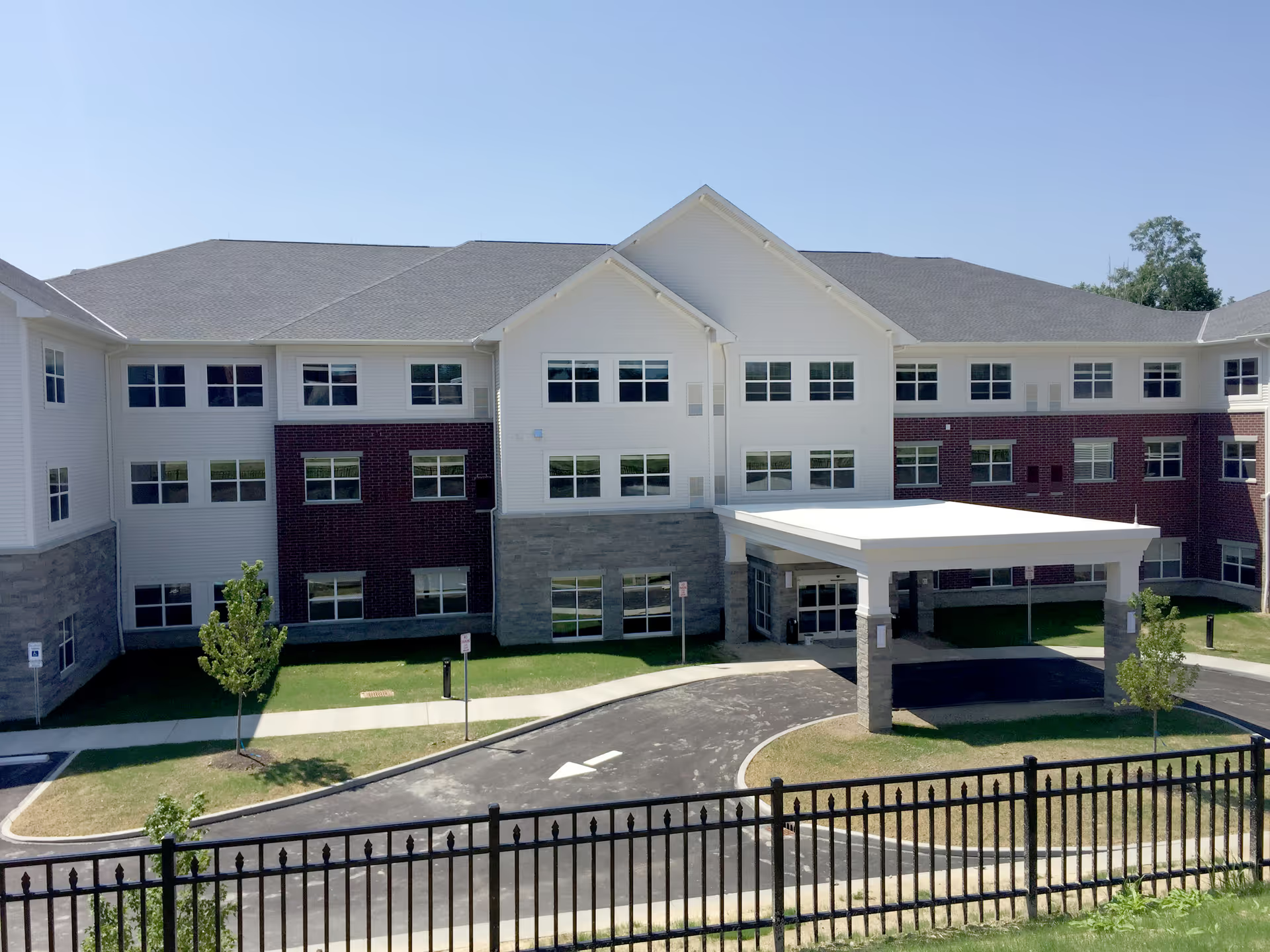
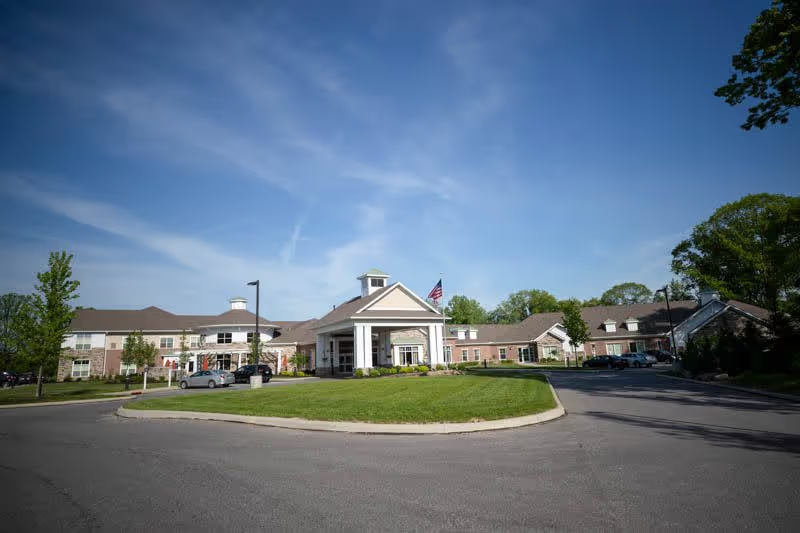
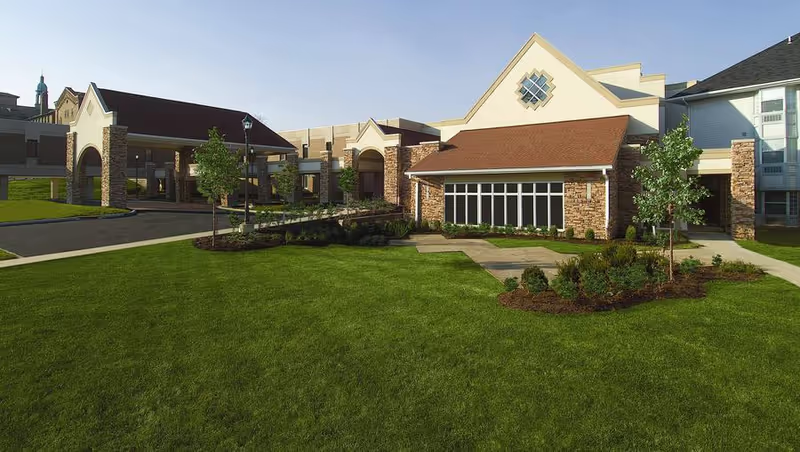
Overall impression: Sunrise at Parma is consistently described as a well‑kept, home‑style assisted‑living community with a strong emphasis on social engagement and resident comfort. The facility’s appearance, indoor common spaces, and outdoor gardens are frequently praised; reviewers highlight skylights, woodwork, multiple living‑room–style gathering areas, and a generally tidy presentation. Apartment options include one‑ and two‑bedroom suites, many with kitchenettes and private bathrooms, which supports a degree of independence for residents.
Care and staff: Care quality is generally viewed positively. Many families and residents characterize staff as warm, caring, and professional, and there are multiple references to staff who know residents by name and are engaged in activities. On‑site therapies, including physical therapy and rehabilitation, receive favorable mention. That said, reviewers also describe variability in staffing continuity and attentiveness; staffing turnover and occasional delays in response or inattentive aides were raised as operational concerns, so prospective families should clarify staffing ratios and turnover during a tour.
Dining and activities: The community offers three meals a day and an active calendar. Food quality is often described as good and varied, with social dining opportunities and special items that appeal to residents. The activities program is broad and well‑used — examples include crafts, games, bingo, musical performers, exercise classes, themed social events, manicures and a beauty shop, and regular outings. Memory‑care residents have cognitive engagement programs and secured spaces with safety features; pet therapy and resident pets are also part of the social environment.
Facilities and logistics: The facility’s small, intimate scale is a recurring positive, with multiple communal rooms, patios, and a generally homelike feel. Unit features such as kitchenettes, accessible showers, and private closets are appreciated. Reviewers note, however, that some unit types are compact with limited storage, and parking/location can be a consideration because of proximity to busy roads. There is limited facility‑provided transportation for medical appointments, so families should confirm local transport options before committing.
Management and policies: Administrative responsiveness is highlighted in many comments, but there are consistent notes about billing and pricing challenges — including promotional discounts not being applied promptly and an overall perception of high cost and add‑on fees. Family communication receives mixed remarks: some families are included in care meetings and receive timely updates, while others report communication gaps or abrupt decisions in rare cases. Infection‑control or visitation policies have impacted outings and family access at times; confirm current policies for dining access and visitation expectations.
Notable patterns and guidance: Strengths center on staff warmth, an active program of social and therapeutic activities, and an attractive, small‑community environment with memory‑care options. Operational weaknesses that recur across reviews include pricing and billing transparency, inconsistent staff continuity and responsiveness, limited transportation services, and variability in family communication. Recommended premove questions include: current staffing ratios and turnover, exact pricing and what fees are included, billing/promotion application procedures, transportation options for appointments, family dining and visitation policies, and the layout/size of specific unit types. These checks will help align expectations with the facility’s generally positive social environment and service offerings.