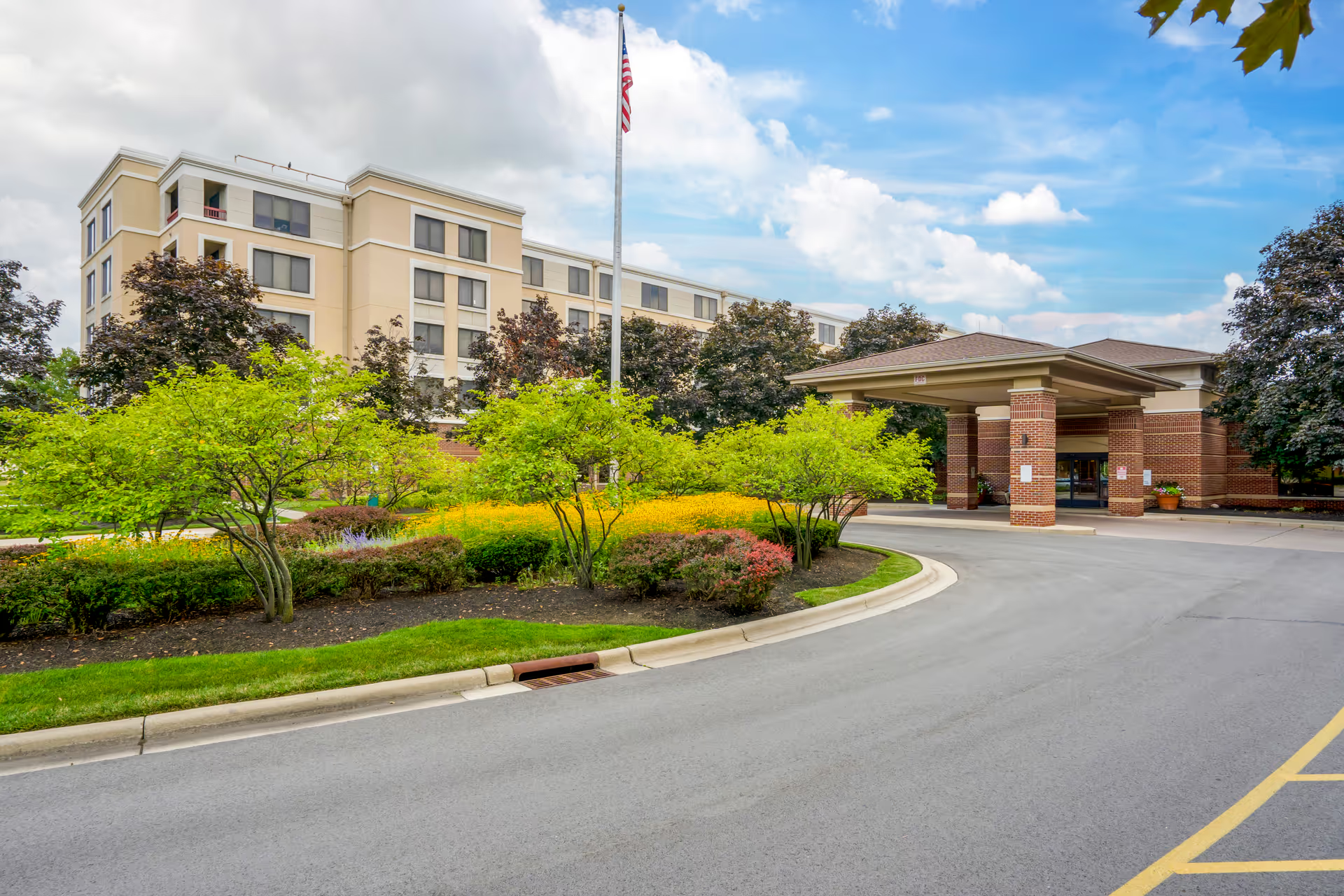
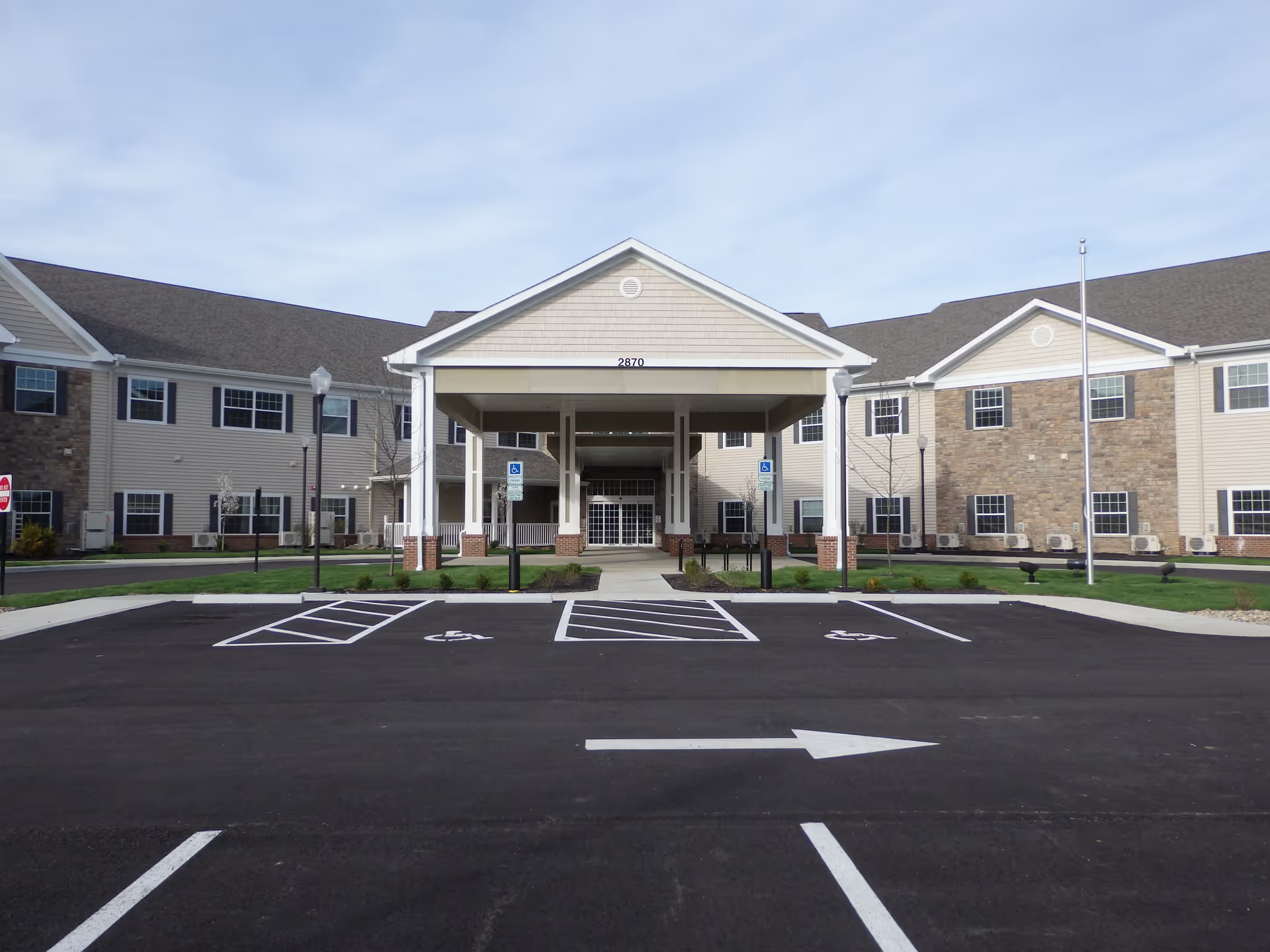
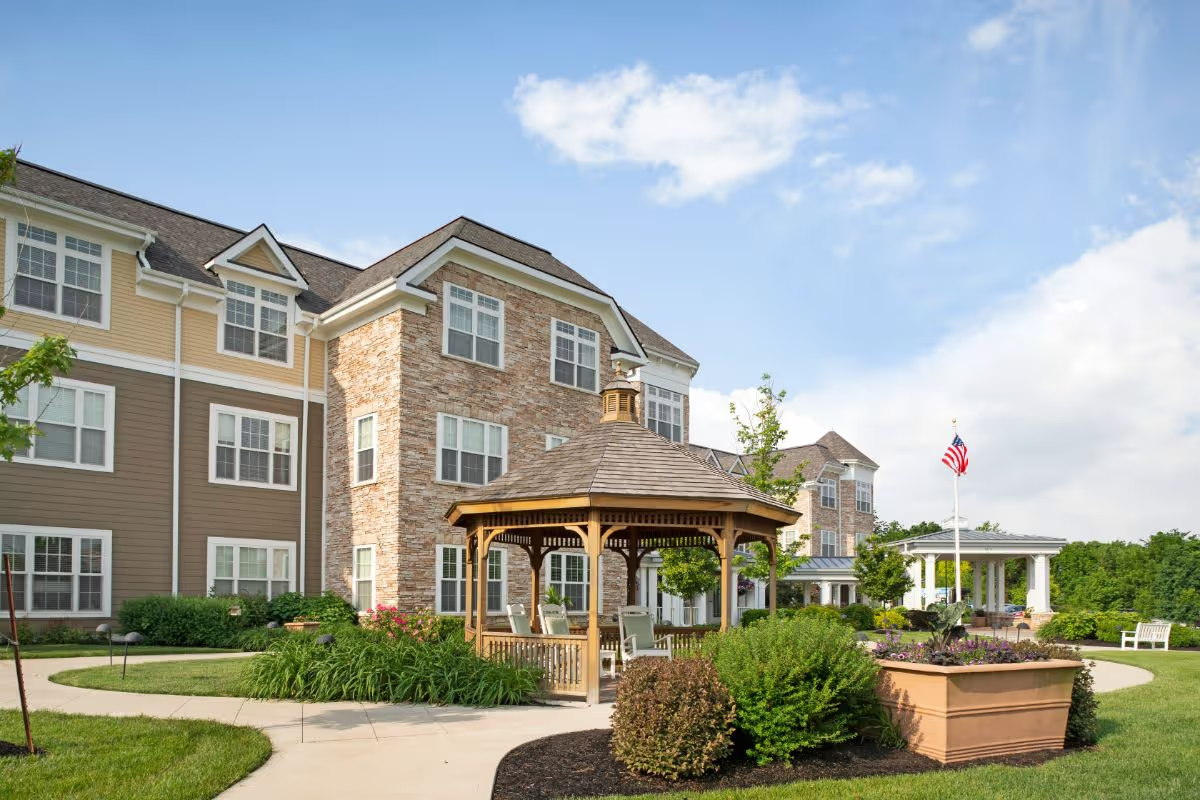
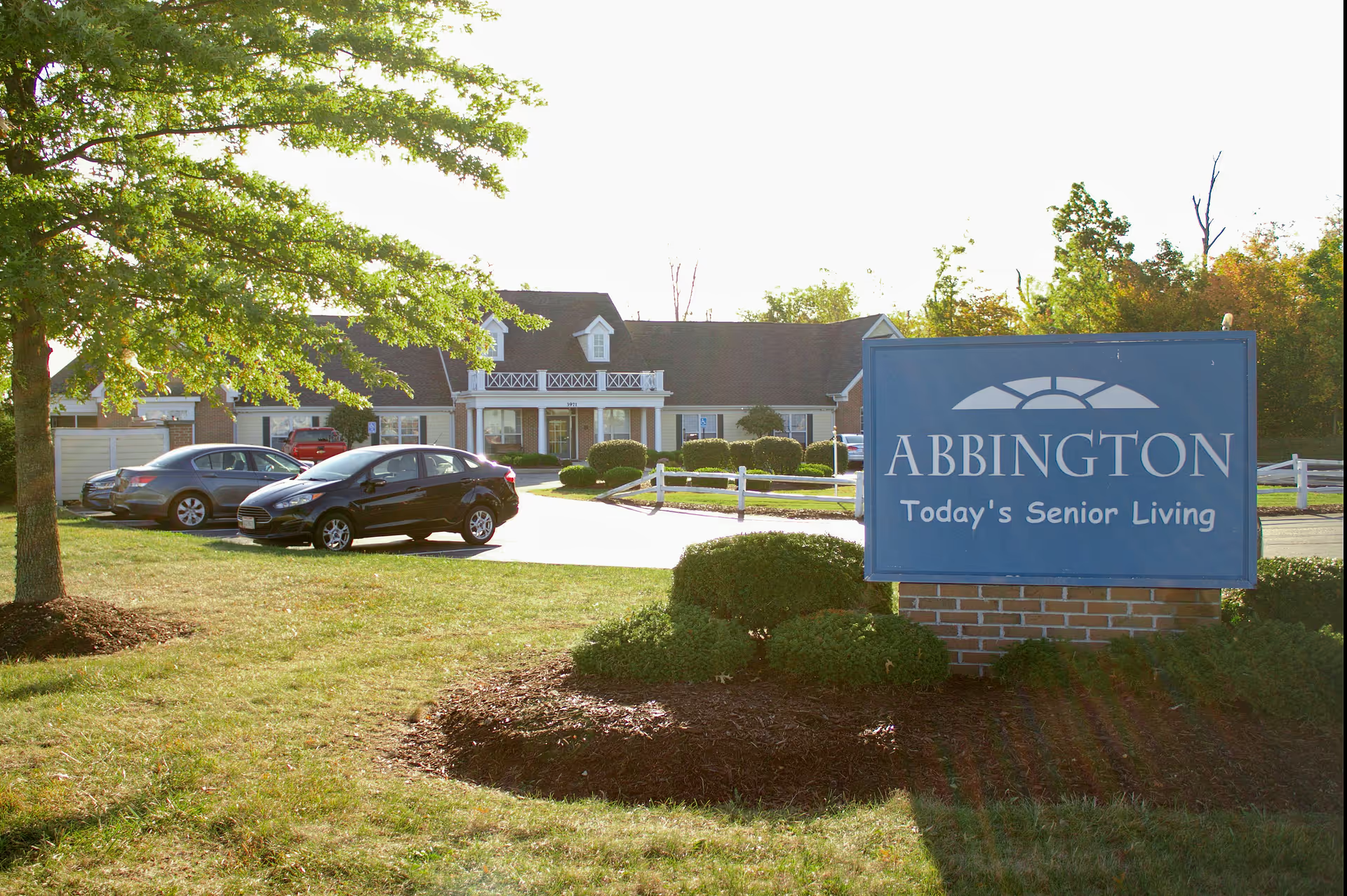
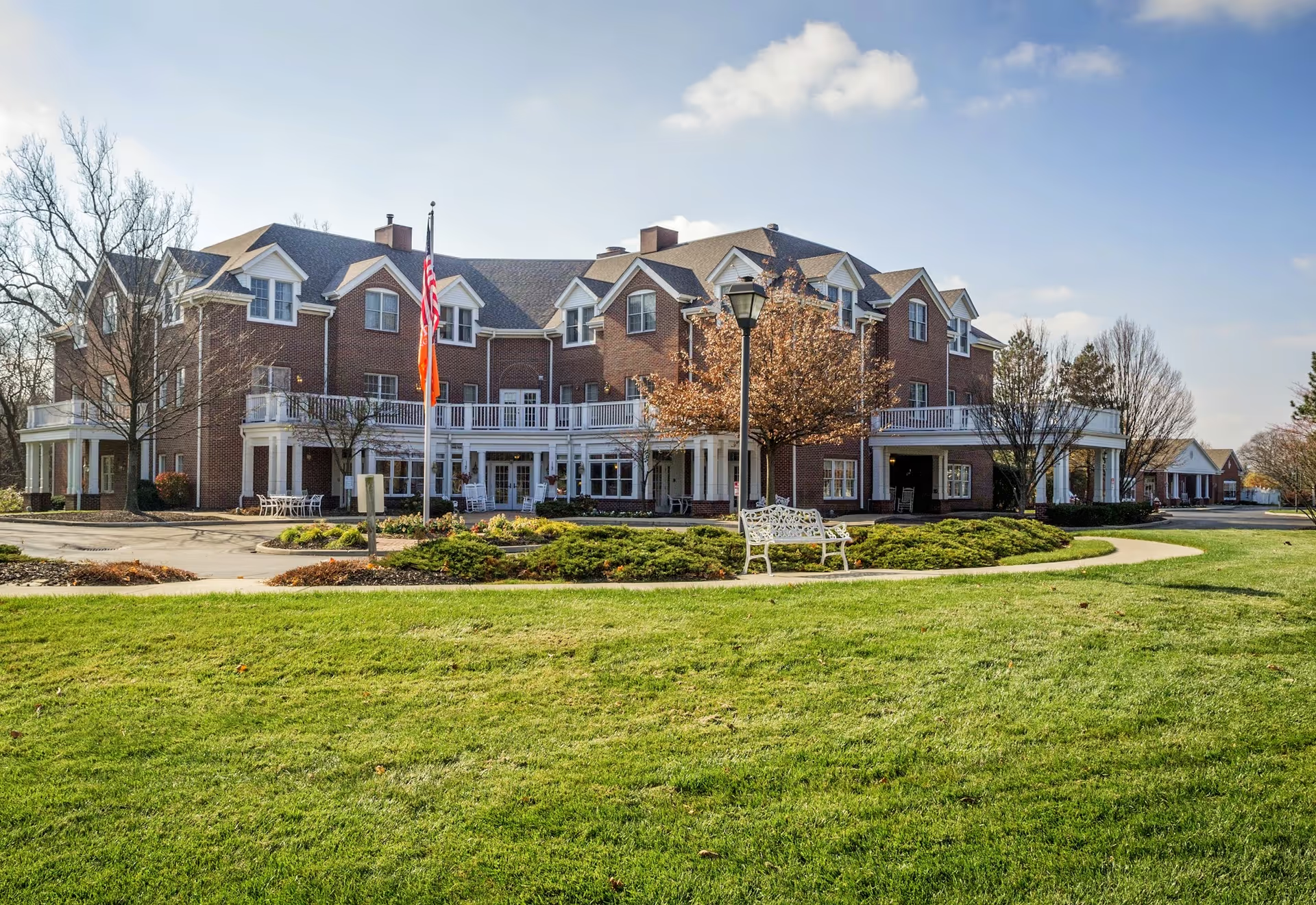
Claremont Retirement Village presents as a well-established, modest-cost senior community with clear strengths in social programming, maintenance responsiveness, and a friendly staff culture. Independent-living residents and families consistently praise the personable caregiving staff, rapid maintenance repairs, onsite therapy and rehab services, and a wide range of activities and transportation options. The community layout — single-level apartments with screened-in porches and accessible green space — supports independent living and social engagement. Dining is organized in a restaurant-style setting with a notable salad bar and regular programming; several reviewers also cited recent improvements in meal offerings.
Clinical and care experiences are mixed across levels of service. Many families describe attentive, respectful aides and effective communication from staff who provide regular updates and photo reports. Conversely, there are repeated operational concerns about assisted-living and memory-care coverage: reductions in night nursing coverage, transfers to emergency care, inconsistent personal-care and grooming schedules, and variability in dementia-specific programming. These items point to gaps in clinical oversight and scheduling reliability rather than uniformly poor care; for some residents the clinical supports meet expectations, while others experienced notable shortfalls.
Dining and activities are prominent features but show variability. Independent living appears to benefit from an active calendar (exercise classes, outings, social events, live entertainment), which contributes to residents’ social adjustment and satisfaction. However, food quality is described as inconsistent — with accounts of improvement under newer management alongside accounts of dissatisfaction — and there are operational complaints about restricted dining access or perceived extra charges for services that some families expect to be included. Prospective residents should clarify dining policies, menu accommodations for allergies, and whether certain meal venues are universally accessible.
Facility condition and housekeeping present a dual picture. The maintenance team is repeatedly commended for prompt repairs and individualized attention, while the building shell is frequently characterized as older and in need of updates. Reviewers cite constrained bathrooms and awkward doorways, occasional odor or housekeeping issues in some areas, and a few pest-control concerns. These observations suggest that while day-to-day upkeep is responsive, capital improvements and some cleaning standards are uneven across the property.
Management and administrative operations are another area of variability. Reviewers describe both periods of stable, communicative leadership and episodes of poor follow-up, billing disputes, deposit concerns, and inconsistent information from sales staff. There are isolated serious allegations regarding administrative handling of specific incidents and end-of-life transitions; these raise questions about complaint resolution and family communication during critical events. At the same time, several accounts note positive changes under newer hands-on management and improved responsiveness.
Bottom line: Claremont is often a good fit for older adults seeking an affordable, socially active independent-living environment with strong maintenance support and many onsite amenities. Families considering assisted living or memory care should conduct targeted inquiries: verify clinical staffing levels (including night coverage), dementia-programming specifics, grooming and incontinence-care routines, housekeeping/pest-control protocols, and detailed billing practices. An in-person visit that includes conversations with current residents, review of care agreements, and clarification of extra-service charges will help determine whether Claremont’s operational strengths align with a prospective resident’s clinical and lifestyle needs.