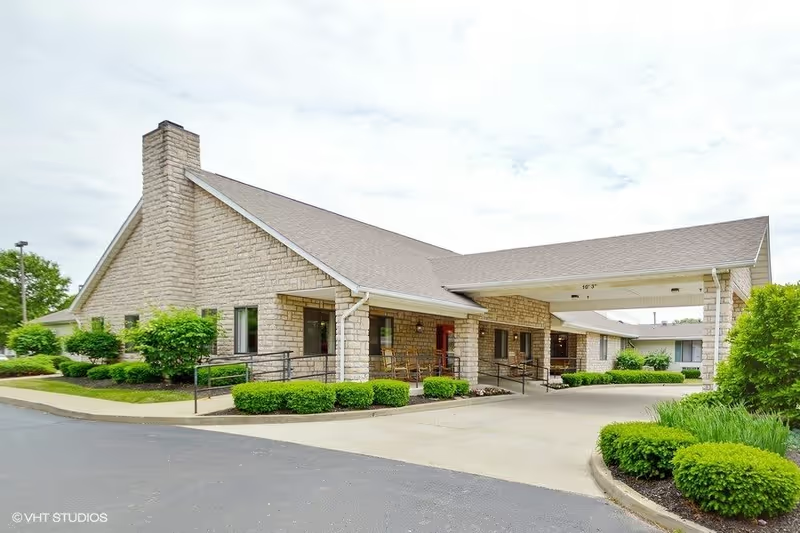
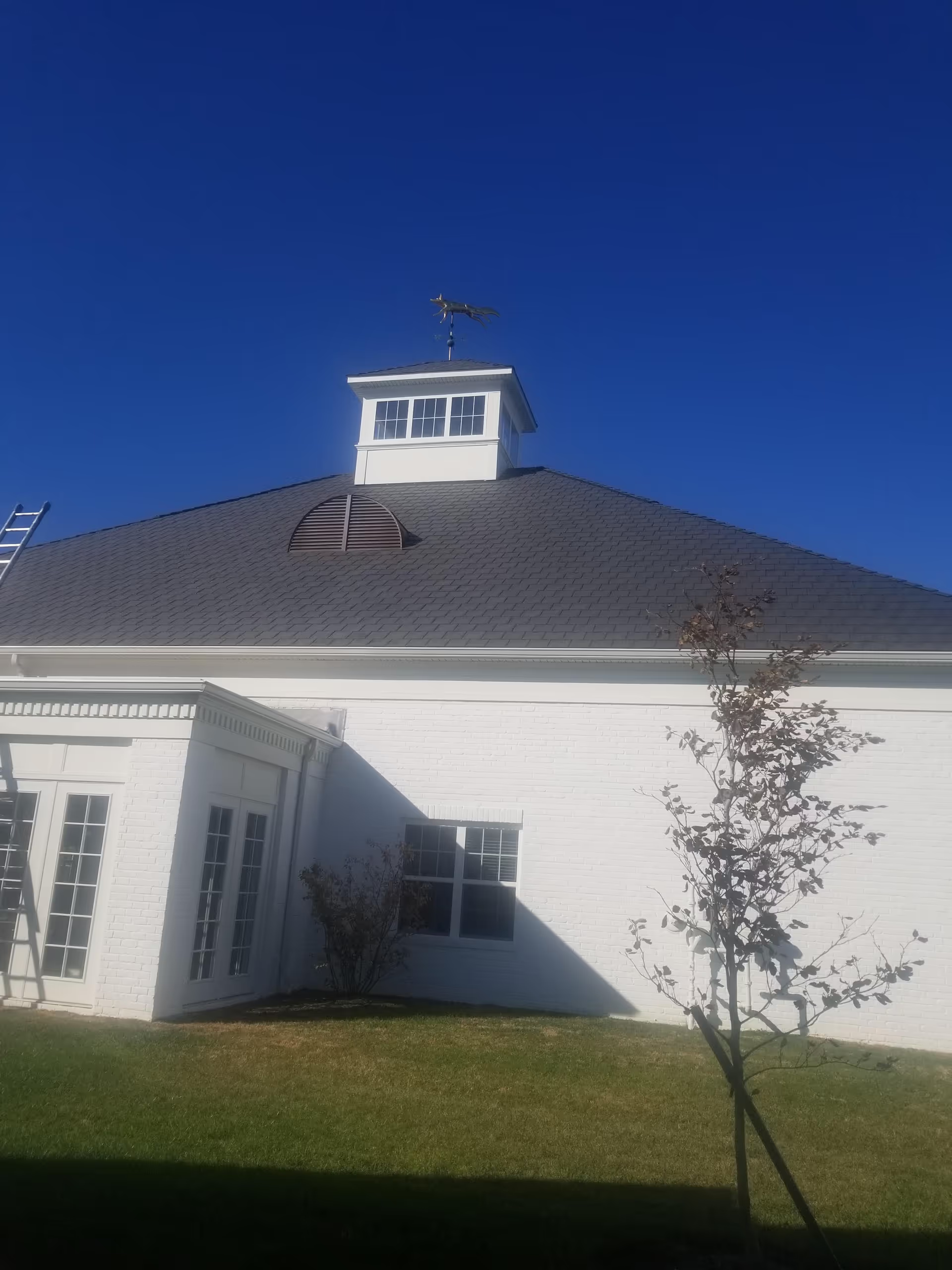
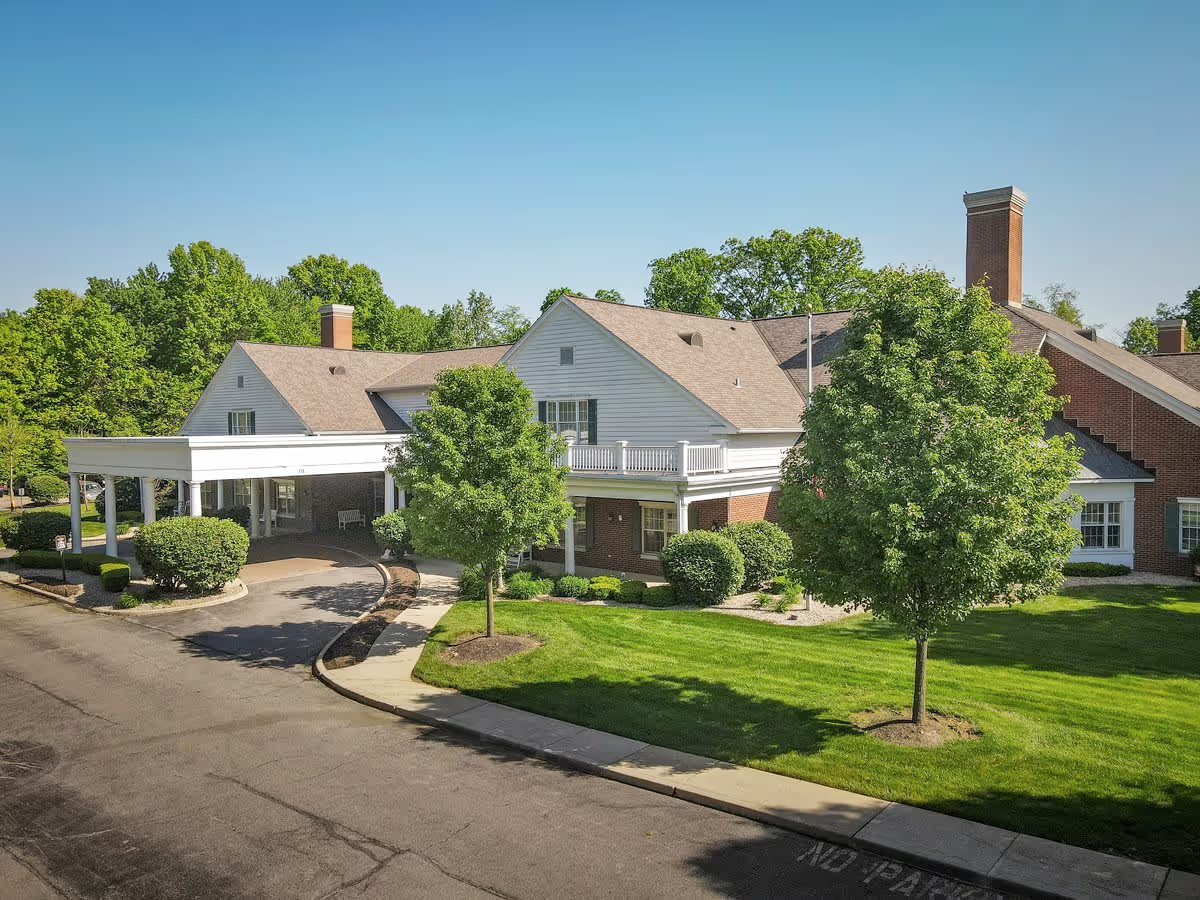
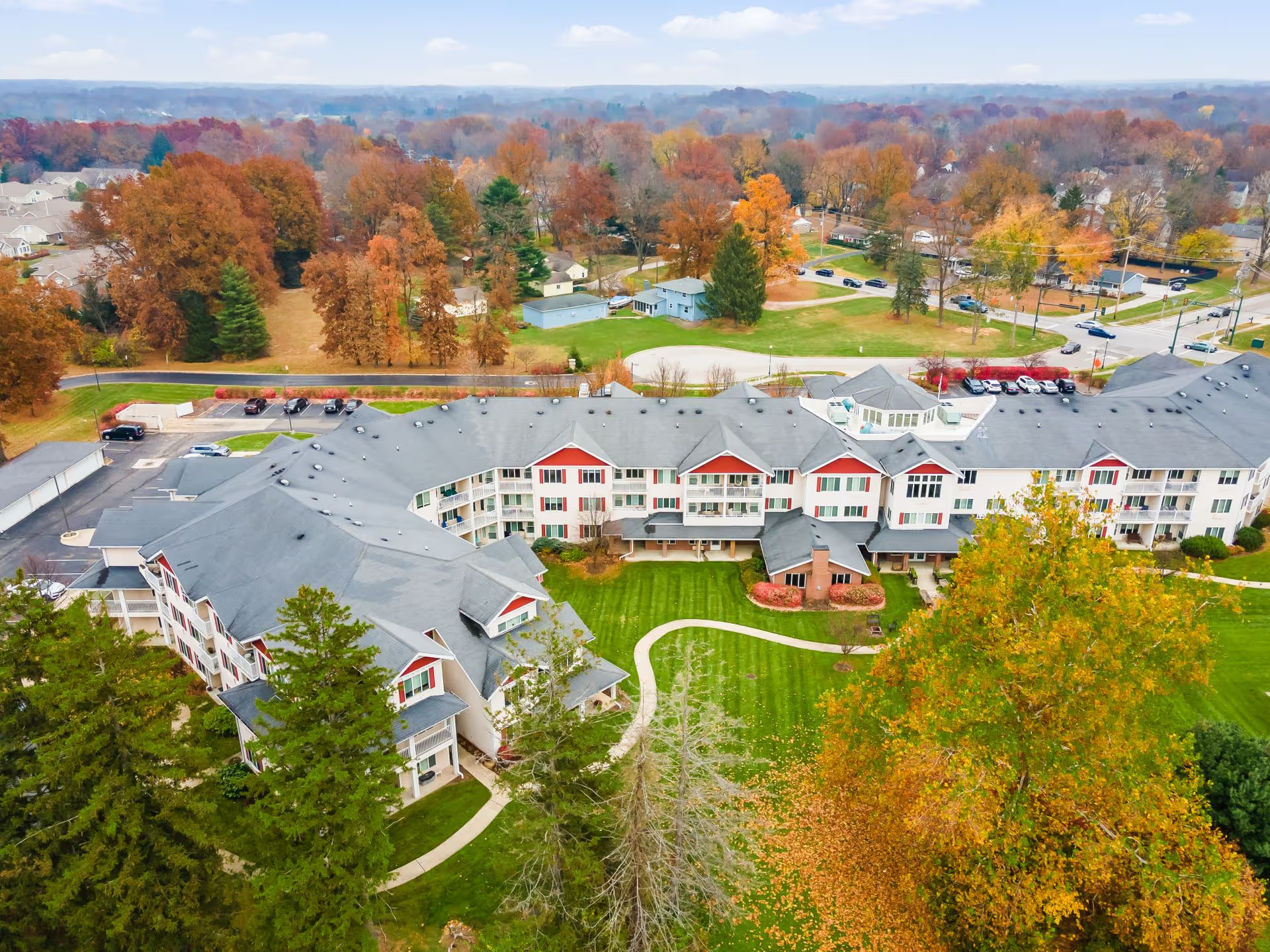
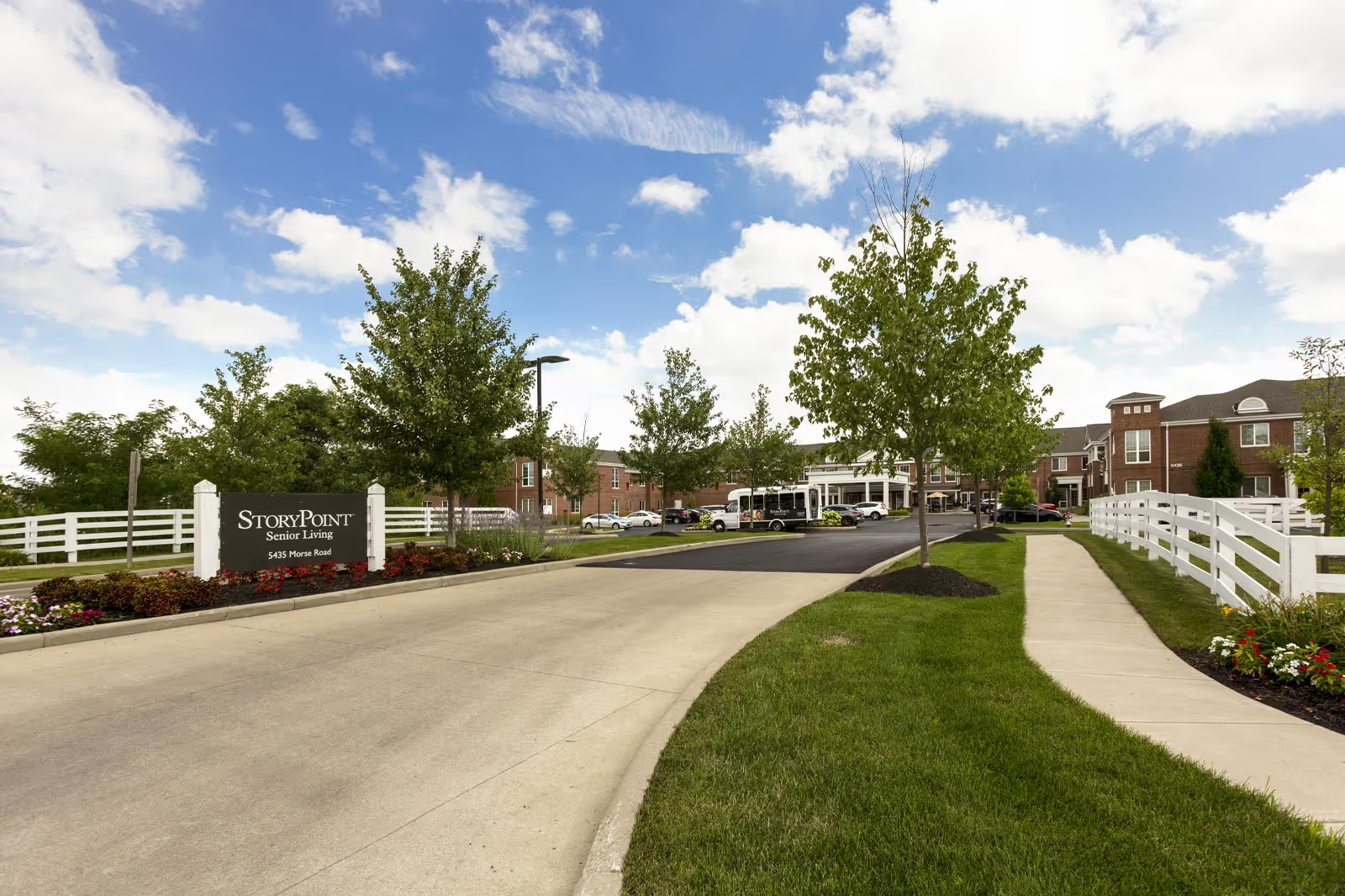
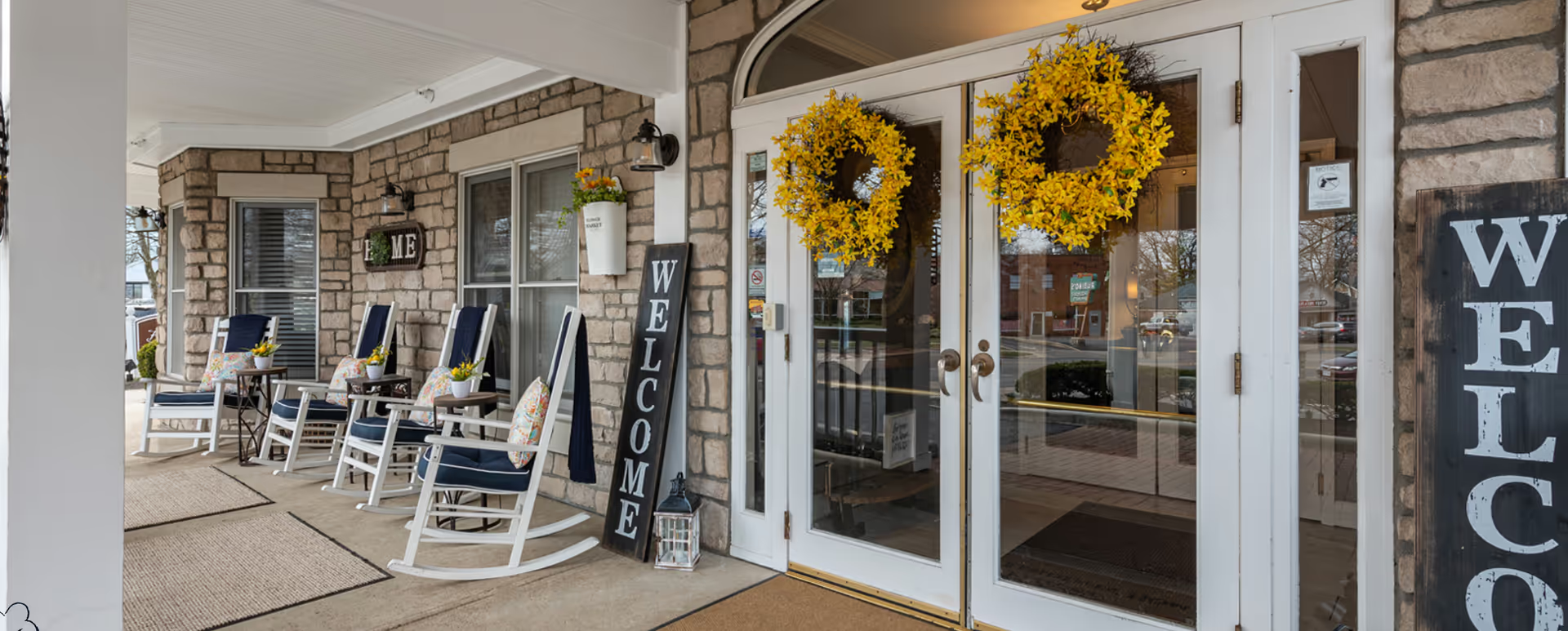
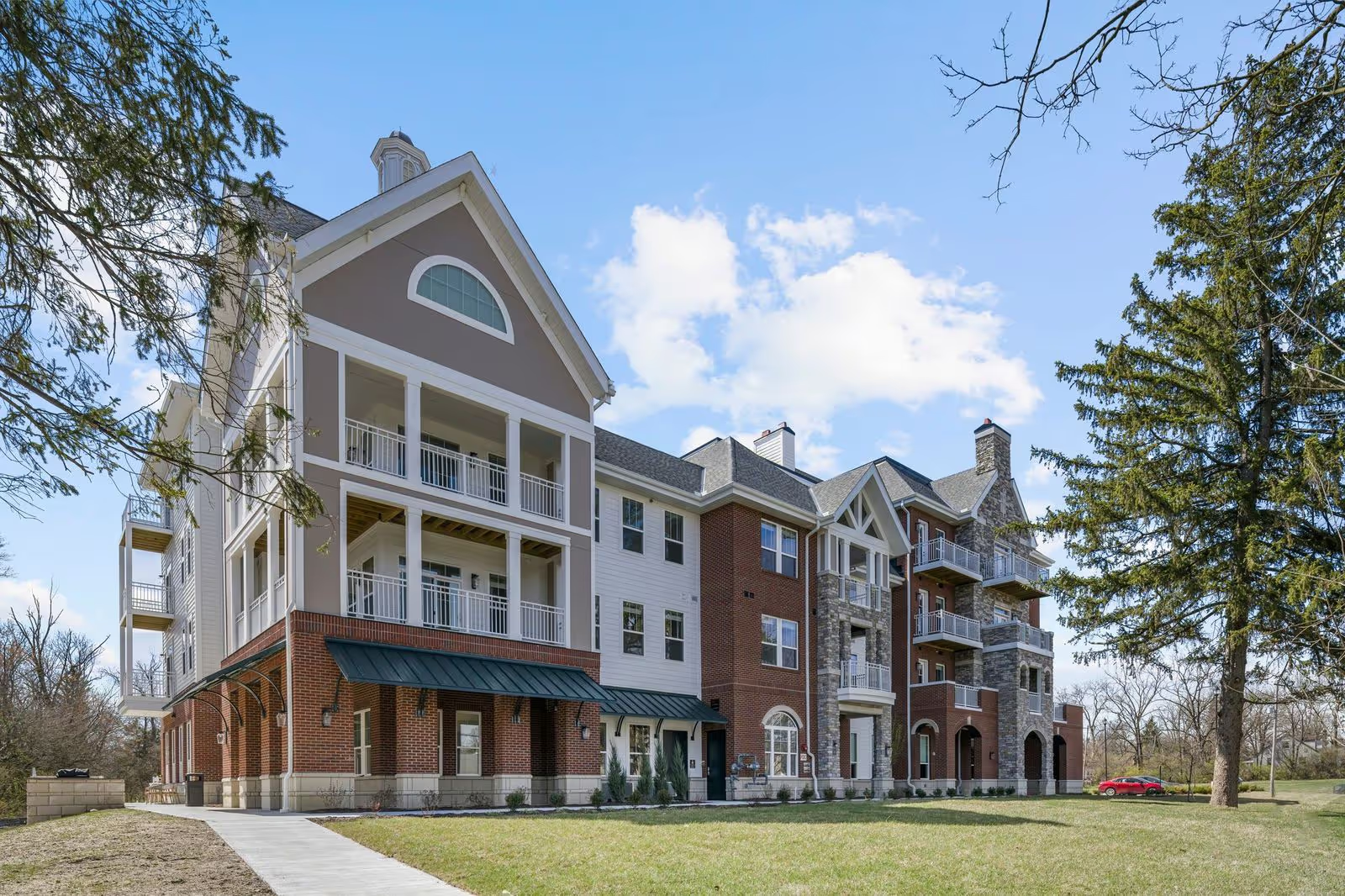
Taylor Springs Health Campus elicits consistently positive comments about its physical environment, therapy services, and social programming. Many families and residents describe a bright, modern building with attractive indoor and outdoor spaces, private in-room amenities, and a well-equipped rehabilitation gym. The campus offers a broad slate of activities — happy hours, live music, worship services, bingo, movie nights, ice cream socials and exercise classes — and staff assistance to get residents to those events is frequently noted. Therapy teams (physical, occupational, speech) are repeatedly praised for producing measurable mobility and functional gains.
Care quality and day-to-day clinical responsiveness present a mixed picture. Several accounts highlight strong skilled-nursing care, attentive rehab clinicians, and individualized recovery-focused attention. At the same time, reviewers describe operational weaknesses that affect basic assistance: delayed responses to call lights, inconsistent timing of medications and pain control, and variability in hygiene-care tasks and toileting assistance. There are also mentions of pressure-area and wound-care continuity concerns. In a few instances reviewers raised serious allegations about staff conduct and administrative barriers; those comments warrant direct follow-up with facility leadership and review of regulatory/inspection records.
Staff and management impressions are similarly mixed but leans positive overall. Many reviewers single out compassionate, friendly aides and skilled therapists, and several note engaged leadership and a family-oriented culture. Conversely, reports of short staffing, uneven professionalism among night and float staff, and slow administrative follow-up for repairs or records indicate inconsistencies in staffing deployment and supervisory presence. Individual staff members and teams receive frequent praise, which suggests strengths in recruitment and certain leadership areas even where operational gaps appear.
Dining receives both praise and critique. The facility provides three daily meals plus snacks and social dining occasions that families appreciate. However, reviewers note variable food temperature and preparation (for example, items served cold) and express a desire for more senior-focused menu planning and dietitian involvement. The facility has made improvements over time according to some comments, but food consistency remains an area to monitor.
Facilities, amenities, and nonclinical services are a clear asset: clean rooms, ample closets, emergency call buttons, transportation options, and landscaped outdoor areas. At the same time, operational supports such as laundry/personal-item handling and on-site residential management presence are cited as inconsistent; there are isolated complaints about lost clothing and slow repairs that point to process gaps.
Notable patterns for prospective residents and families: the campus delivers strong rehabilitation outcomes, a pleasant environment, and active social programming, and individual staff members often provide caring, attentive service. Conversely, recurring operational themes — inconsistent staffing, delayed response to assistance requests, uneven clinical responsiveness, and variability in dining and personal-care processes — suggest that experience can vary by unit, shift, or individual staff. Prospective admissions should tour the unit at different times of day, ask about staffing ratios and on-shift leadership, review medication- and wound-care protocols, inquire about laundry and personal-item policies, and request references or recent regulatory reviews to assess how the facility addresses these operational concerns.