Reviewer feedback for Beavercreek Post Acute is mixed, with a clear split between strong clinical/therapy performance and operational inconsistencies. Many accounts highlight a skilled therapy department (physical and speech), effective wound and nutrition support, and measurable rehabilitation gains that helped residents return home or improve mobility. Families and patients frequently describe nursing and aide staff as compassionate and attentive, and several individual staff members and leaders received positive recognition. Activity programming and family-inclusive events (games, seasonal events, cookouts) and generally well-liked dining options were also common positives.
At the same time, a pattern of operational weaknesses emerges. Cleanliness and sanitation practices appear inconsistent: while some reviewers describe clean, pleasant common areas and daily room cleaning, others identified housekeeping and laundry deficiencies and odor concerns tied to incontinence care. Staffing and responsiveness also appear variable by shift; daytime staff are often praised for friendliness and prompt assistance, whereas nighttime coverage and responsiveness to call buttons and toileting requests were described as delayed in some accounts. These patterns extend to communication and care coordination, with multiple notes of inconsistent answers from staff, discharge delays, and perceived gaps in medication timing or administration.
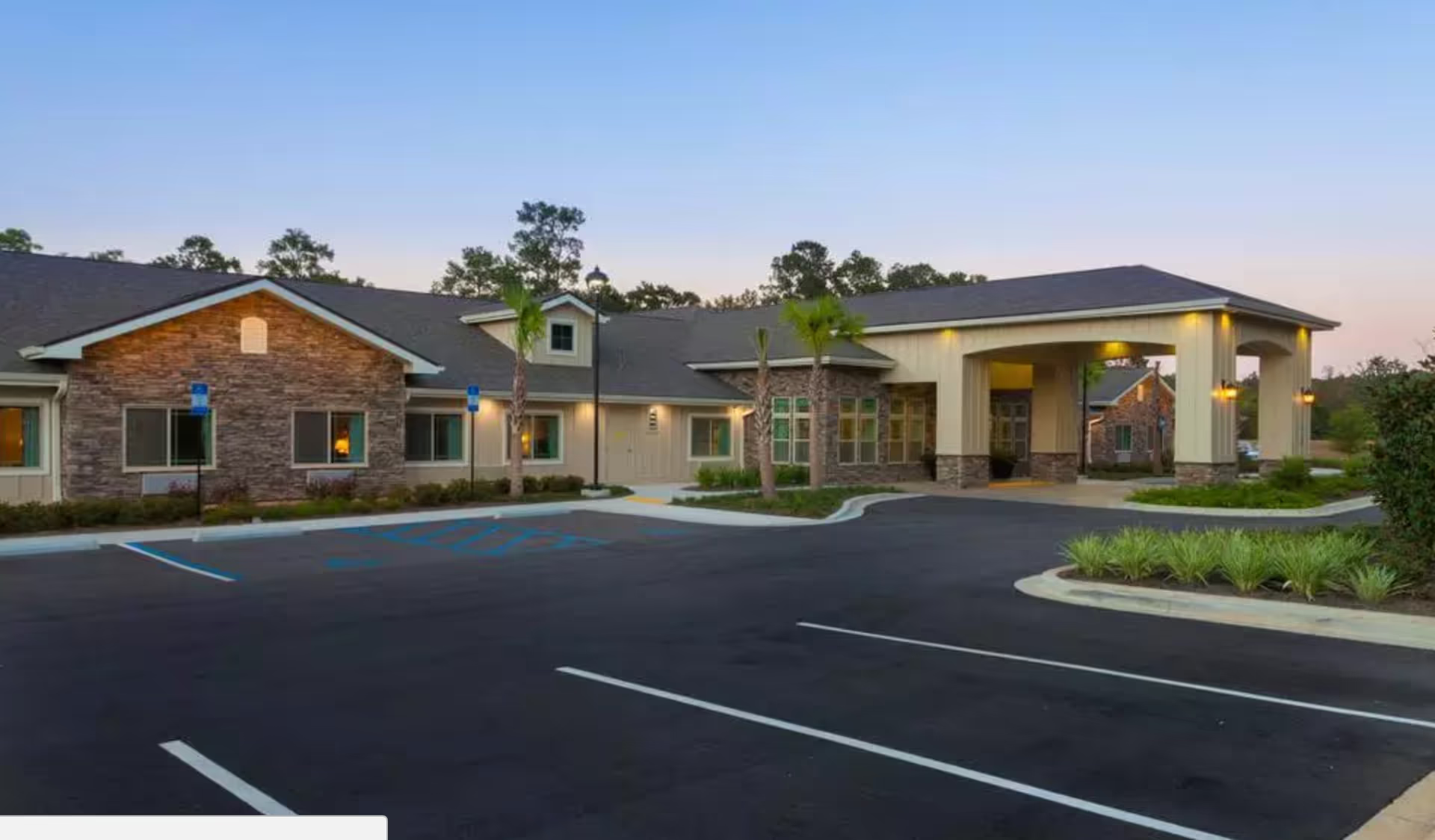
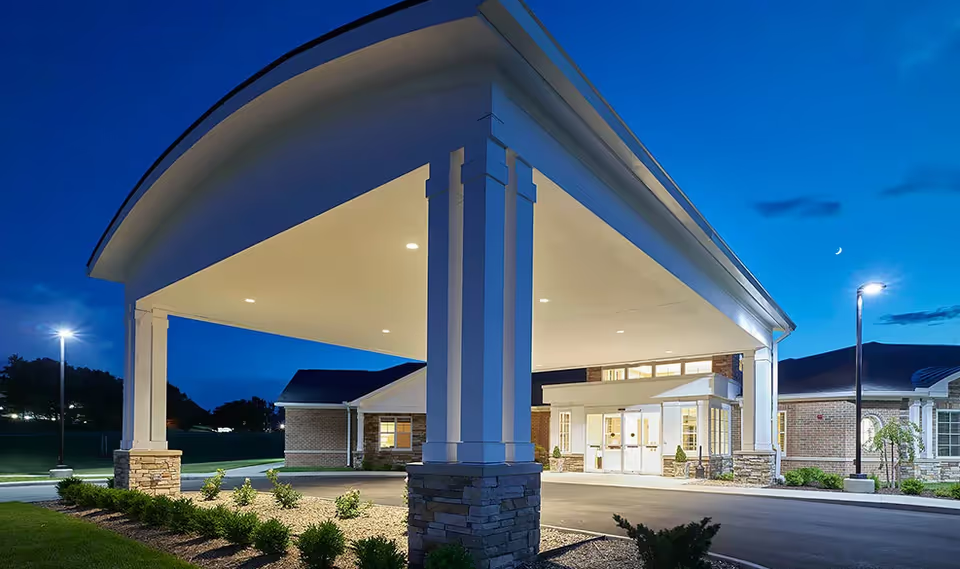
The facility’s physical condition and management transition are additional themes. Several reviewers described an older building with areas that feel worn, and some felt online photos did not match current conditions. Conversely, other reviewers noted that new management and a proactive administrator are implementing changes, with a new housekeeping supervisor and other improvements underway. Billing and perceived value-for-service were raised as a concern by some families, suggesting prospective residents should clarify charges and expectations up front.
For families considering this facility, the prominent strengths are the therapy teams, certain nursing staff members, engagement programming, and availability of specialized clinical services. The primary risks to assess in person are housekeeping and sanitation consistency, night-shift staffing and responsiveness, communication processes around discharge and medications, and the actual condition of resident rooms versus online materials. Visiting at different times of day, asking about staffing patterns, housekeeping schedules, infection-control protocols, medication administration policies, and billing transparency will help form a balanced view before placement.